
Think Like a Chef, Cook Like a Chef
You walk into an upscale full-service restaurant, you’re seated by the host, the server takes your order, and within minutes you’re presented with an attractive, delicious, freshly-made dish. Ever wonder how the kitchen produces complex menu items in so short a time?
I’m Chef Lou Sackett, and I founded PrepHoldCook for people who like to cook and love to eat quality homemade food, but struggle to put dinner on the table after a long day at work. I’m here to help you use professional concepts, methods, and techniques to make your cooking more efficient and make dinnertime stress-free and fun. Among the many secrets of professional kitchens, the most important is the concept of prep, hold, and finish. Want to learn more?
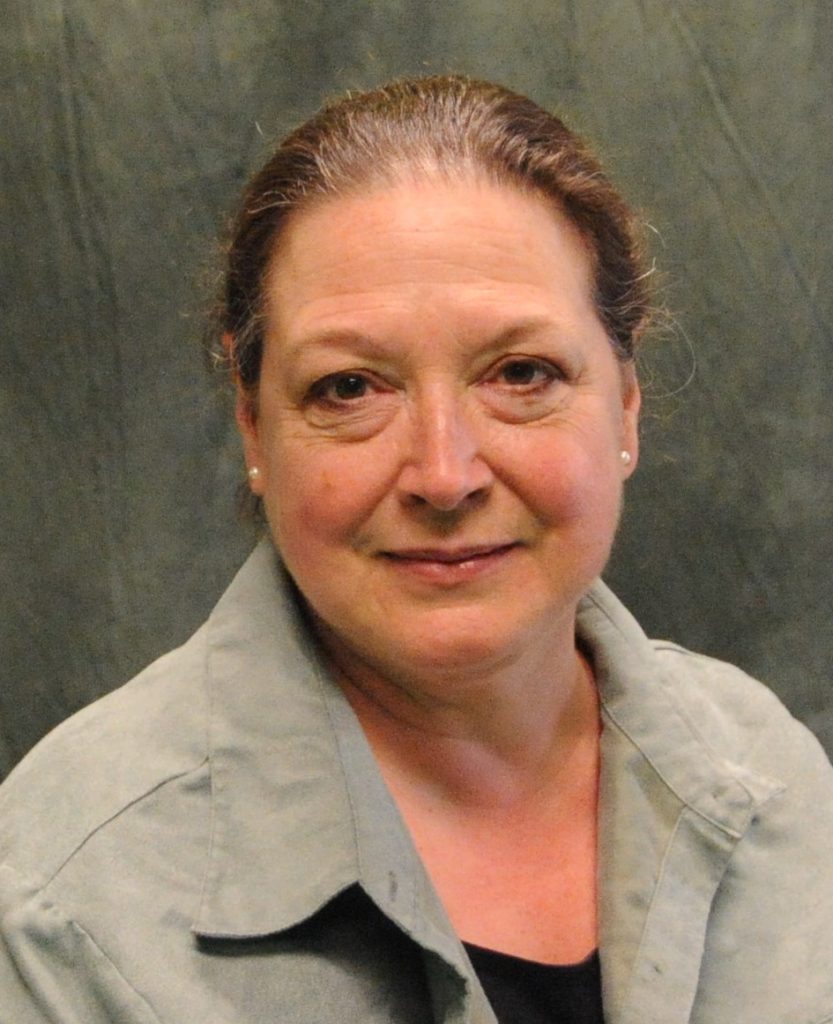
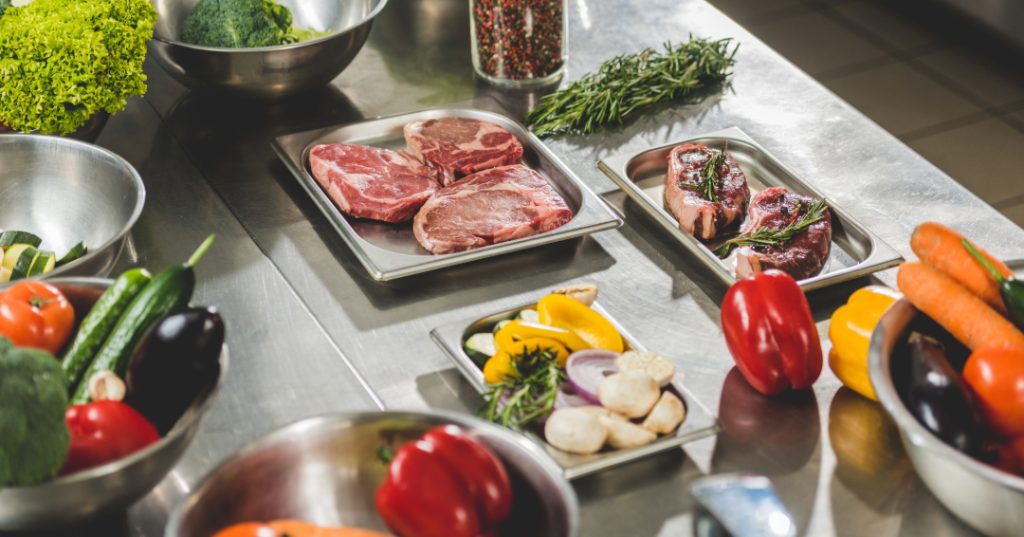
In á la carte restaurant cooking, work hours are divided into two distinct phases: prep, or preparation; and service. Prep work happens when the restaurant is not open to customers, and has no strict time limits. When prep is complete, the result is called mise-en-place, a French culinary term meaning “everything completed.” Proteins are trimmed and portioned, sauces are made, vegetables are cut and par-cooked, and all other ahead-of-time tasks are complete. Having a thorough and organized mise-en-place is key to a successful service.
As a home cook, your prep shift can be the weekend, or any other time when you have a few hours to devote to mise-en-place.
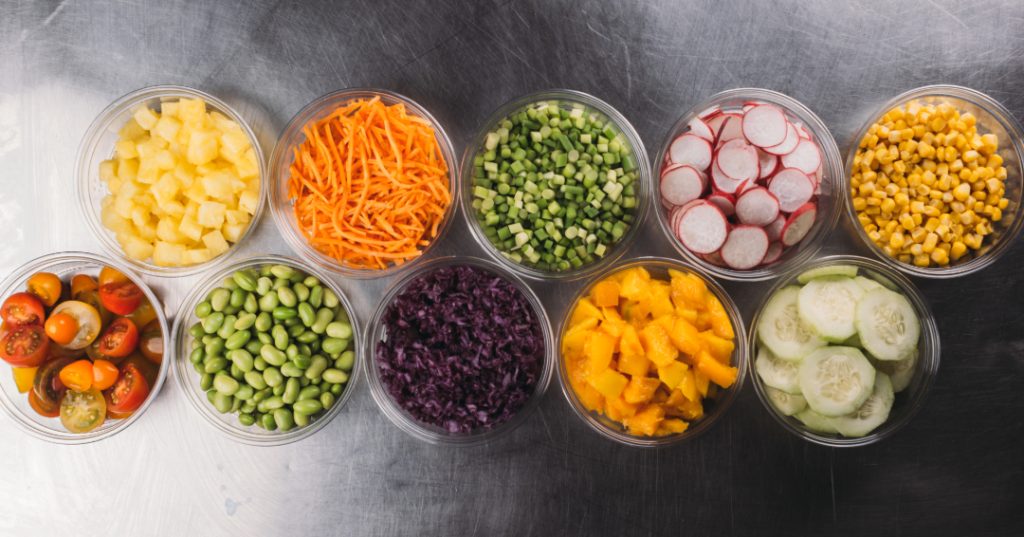
Service is the time when the restaurant is open and serving food and drink to customers. During the service, line cooks are expected to finish and plate the restaurant’s menu items within a fifteen-minute time window. In your home kitchen you don’t have that kind of time pressure, but you do have to get dinner on the table at a reasonable hour. Your service starts each evening when you’re ready to make your meal.
To begin using the prep, hold and finish concept, it’s essential to understand where the prep part of a recipe ends and where the finishing begins. Let’s look more deeply into these concepts.
Prep
Prep: all of the work for a particular dish that can be done ahead of time without adversely affecting its ultimate quality.
Prep comprises a wide range of activities, depending on the dish in question. How far ahead a particular dish can be prepped depends on the type of dish and the qualities of its ingredients. For some foods prep can be done days ahead, whereas for others, prep must happen shortly before service.
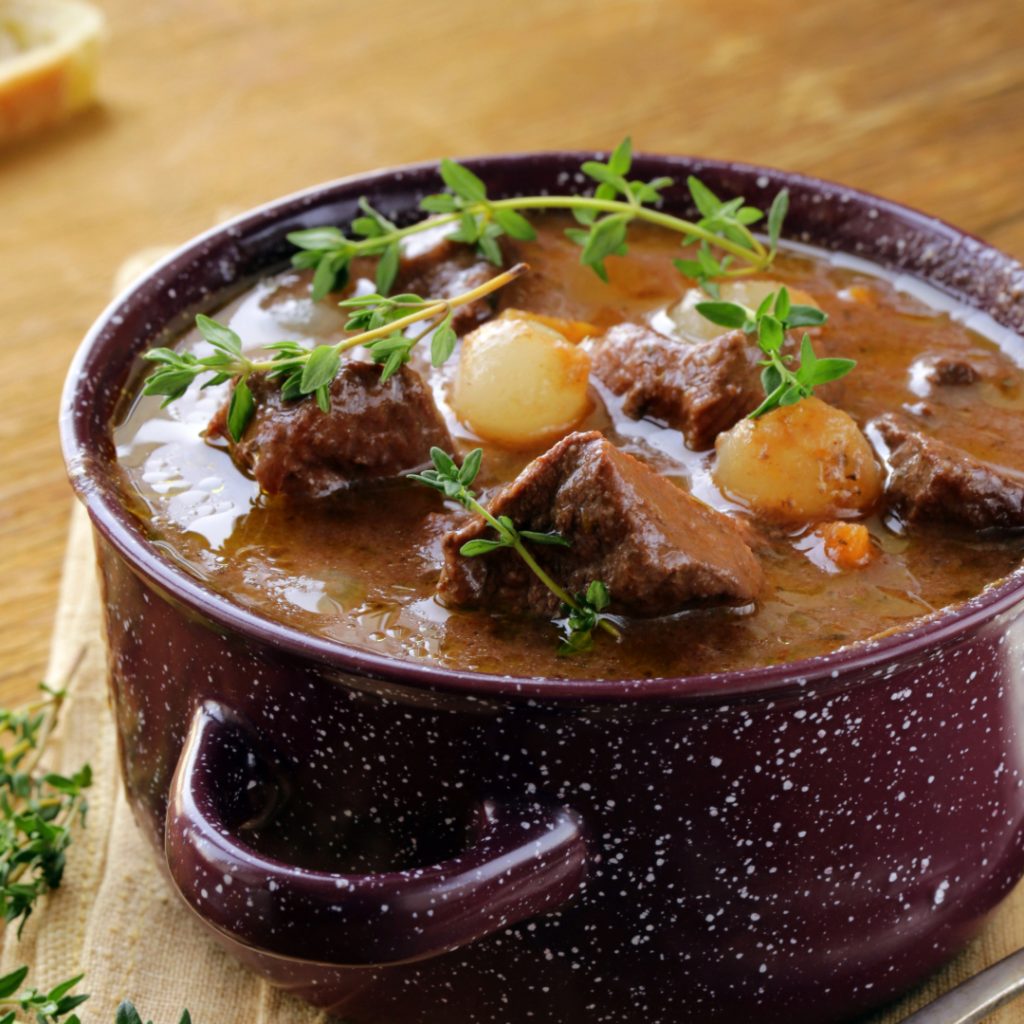
Some dishes can be fully made ahead of time, from start to finish. These include:
- most soups
- stews
- braised foods
- many sauces and salad dressings
- casseroles
- composed salads (chicken salad, etc.)
- cold appetizers and entrées
- most desserts
At dinnertime, you simply reheat these dishes (if necessary) and present them on plates or in bowls. Soups, stews, and braises are known to actually improve in depth and complexity of flavor after some time under refrigeration.
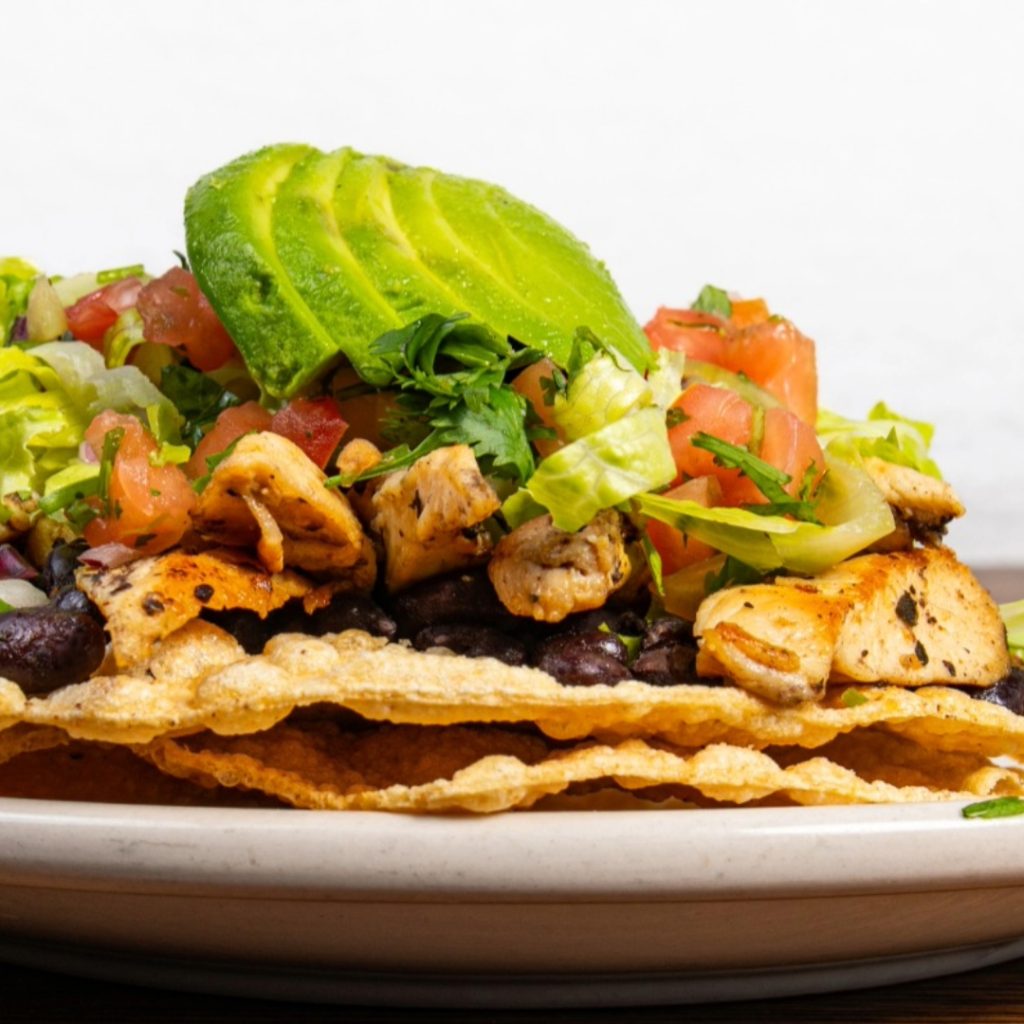
Other dishes can’t be made ahead at all. Imagine a flounder filet sautéed in the morning and then reheated for evening service. Unacceptable, right? In fine-dining á la carte restaurants, the majority of tender protein items are cooked start-to-finish after the customer order is placed.
- fish and shellfish
- poultry breast meat and meat cutlets
- steaks, chops, and single-serving-size pan roasts
However, these items may require non-cooking prep such as trimming, portioning, seasoning, or marination. Typically, these center-of-plate proteins are accompanied by sauces, side vegetables, and side starches that require advance prep.
Finishing… what we call COOK!
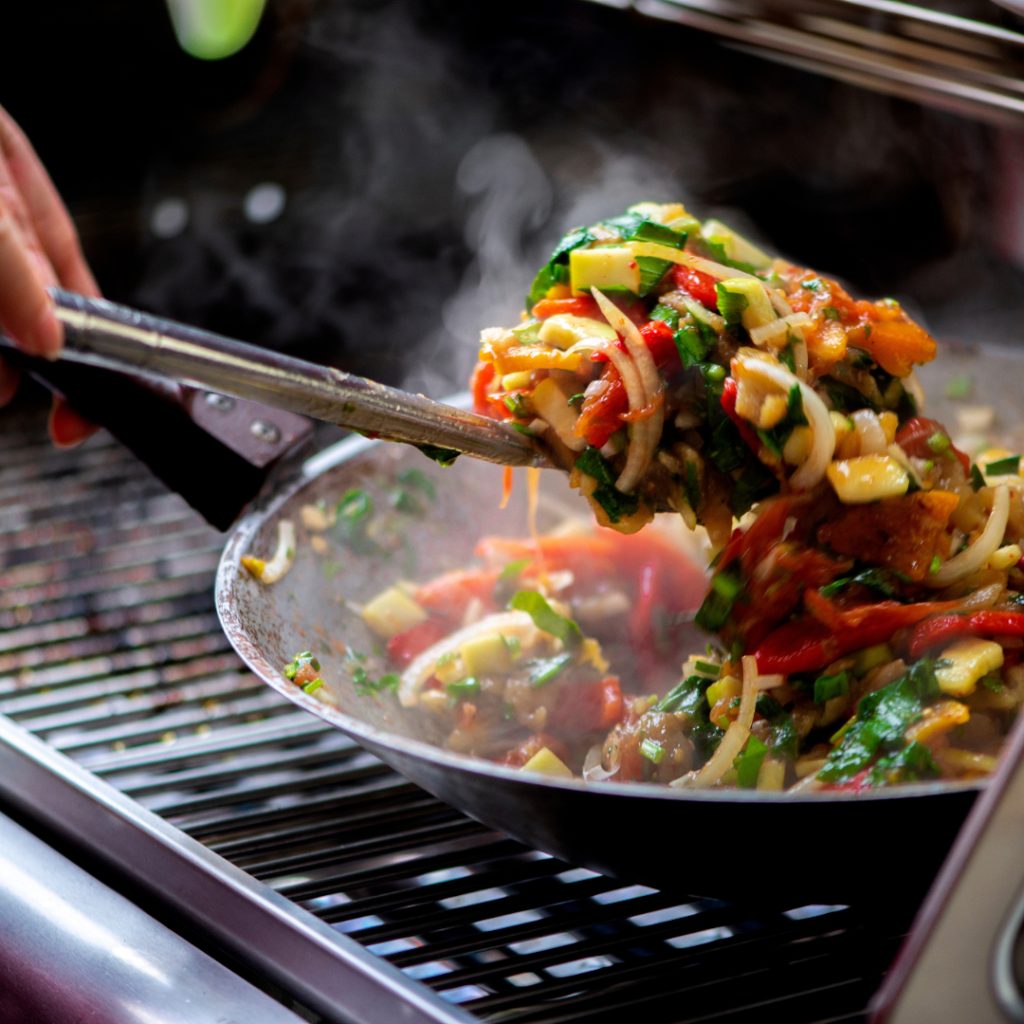
Finishing: all of the work done to a particular dish after the customer’s order is placed.
Once the customer order comes in, the chef typically calls for the line cooks to “fire” the dish (even though not all menu items require the application of heat). I think a better way to name this phase of restaurant cooking is finishing, because that’s what the cooks are doing: completing the work that they started when they did their prep. But at home, you can think of the finishing phase as COOK, because that’s when you start cooking your evening meal. That’s why this website’s called PrepHoldCook!
The final step in finishing is plating, or arranging the food on plates. In restaurant cooking, each plate presentation is designed by the chef as a work of art and, as such, its elements must be arranged precisely and consistently each and every time. At home, you can plate any way you want, or even serve your meal family-style. But if you’d like to showcase your dishes in beautiful presentations, you can follow my recipes’ plating directions.
Now that you understand the concepts of prep and finishing, let’s think about what happens in between.
Hold
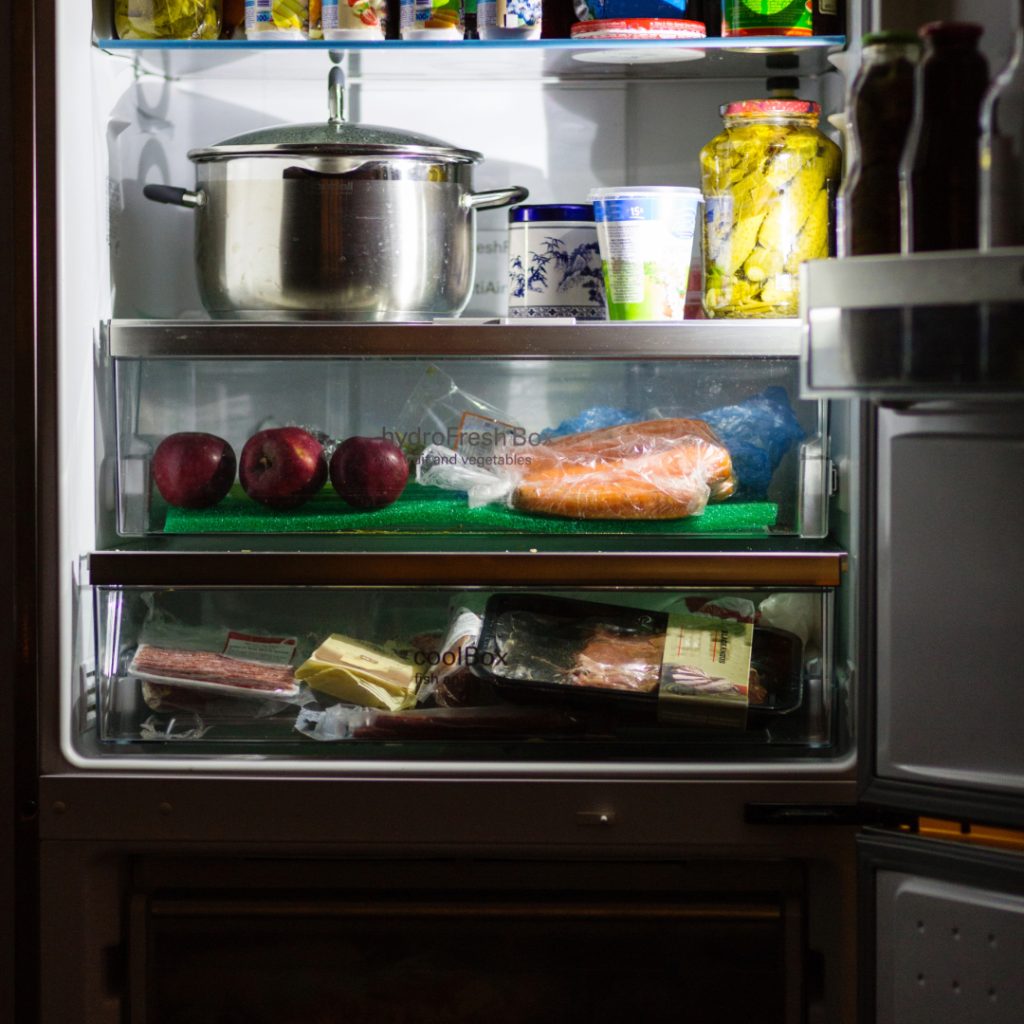
Hold: best practices for keeping prepped foods at their optimal quality between prep and finishing.
Holding directions answer three basic questions.
- Where to store the food? Typically in the refrigerator, in the freezer or, for a few types of foods, at room temperature.
- How to store the food? The type of wrapper or container that is best and most efficient, as well as tips to help prolong the food’s freshness and quality.
- How long can the food be stored? For planning purposes, this is the most important part of holding directions, because it enables you to decide how far ahead you can prep. Holding times range from hours, to days or, for some items, up to weeks or even months.
You Can Cook Like a Chef!
Applying the professional concept of prep, hold, and finish in your home kitchen enables you to put a restaurant-quality dinner on the table most evenings—even during the busiest work week. Doing so requires some planning, and it also takes some time out of your weekend. But if serving delicious, healthful food is important to you, that’s time well-spent. Think of it this way: With the PrepHoldCook website, you’re giving yourself a free professional cooking lesson on the weekend, and then enjoying the benefits all week long.
On this site you’ll find approachable, seasonal, stylish recipes written in the professional prep, hold, and finish format but designed specifically for home cooks. As you follow the recipes and tutorials, you’ll learn professional techniques, methods, and chef hacks that will make your cooking more efficient and elevated. Soon you’ll be able to adapt your own favorite recipes to the professional format, and start developing signature dishes of your own.
Thanks for visiting PrepHoldCook!