
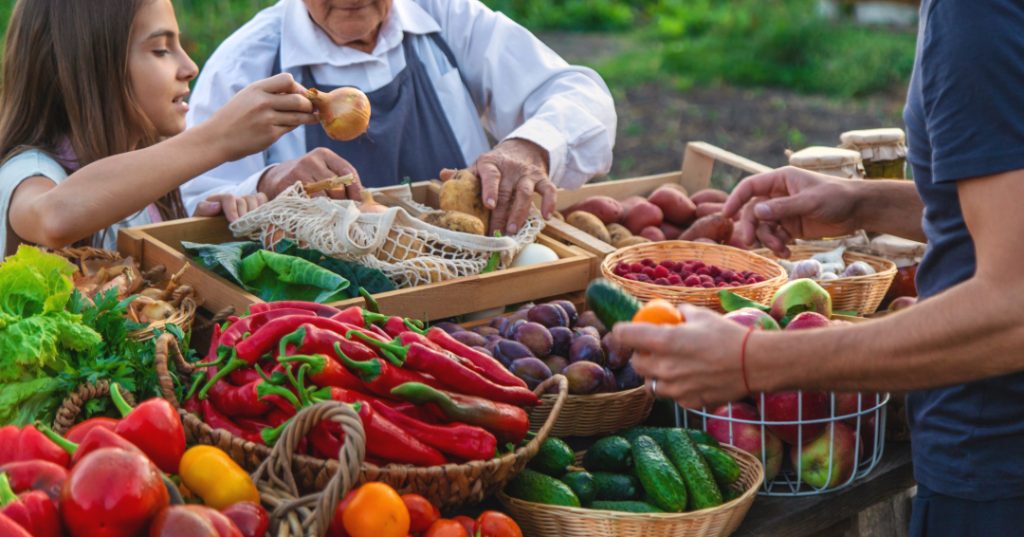
Many of my recipes are seasonal to temperate areas of the northern hemisphere, which is where I live and work. Why is seasonal cooking important and enjoyable? In the twenty-first century we have access to products grown under artificial conditions and shipped from around the world. If we want to, we can have asparagus and tomatoes in January and apples in July. But often out-of-season produce is not very good, it’s always more expensive and, due to agricultural practices, packaging, and long-distance shipping, it’s not good for the environment. It’s thriftier and much more sustainable to eat local products in season, and you can’t beat their quality and freshness. Buying food grown in your community or region also supports your local economy and connects you with the people who grow your food.
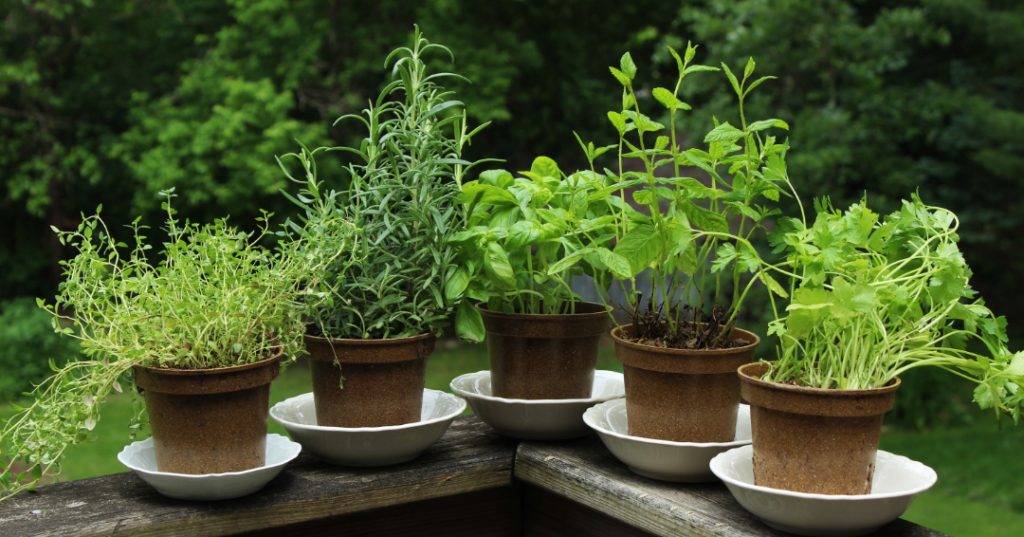
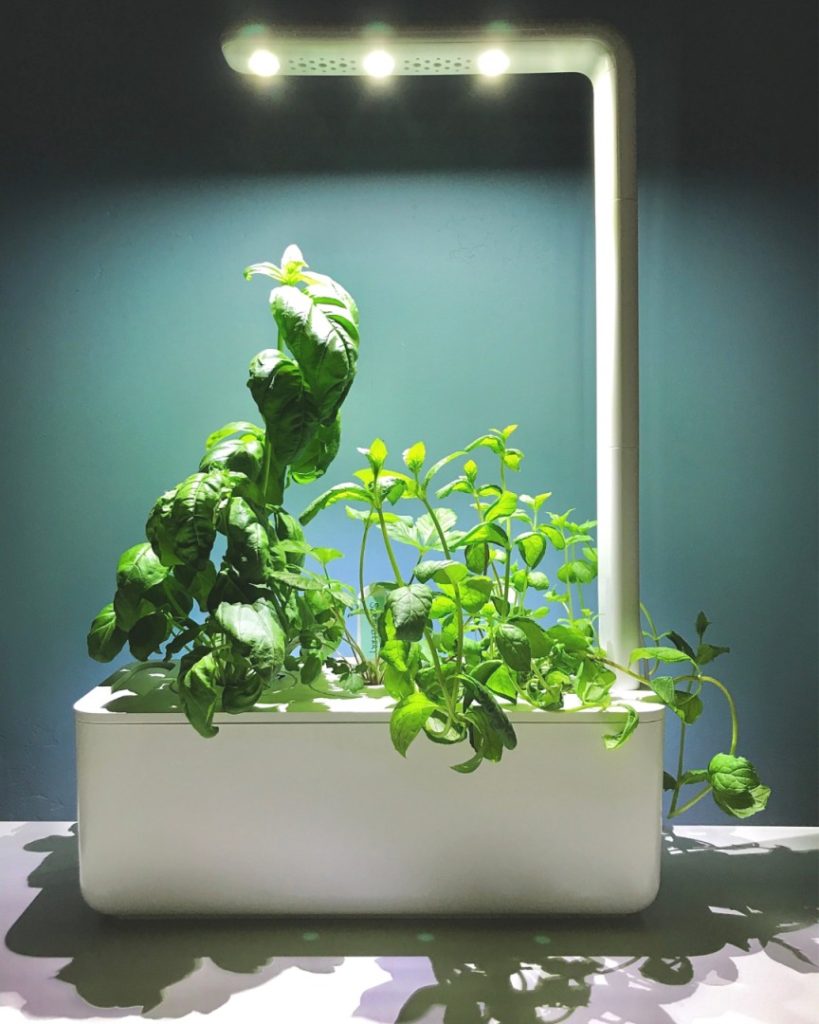
If you have a vegetable garden, you’ve already experienced the delight of harvesting and eating according to the seasons. If a garden is not part of your lifestyle, consider growing at least a few pots of herbs on a patio or inside under grow lights. Fresh herbs are expensive and highly perishable, but the special flavor they impart to dishes makes them an indispensable part of fine cooking. Picking just what you need for a particular dish ensures freshness and eliminates waste.
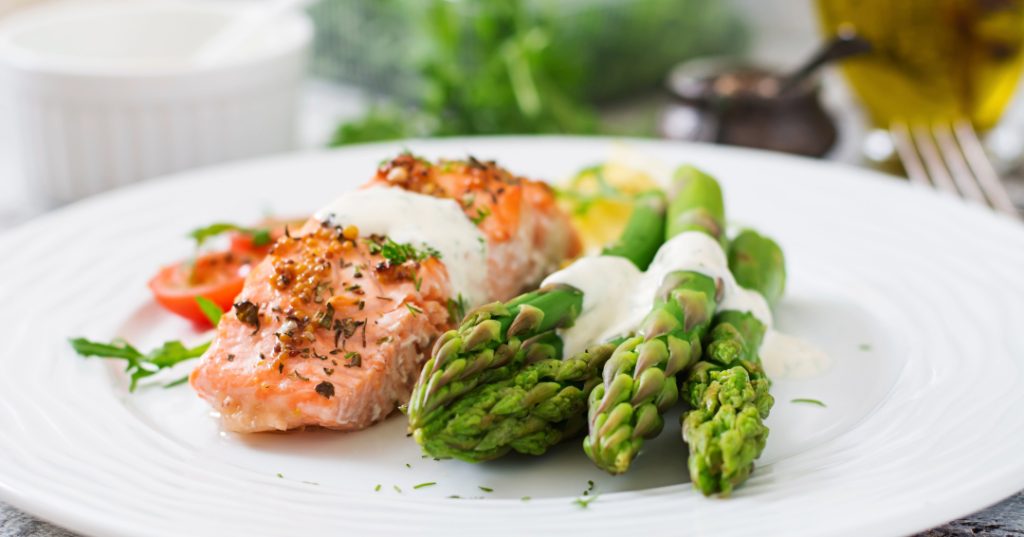
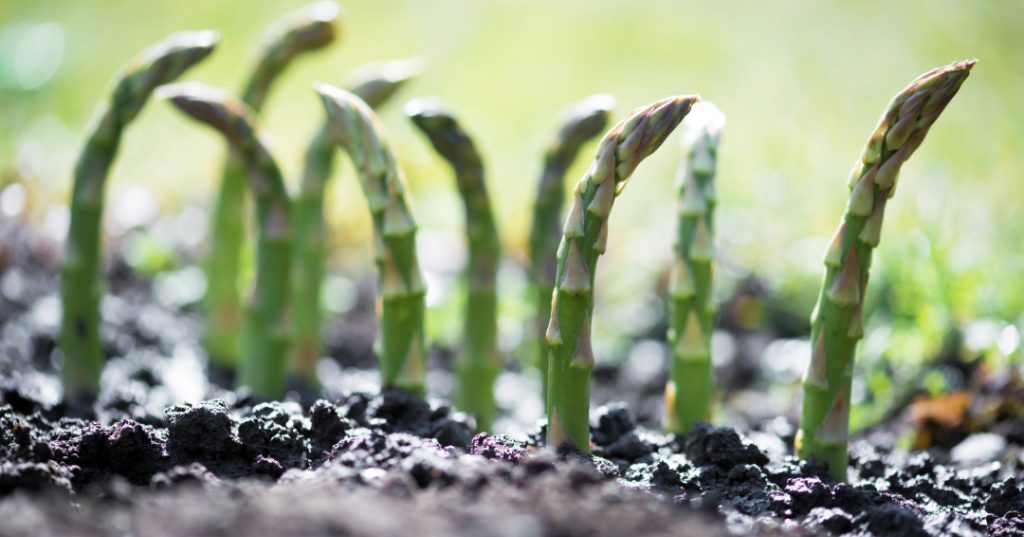
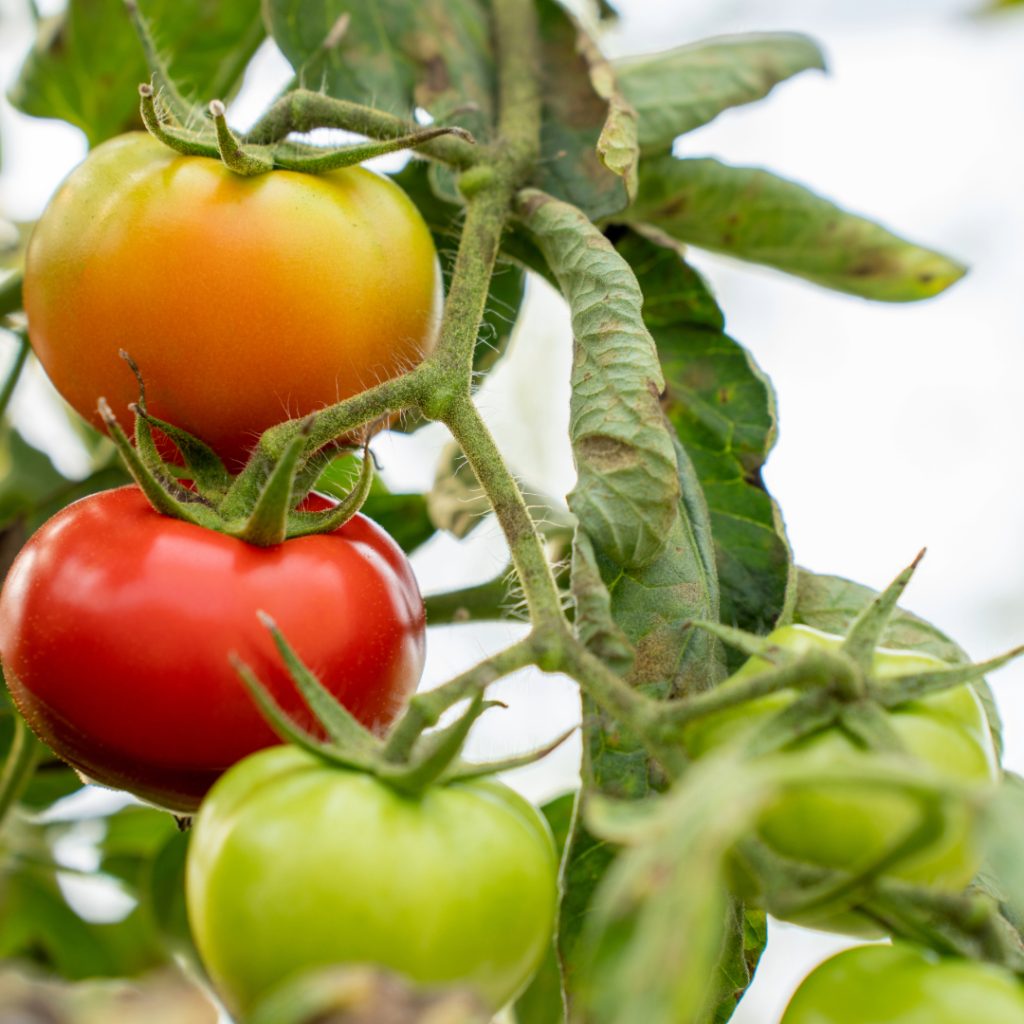
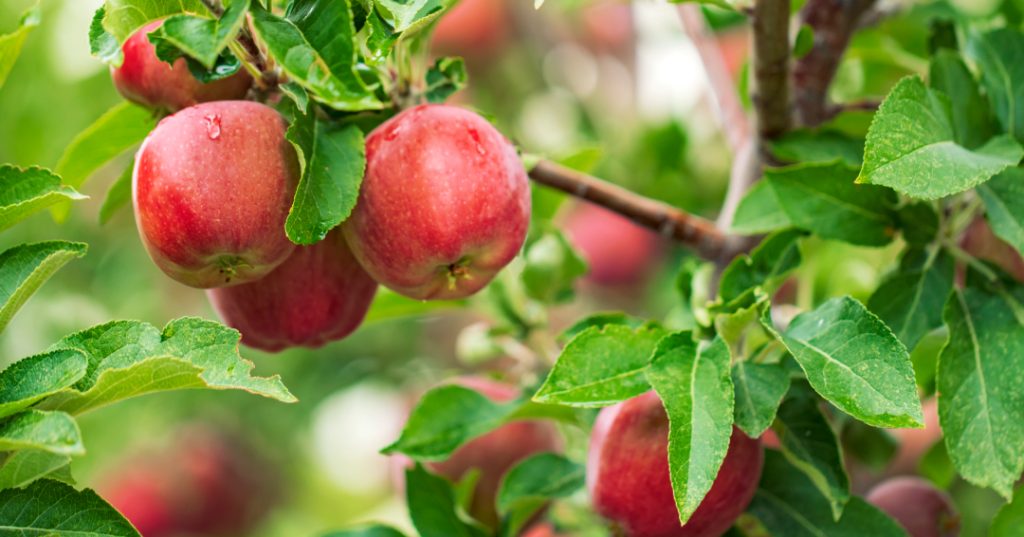
Eating seasonally satisfies something deep within the human condition. It hearkens back to a time when we were all farmers dependent on the blessings and vicissitudes of the land and the weather. It gives us the pleasure of anticipation and the satisfaction of fulfillment. Eagerly awaiting the first tender shoots of asparagus in early spring, watching for summer’s first tomatoes ripen red and juicy, and savoring the sweet-tart flavor and crunchy texture of a mid-autumn apple—these primal pleasures connect us to the earth and the majesty of its seasonal cycle.
Eight Culinary Seasons
Conventional wisdom recognizes four seasons: spring, summer, fall, and winter. But in my experience, the seasonality of fruits and vegetables is more complex than that. For example, although March and June are both spring months, they yield a very different selection of produce. I prefer to divide my cooking into eight demi-seasons: early spring and late spring; early summer and late summer; and so forth. I hope you’ll enjoy the progression of dishes I’m excited to share with you throughout each year, as the seasons turn.