
and what you need to know about them.
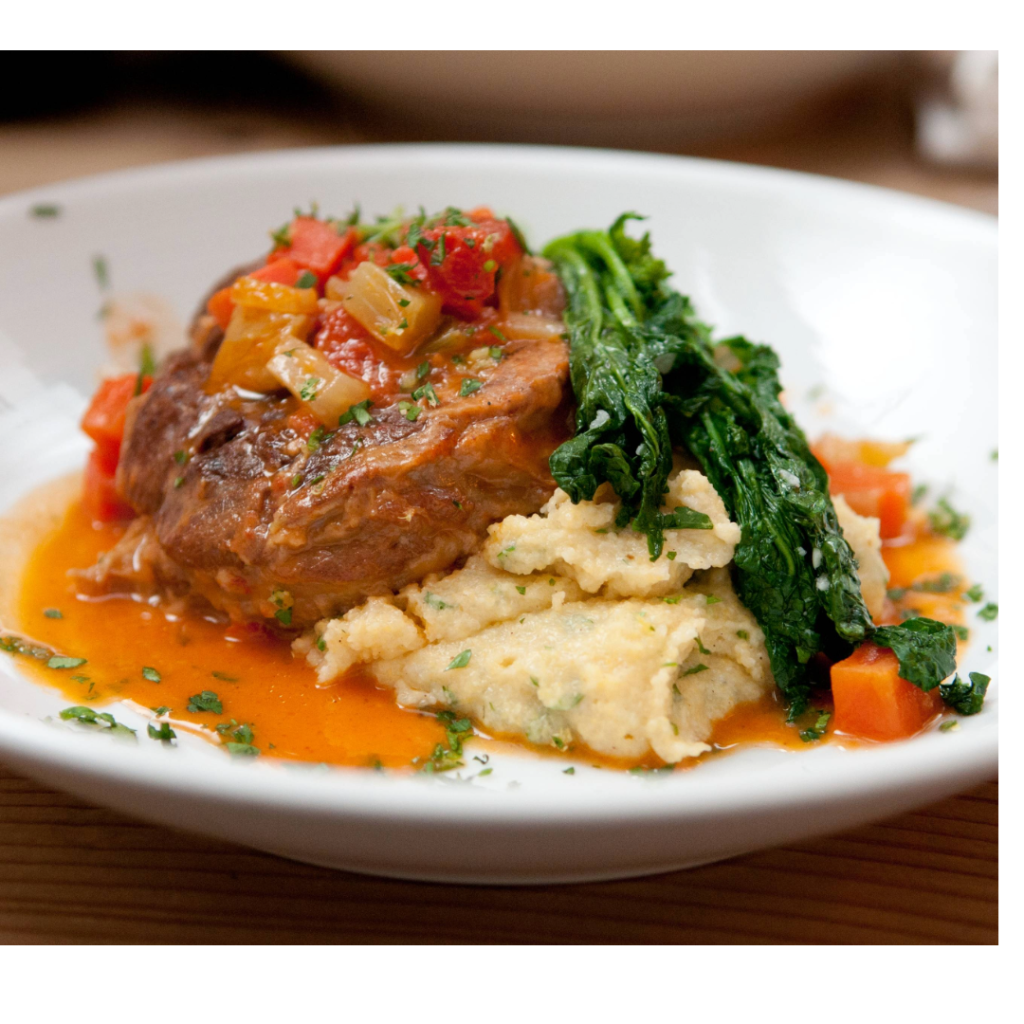
Fats are essential elements of almost every cuisine. Physically, fats function as heat conductors in dry cooking methods such as sautéing, pan-frying, and deep-frying. Their lubricant properties create the rich, luxurious mouthfeel we experience when eating a well-marbled steak or a premium ice cream, as well as the crisp textures we enjoy in French fries and pie crusts. Artisanally-produced fats have their own distinctive tastes that strongly influence the flavor profiles of the cuisines that use them. It’s impossible to imagine Mediterranean cooking without olive oil, northern European cooking without butter, and African cooking without palm oil. Animal fats, such as pork lard and rendered poultry fat, traditionally flavor the food of southwest France, Europe’s Rhineland, China, Mexico, and the American South. Moreover, fat “carries,” or amplifies, other flavors, because many flavor compounds dissolve better in fat than in water.
Although many of us have been conditioned to think of fats as bad for our health, in fact, fats are important dietary nutrients necessary to provide energy, support cell function, and aid the absorption of other nutrients. Much has been written on the subject of “bad” fats (saturated, derived from animal foods) and “good” fats (unsaturated, derived from plants). Saturated fat is associated with elevated levels of LDL (low-density lipoprotein), which can cause plaque build-up in the arteries that creates health problems. However, high cholesterol levels can result from other factors, including genetics. If weight gain is an issue for you, keep in mind that all types of fat have the same calorie count: 9 calories per gram.
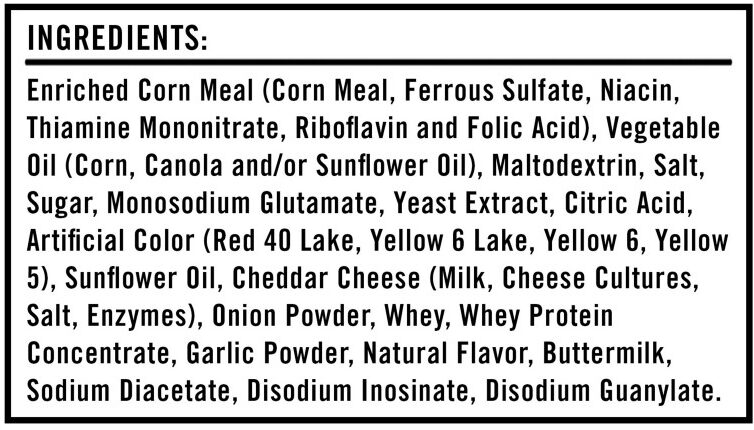
Current health warnings now focus on the dangers of eating ultra-processed foods, among them industrially-produced fats derived from plants. Ultra-processed foods are produced using artificial sweeteners, preservatives, emulsifiers and other manufactured chemicals; during processing much of the food’s nutritional value is lost. All of us should be aware of what goes into our food and how it’s made.
Unfortunately, the subject of nutritional health is complex and ever evolving. So it’s difficult to know what to eat! I believe that consumption of fats—in moderation, combined with other nutrient-rich, naturally produced foods, and with regular exercise—can be part of a healthy, enjoyable life.
I also believe that variety is essential in a good diet. If your diet includes a broad spectrum of foods, you’ll benefit from many different nutrients and, even if a few things you eat are less than optimal, you won’t be eating too much of them. That goes for fats as well as for other foods. If you keep a variety of fats in your ‘fridge and pantry, you’ll benefit not only from their flavors and cooking qualities, but also from the wide range of nutrients they provide.
When choosing culinary fats for your kitchen, keep in mind the difference between traditionally-produced fats and industrially-processed fats. Humans have been safely eating traditionally-made fats for millennia. Industrially-produced fats emerged in the early 20th century, with ultra-processing used in their production since about 1980. In terms of human development this timespan is merely a blink of the eye. I believe that the majority of fats we use for cooking and eating should be of the traditional variety.
Traditionally-Produced Culinary Fats
- dairy fat—butter, mechanically separated from the milk of cows and other mammals
- fruit oils—pressed from olives (olive oil) or palm fruits (palm oil)
- nut oils—pressed from walnuts, almonds, hazelnuts, coconuts, etc. (also peanut oil, technically from a legume)
- rendered animal fats—made by gently heating the solid fat from an animal carcass, changing it into a semi-solid fat that is liquid when hot and solid at room temperature (pork lard, beef tallow, rendered poultry fat)
Until the early 20th century, these four types of fat were the only options available throughout the world.
Industrially-Processed Culinary Fats
- seed oils—heat-pressed, chemically refined, chemically solvent extracted, and filtered (soybean oil, corn oil, sunflower oil, safflower oil, grapeseed oil, canola oil)
- vegetable shortening—industrially-produced semi-solid fat (since 2021, containing no partially hydrogenated oils, a source of artificial trans fats)
- margarine—a blend of hydrogenated seed oils, water, and milk solids
Fats For Your Kitchen
Here’s a list of fats I keep in my ‘fridge and pantry, and that are used in my recipes:
Butter
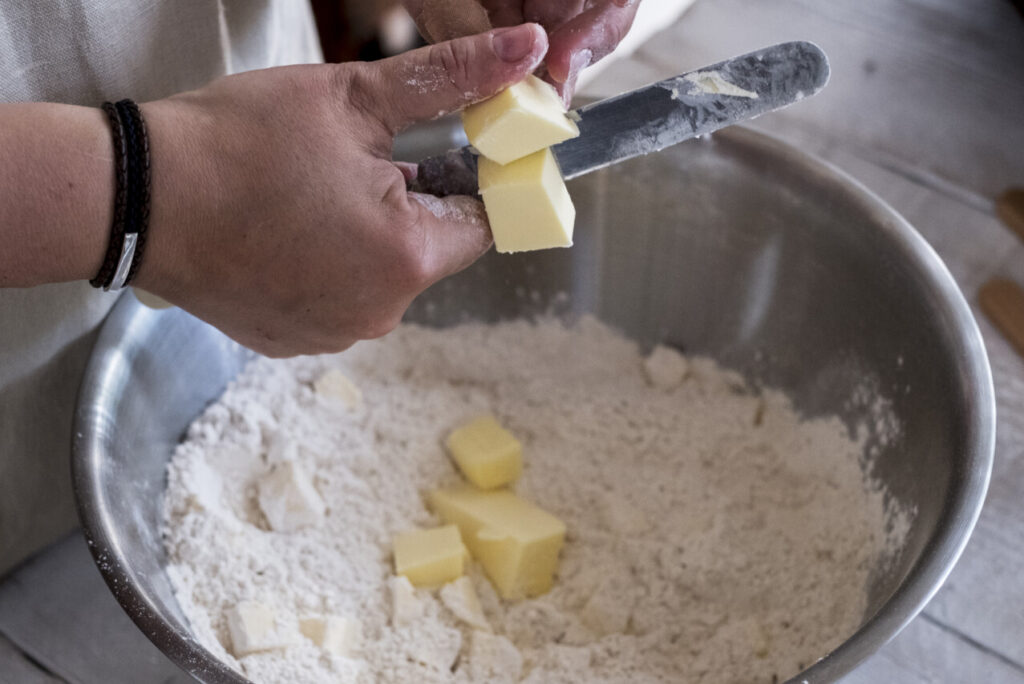
I keep two grades of butter, for different uses. I prefer salted butter for eating, and I don’t have a problem using it in cooking, as well. So long as you frequently taste as you proceed with your recipe, you won’t risk over-salting. On the rare occasions when I bake, I specially purchase unsalted butter.
Artisan Butter
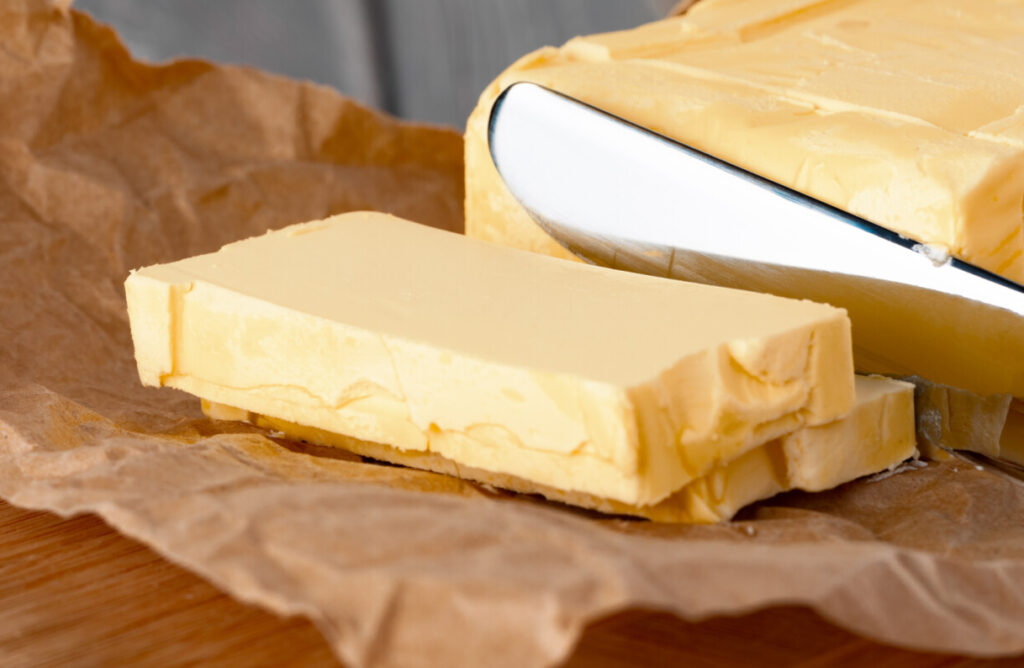
Artisan butter is made in small batches, often from milk produced in a single region, giving it a distinctive flavor and mouthfeel. This is the butter to use for spreading onto bread and toast, and for emulsifying into pan sauces and onto hot vegetables. It’s worth the higher price for its flavor, higher fat content and corresponding lower water content. Avoid using this type butter for sautéing, as it burns more easily and its special flavor becomes less prominent.
- Irish butter comes from grass-fed cows and is uncultured, resulting in a sweet, mild flavor. Salted and unsalted are equally available. I usually purchase salted Kerry Gold. https://amzn.to/4hfQ6Fl
- French butter also comes from grass-fed cows but is lightly fermented with a proprietary bacterial culture for a complex, tangy flavor. Butter produced in Normandy typically is salted, whereas from other regions is unsalted. Because if its high cost, I enjoy this butter for eating on special occasions. Beurre d’Isigny has a pronounced cultured flavor, rich mouthfeel, and crunchy grains of sea salt. https://amzn.to/3DNGDqs
Domestic Commercially-Produced Butter
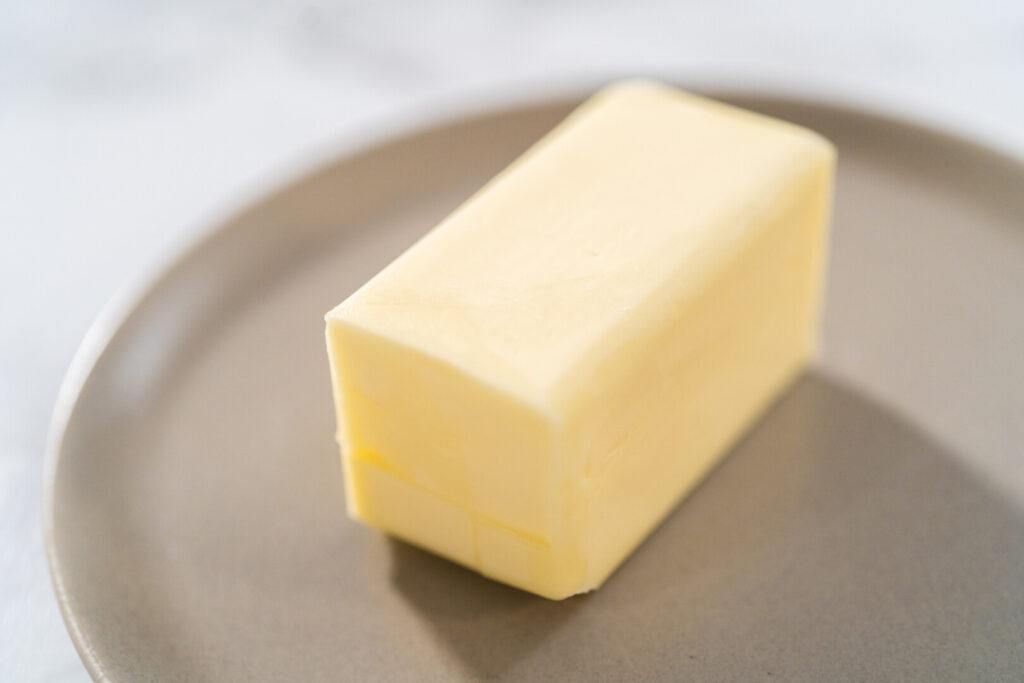
I use regular supermarket-brand salted butter for medium-heat sautéing and for making ghee or clarified butter.
Olive Oil
I keep two grades of olive oil, for different uses.
Extra-Virgin Olive Oil
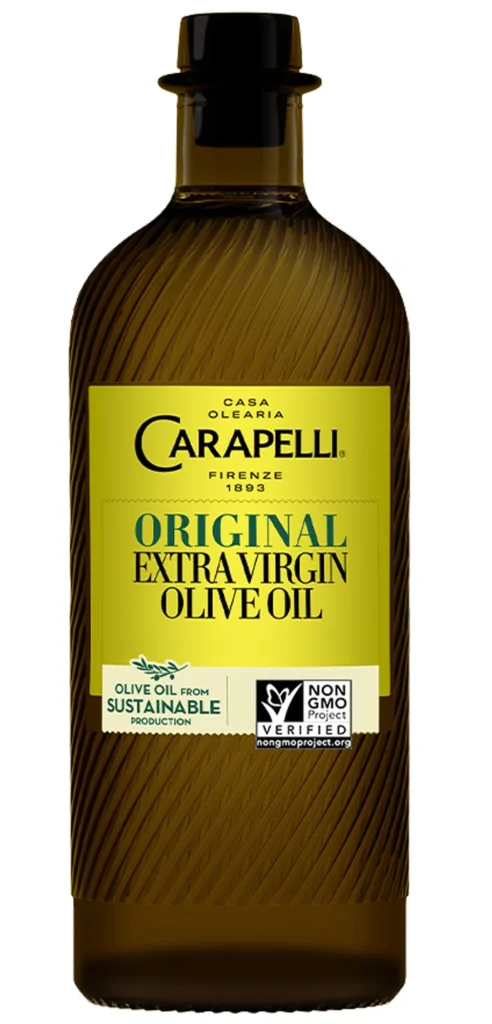
Extra-virgin olive oil is cold-pressed from olives harvested just as they are beginning to ripen. This oil is the result of the first pressing only, and no heat or chemicals are used in the process. It should have a full-bodied mouthfeel, a deep-green color, and have less than 0.8% acidity. So much extra-virgin olive oil is produced around the world, from large corporations and co-ops to tiny artisanal producers, that it’s difficult to generalize about taste; however, it should have a pronounced and distinctive flavor. Extra-virgin olive oil should be used as a flavoring oil at room temperature or warm. Although it has a smoke point of up to 410°F, when subjected to even moderate heat its flavor compounds begin to evaporate and it loses its distinctive taste. It’s great for low-heat “sweating” of aromatic vegetables, or for finishing a pasta sauce, but it’s a waste of money to sauté with it. For special occasions or gifts, I’ll research and online-purchase a single-source, artisan oil from Italy. California produces some excellent extra-virgin oils, but they can be pricey. For everyday use I like Carapelli brand extra-virgin olive oils from Italy, which are available from my local supermarket. https://amzn.to/3WlbPnp
Pure Olive Oil
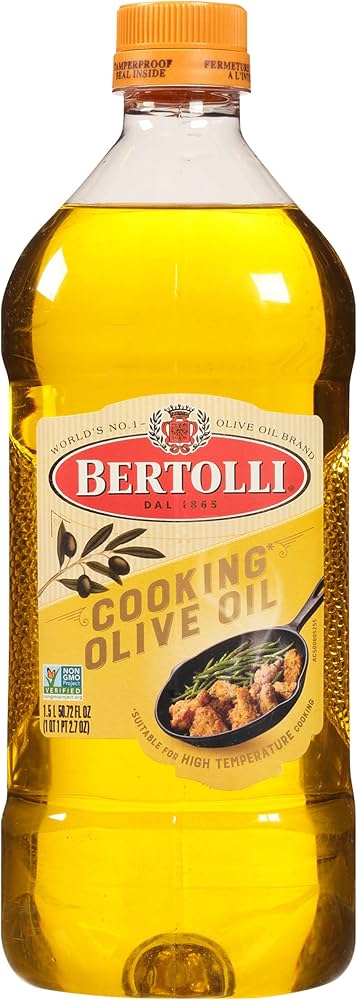
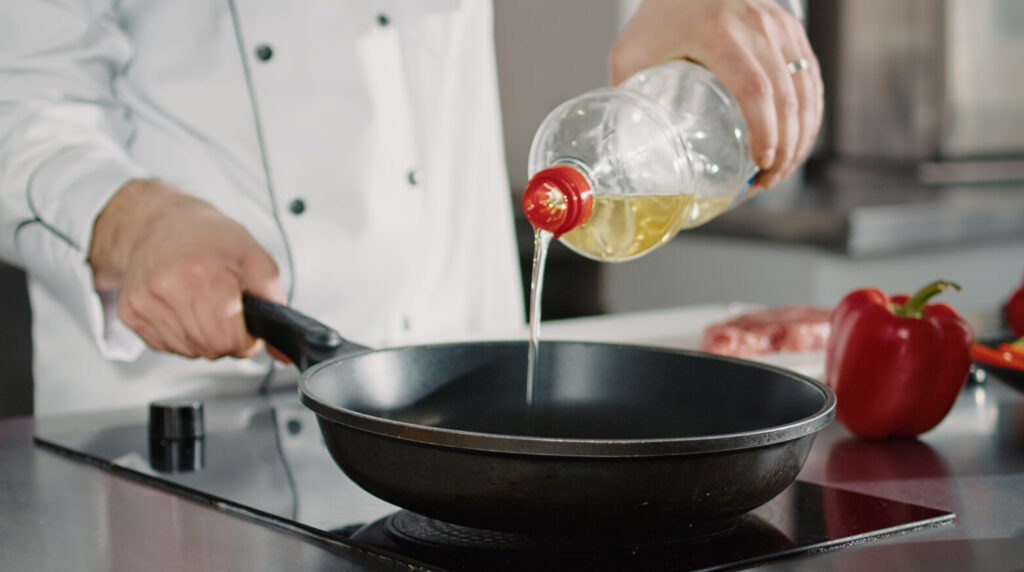
Pure olive oil must be produced solely from olives and not mixed with any other type of oil. It may be the product of a second pressing, and typically is refined by heating (but not with chemicals). It has a golden color, a lighter mouthfeel than extra-virgin oil, and may have a higher acidity level. Its flavor, although recognizable as olive oil, is mild. Due to the nature of its processing, it costs significantly less than extra-virgin oils. Pure olive oil is good for making vinaigrette dressings, especially when you want the flavor of the vinegar and other seasonings to dominate. Its lighter mouthfeel makes it appropriate for delicate salad greens. The other important use for pure olive oil is sautéing, which is why it sometimes is labeled “cooking olive oil.” Having a smoke point up to 470°F, it can withstand searing and it has no complex flavor to lose. Pure olive oil is widely available in supermarkets; Bertolli makes a good product. I keep pure olive oil in a squeeze bottle, making it easy to use when sautéing.
Seed Oils
Recently this broad category of oils has become the subject of controversy about health risks. The general process for seed oil production involves mechanical crushing, chemical extraction of the oil, and then refining, which includes degumming, acid neutralization, bleaching, heat deodorization, and filtering. Such industrial origins place seed oils firmly in the category of ultra-processed foods, which some nutritional health experts advise us to avoid. Yet others disagree, saying that the benefits of seed oils outweigh the disadvantages. Until more conclusive evidence comes to light, the informed use of seed oils in cooking is warranted: sometimes you need a flavor-neutral oil for non-European cuisines, or you need a frying oil with a high smoke point.
Canola Oil
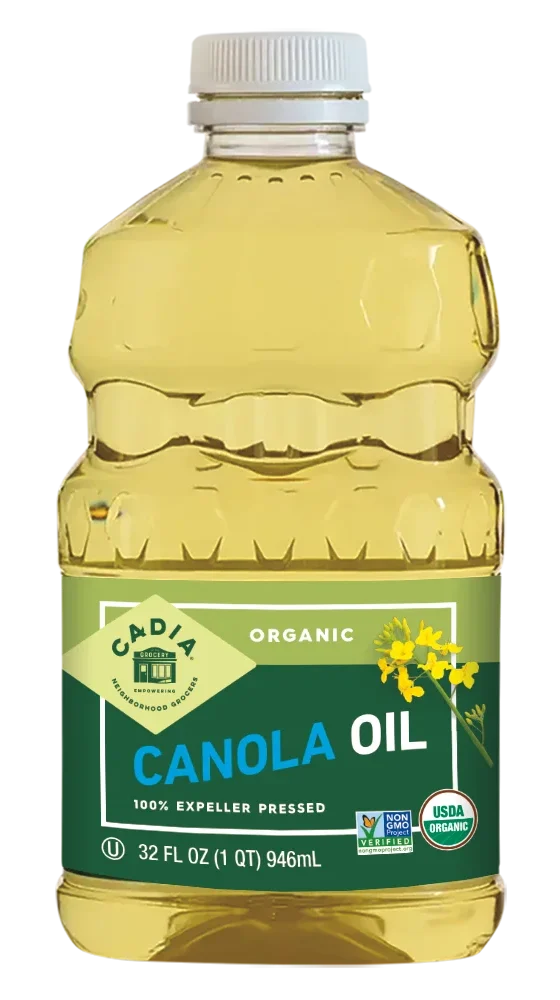
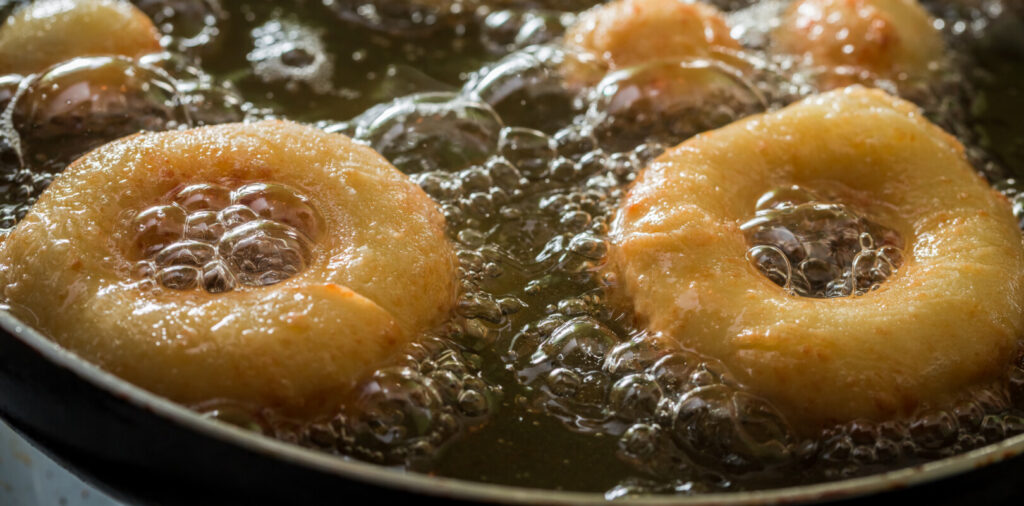
Canola oil is pressed from the canola seed, a selectively-bred cultivar developed from the rapeseed plant by Canadian plant scientists in the 1960s. (The name “canola” is a portmanteau of “Canada” and “ola,” a suffix referring to oil.) The object of this plant-breeding effort was to remove two undesirable elements, erucic acid and glucosinolates, which were recognized as unhealthful. In the 21st century, the canola plant was genetically modified for herbicide resistance, but this does not affect the plant seed. Many food health experts believe that, of the many available highly-processed seed oils, canola oil is the safest. I use canola oil for high-heat sautéing, pan-frying, and deep-frying, as well as for some vinaigrette dressings. I keep a squeeze bottle of canola oil handy for convenience when sautéing.
Peanut Oil
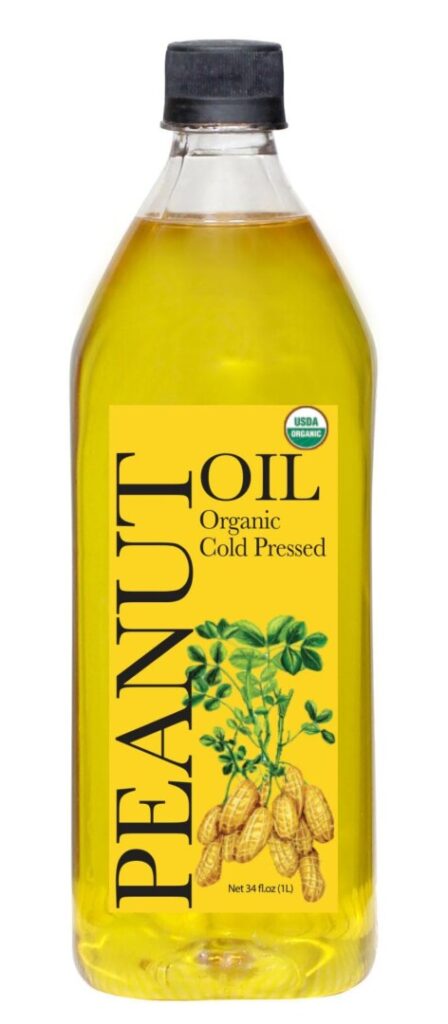
Per the name, peanut oil is extracted from peanuts, which are not actually nuts but, rather, a type of legume. There are two main types, categorized by processing procedure. Standard peanut oil is produced using the general seed oil extraction process described earlier. A more natural product, cold-pressed unrefined peanut oil is considered more healthful. https://amzn.to/3CggKPB Peanut oil has a high smoke point, making it good for sautéing and deep-frying. Since peanuts were introduced to China in as early as the 17th century, its oil has become standard for Asian cooking. I primarily use it in stir-fried dishes, where its distinctive flavor stands out. Storing some in a squeeze bottle makes stir-frying easier. Keep in mind that peanuts are one of the most common food allergens in North America; many people need to avoid eating foods made with peanut oil.
Tree Nut Oils
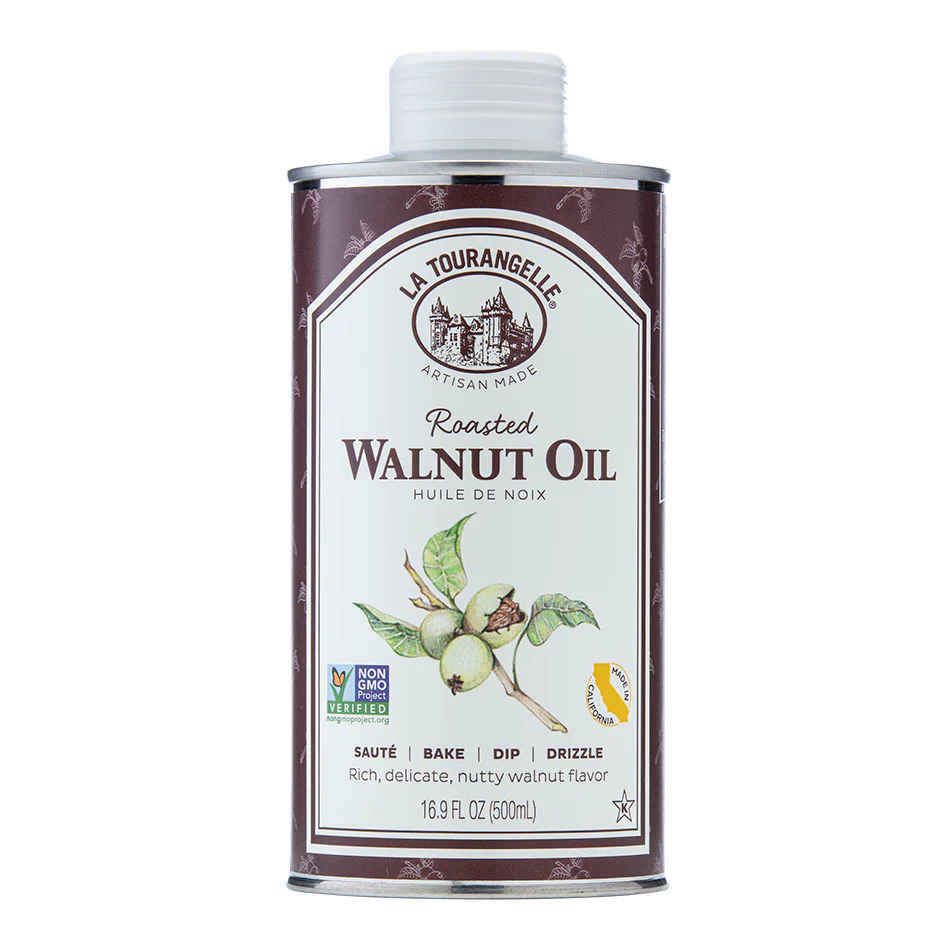
Unrefined oils cold-pressed from walnuts, almonds, hazelnuts and other tree nuts are used primarily in vinaigrette dressings and as finishing oils added to dishes at the end of cooking, and should not be heated past warm. They add both richness and a distinctive nutty flavor to salads, pastas, and sauces. These expensive products are highly perishable; buy them in small quantities and keep refrigerated until needed. When purchasing nut oils, read labels carefully to ensure you are not buying “nut-flavored” oils comprised of cheaper olive oil or seed oil blended with small amounts of nut oil. La Tourangelle brand offers a good selection of pure nut oils. https://amzn.to/4h4naAi Be aware of nut allergies when using them.
Rendered Animal Fats
Domestic food animals are raised to provide not only meat, but also fat. Since the dawn of animal husbandry, humans have been using animal fat for eating and cooking, especially in areas of the world without plants that can produce oils. The fat in an animal carcass is in solid form. Fat found within the animal’s muscles is called marbling; it appears as thin lines throughout the meat, looking like the veins in a slab of marble. When the meat is cooked, the fat marbling melts slightly, making the meat “eat” more tender, and giving it a rich, juicy mouthfeel. The majority of solid fat in animal carcasses is external to the meat: relatively thick layers located between the meat and the skin, between muscle bundles, or acting as a “cushion” around vital organs. If you’ve eaten the delicious, crispy-brown fat on the edge of a grilled pork chop or on the top of a beef rib roast, you’ve tasted external fat. In order to use animal fat as a cooking medium, it must be rendered. Rendering simply means extracting liquid fat out of solid fat. If you’ve ever fried bacon, you’ve rendered fat.
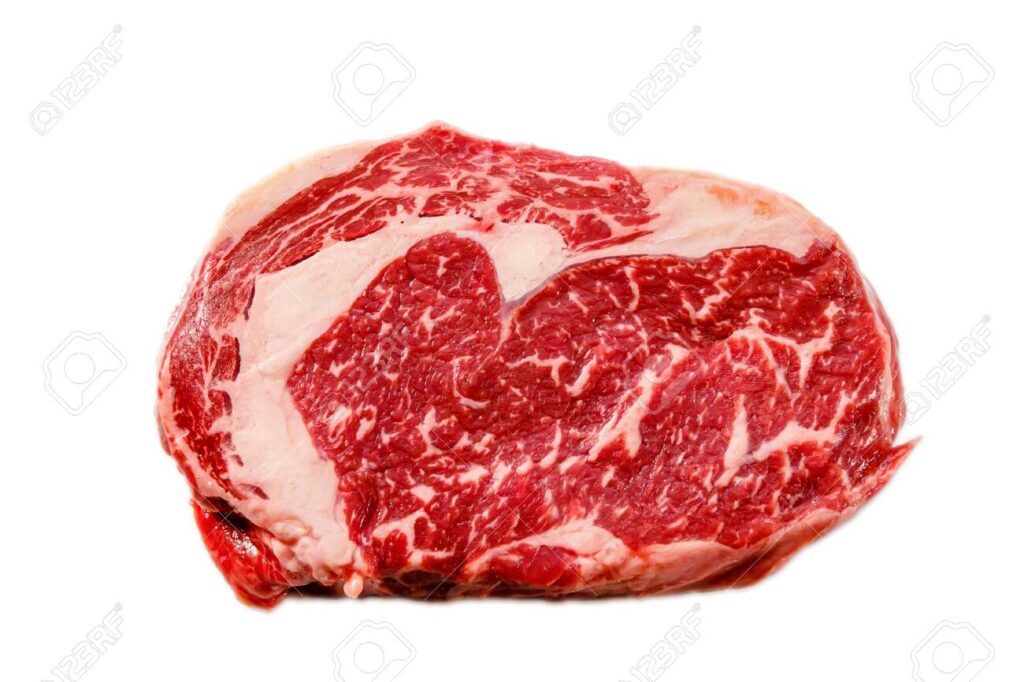
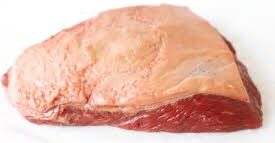
exterior fat cap
The rendering process begins with removing any skin from the fat and cutting it into small pieces (or grinding it). The fat is then placed in a heavy pan (with a little water to prevent scorching), placed over low heat or in a low oven, and allowed to melt slowly for several hours. Most of the fat liquifies into a translucent fluid, leaving behind a small amount of fat solids, called cracklings. (If you make your own lard or poultry fat, you know that crispy cracklings are delicious sprinkled onto salads or baked into cornbread.) During the rendering process, the water evaporates. When the resulting fluid fat is cooled and then chilled, it becomes firm, with a texture similar to butter, and acquires a color ranging from white, to ivory, tan, or yellow depending on the type of animal. Products derived from fat rendering have various names:
- pork lard: ivory or tan semi-solid fat derived from hog back fat; has a distinct, “porky” flavor
- pork leaf lard: white or off-white semi-solid fat derived from the fat surrounding the hog’s kidneys and loin meat; mild to no pork flavor; used as a baking fat to create excellent flaky or shortbread mouthfeel
- rendered poultry fat: yellowish semi-solid fat from chickens, ducks, or geese; has a savory poultry flavor (this fat is called schmaltz in Yiddish)
- beef tallow: ivory semi-solid fat from beef cattle; imparts a subtle meaty flavor to fried foods
Industrially-processed rendered animal fats are subjected to some or all of the processes described for seed oils. Containing multiple artificial and chemical ingredients, these should be avoided. Artisan rendered animal fats are processed with heat alone, as described above. They’re a natural product with nutritional values similar to butter. Because they are relatively perishable, they should be kept frozen until needed.
Traditionally-rendered semi-solid fats, especially those derived from naturally-raised, grass-fed or woodland-forage animals, are a healthful source of dietary fat that has been part of the human diet for millennia. They’re also delicious.
Artisan Pork Lard
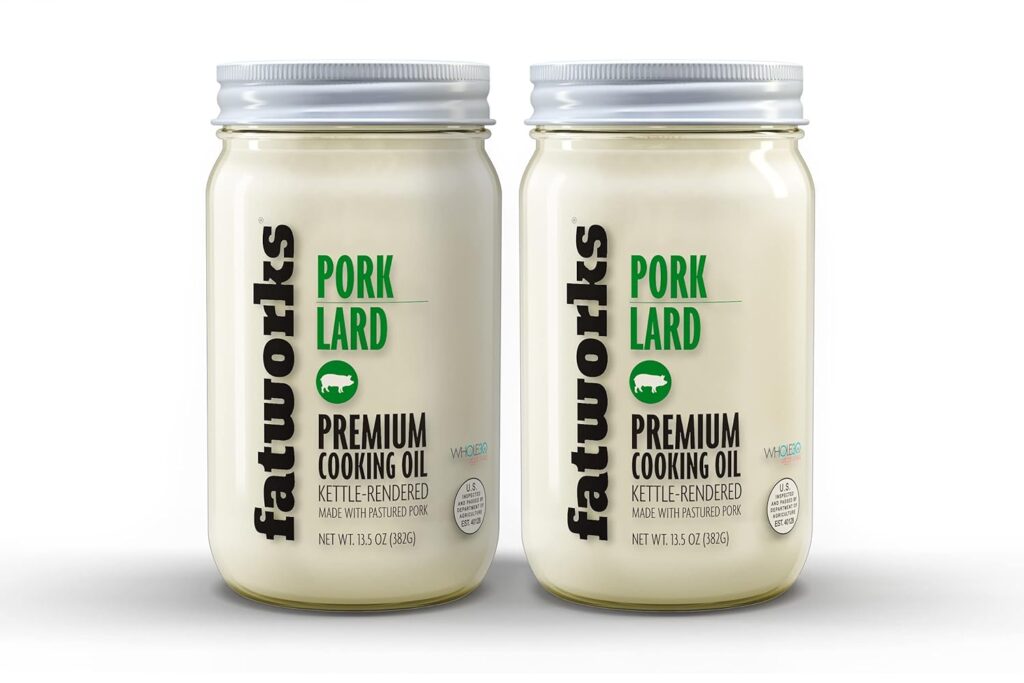
I’m fortunate to have a local butcher shop that slaughters and fabricates steers and hogs raised in the surrounding countryside. They produce high-quality natural pork lard with delicious flavor and excellent mouthfeel. I use pork lard in Mexican, Germanic, and American Southern cuisines for authentic flavor. If you don’t have a local source for pork lard, you can purchase it online from artisan producers. Fatworks produces a high-quality pure pork lard. https://amzn.to/4hfXjVV Do not buy industrially-produced supermarket lard.
Artisan Duck Fat
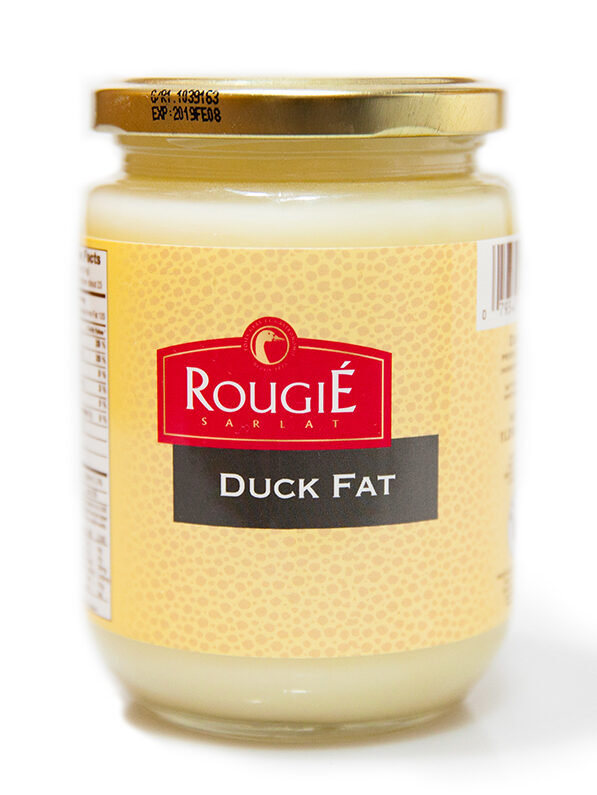
Some higher-end supermarkets now stock rendered duck fat, usually imported from France. D’Artagnan brand is a good domestic product available at a reasonable price. Both domestic and imported duck fat is available online. Rougié brand from France is excellent. https://amzn.to/4j7jL5H
Bacon Drippings
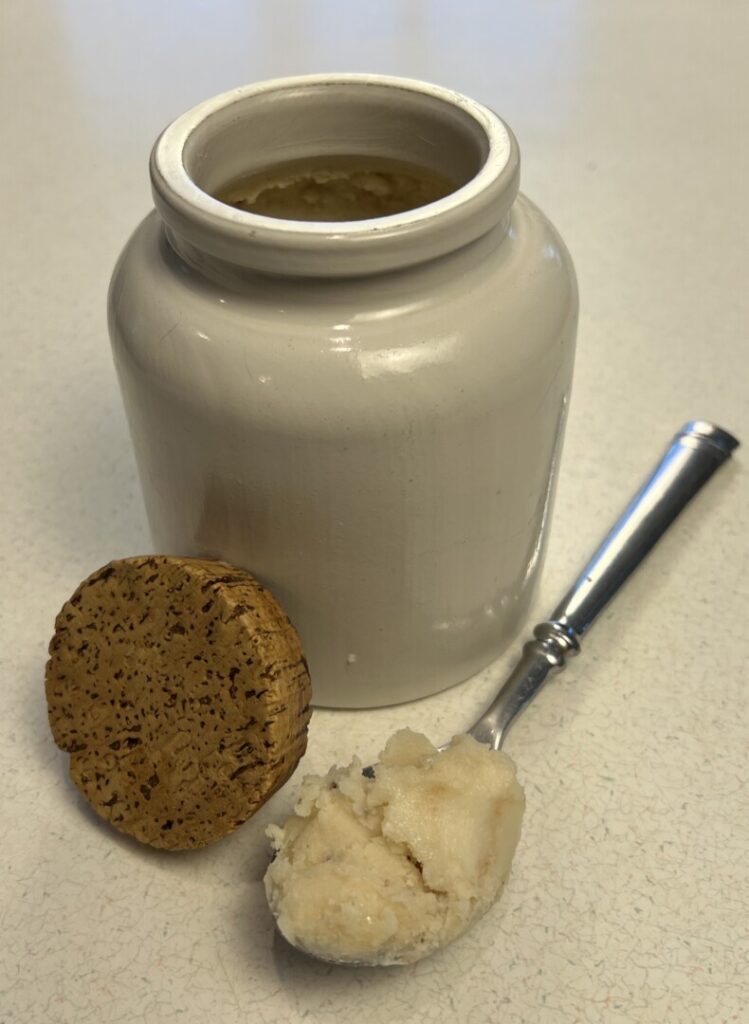
In my kitchen, as throughout the American South, there’s a crock of bacon drippings in the ‘fridge, ready to use for frying eggs, making home fries, and starting down-home sauces and gravies. Rendered fat from quality, artisanally-produced bacon is a delicious frying medium, lending its smoky, porky flavor to whatever you cook in it. And it’s a free extra when you buy the bacon. So don’t pour bacon drippings down the drain or into the trash. Just be sure that when you cook the bacon you do so on low heat, so that the fat that renders out doesn’t overheat and taste scorchy. Cool it before refrigerating it in a glass jar or ceramic crock.
Match the Fat to the Cuisine
I wrote earlier that artisanally-produced fats have distinctive flavors. If you want to make authentic-tasting dishes from around the world, it’s essential to use the preferred culinary fat of the nation or region your recipe represents. Each cuisine has its own flavor profile, developed over generations using ingredients indigenous to the area. I confess that, when paging through cookbooks or browsing the internet, I cringe when I see Asian or American Southern recipes specifying olive oil. No matter how healthful you believe it to be, no matter how much of it you have in your pantry—that’s just not the right taste for what you’re making! East Asian dishes need peanut oil and Southern dishes need pork lard or bacon drippings. There’s also a religious/cultural component to this: it’s a bad idea to use pork lard in Middle Eastern cooking or beef tallow in recipes from the Indian Subcontinent. Aside from not tasting right, that would lack sensitivity to the culture the dish represents. The recipes on this site specify the traditional culinary fats of their origin. However, if you have your own health or cultural reasons not to use the fat of the region, then substitute a neutral-flavored oil instead.