

Your Cooking Lesson
Advice, explanation, and in-depth information to help you achieve recipe success.
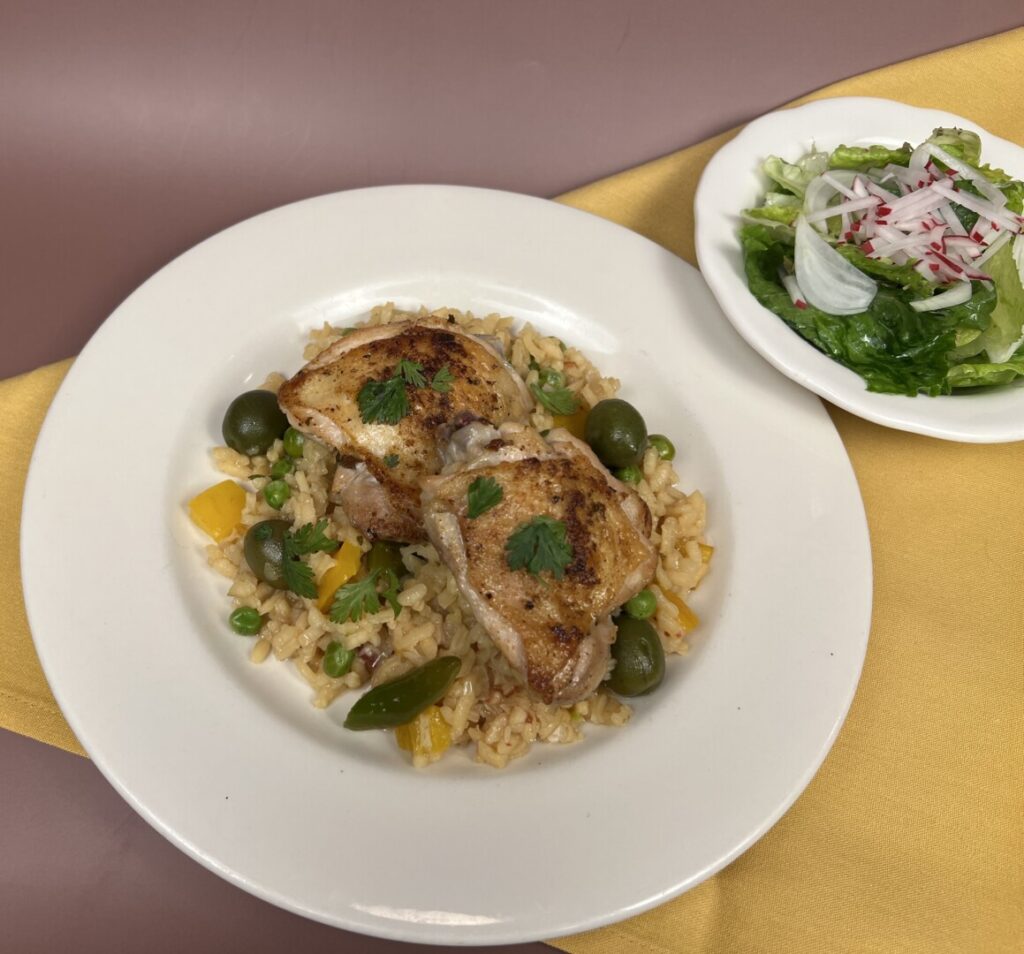
The classic Latin American dish Arroz con Pollo, or “rice with chicken,” is one of my favorite entrées—savory chicken cooked with fluffy, pilaf-style rice. So, naturally, I wanted to share my recipe with the PrepHoldCook community. But the long-grain rice customarily used for authentic Arroz con Pollo just doesn’t lend itself to prepping ahead. In my opinion, to achieve the correct texture it really has to be cooked from start to finish, and eaten immediately at the point of perfection. So how to present the lively Latin flavors of this iconic dish in our PrepHoldCook format? Add them to a rice dish that’s prep-ahead friendly!
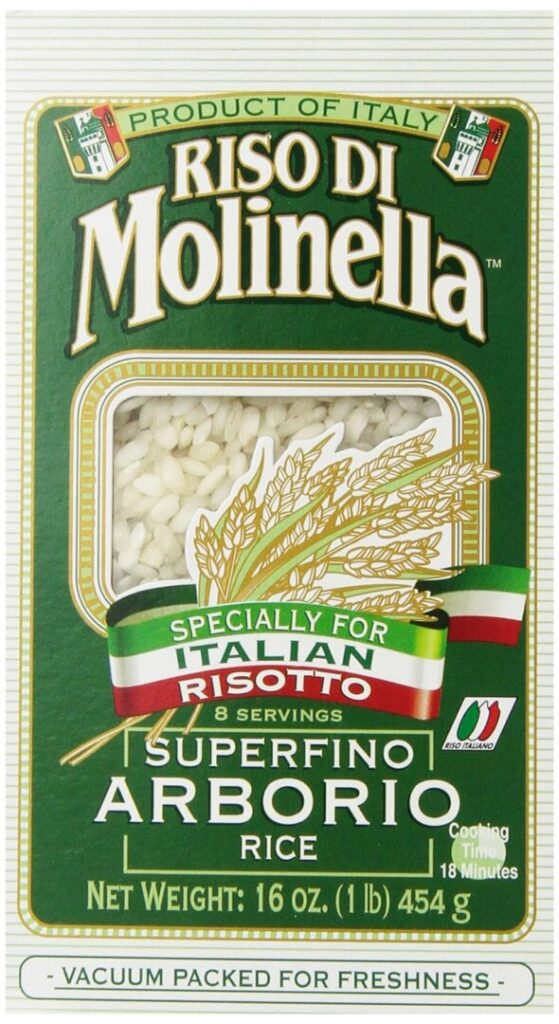
Italian risotto is a classic rice dish that uses long, slow, open-pan cooking with the liquid elements stirred into the rice in stages. It features arborio rice, a high-starch content variety that, when cooked as described, yields chewy rice grains surrounded by a thick, creamy-textured sauce. For best results, purchase a brand grown and packaged in Italy. https://amzn.to/427Gx7f Restaurant chefs working within a 15-minute turnout time limit have developed an ingenious way to serve risottos at their perfect texture by par-cooking the rice and then finishing it to order at service time. Being somewhat of a culinary purist, I’m not usually a fan of hybrid cuisines. But I tried combining authentic Arroz con Pollo ingredients with arborio rice and the risotto cooking method—and I think the result is a winner!
For this type recipe bone-in, skin-on chicken thighs are my preferred choice for moistness and best flavor. The first step is removing any excess skin, and then flavoring the chicken with a Latin-American-inspired seasoning rub. If you can find Mexican oregano, it adds a distinctive taste I think you’ll appreciate. https://amzn.to/4h9kFfX Seasoning meats and poultry ahead of time with salt and spices effects a slight “cure”: the salt and other flavorings penetrate into the flesh through the process of osmosis, making the meat tasty throughout. A 24-hour refrigerated curing time adds lots of flavor, but longer is better: up to 5 days.
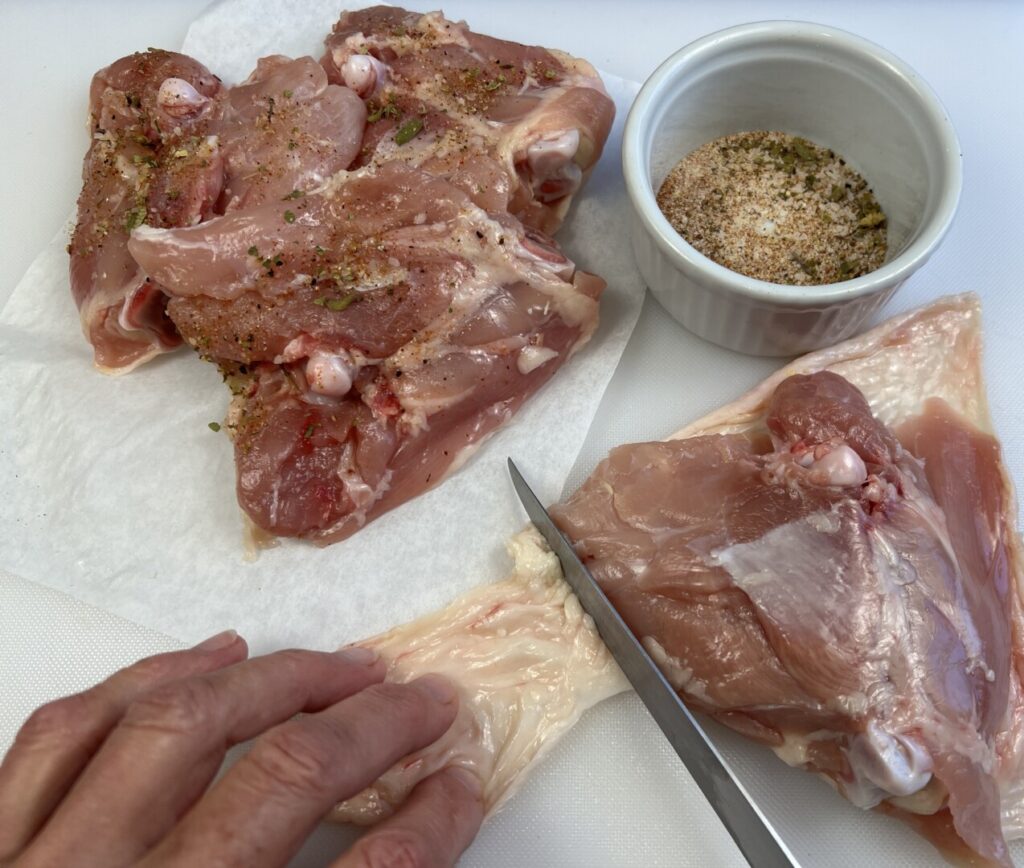
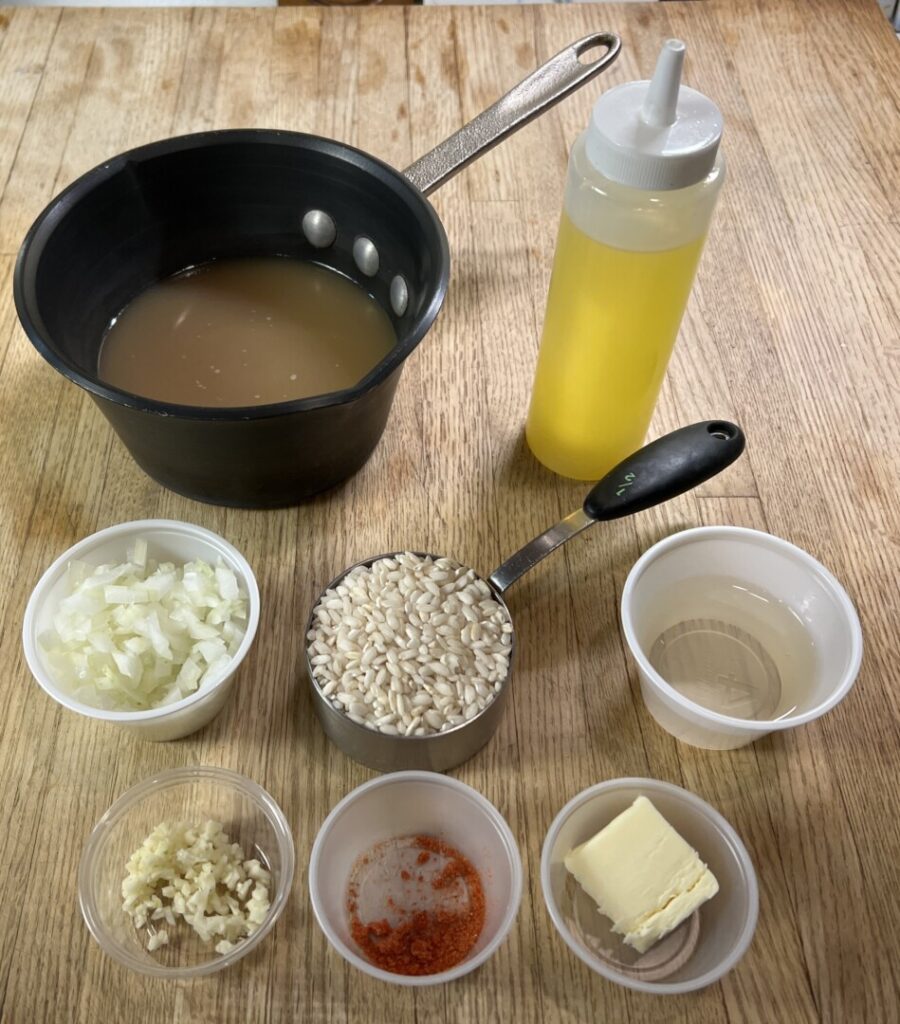
Now you’re ready to par-cook the risotto. Here’s the mise-en-place at your stove.
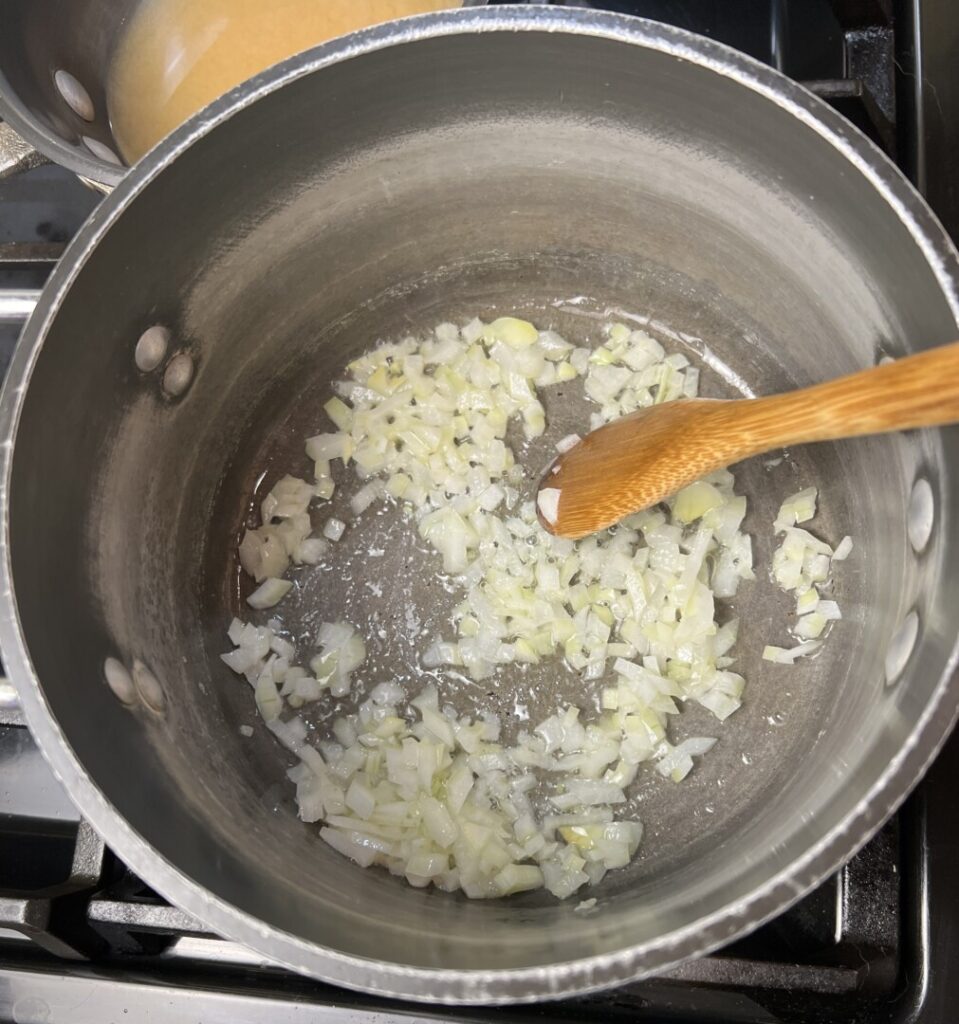
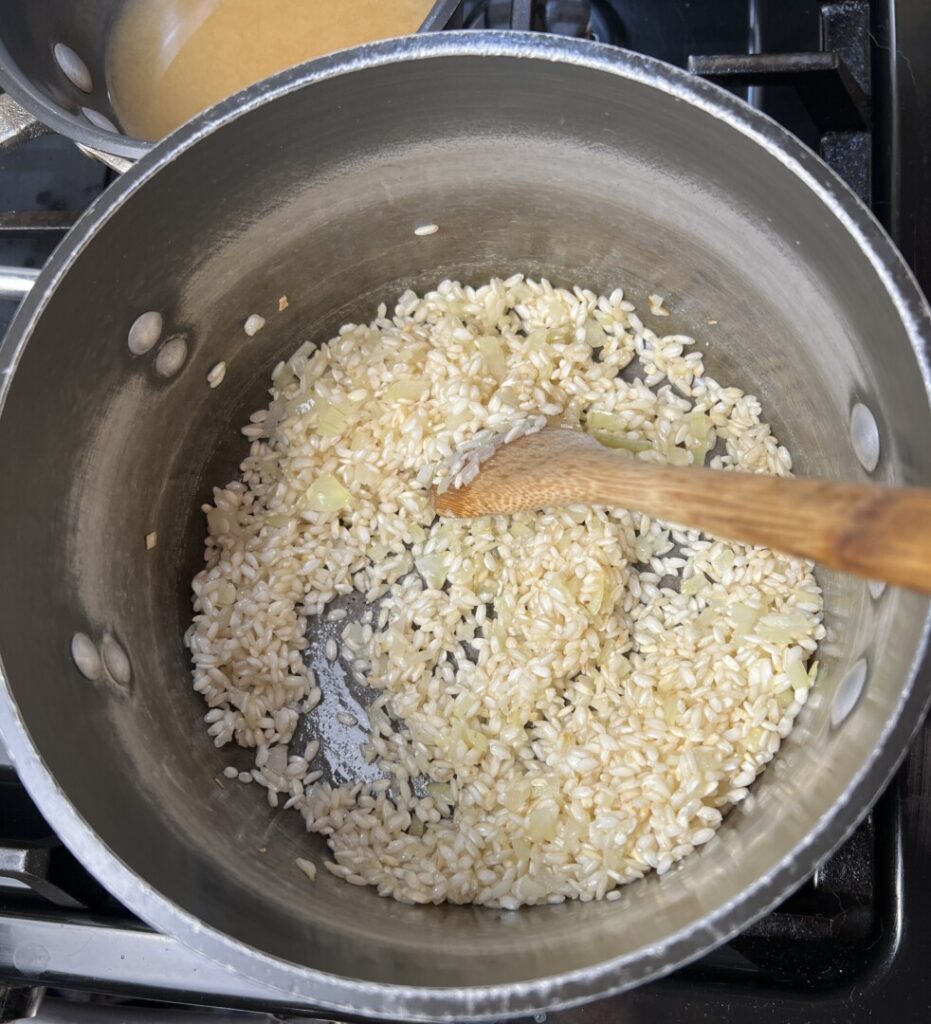
The risotto cooking method begins by sautéing aromatic vegetables in butter and/or oil. Then the rice is added and sautéed along with them. The main purpose of sautéing the raw rice grains is to break down and begin to release the rice’s starch content. Releasing the starch allows the grains to absorb the liquids that will be added to them. Sautéing also lends a slightly nutty, toasty flavor to the finished dish. Watch carefully when sautéing the rice; don’t let it brown or scorch, or your dish will have a bitter taste. During this process, you’ll diverge from classic Italian cooking to add some Latin flair.
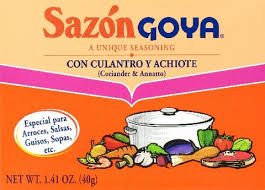
Goya brand Sazón con Culantro y Achiote is a seasoning blend widely used throughout Latin America. Culantro is an herb of Latin-American origin, with a flavor somewhat similar to cilantro. Achiote, also called annatto, is a South American spice that imparts a distinctive, slightly bitter flavor and a bright yellow color to foods. Used in moderation, Sazón seasonings give your dishes some real Latin soul. https://amzn.to/3DMW4zg
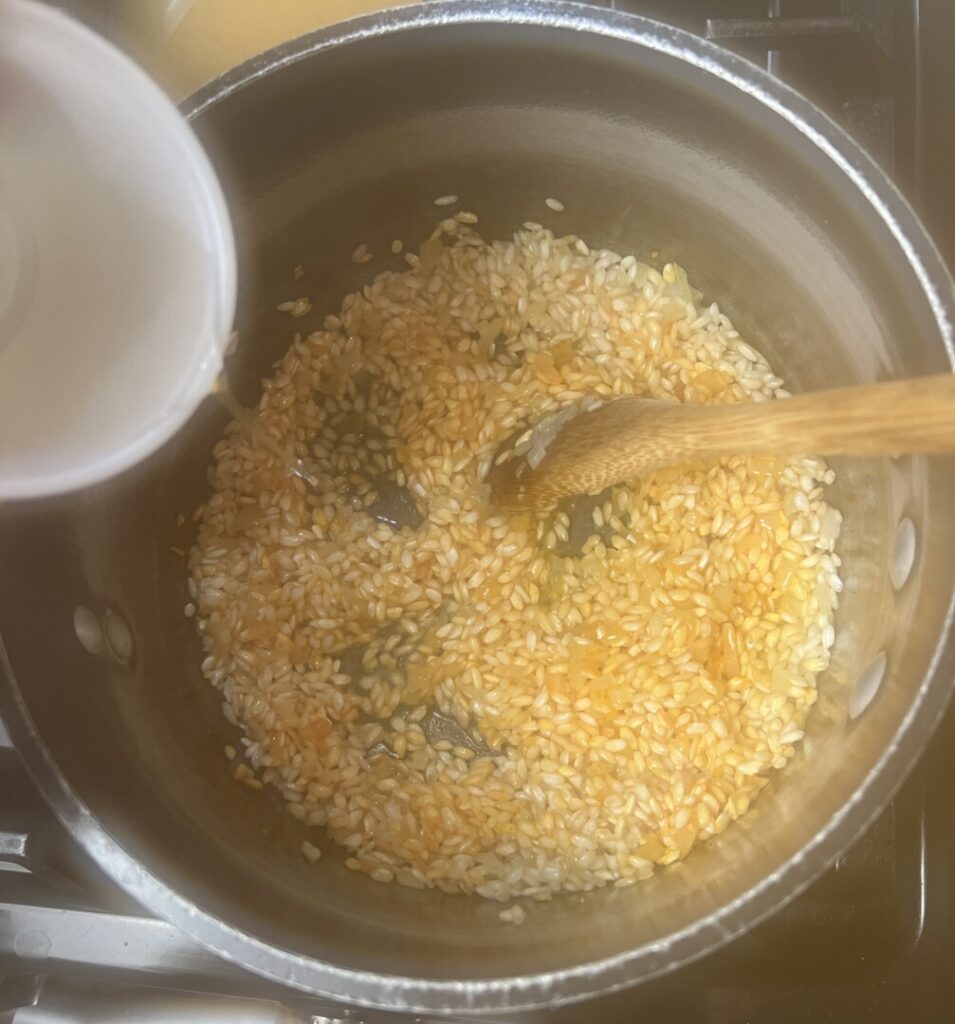
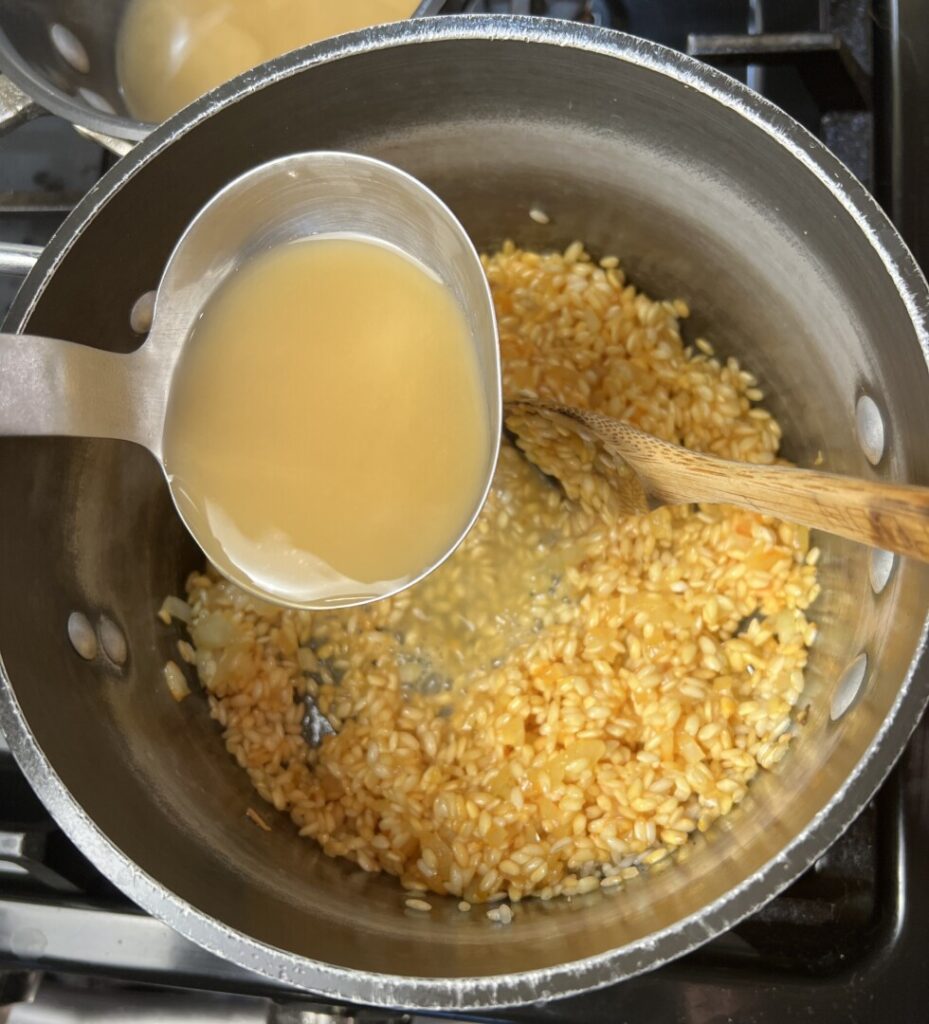
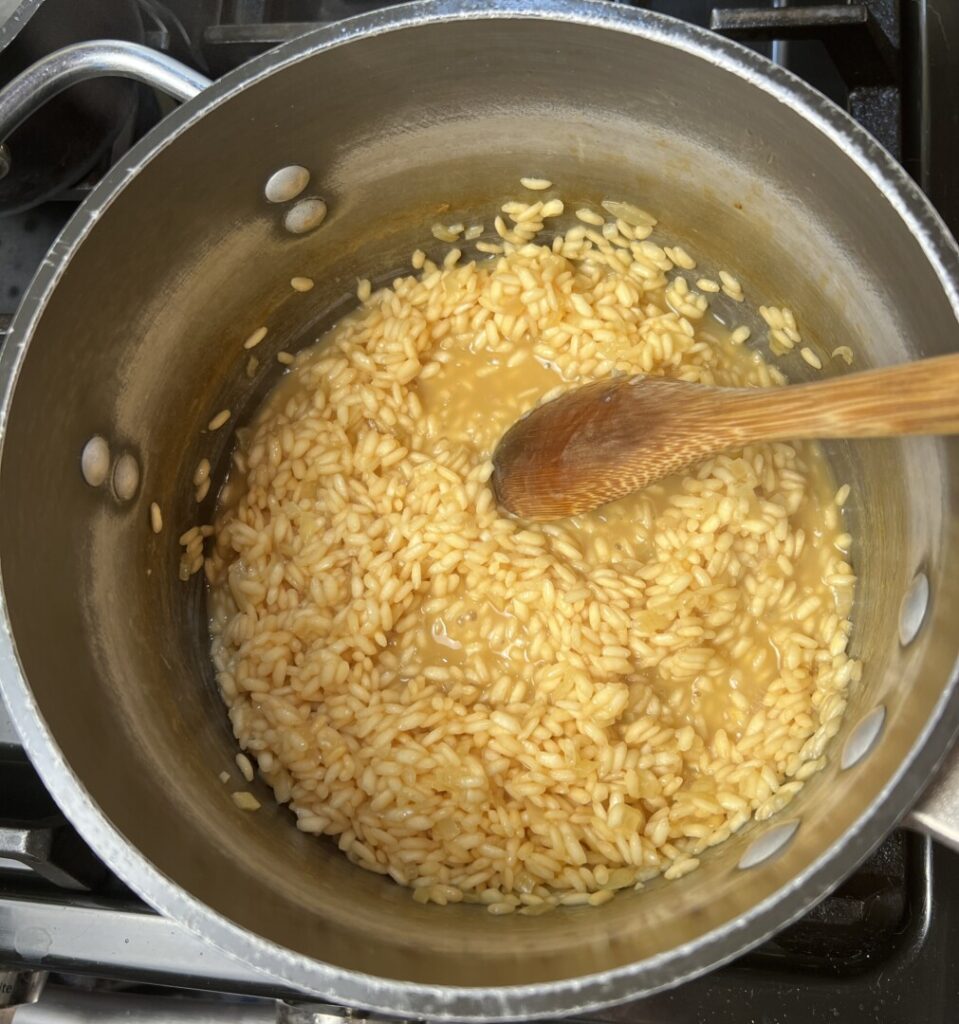
Once the rice grains are toasted, wine is the first liquid added to the pan. Its alcohol content helps deglaze the pan of starch, and its acidic flavor balances the richness of the butter and the cheese that will be added later. When hot stock is stirred into the pot of sautéed rice, the starches begin to release and start thickening the liquids around the rice, resulting in the characteristic sauce-like consistency for which risotto is known. The stock is added in stages: when the first ladleful absorbs, the next is added. Constant stirring further helps the starch to emerge and thicken the sauce. For the PrepHoldCook method, you’ll cook the rice approximately halfway between raw and done. At that point the rice will have absorbed enough liquid to soften a little, and swell slightly. When bitten, the rice grains will be very firm, but not hard and crunchy. Cooked to this stage, the rice can hold until your service time.
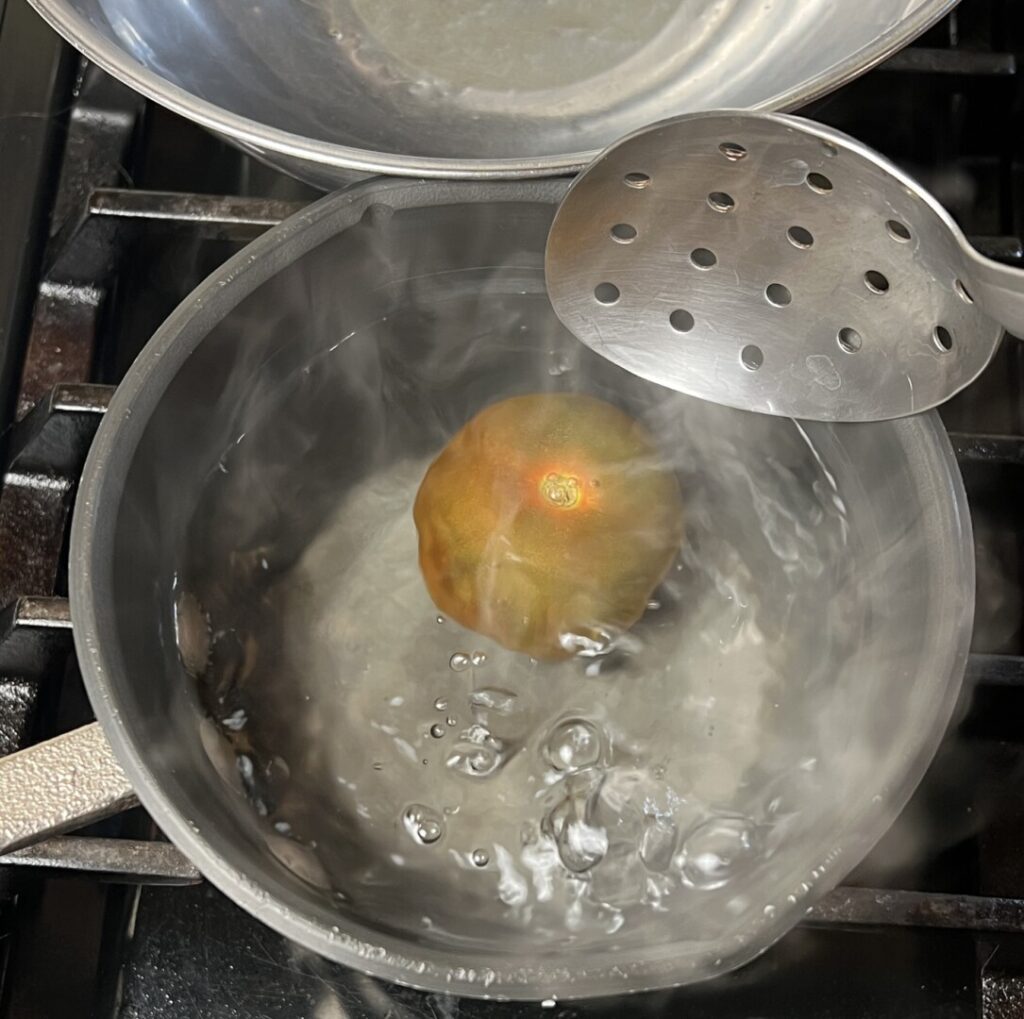
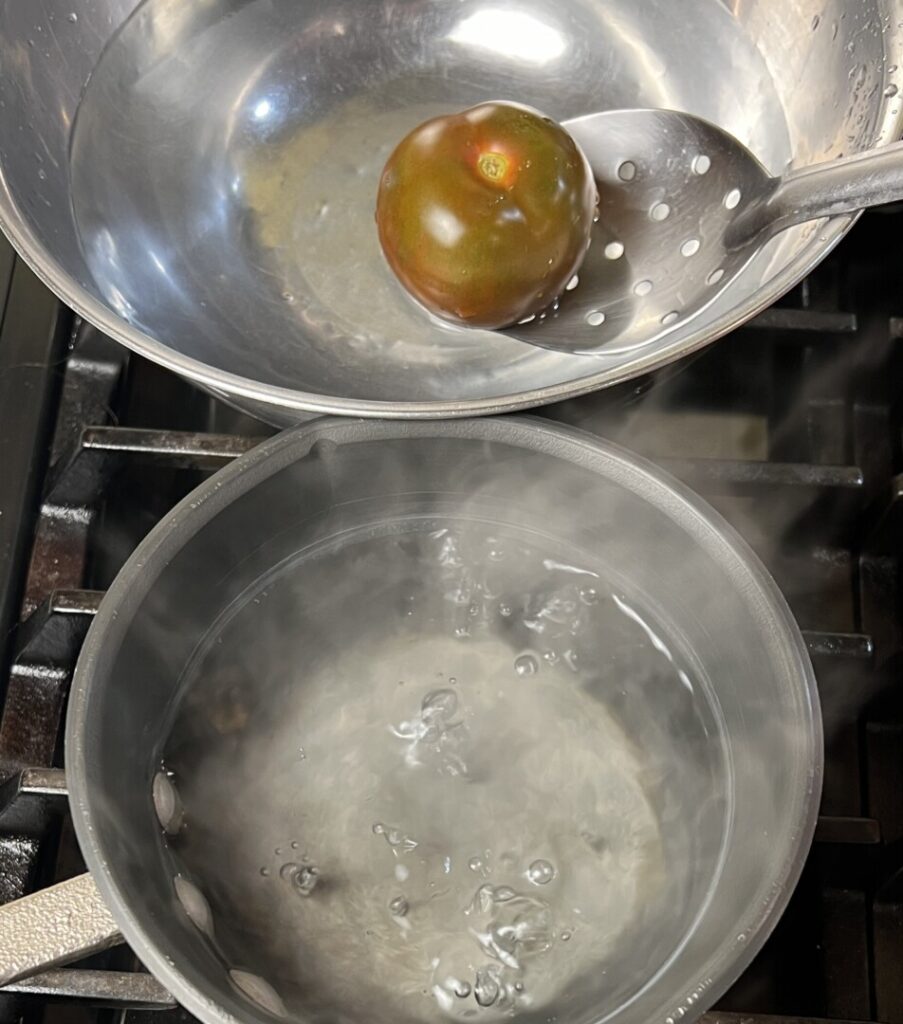
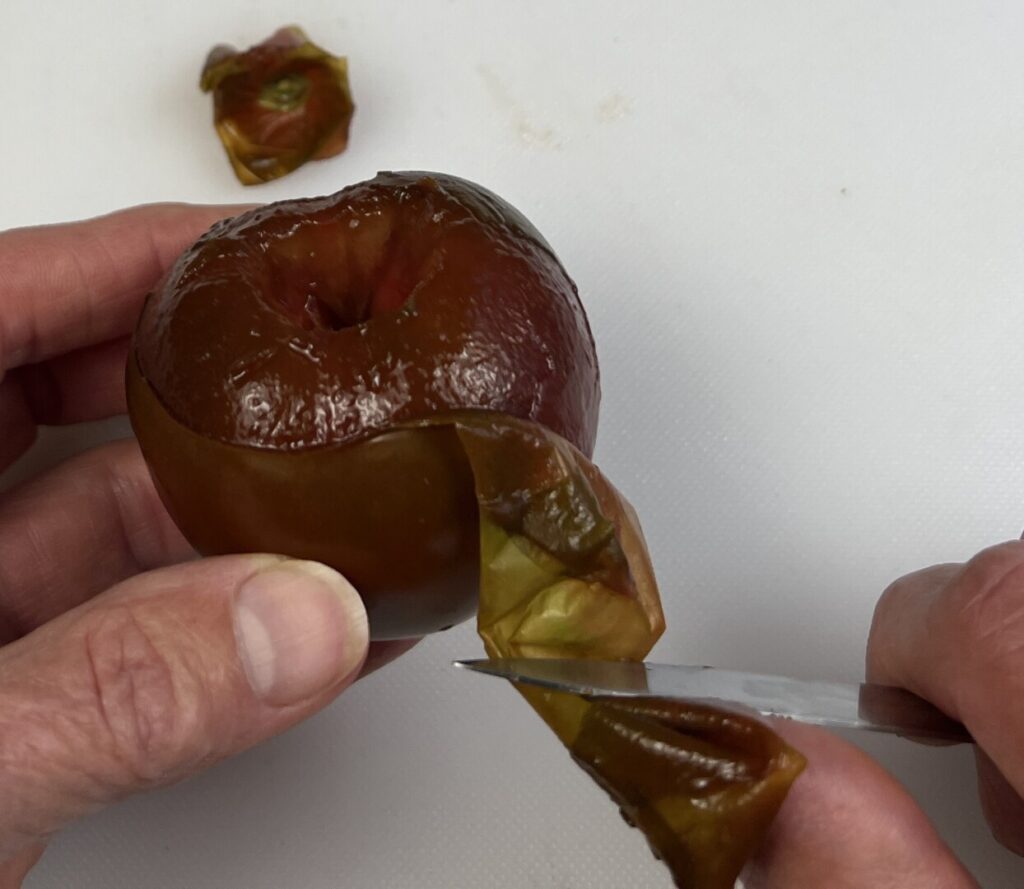
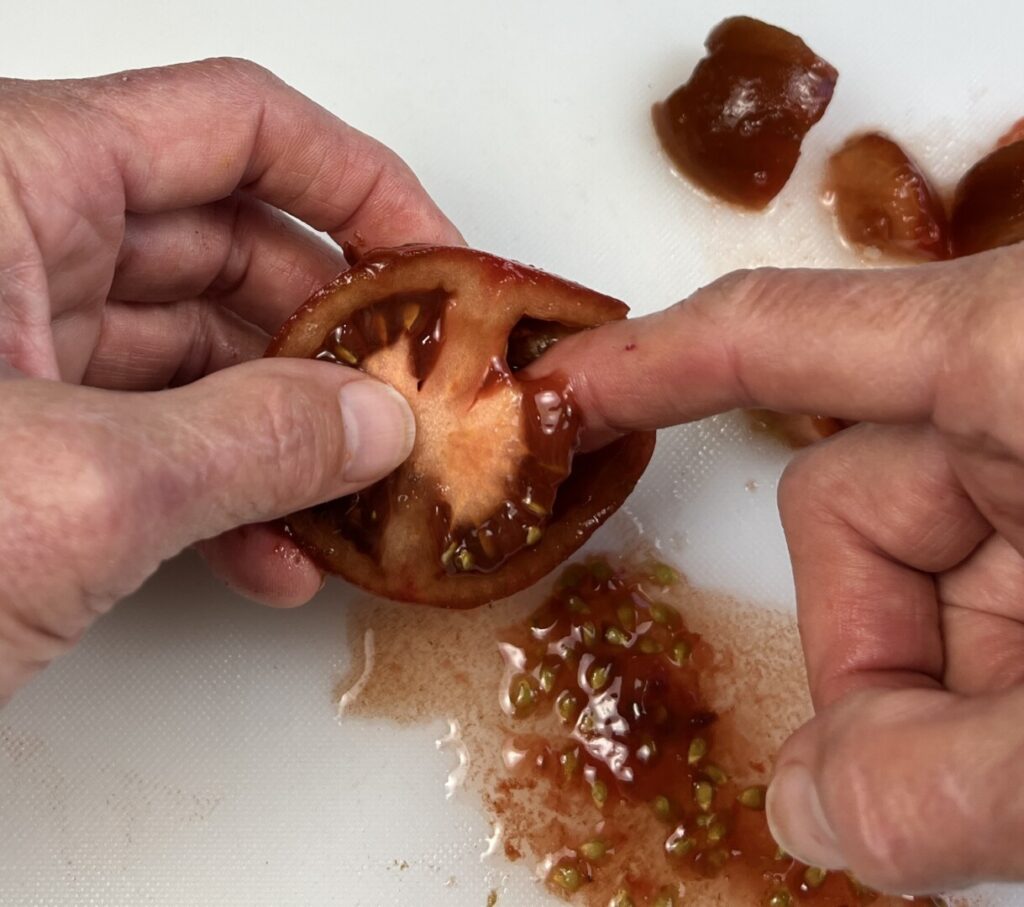
Add-in vegetables lend both color and Latin flavor to your risotto. Blanched, refreshed, peeled, and seeded tomatoes are fabricated into large chunks (and added at the end of cooking) so as not to melt into the hot rice.
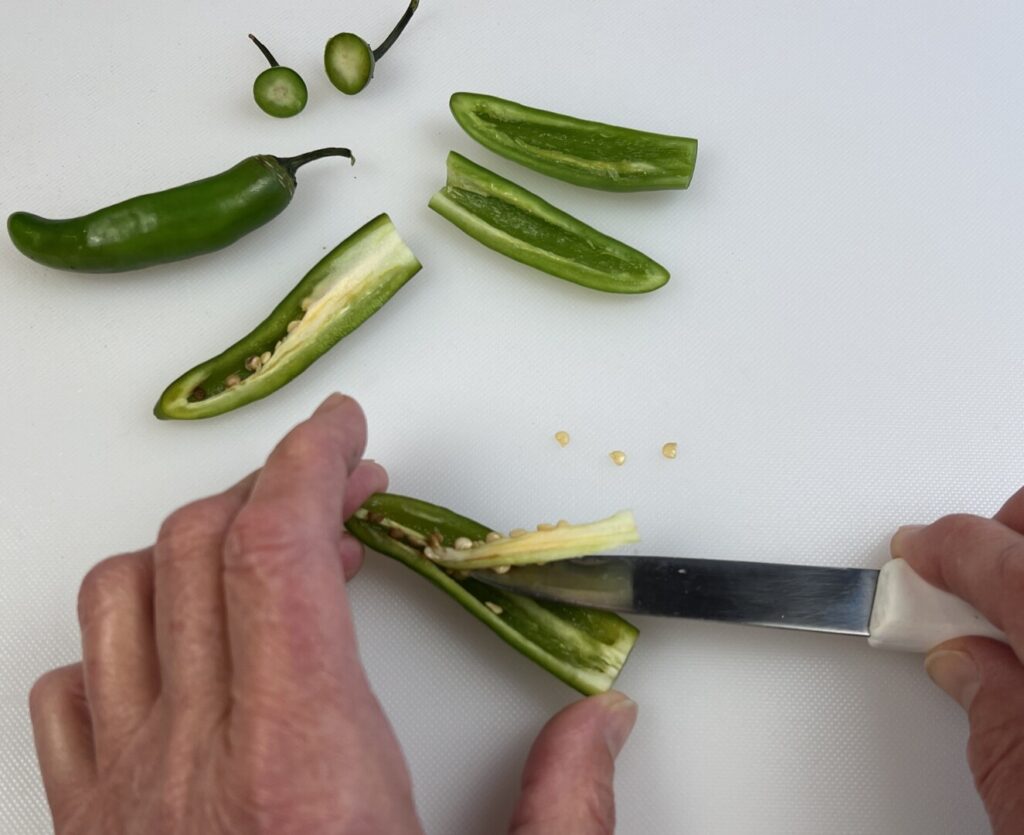
If you’d like a little heat in your dish, use the optional serrano chiles. Be sure to remove the seeds, which are unpleasantly hot and indigestible.
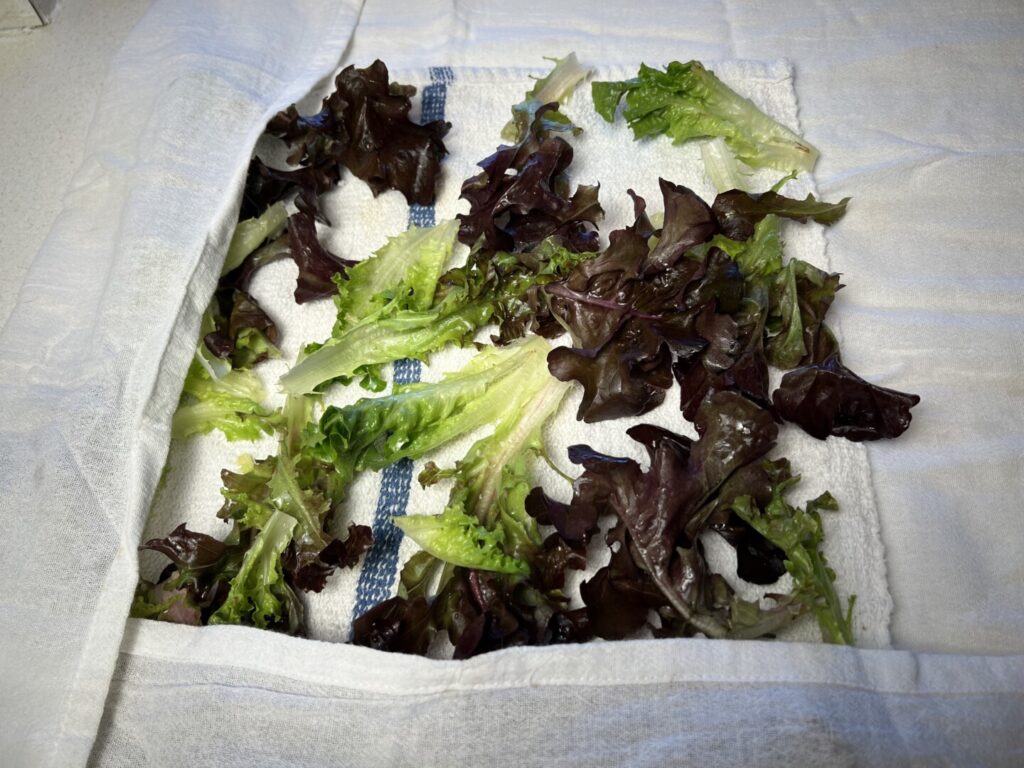
Salad greens are washed and and wrapped in clean kitchen towels to remove excess moisture. However, if left in the towels too long, they’ll wilt. Transfer them to a plastic bag lined with a paper towel for optimal holding. If necessary, make the Apple Cider Vinaigrette. https://prepholdcook.com/blog/apple-cider-vinaigrette/
Now your prep is complete! Here’s your mise tray:
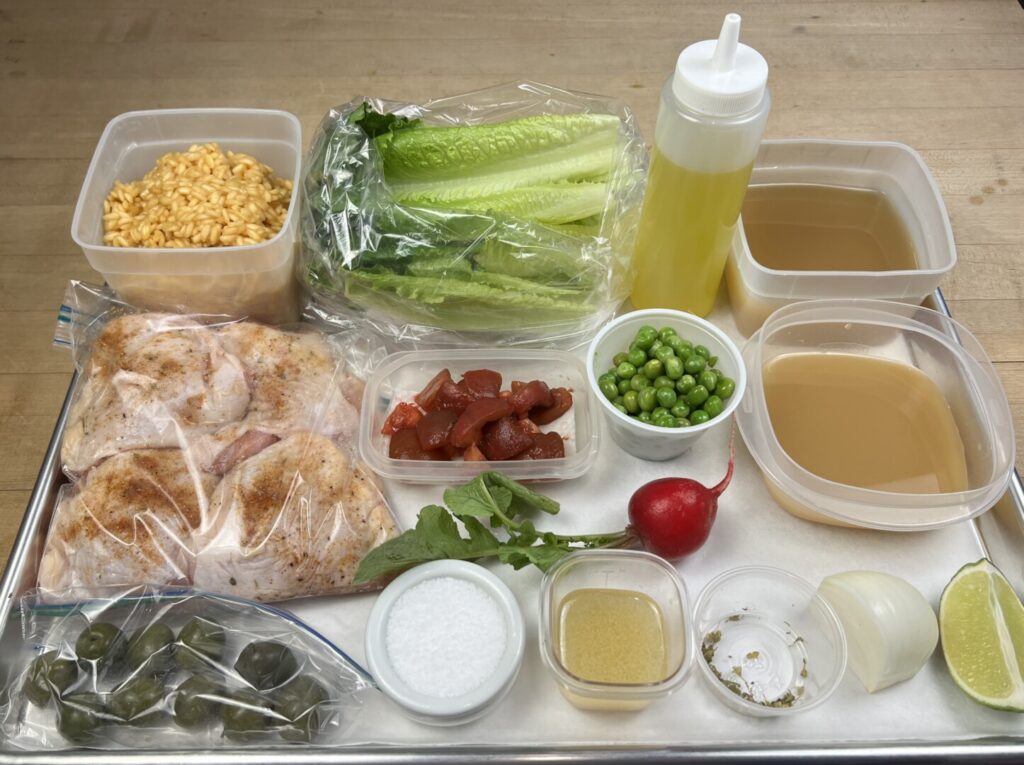
It’s dinnertime — let’s COOK!
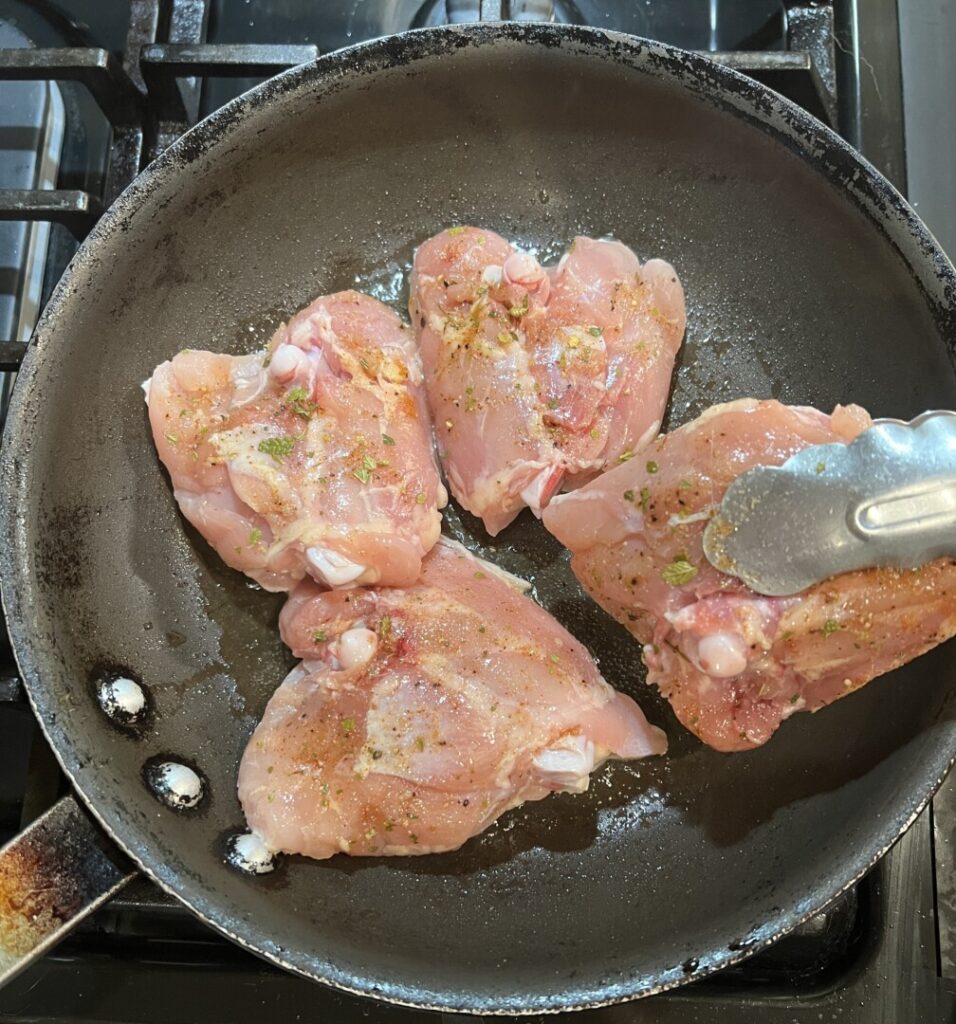
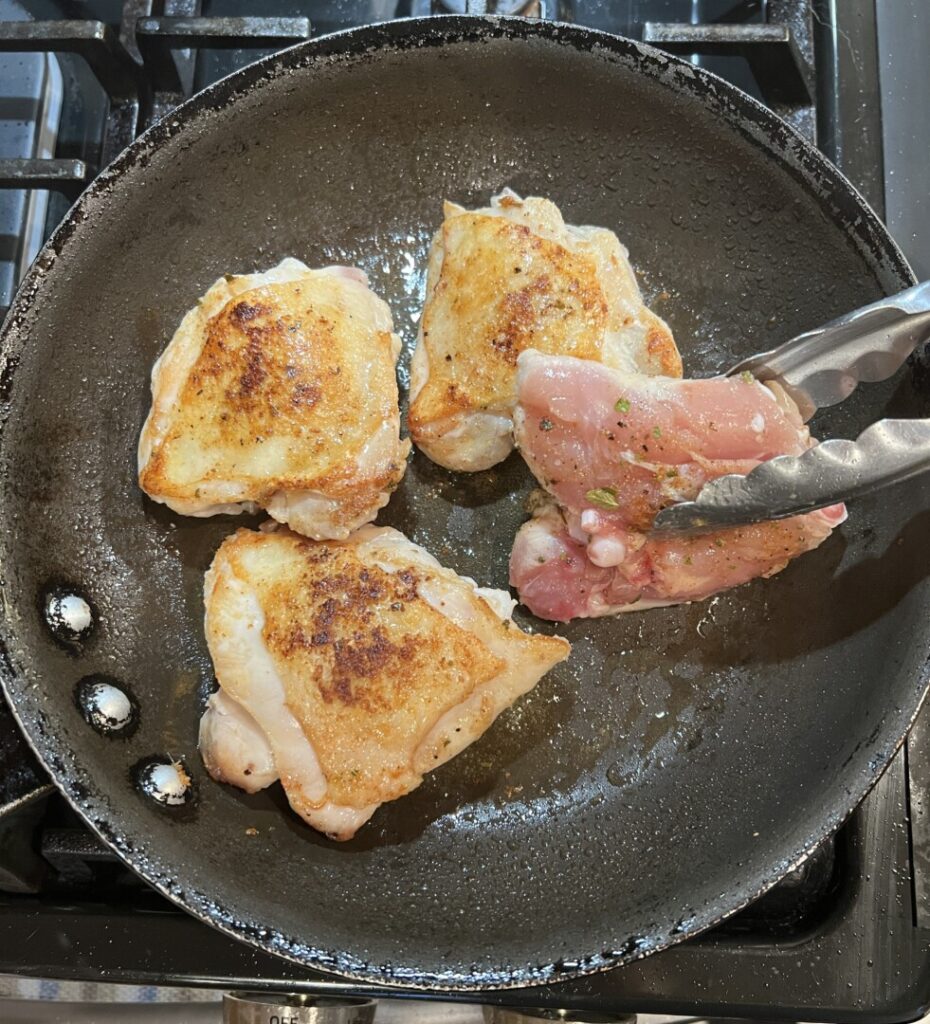
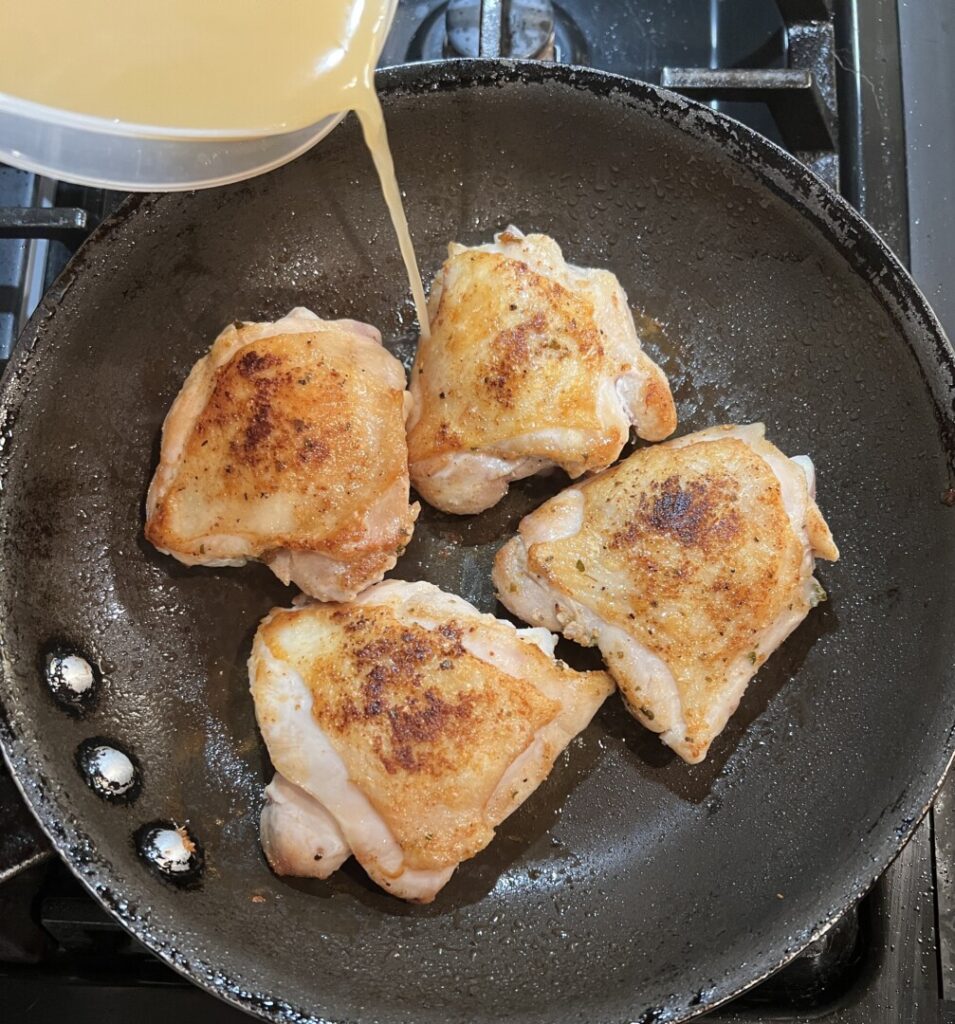
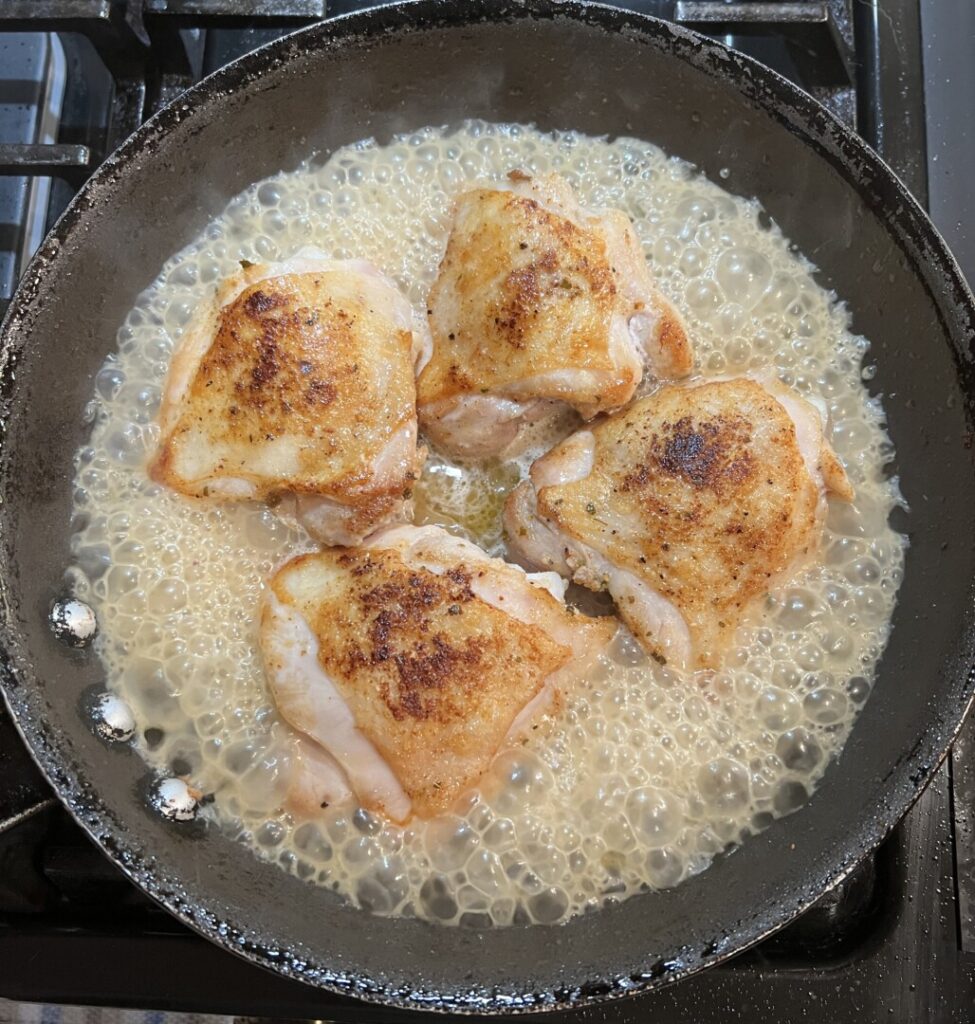
Your first step is to braise the chicken thighs. Braising is a combination cooking method that begins with sautéing and then proceeds with cooking in a small amount of liquid in a covered pan. What then transpires is poaching (the bottom of the food submerged in simmering liquid) and steaming (the top of the food in the vapor from the simmering liquid). But soft chicken skin isn’t palatable. So, for this dish you’ll modify the method and put the pan in the oven uncovered. The result is tender thigh meat with crispy, golden skin.
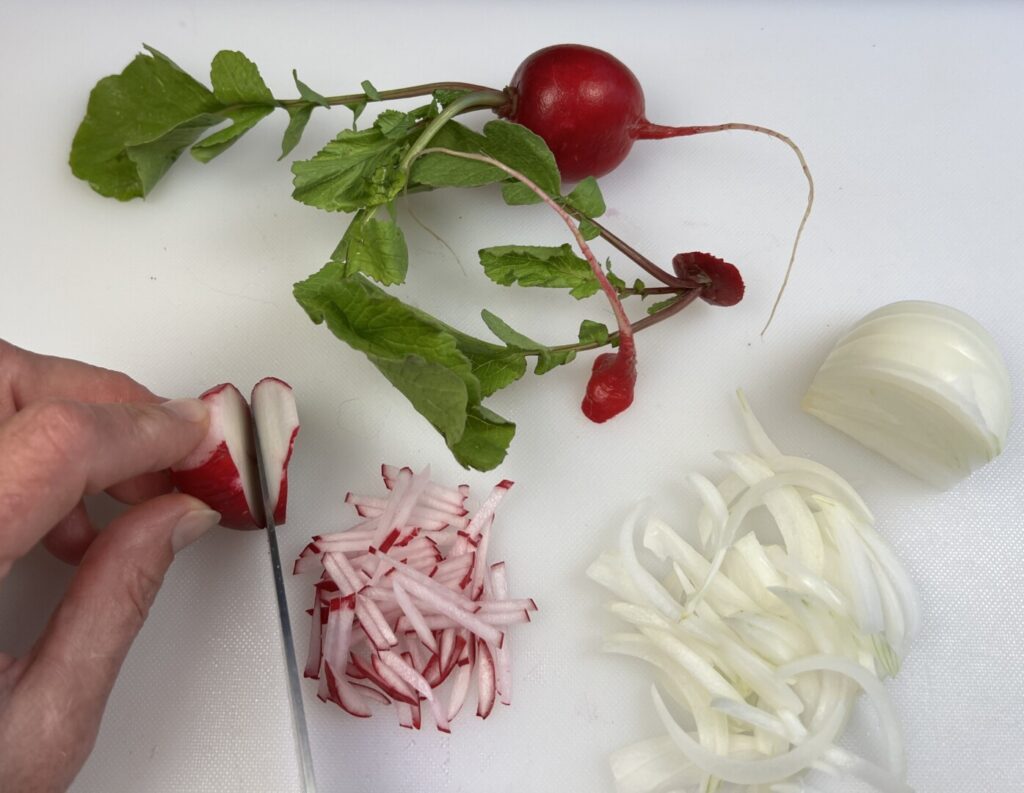
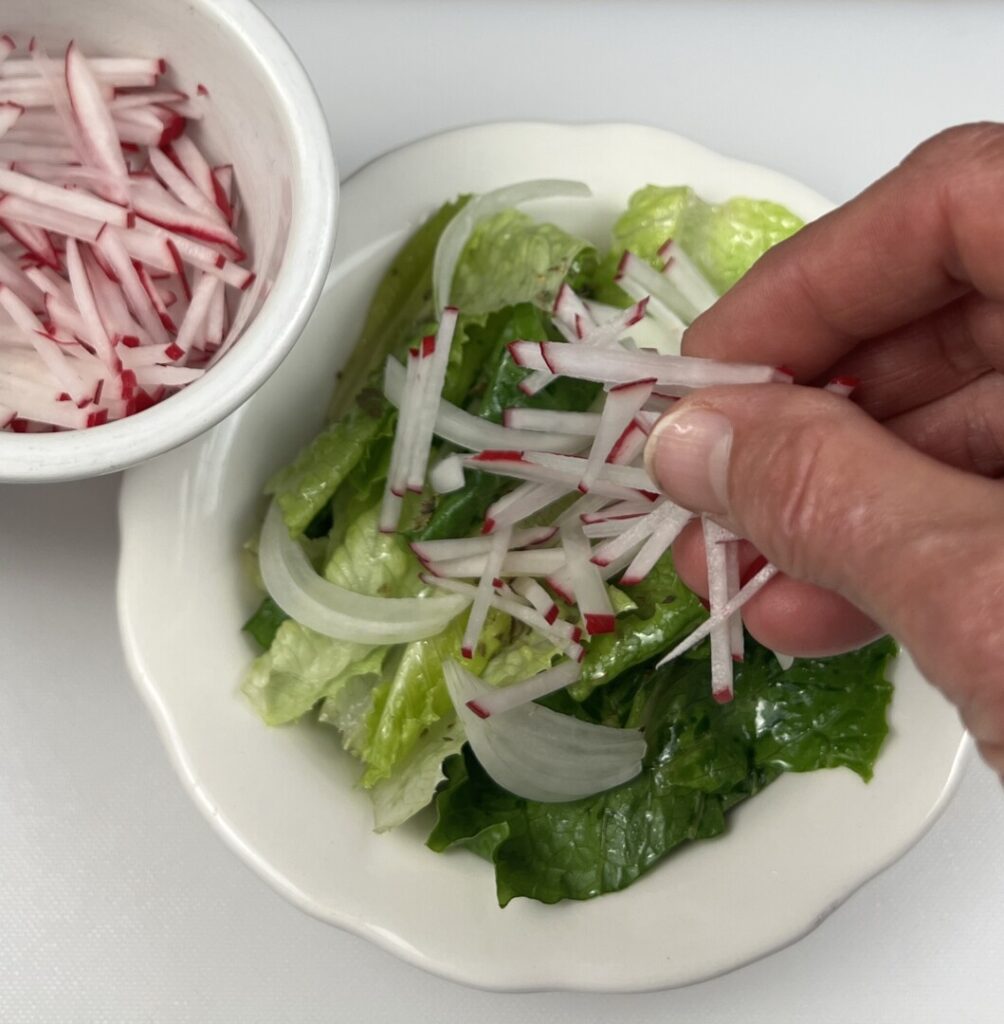
Rather than cut radishes into the usual rounds, let’s julienne them for a novel appearance. Together with julienne sweet onion, they make an attractive salad garnish.
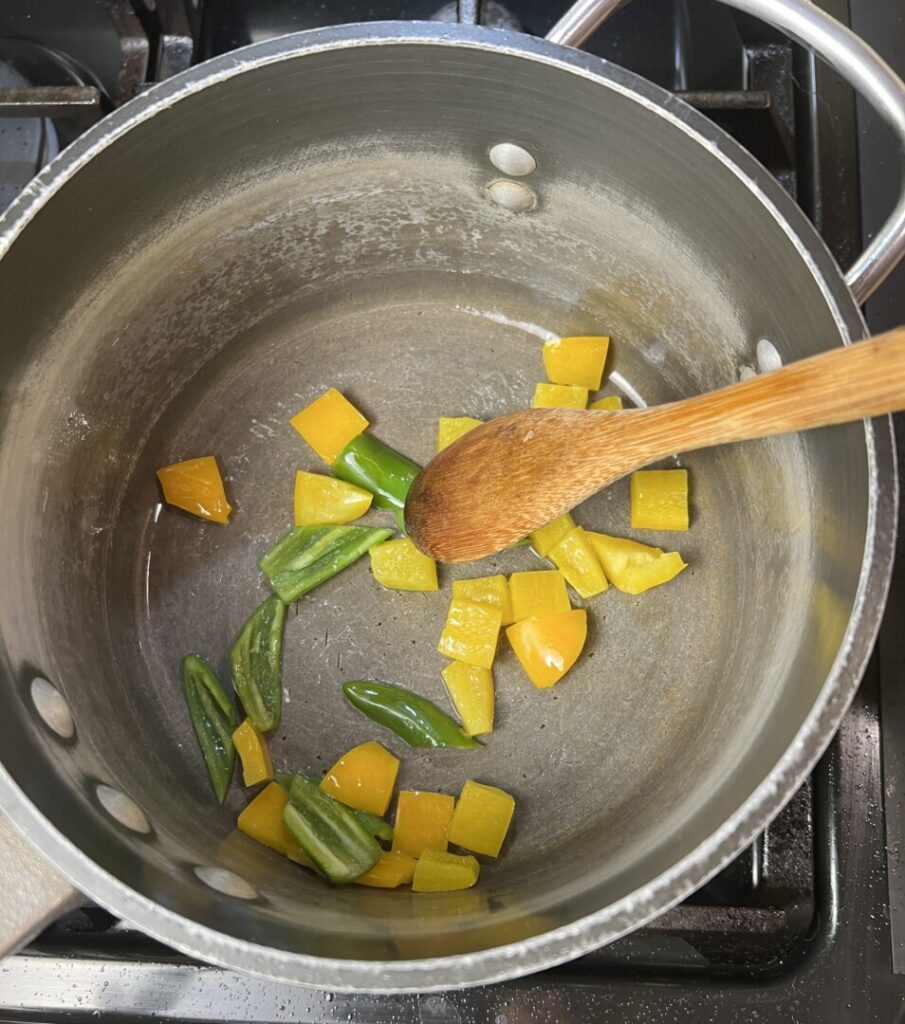
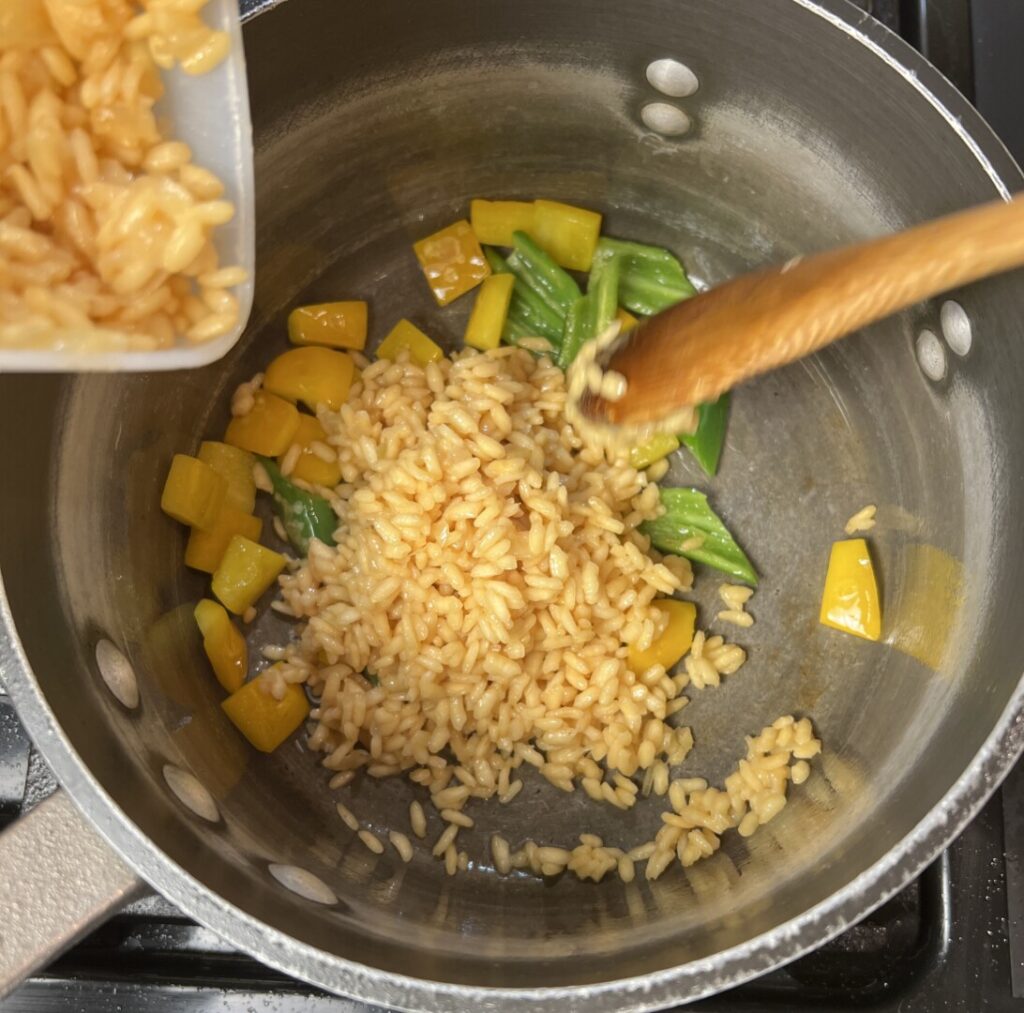
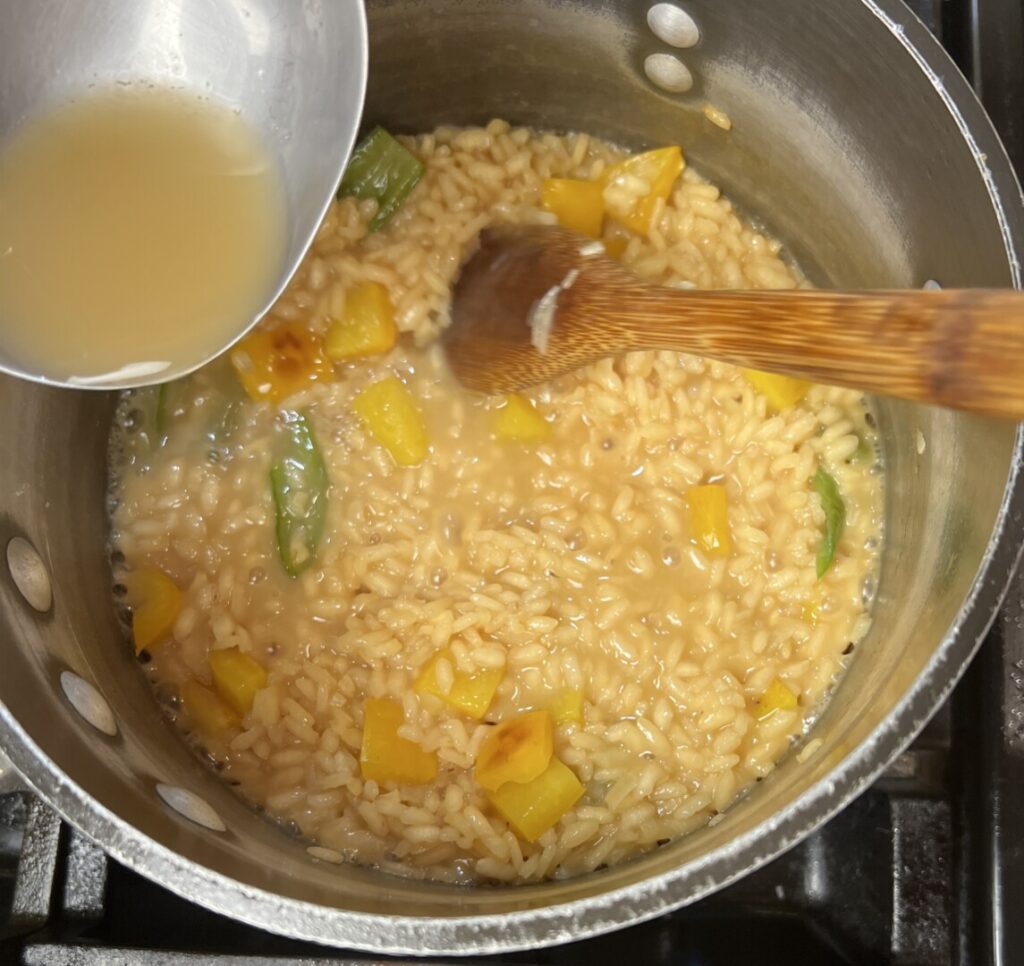
Finishing the risotto follows nearly the same method you used during prep. You’ll sauté the add-in peppers, then proceed by adding the par-cooked risotto and successive ladlesful of hot broth. Since the risotto’s cold from holding in the refrigerator, your first addition of hot broth will take a little longer to absorb.
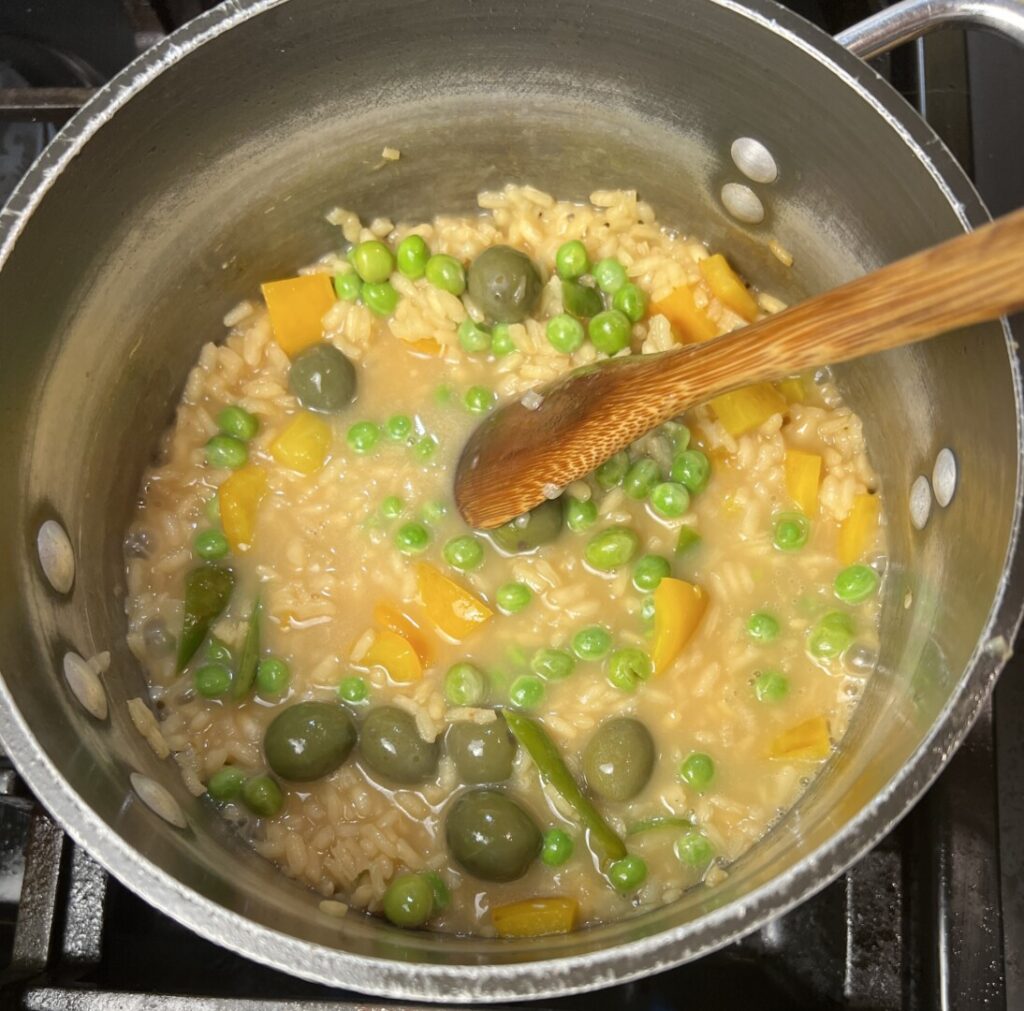
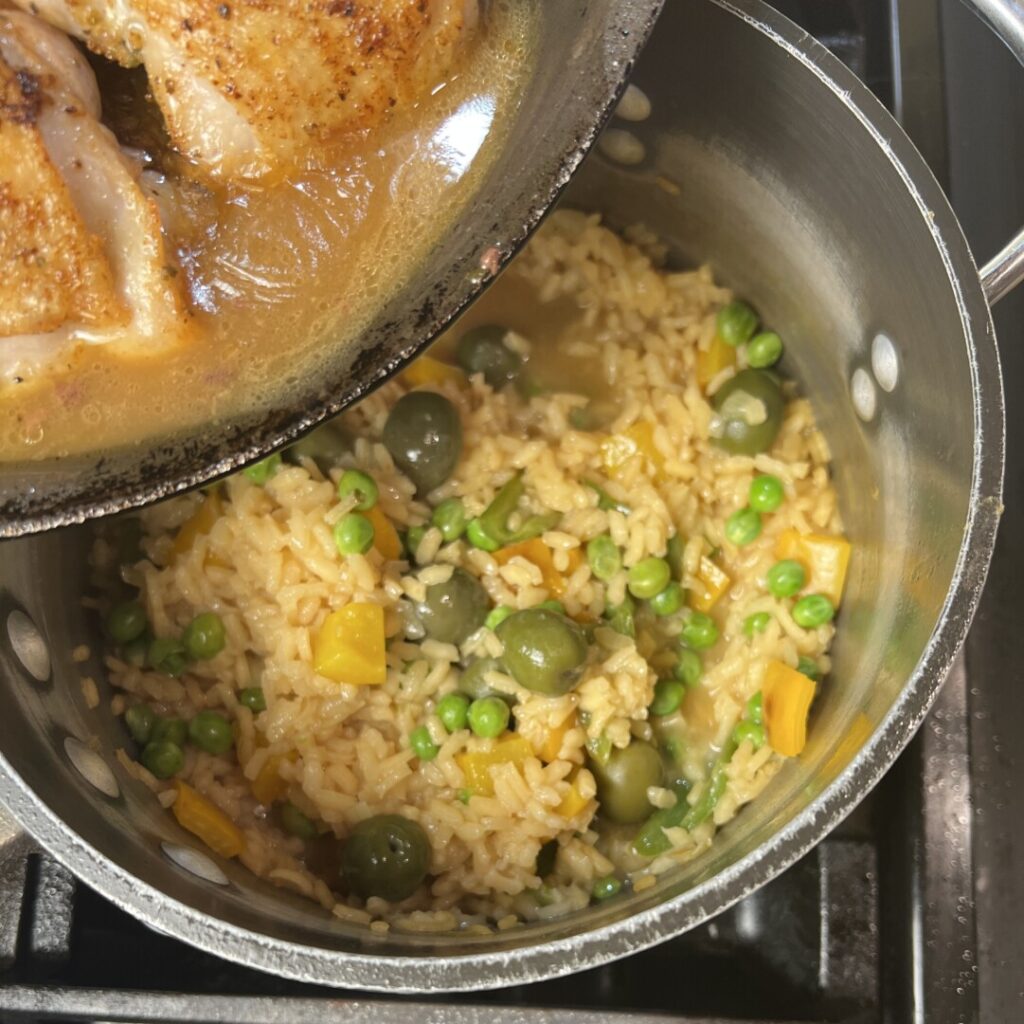
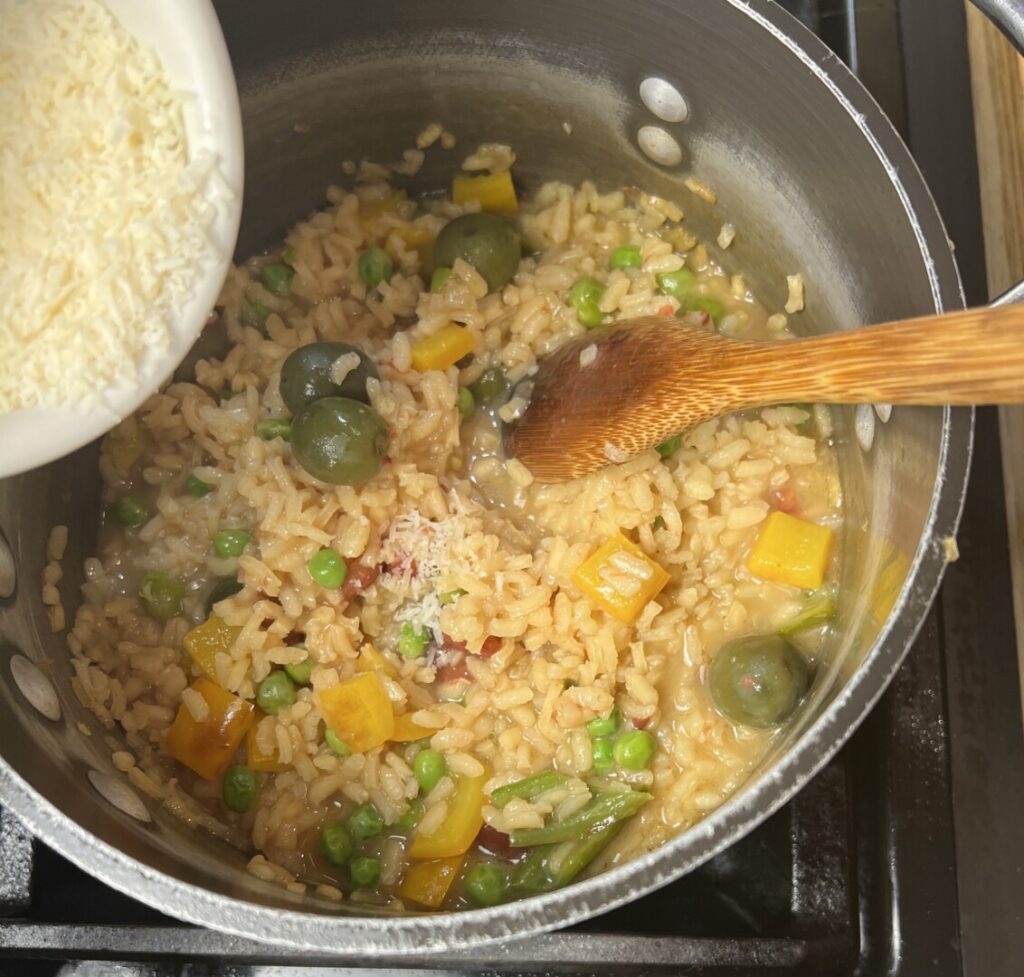
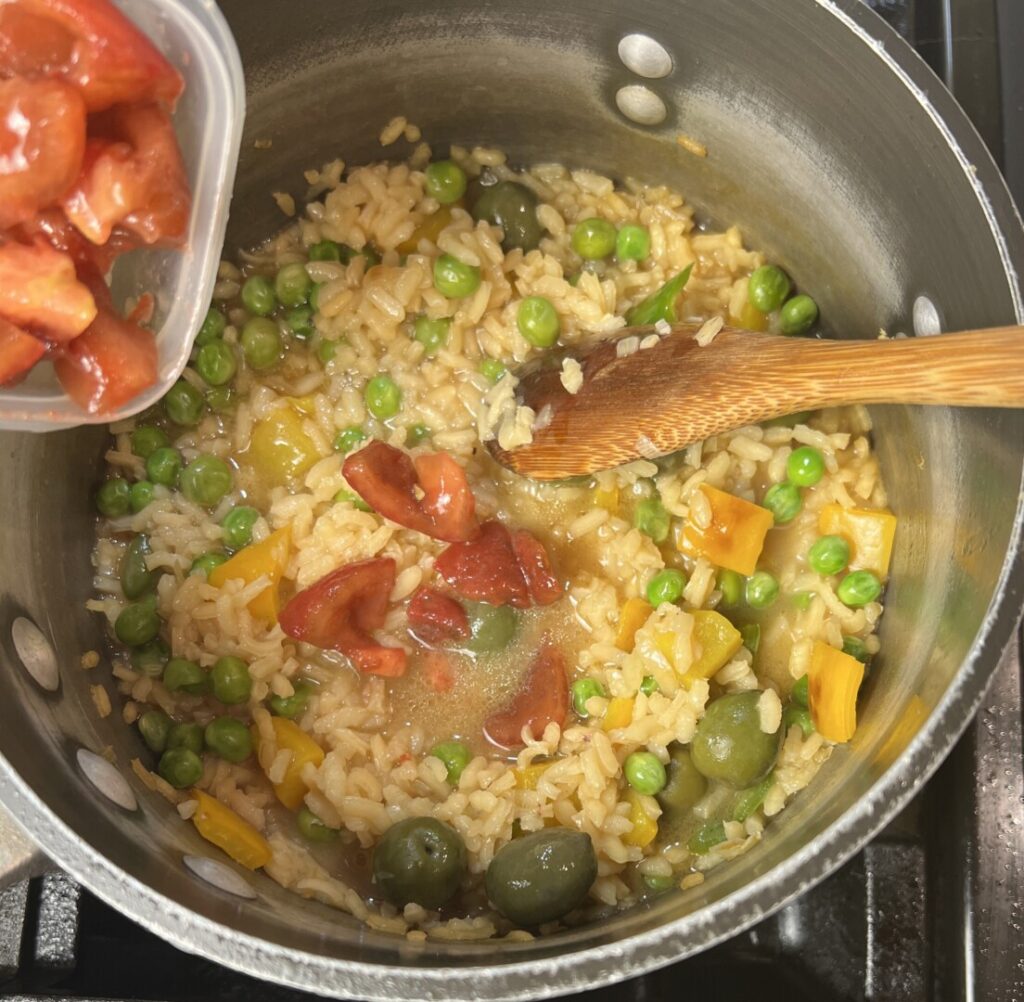
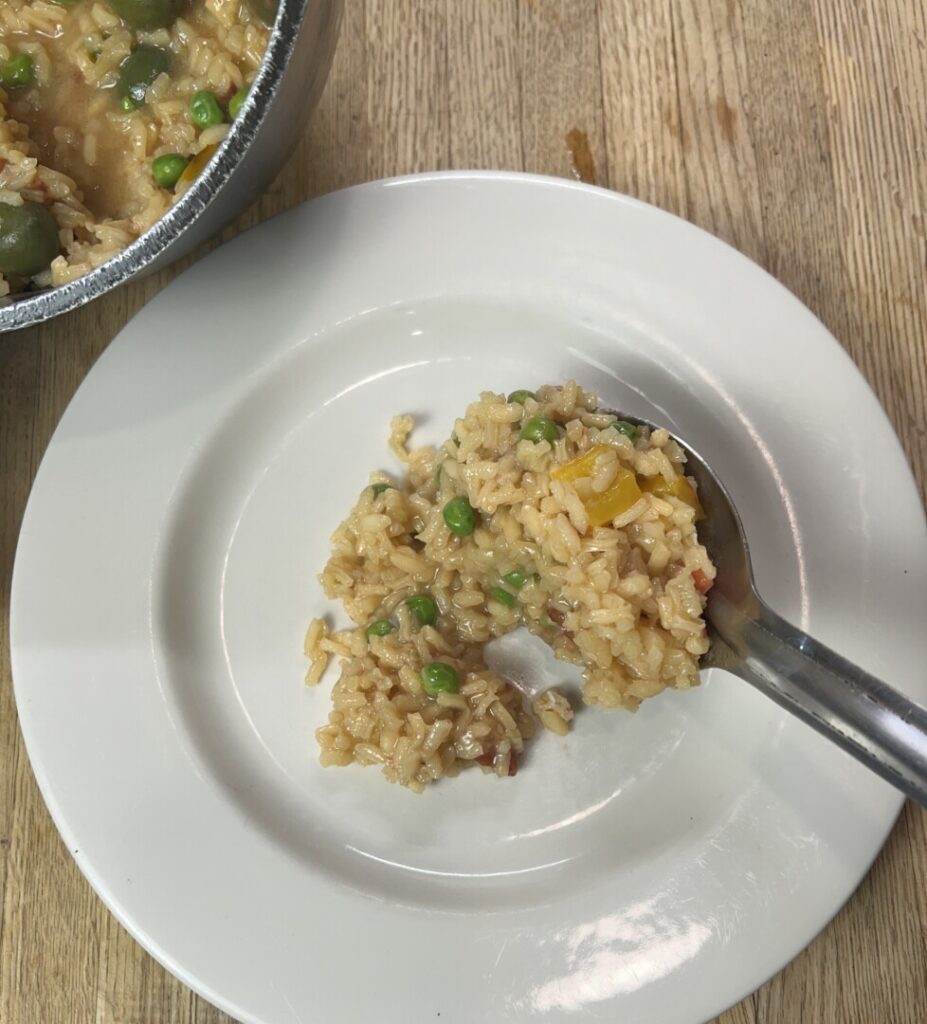
Toss in the peas and olives just so they heat up. Your final liquid addition is the tasty pan juices from the braised chicken. The tricky part of finishing your risotto is to monitor the doneness of the rice grains so that you can achieve the perfect texture—a consistency that Italians call all’onda, or wave-like. All’onda risotto has chewy yet tender grains bound with a thick sauce. When spooned onto a hot plate, the risotto slowly spreads on the plate’s surface like a gentle sea wave lapping onto a sandy shore. It’s important here to keep carryover cooking in mind. Once off the heat, the risotto will thicken a bit more, and the cheese will thicken it further. Use the water you previously heated to fine-tune your risotto’s all’onda consistency. A note on the cheese: it’s not at all authentic in Arroz con Pollo, but it plays an essential role enhancing the final texture of a risotto. As it melts, its fat content emulsifies with the broth, and its proteins bind to the starch. Don’t allow the risotto to remain on the heat after the addition of cheese. If the proteins overheat, they’ll denature and turn into unpleasant, stringy clumps. Tomatoes and a squeeze of lime balance the richness; after their addition, taste and evaluate for salt.
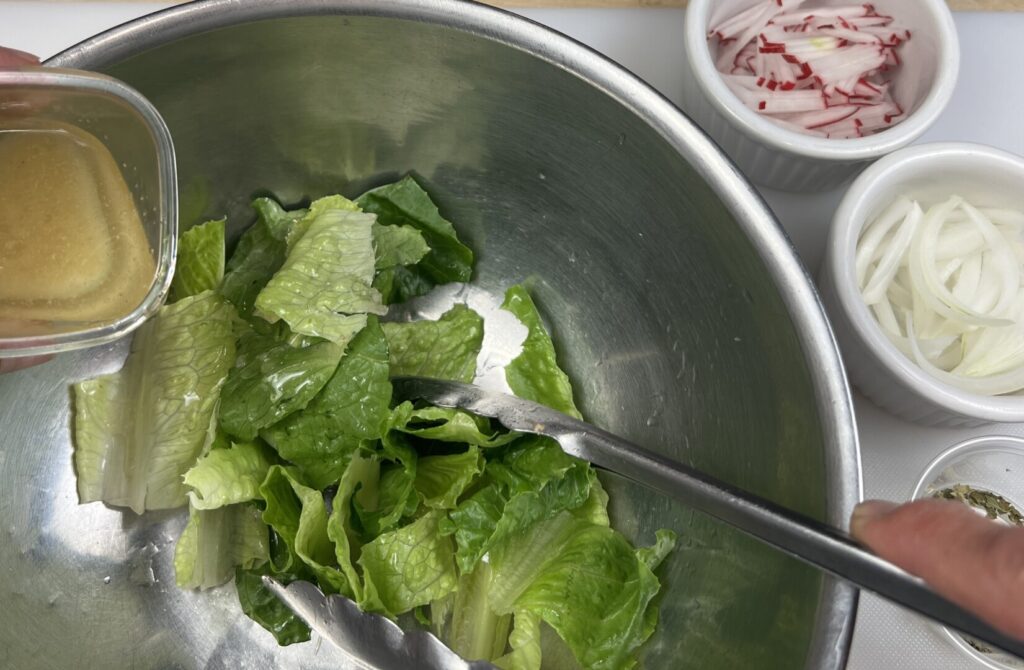
When the risotto has achieved perfect consistency, quickly dress and garnish the salad. A touch of crumbled, dried Mexican oregano lends a Latin flavor.
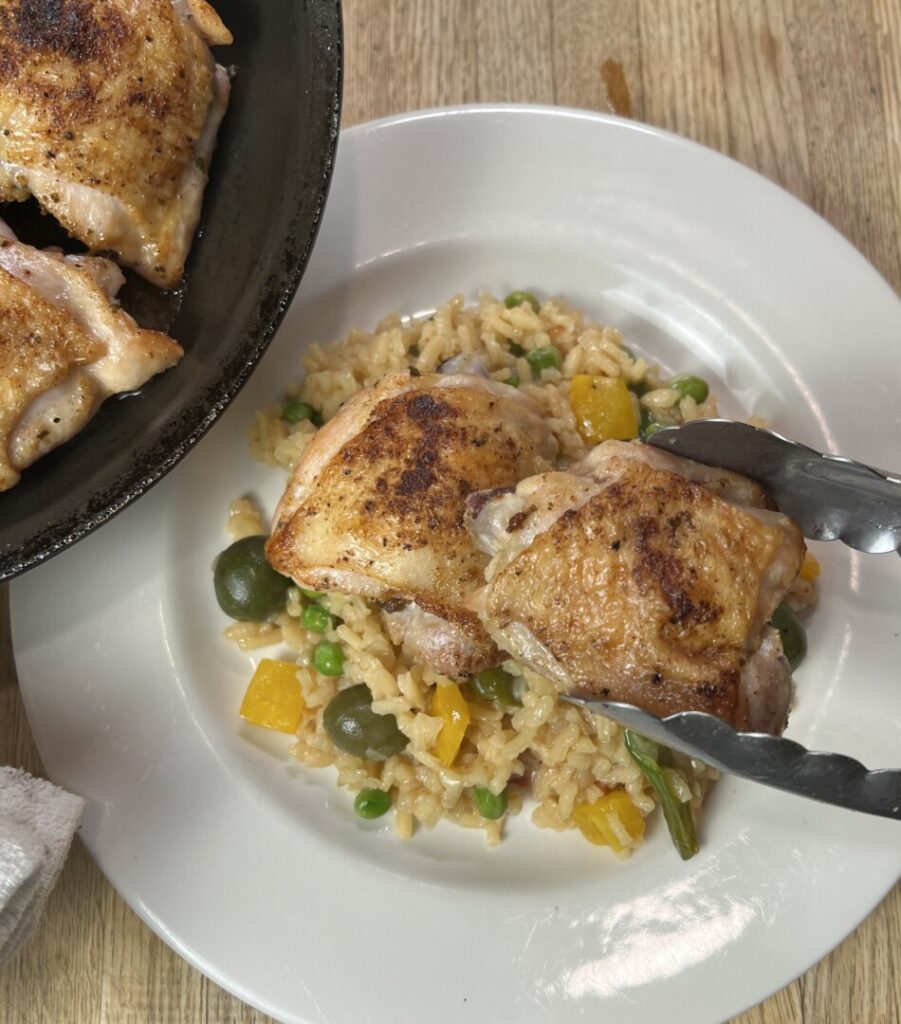
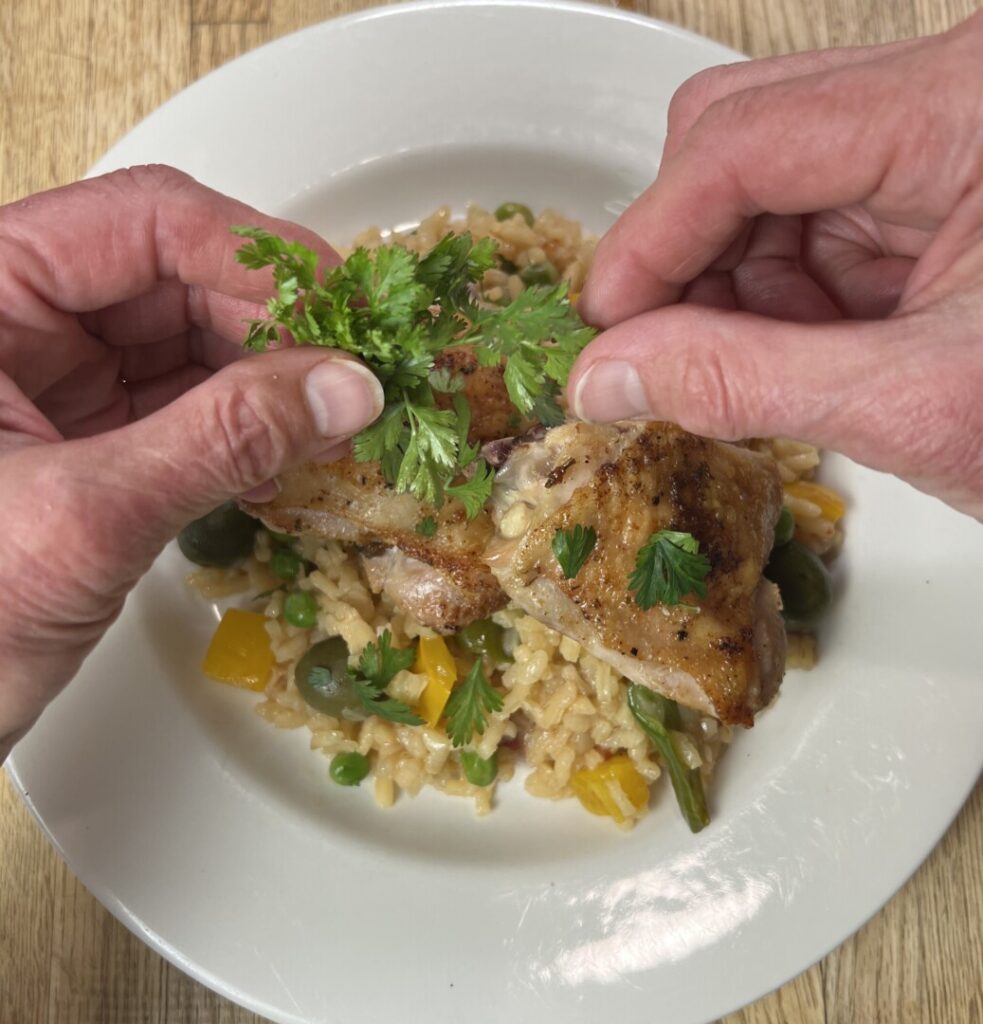
Now you’re ready to plate! Double check for all’onda consistency, then mound the risotto on warmed plates. Top each serving with two chicken thighs. Pull the cilantro into little pluches, or leaflets, and scatter overtop.
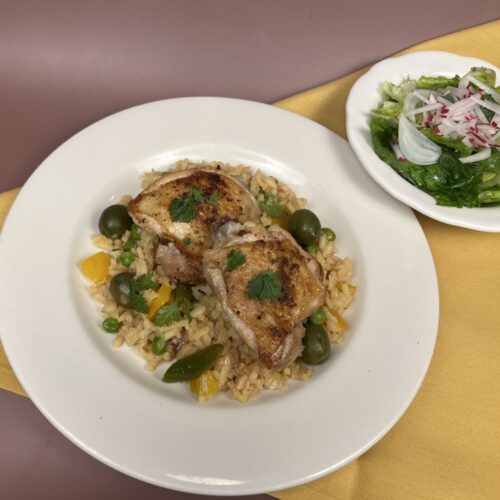
Risotto con Pollo with South American Salad
Ingredients
step 1 ingredients
- 1/2 tsp granulated onion
- 1/4 tsp granulated garlic
- 1/4 tsp ground black pepper
- 1/2 tsp dried oregano, preferably Mexican
- 1/4 tsp paprika
- pinch cayenne powder (optional)
- 1/2 tsp kosher salt
- 4 5-oz skinless, boneless chicken thighs
step 2 ingredients
- 1/4 medium-size yellow onion
- 1 garlic clove
step 3 ingredients
- 1 1/2 c chicken broth or chicken stock
- 1/2 c arborio rice
- 1 Tbsp pure olive oil (not extra-virgin)
- 1 Tbsp butter
- 1/2 tsp Sazon seasoning with achiote and culantro
- 1/3 c white wine
step 4 ingredients
- 1 Kumato or other small vine-ripe tomato
- 1/4 yellow bell or red bell pepper
- 2 serrano or jalapeño chiles (optional)
- 1/3 c frozen peas
step 5 ingredients
- 1/4 romaine lettuce heart
step 6 ingredients
- 6 tsp Apple Cider Vinaigrette
step 8 ingredients
- 1 Tbsp pure olive oil (not extra-virgin)
- 3/4 c chicken broth or chicken stock
step 9 ingredients
- 2 small radishes
- 1/8 small sweet onion, preferably Vidalia
step 10 ingredients
- 1 1/2 c chicken broth or chicken stock
- 1 Tbsp pure olive oil (not extra-virgin)
- 1/4 lime
- 10 large green olives, traditionally with pits (Castelvetrano recommended)
- 1/3 c grated Parmigiano-Reggiano or pecorino Romano cheese
step 11 ingredients
- 1/2 tsp dried oregano, preferably Mexican
step 12 ingredients
- 2 cilantro sprigs

Instructions
PREP: Mise the recipe ahead of time.
1. Trim and season the chicken thighs:
- Make the seasoning rub by combining the granulated onion, granulated garlic, black pepper, oregano, paprika, optional cayenne powder, and salt in a small bowl.
- Remove visible fat from the chicken thighs and trim away excessive skin, leaving just enough skin to cover the top side of the thigh.
- Sprinkle the seasoning rub onto all surfaces of the chicken thighs, and massage it in. Place the thighs in a plastic bag and refrigerate for at least 1 hour.
2. Fabricate the aromatic vegetables for the risotto:
- Fine-chop the onion.
- Mince the garlic.
3. Par-cook the risotto:
- Place the step 3 broth in a saucepan over low heat and bring to a steaming temperature just under the simmer.
- Place the step 3 oil and butter in a heavy saucepan over medium heat until the butter melts. Stir in the onion and sauté for about 1 minute until softened but not browned. Add the garlic, then add the rice. Sauté the rice for about 1 minute longer until the grains are coated with fat and most have changed from translucent to an opaque white color. Don’t let the rice brown.
- Stir in the Sazon seasoning, and then add the wine. Cook, stirring constantly, until the wine absorbs/evaporates.
- Stir in an approximately 4-oz ladleful of hot stock, and continue stirring until the stock absorbs/evaporates, typically 2 to 3 minutes.
- Repeat with another 4 oz stock, stirring for 2 to 3 minutes.
- Then repeat again with yet another 4 o stock, stirring for 2 to 3 minutes. At this point the rice should be very chewy: not not raw and crunchy but not cooked completely through.
- If prepping ahead, transfer the rice to a container and cool to room temperature.
4. Fabricate the add-in vegetables for the finished dish:
- Blanch, refresh, and peel the tomato(es) by dropping into boiling water for about 10 seconds, then transferring to ice-cold water and chilling for 5 minutes. Core and peel the tomato(es), cut in half widthwise, remove most of the seeds, and cut into ¾-inch chunks.
- Remove seeds and membrane from the bell pepper and cut into ¾-inch squares.
- Remove the stem from the optional serrano chiles, halve lengthwise, and remove the seeds. Cut each piece in half on the diagonal.
- Thaw the peas on a folded paper towel.
5. If necessary, prep the salad greens:
- Remove and discard any wilted outer lettuce leaves, then separate the remaining leaves from the core, discarding any discolored parts or the tough bases of the veins.
- Wash the lettuce by immersing in cold water and stirring gently with your hands to loosen any soil or grit.
- Lift the lettuce out of the water and drain in a colander.
- Spread out the lettuce leaves on a clean, dry kitchen towel, roll up the towel, and refrigerate at least 1 hour to dry the lettuce leaves.
- If prepping ahead, remove the lettuce from the kitchen towel, place a damp paper towel in the bottom of a plastic bag, add the greens, and seal the bag. Refrigerate until needed.
6. If necessary, make the Cider Vinaigrette.
7. Assemble the remaining mise-en-place for the finished dish.
HOLD: Refrigerate all ingredients up to 4 days.
COOK! Finish and plate your dinner.
8. Braise the chicken thighs:
- Preheat an oven to 425°F.
- Place an oven-proof sauté pan over medium heat and allow it to get hot, but not smoking.
- Blot the chicken thighs on paper towels.
- Add the step 8 oil to the pan. Add the thighs, skin-side-down, and sauté without disturbing them for about 2 minutes until the bottoms are golden brown and the skin releases from the pan.
- Turn the thighs over and continue sautéing for about 1 minute.
- Add the step 8 chicken broth to the pan. The broth should come about halfway up the sides of the chicken but should not come in contact with the skin.
- Place the uncovered pan in the oven. Bake about 10 minutes until the thighs are done through and reach an internal temperature of 160°F.
9. Fabricate the salad garnish vegetables:
- Cut the radishes into fine julienne.
- Cut the sweet onion into fine julienne.
10. Finish cooking the risotto:
- Place the step 10 broth in a saucepan over medium heat and bring to a steaming temperature just under the simmer. (Put a small pot of water on to heat, as well.)
- Place a heavy saucepan over medium heat until hot. Add the step 9 oil, and then add the bell pepper and optional serrano chile. Sauté about 30 seconds.
- Add the par-cooked risotto and stir in an approximately 4-oz ladleful of hot broth. Cook, stirring constantly for 3 to 4 minutes, until the broth absorbs/evaporates.
- Add the peas and olives to the saucepan.
- Twice more repeat adding stock in 4-oz ladles and stirring constantly, until the rice reaches an al dente texture and is surrounded by a creamy-textured sauce. (If the rice is not yet tender when you’ve used all the stock, continue with the hot water.)
- Remove the chicken thighs from the oven and pour the braising liquid into the risotto.
- Fold in the cheese, and then the tomatoes.
- Squeeze in some of the juice from the lime wedge and fold it in. Taste and evaluate the seasoning, adding more salt if necessary.
11. Dress the salad greens and assemble the salads:
- Tear the lettuce into bite-size pieces and place it in a bowl.
- Thoroughly shake the dressing to re-emulsify it, then drizzle onto the greens, using just enough to coat each leaf but not overdress. Toss with tongs until each leaf is lightly coated. As you toss, squeeze in the remaining lime juice and sprinkle in the step 11 oregano.
- Mound the lettuce in individual bowls.
- Scatter the sweet onions and radishes over the salad.
12. Plate:
- Check the consistency of the risotto: It should be somewhat loose, with a good amount of sauce surrounding the rice grains. If the risotto has “tightened up” (become overly thick and pasty), stir in a little more hot broth or water to correct the consistency.
- Mound the risotto onto warm plates.
- Top each mound of risotto with 2 chicken thighs.
- Garnish by pulling apart the cilantro leaves and sprinkling them onto the plate.