

Your Cooking Lesson
Advice, explanation, and in-depth information to help you achieve recipe success.
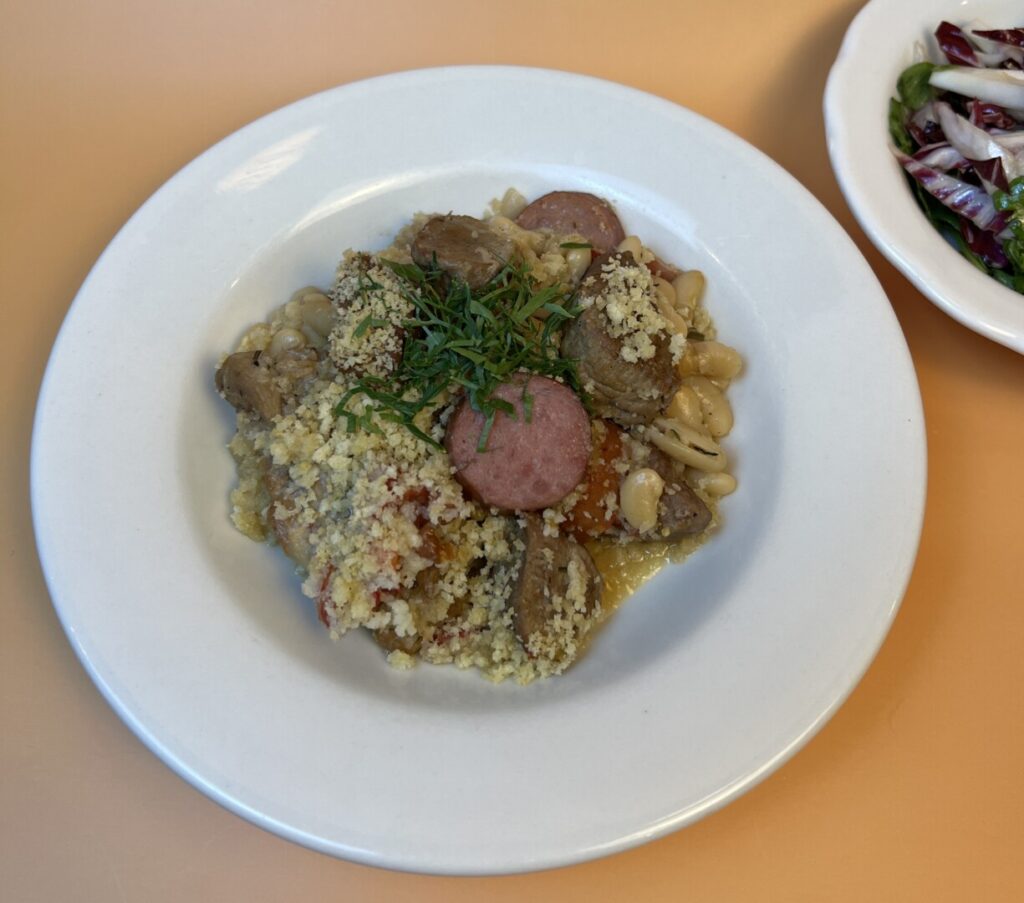
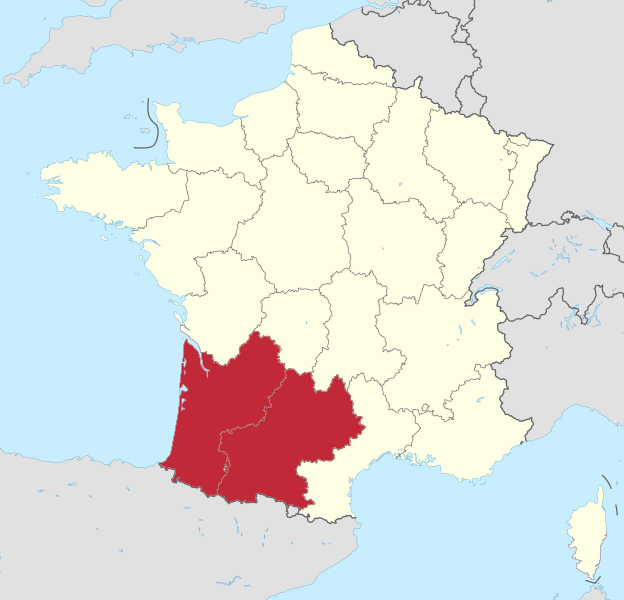
Cassoulet is a traditional bean dish of southwest France. The towns of Carcassonne, Toulouse, and Castelnaudary are renowned for their cassoulet, each of which lays claim to have created the best and most authentic version. All types of true cassoulet are complex, time-consuming to prepare, and require special ingredients difficult to source in the US. Die-hard fans of regional French cuisine may want to invest time and money in making a true cassoulet, but that’s just not practical for a weeknight dinner. Nonetheless, you can enjoy a similar bean casserole by cutting some corners and making some ingredient substitutions. That’s why we call this recipe “counterfeit” cassoulet.
Cassoulet is based on dried beans, members of the legume family that also includes lentils and dried peas. Throughout food history and around the world, legume-based dishes are associated with peasant cuisines because they are inexpensive, filling, and tasty. Legume dishes are important in vegetarian cooking because they supply essential proteins, especially when teamed with grains. Ecologically, eating legumes is a worthy choice because growing them requires far less water and land use than animal proteins. For economic vegetarians—those who can’t afford to buy much meat—the flavor of legumes can be greatly enhanced by cooking them with just a little bit of fatty poultry or smoky preserved pork, making a little bit of meat go a long way.
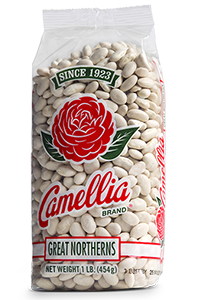
The traditional bean variety for use in authentic cassoulet is the haricot de Tarbais, grown near the town of Tarbes in the Languedoc-Roussillon region of the French southwest. These large, plump white beans cook up tender yet firm, with a distinctive, delicious flavor. However, they’re not readily available outside France, and they’re expensive purchased online. The best substitute is Italian cannellini beans https://amzn.to/4gL69eP, but you can also use American great northern beans, as well. Although canned beans of most types can be useful ingredients in some dishes, they won’t work in this recipe.
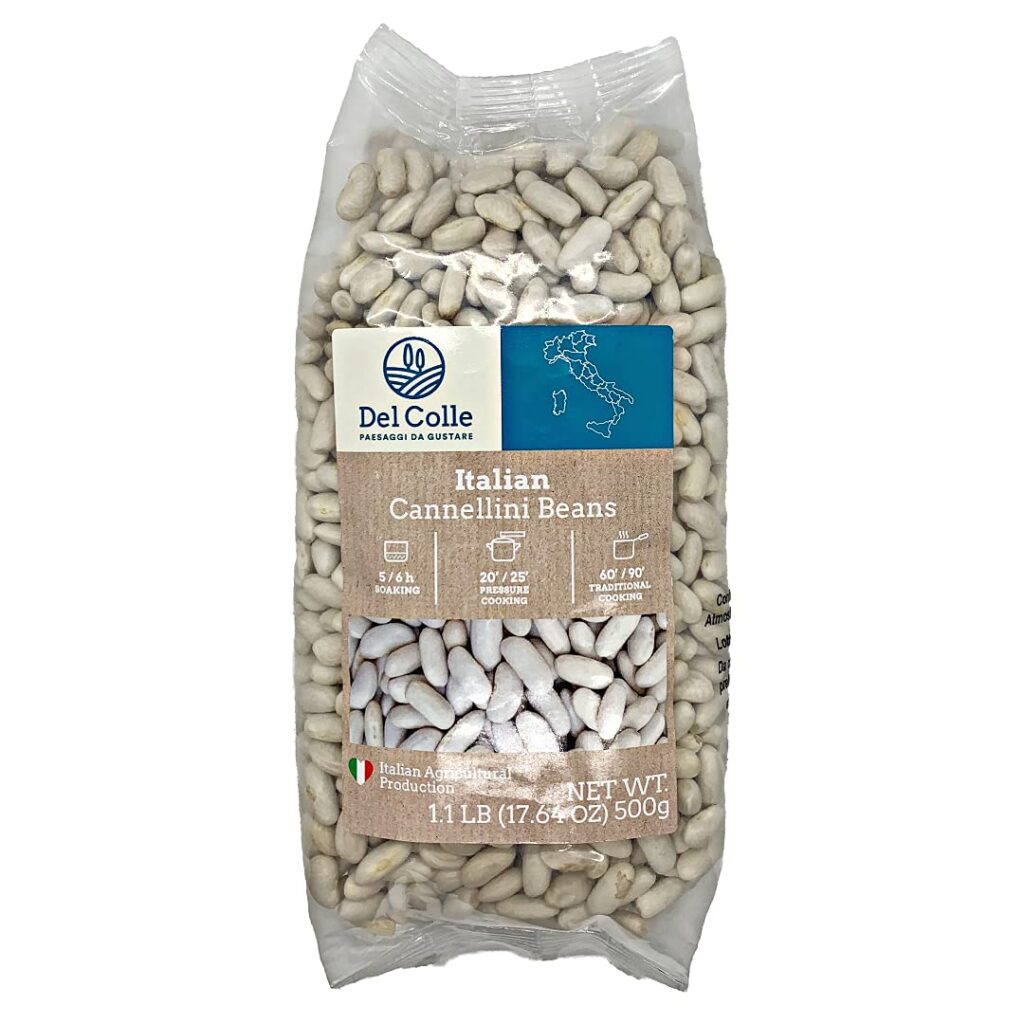
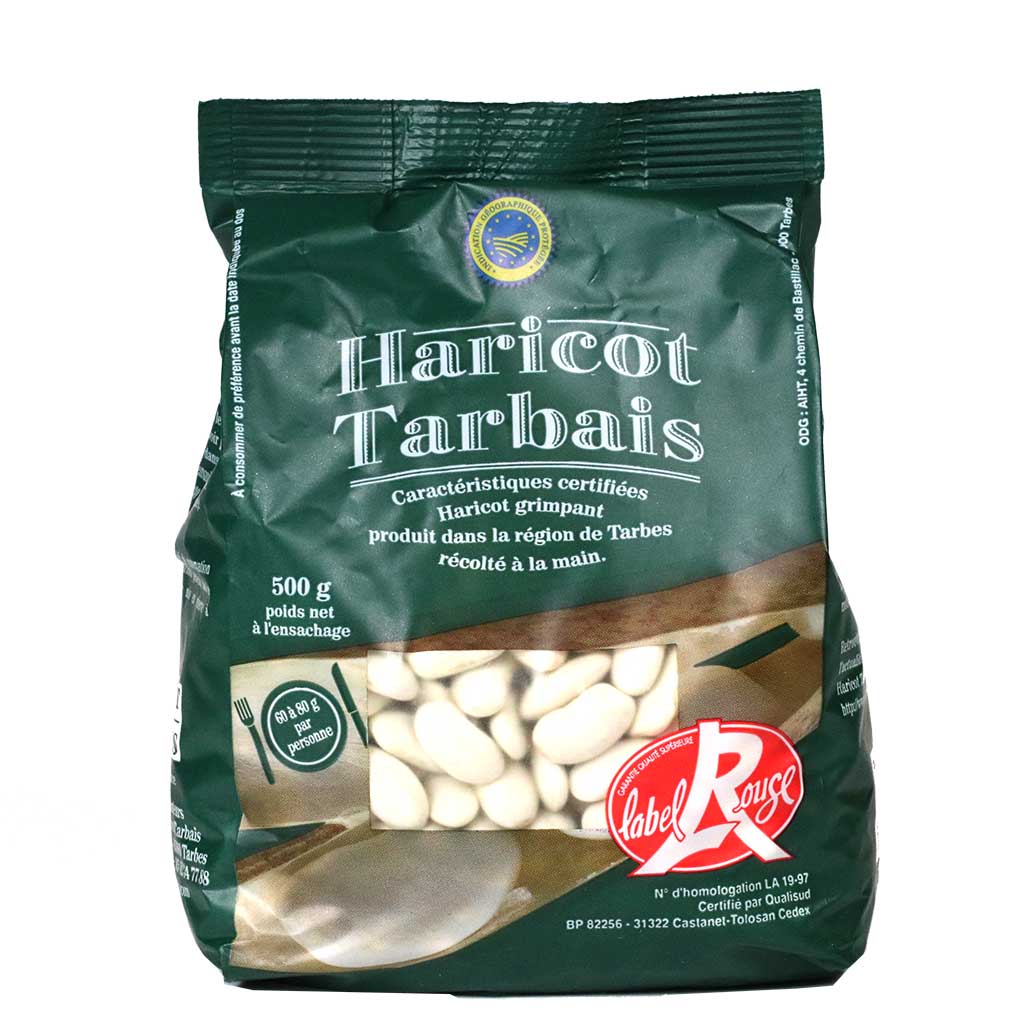
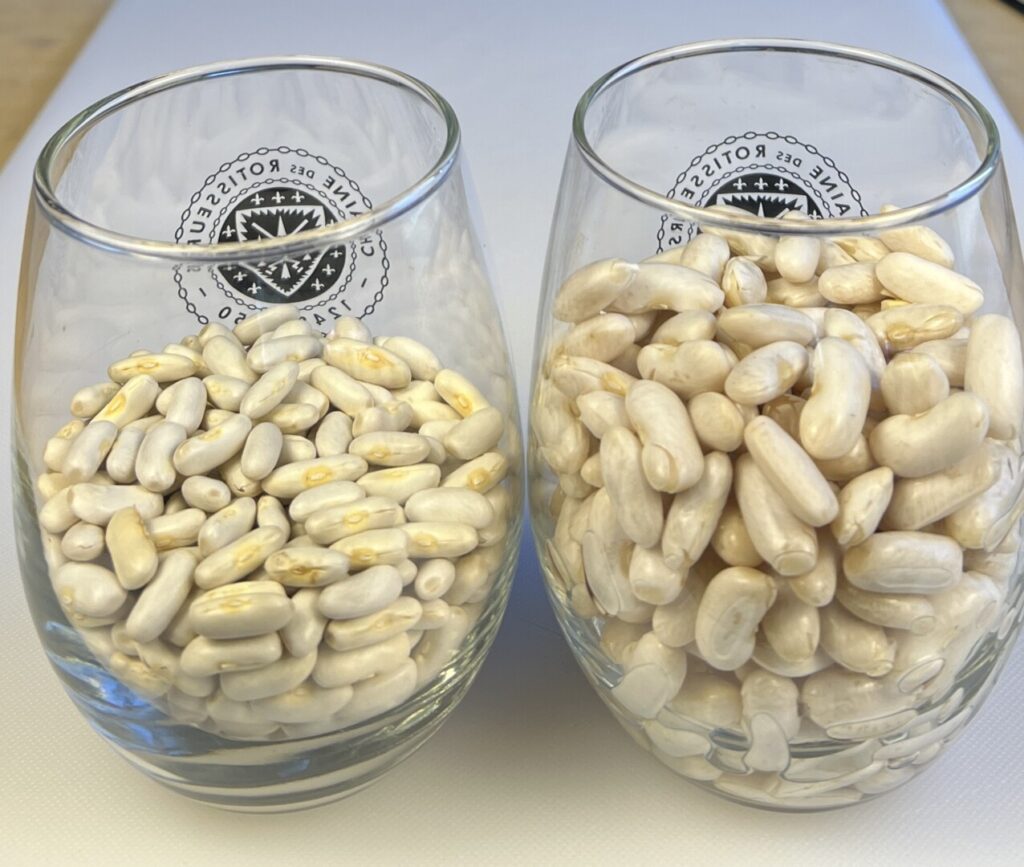
To unleash the flavor of dried beans and make them tender enough to eat, they must hydrate, or absorb water. The water passes through the beans’ cellulose-based outer skins and permeates the starchy centers, swelling and softening them. To achieve the best texture, this should happen slowly by soaking the beans overnight in ample water. The photo shows dry cannellini beans on the left and cold-soaked cannellini beans on the right; you can see how much larger the soaked beans have become. However, if you forget to pre-soak—or decide to cook beans on the spur of the moment—you can quick-soak them by bringing them just under the boil and then soaking in the resulting hot water for 30 minutes or so. Whether you soak overnight or quick-soak, be sure to discard the soaking water. This removes a significant amount of the oligosaccharides (indigestible sugars) that cause gas production in our digestive systems.
To begin cooking the soaked and drained beans, put them in a heavy, ovenproof casserole. In this recipe I used a Le Creuset Dutch oven, a good choice because of its heavy construction that ensures even heating and prevents bottom-scorching. https://amzn.to/4h0TIeE Simmering in a mixture of water and chicken broth, the beans continue softening and swelling. Keep in mind that beans need to cook low and slow; if you cook them too fast with heat that’s too high, the starchy centers swell up faster than the skins—causing them to burst, resulting in a mushy texture. Don’t add salt now; in the early stages of cooking, sodium tends to firm the starches in the beans and can make them take longer to become tender. Chefs typically skim off the foam that rises to the top of the cooking water; although harmless, it can make the finished broth or sauce look cloudy and impart a bitter taste.
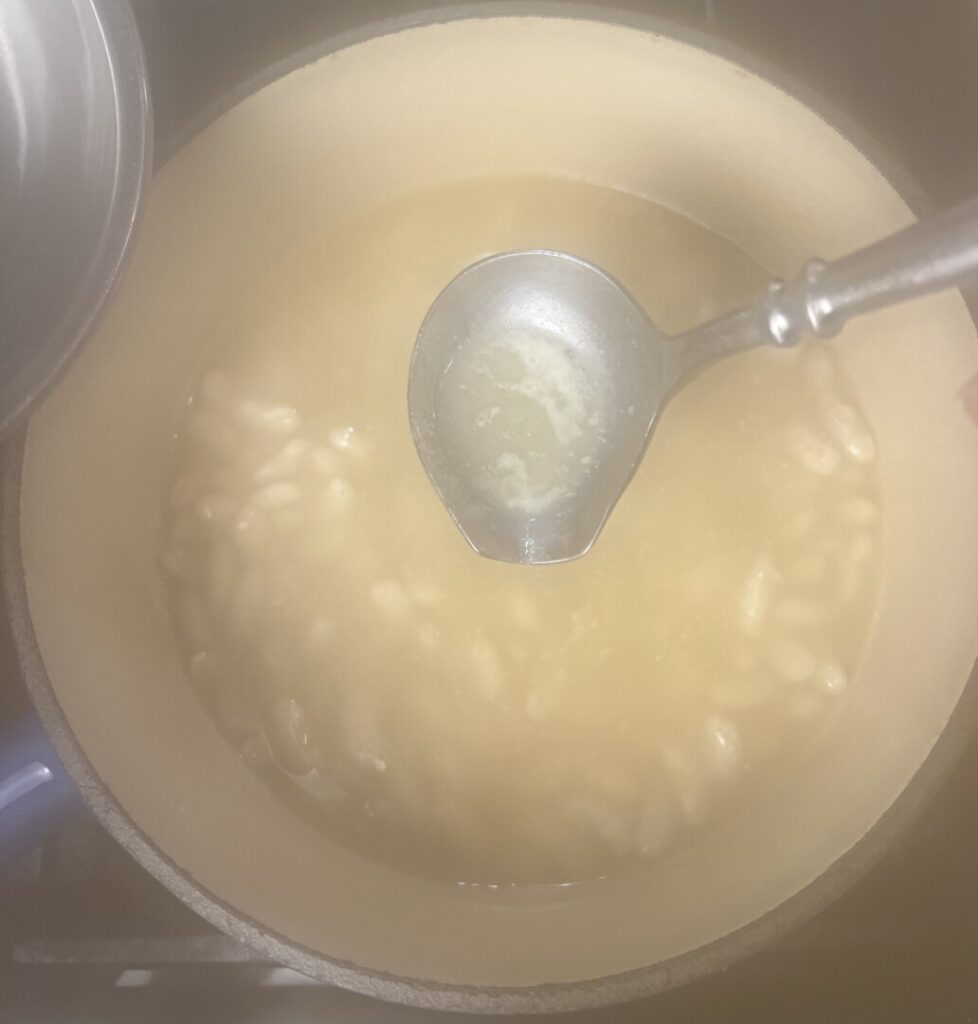
In Southwest France, the choice of proteins used in cassoulet varies from one town to another, and can be a subject of controversy. The internet offers lots of articles about the historic rivalry among the three French towns that lay claim to cassoulet’s origin. Pork, mutton, sausages, ham, bacon, and poultry may find their way into the cassoulet’s traditional earthenware casserole.

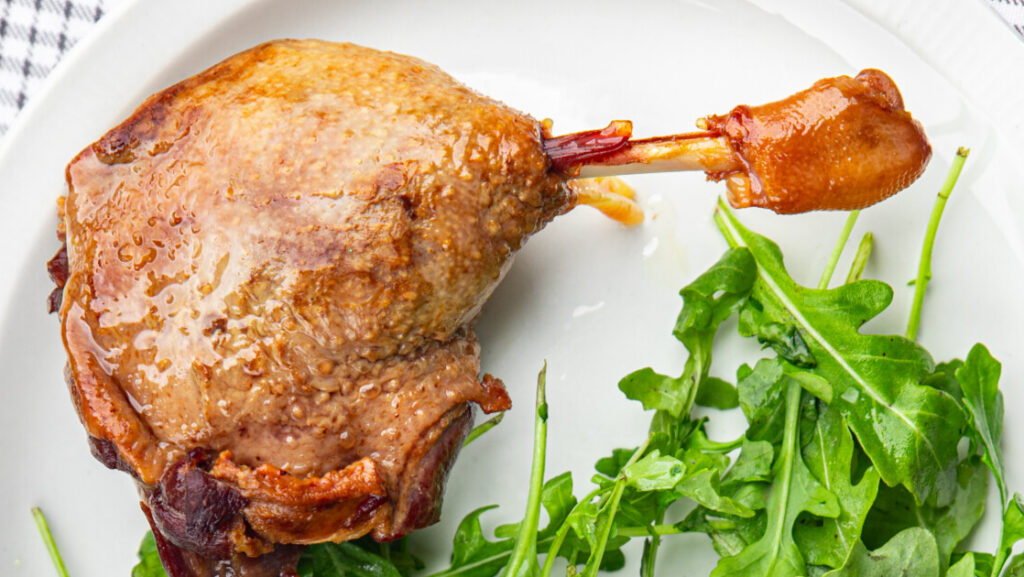
Because duck is one southwest France’s best-known agricultural products, it’s often included in cassoulet—but in a unique preparation born of necessity. The maigret, or duck breast, is the most profitable product for farmers to sell fresh; the less coveted duck legs typically are cured and cooked in duck fat to make a product called confit de canard, or preserved duck. Thus, duck confit is one of the most commonly used meats in cassoulet. Making duck confit is a time-consuming process, so we’re using fresh duck legs in our “counterfeit” cassoulet. If you prefer, you can buy confit duck legs at high-end supermarkets or online. If you choose to use confit, don’t skin it. It’s already cooked, so simply add it in step 6.e. If duck is difficult to source, you can even use bone-in chicken thighs.

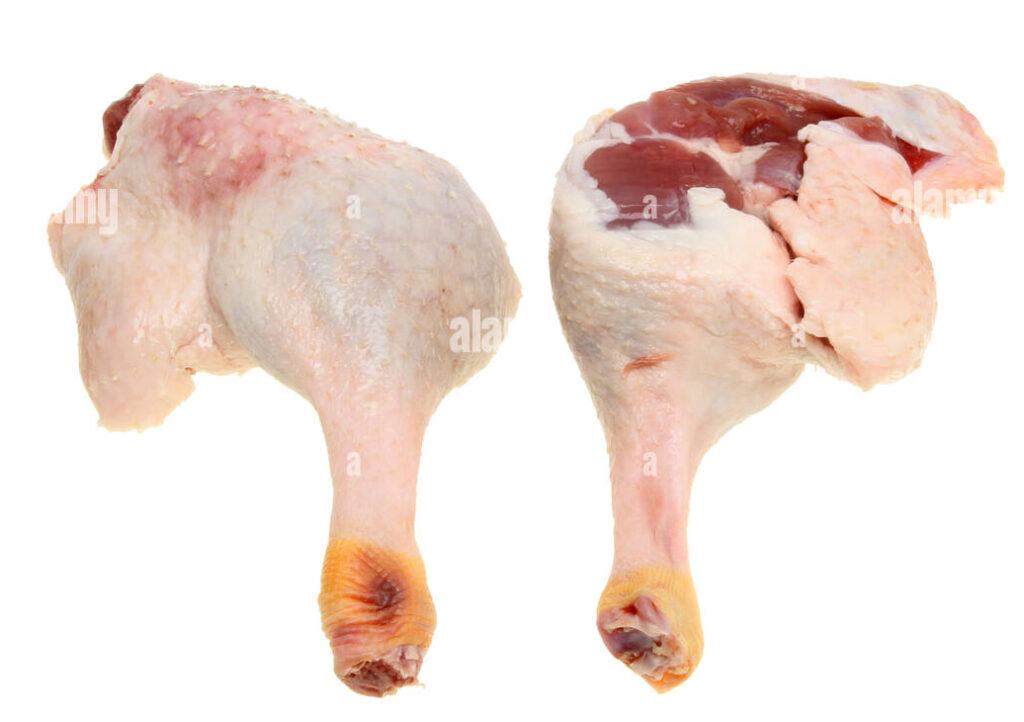
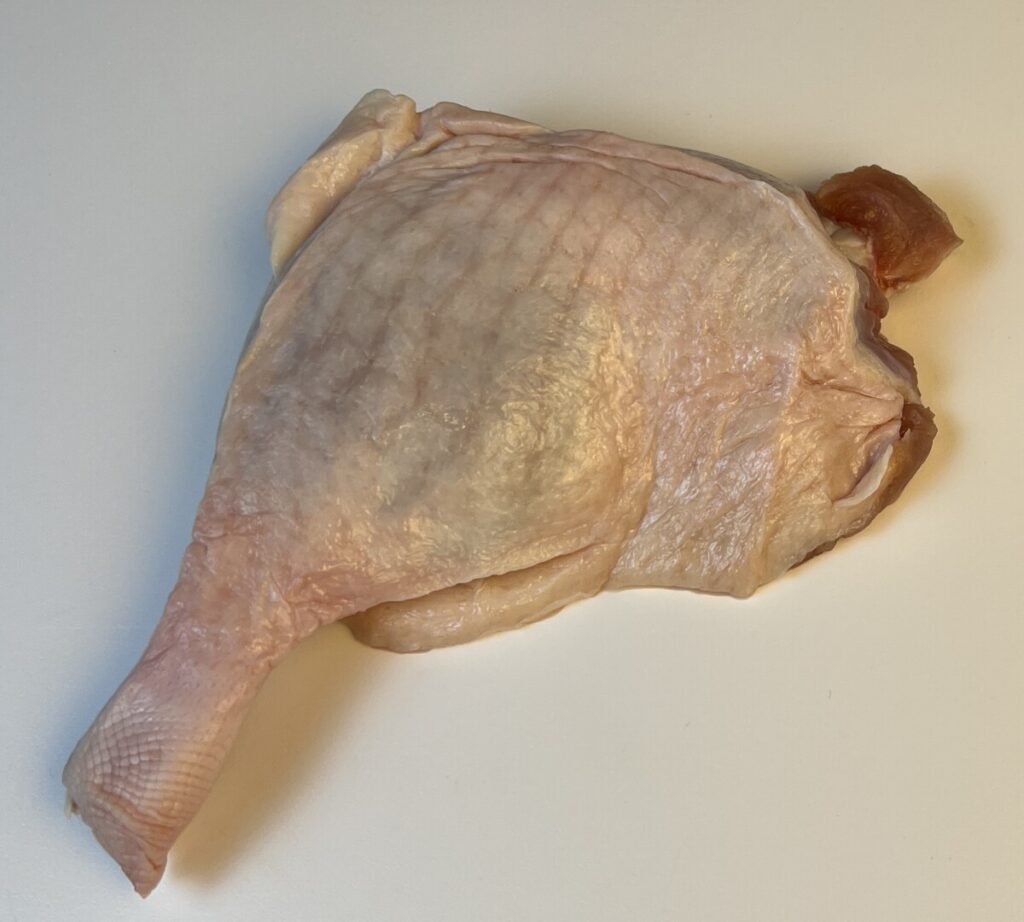
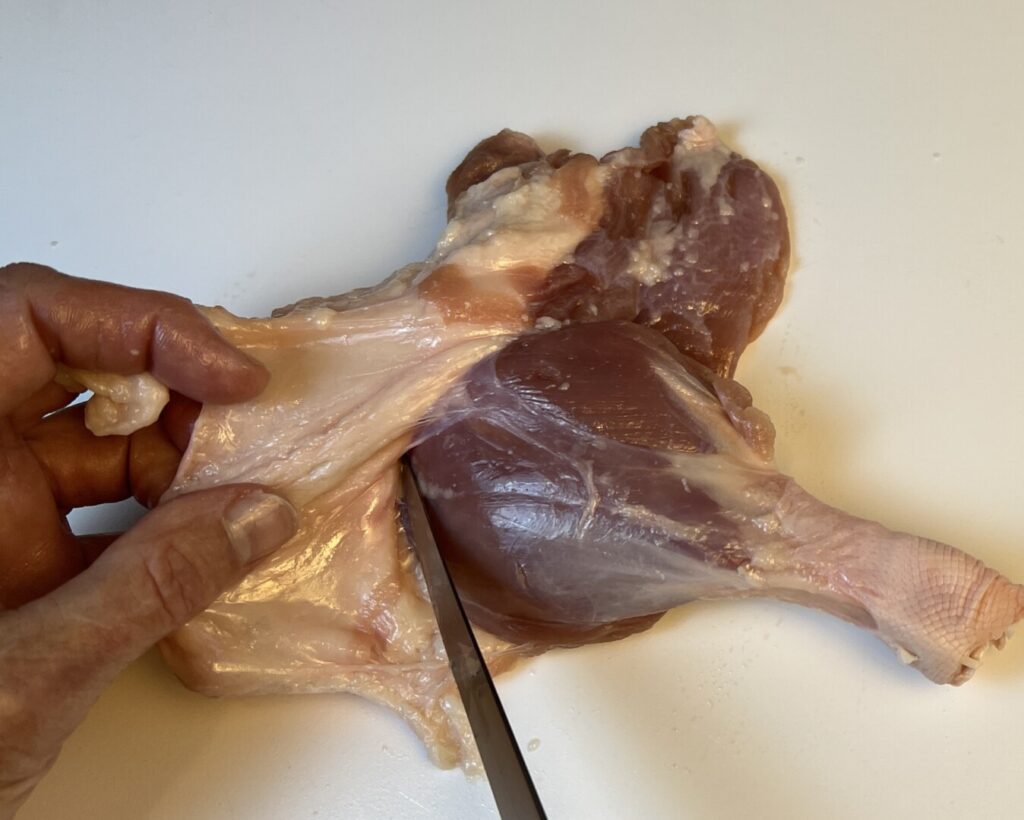
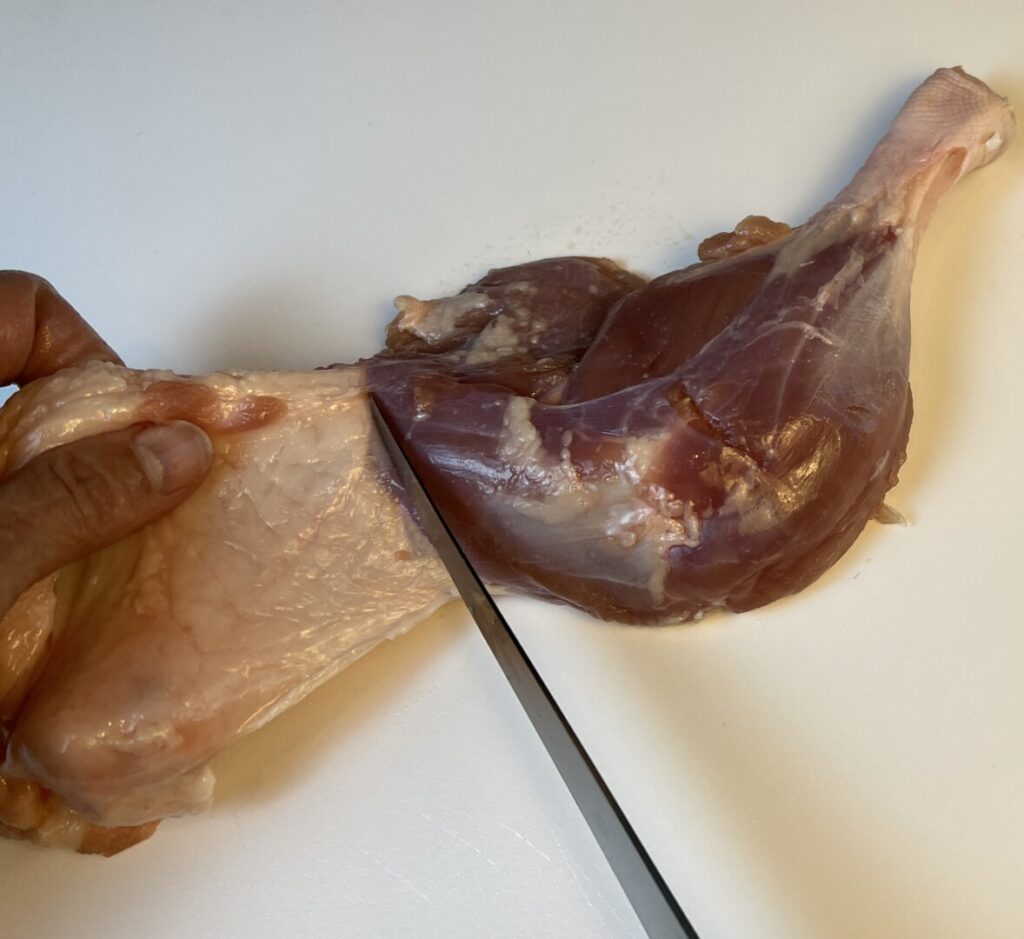
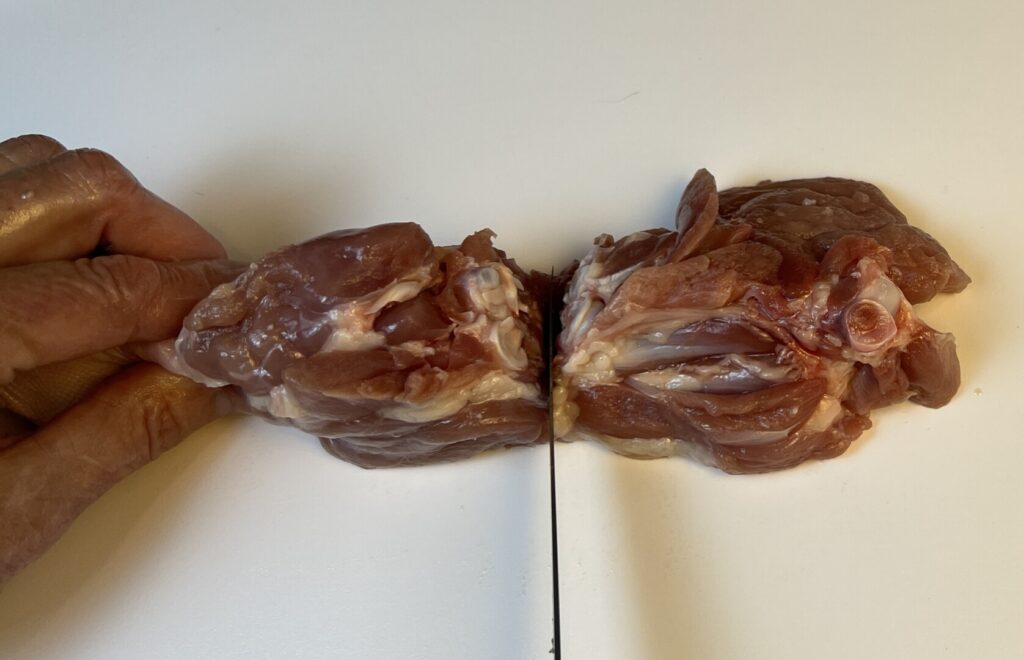
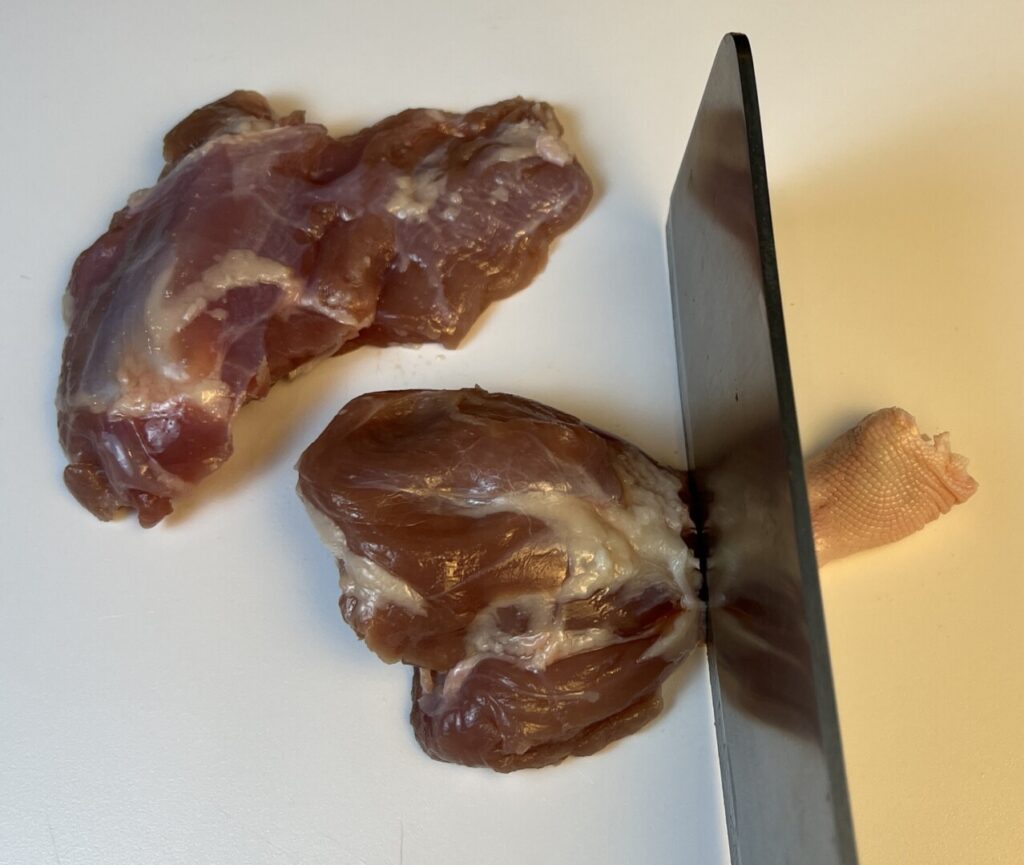
The photos below show how to skin your duck leg. In addition, we’ll add pork and smoked sausage to our “counterfeit” cassoulet.
As they cook, beans absorb the liquid in which they’re cooking; when the broth is flavored with aromatic vegetables, herbs and spices, stock, and melted fat, all that goodness passes into the beans. Again, it’s important not to salt the cooking liquid until later in the cooking process.
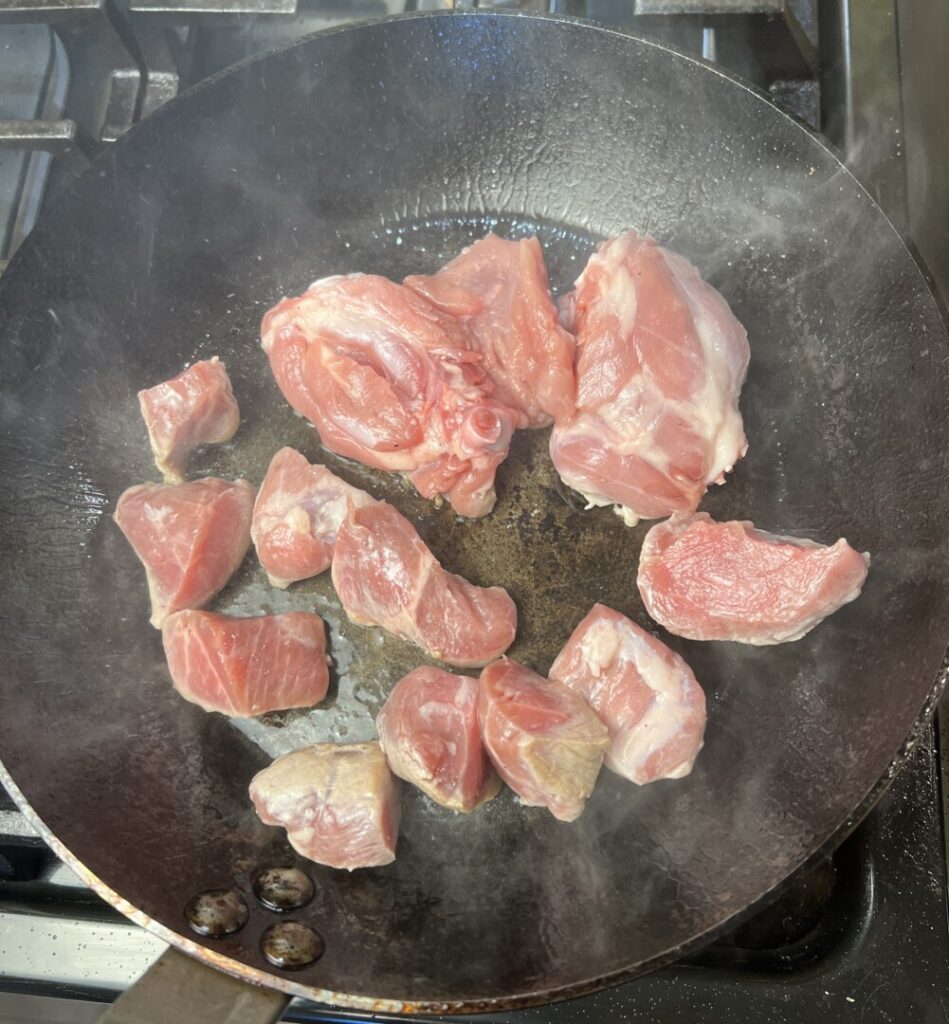
Browning the the raw proteins (pork, duck and bacon) adds color and depth of flavor to the cassoulet. The goal is to impart a rich color on the exterior while leaving the interior uncooked. To achieve a restaurant-quality sear, the best choice is a carbon-steel sauté pan. https://amzn.to/4gKQqw4 Browning the bacon renders its fat, which is then used to sauté the aromatic vegetables.
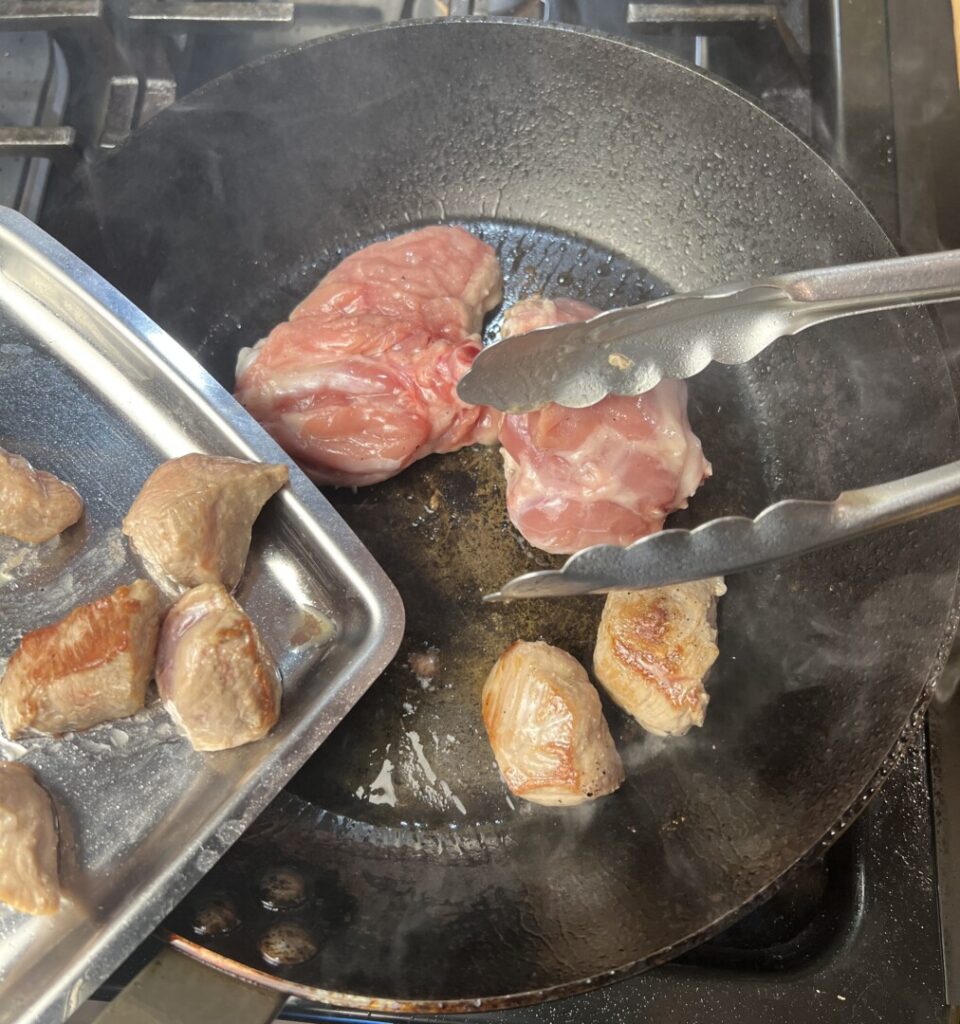
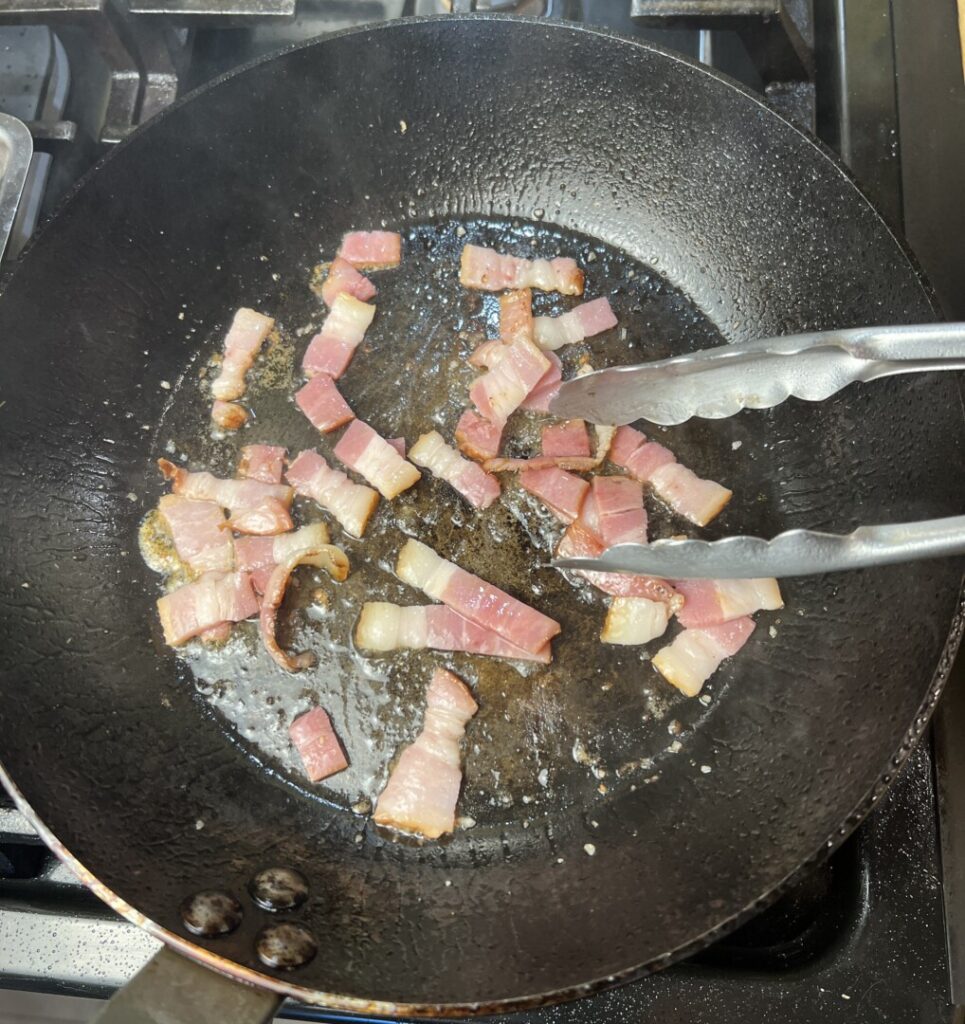
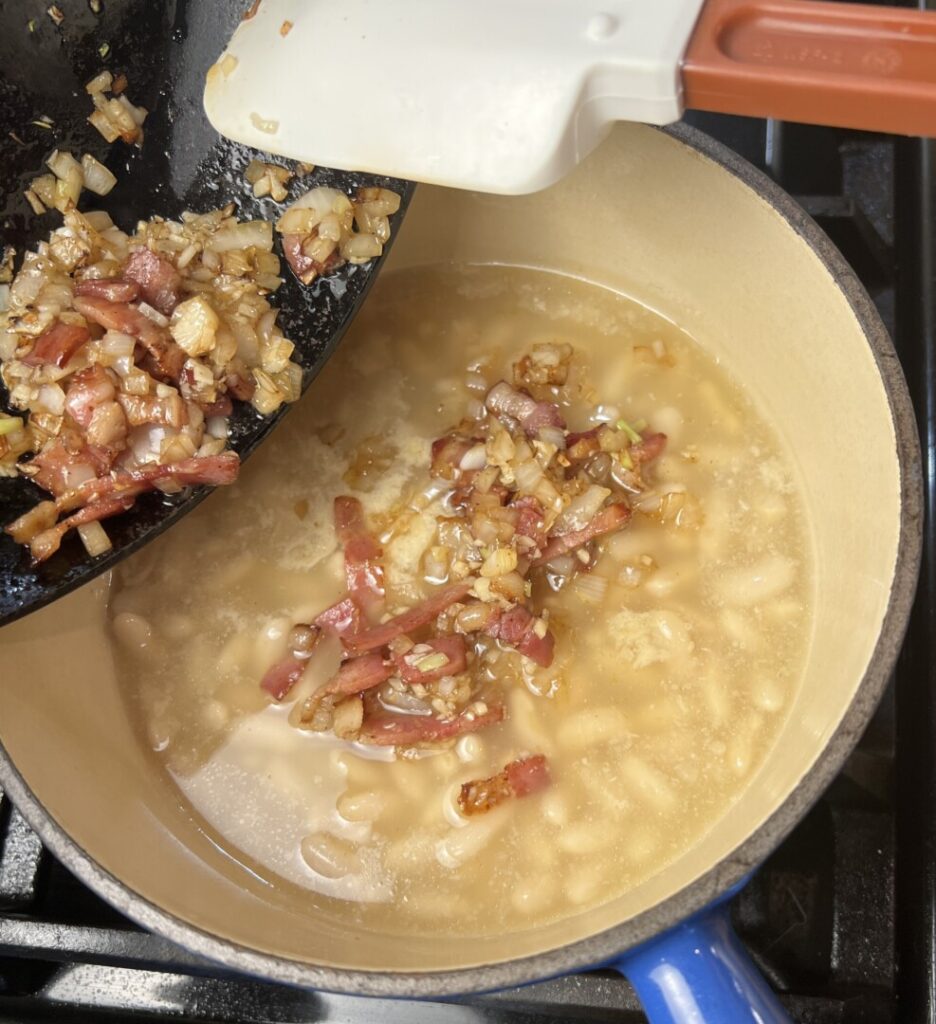
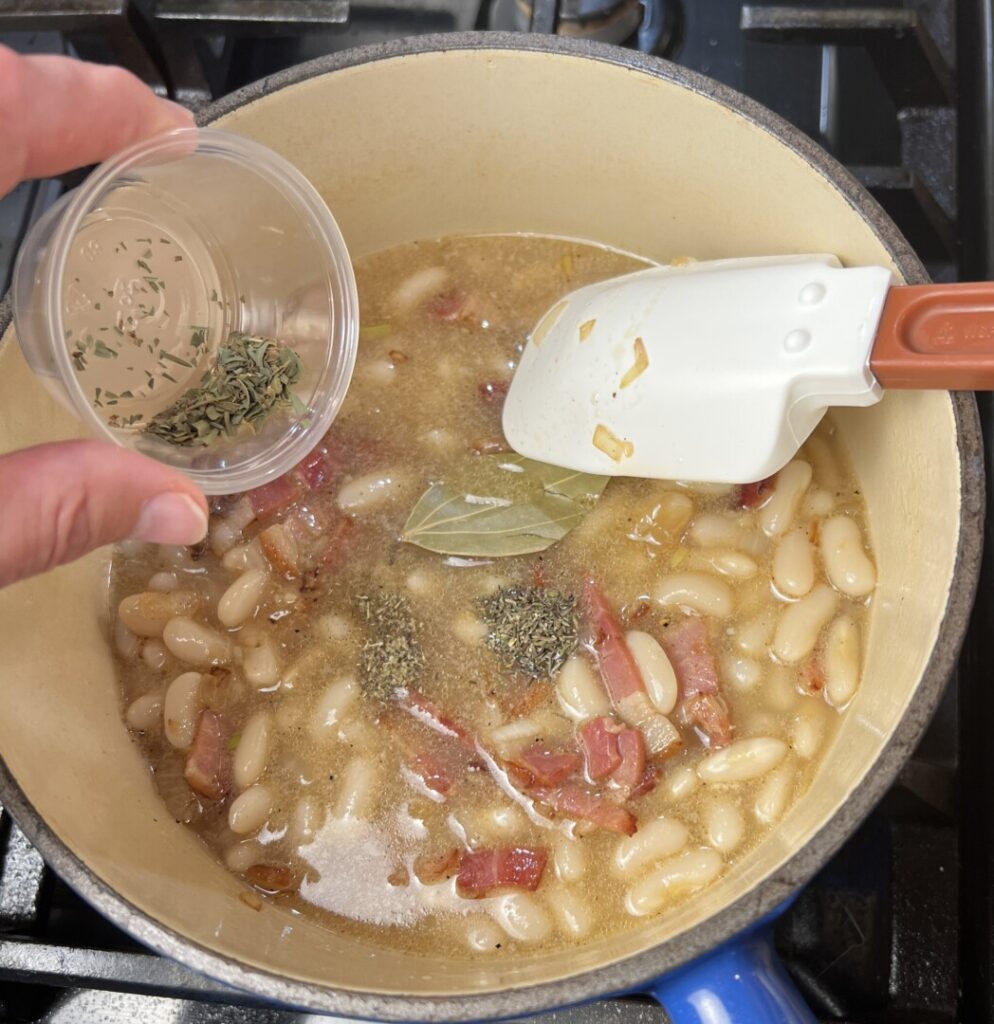
Onion and garlic are sautéed in the bacon drippings before adding to the simmering beans along with the browned pork and duck. Once the beans begin to soften they release some of their starch into the broth, making it gradually thicken into a sauce. To avoid sticking and scorching on the bottom of the pan, it’s a good idea to finish the initial cooking in the oven. The goal here is to par-cook the proteins almost tender, and to cook the beans until just slightly al dente in texture. Then, the cassoulet rests. After cooling, it goes into the ‘fridge at least overnight or for several days. That’s when the magic happens. The beans continue to soften, the broth thickens, and the flavors meld.
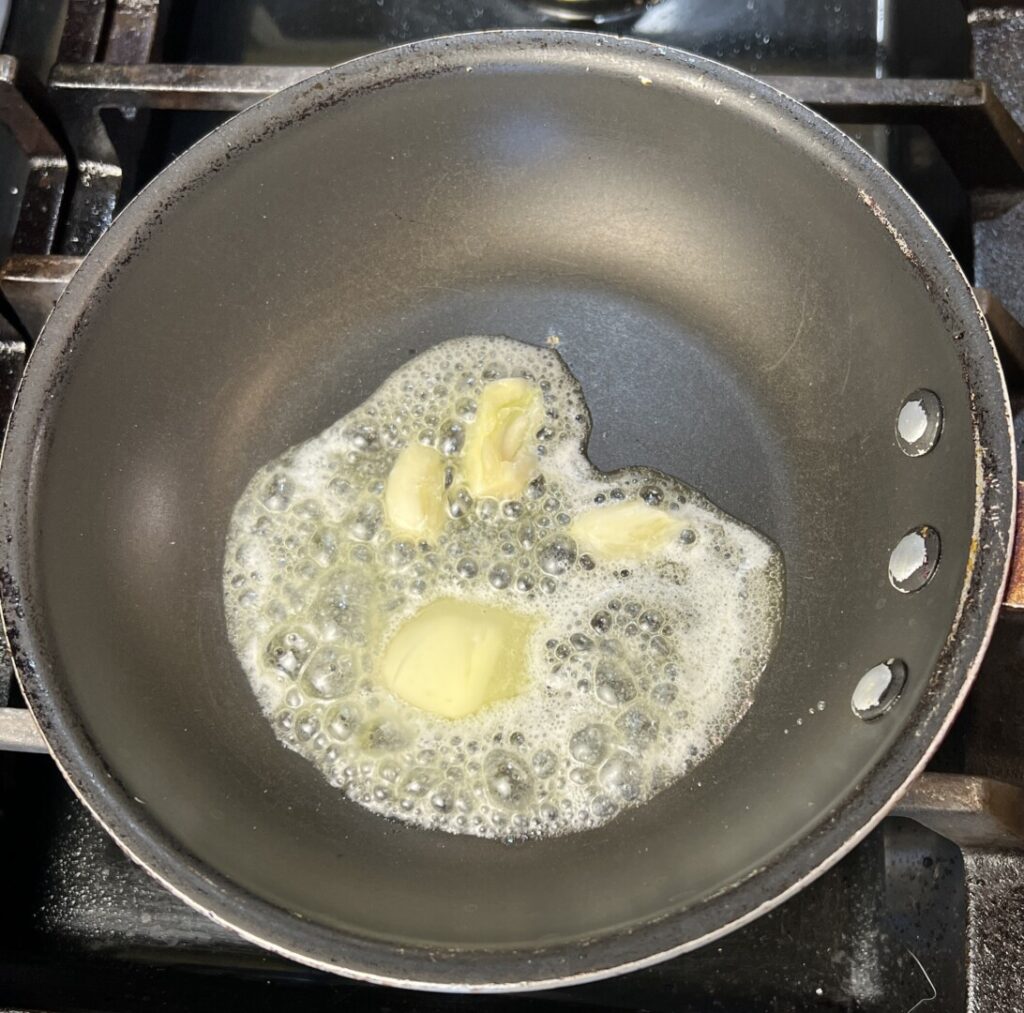
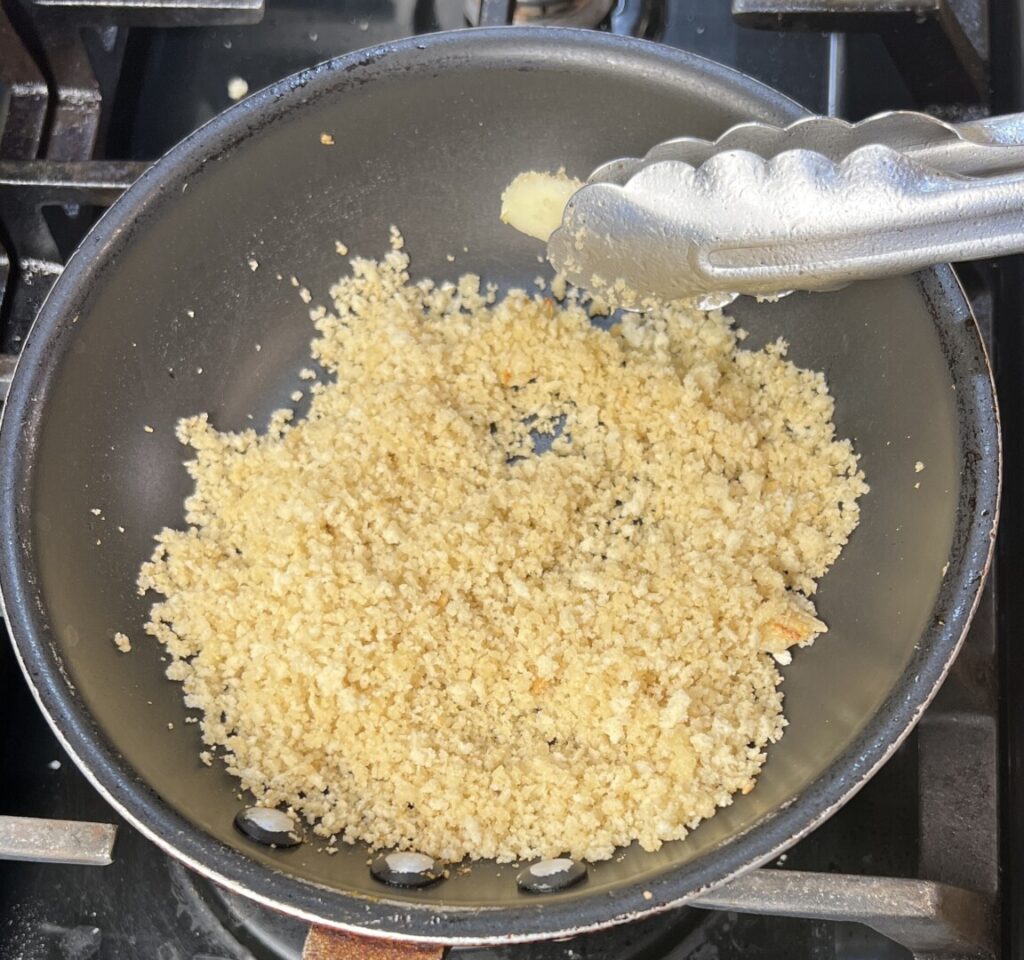
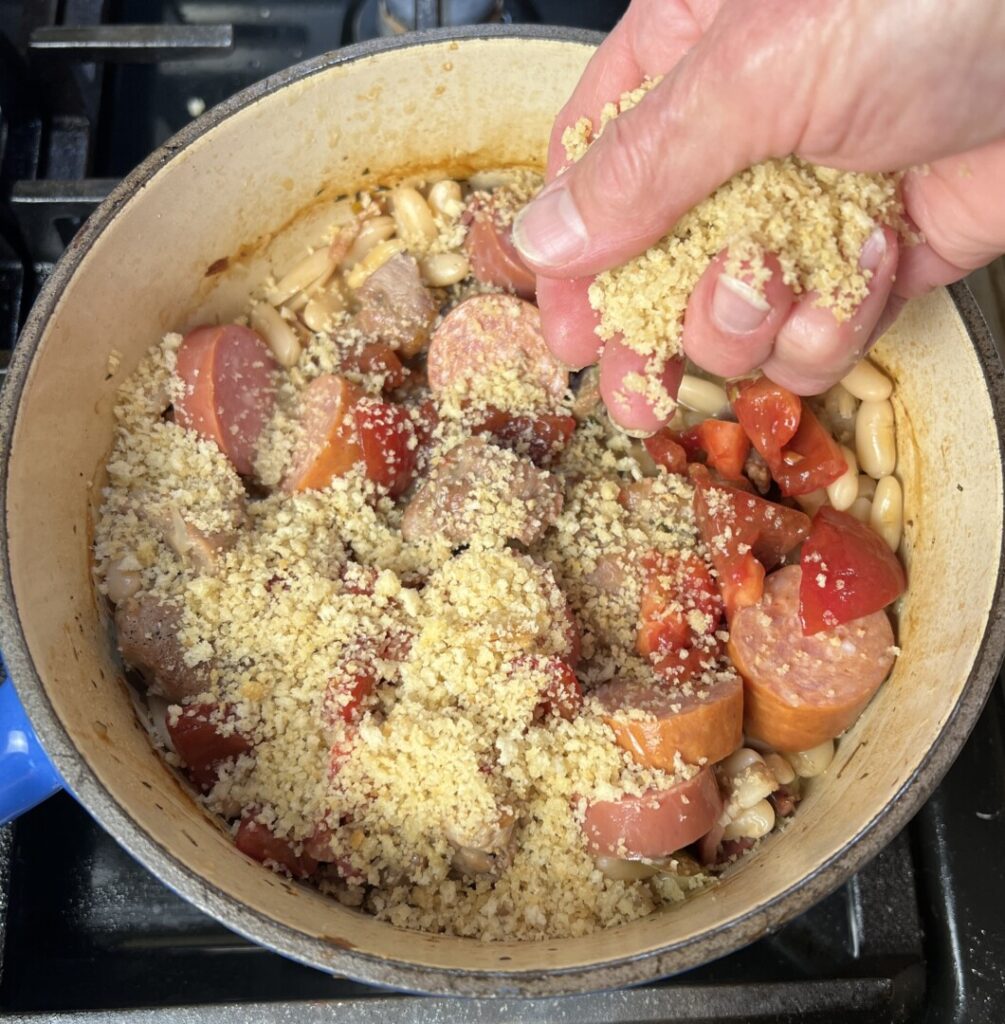
Cassoulet is traditionally crowned with a thick layer of breadcrumbs that add a crunchy counterpoint to the tender beans and meats. Melted butter is infused with the flavor of garlic, and then dry panko crumbs are mixed with the flavored butter. These buttery crumbs are added during the last minutes of baking, during which they turn crisp and golden brown.
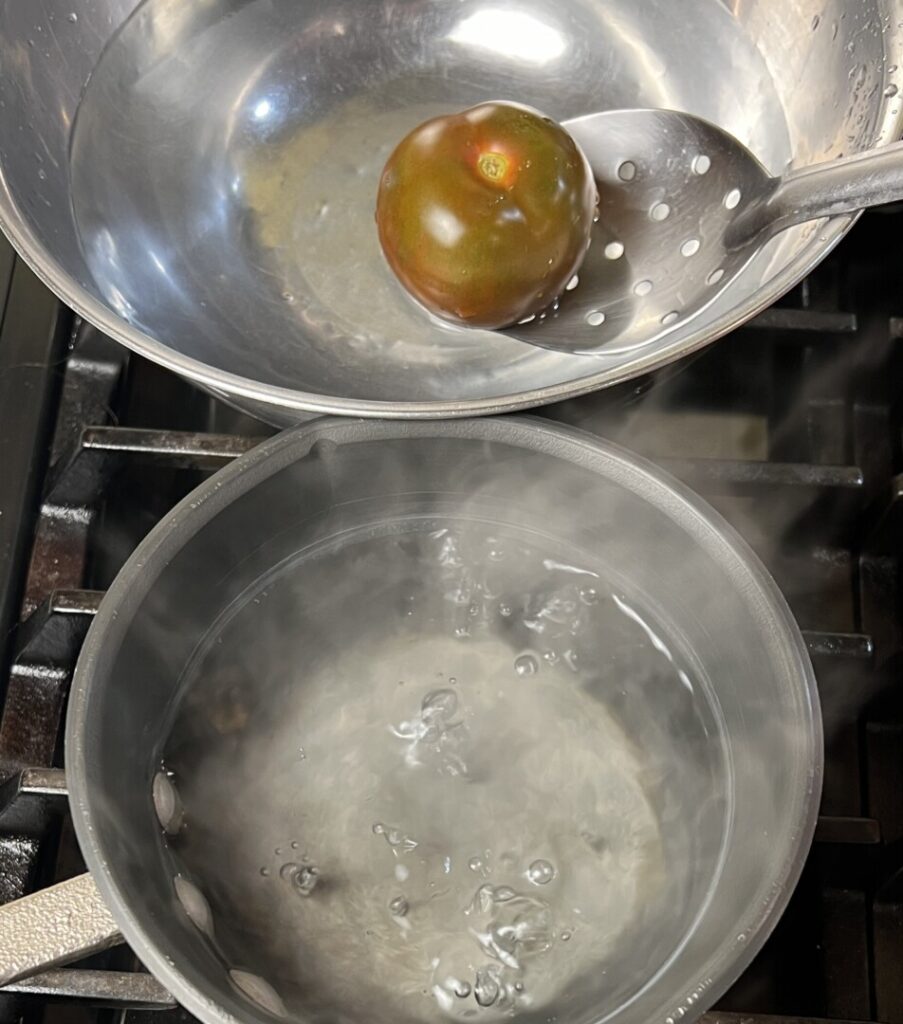
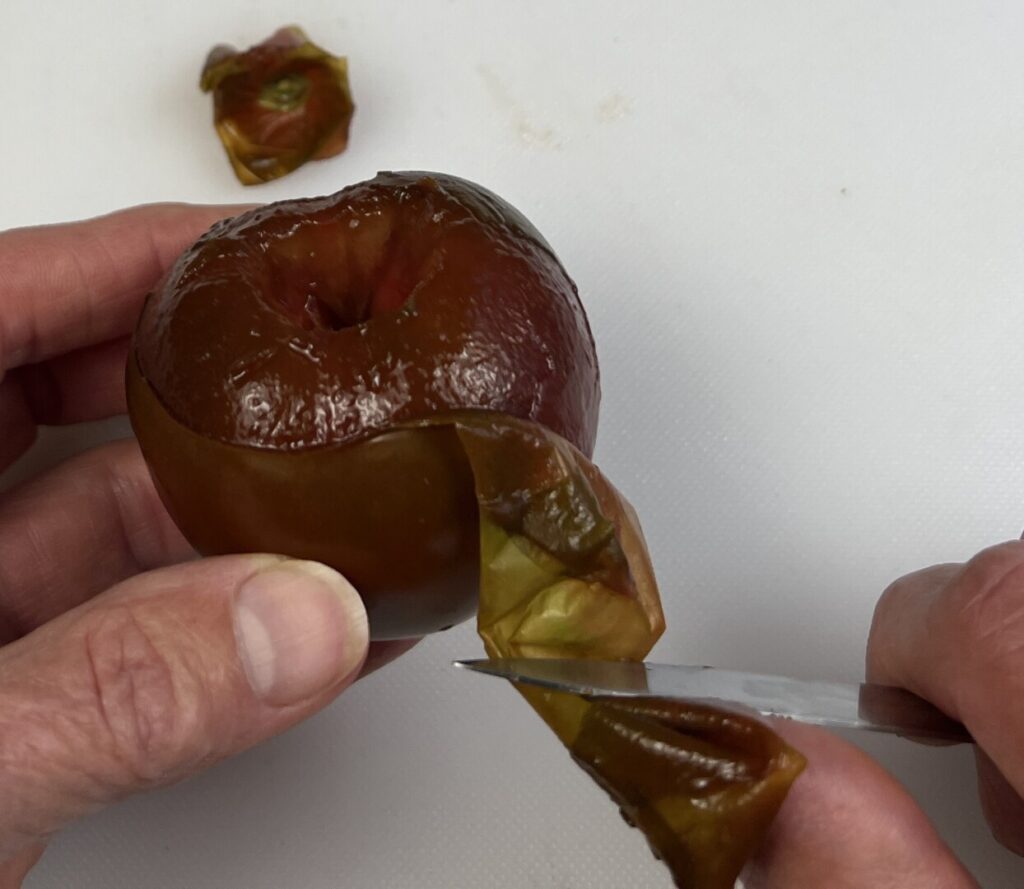
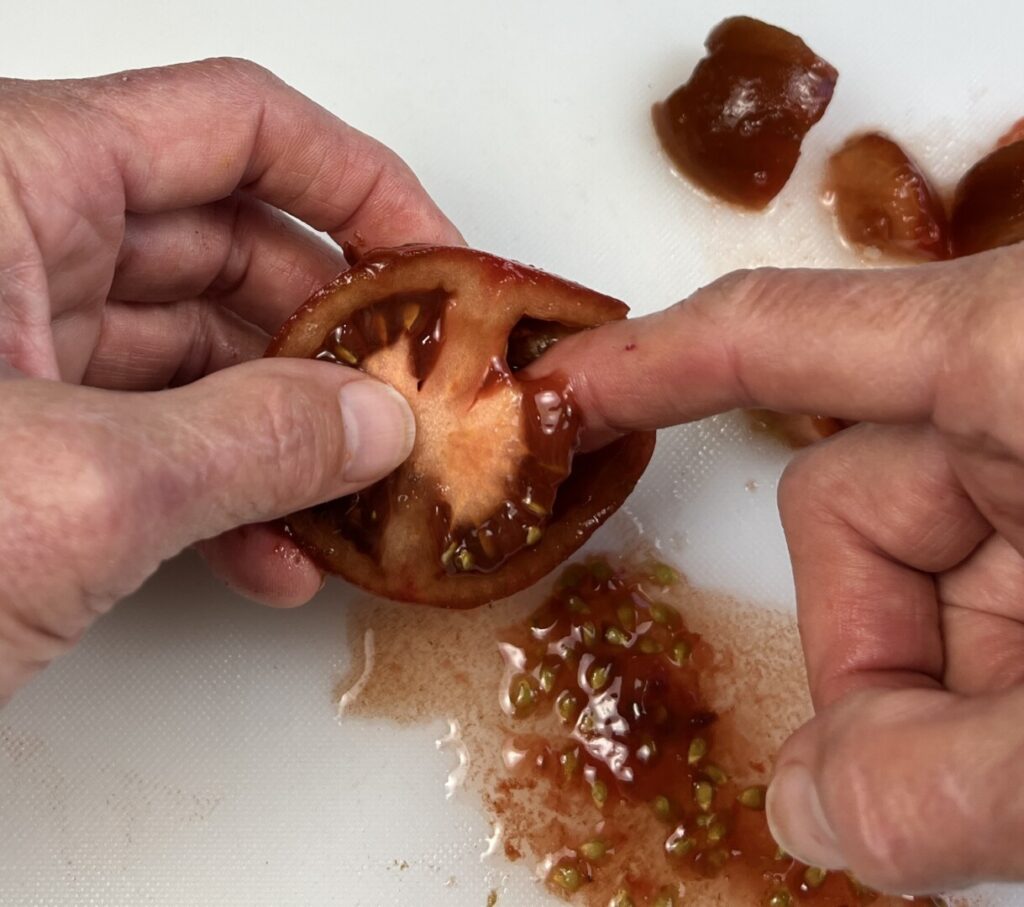
Big chunks of fresh tomato are added to the cassoulet before its final baking. After blanching in boiling water and refreshing in cold water, their skins easily slip off. After cores and seeds are removed, they’re cut into large dice.
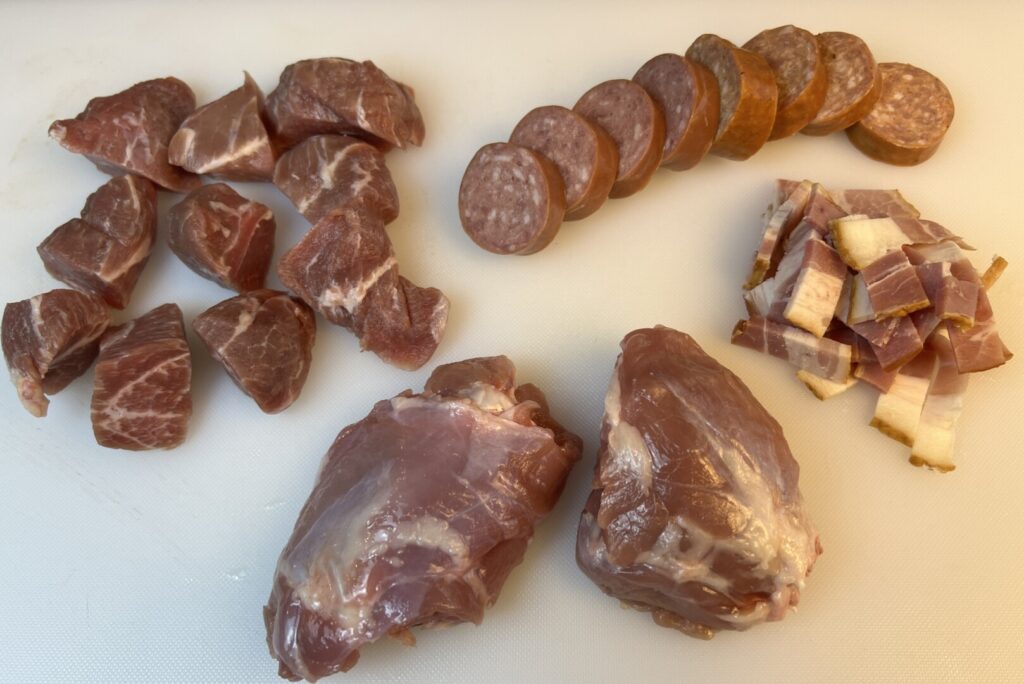
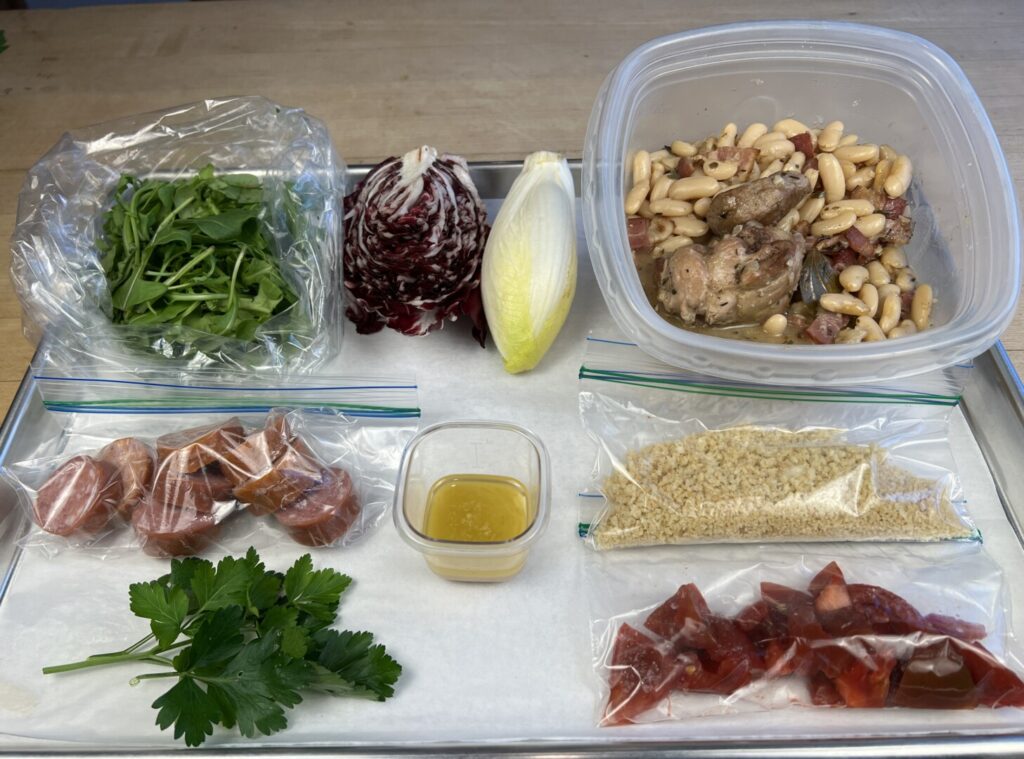
Now your prep is complete. Here’s your mise tray:
It’s dinnertime—let’s COOK!
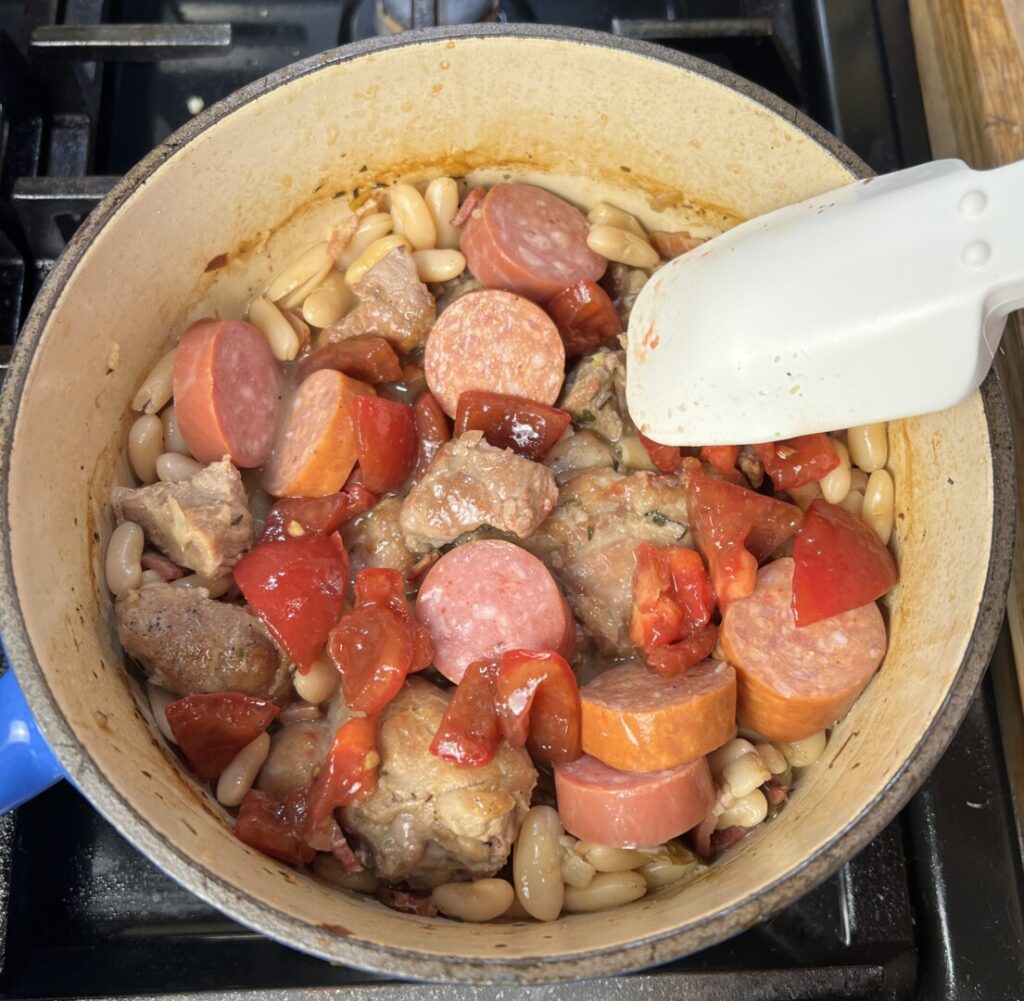
When you’re ready for dinner, it’s time to finish cooking the cassoulet in the oven. A minute or two in the microwave speeds up heating, then the beans and meats go back into their casserole. Here’s where judgment comes into play. Since beans of various types and from various sources cook differently, you must monitor the thickness of the sauce surrounding the beans and adjust by adding more (boiling) water if necessary. This can be tricky; but if you thin the sauce out too much you can always pour it off into a sauté pan and thicken it by reduction. Now add the tomatoes and smoked sausage; these need no cooking, only heating to release their flavors. During the last ten minutes of baking you’ll add the breadcrumbs and watch them turn golden brown. If the beans are done but the crumbs need more color, you can run the cassoulet under the broiler or carefully brown the crumbs with a kitchen torch.
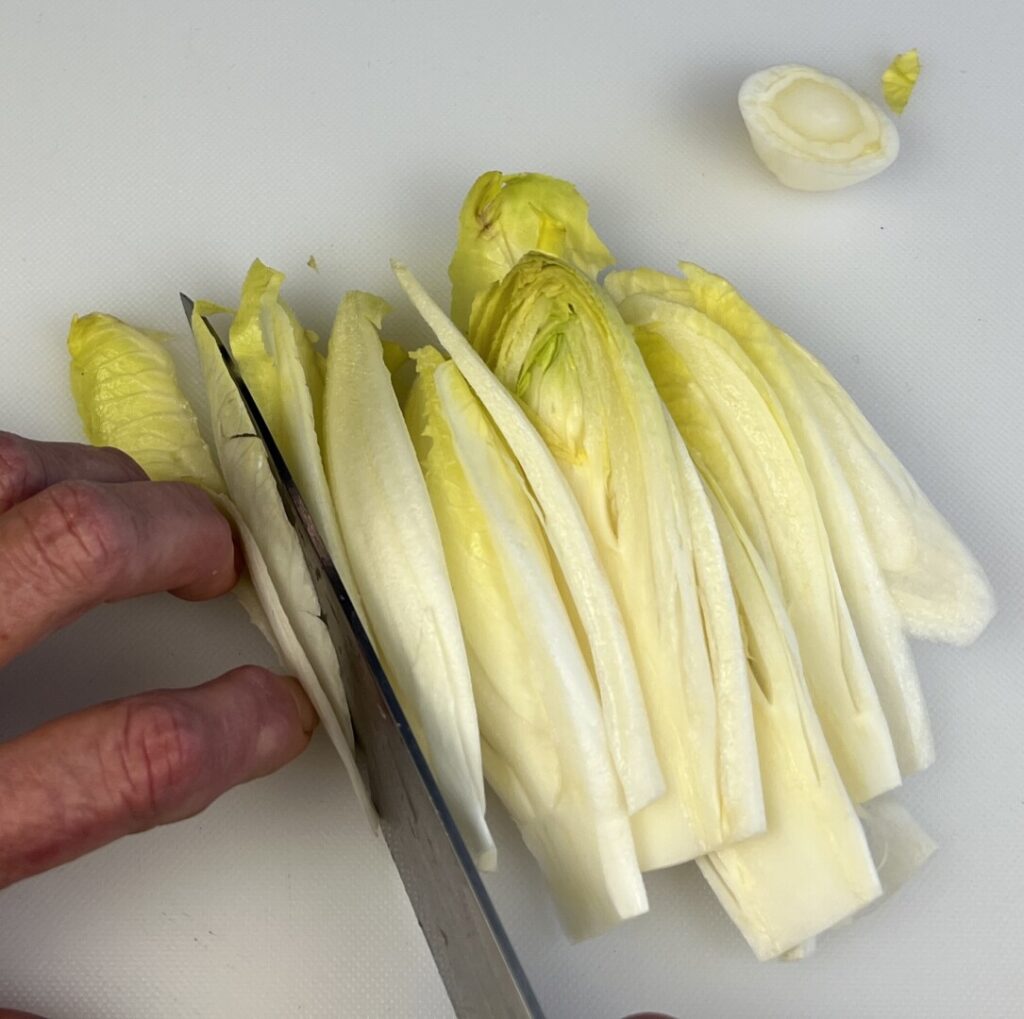
We’re serving our cassoulet with a mixture of sturdy winter salad greens, of which only one is actually green in color. This could be called a tri-color salad: red radicchio, white Belgian endive, and green arugula. The photos below show you how to fabricate the radicchio and endive.
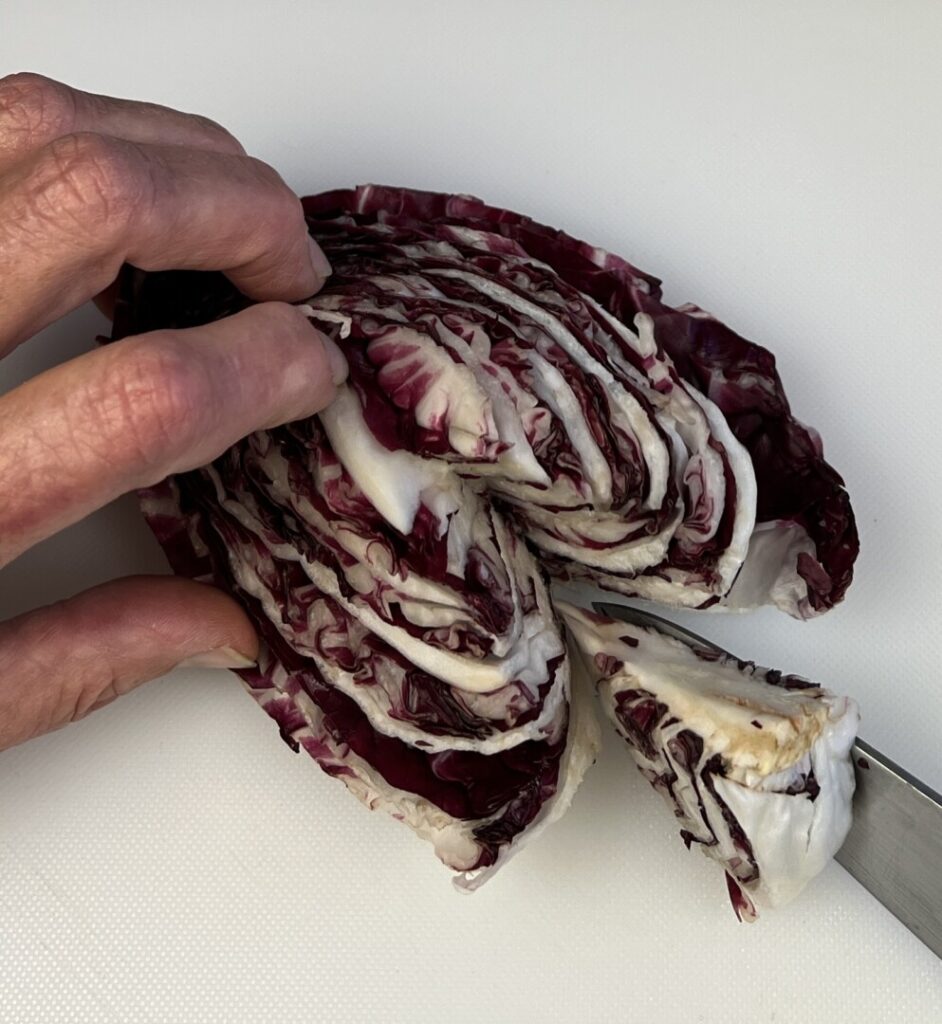
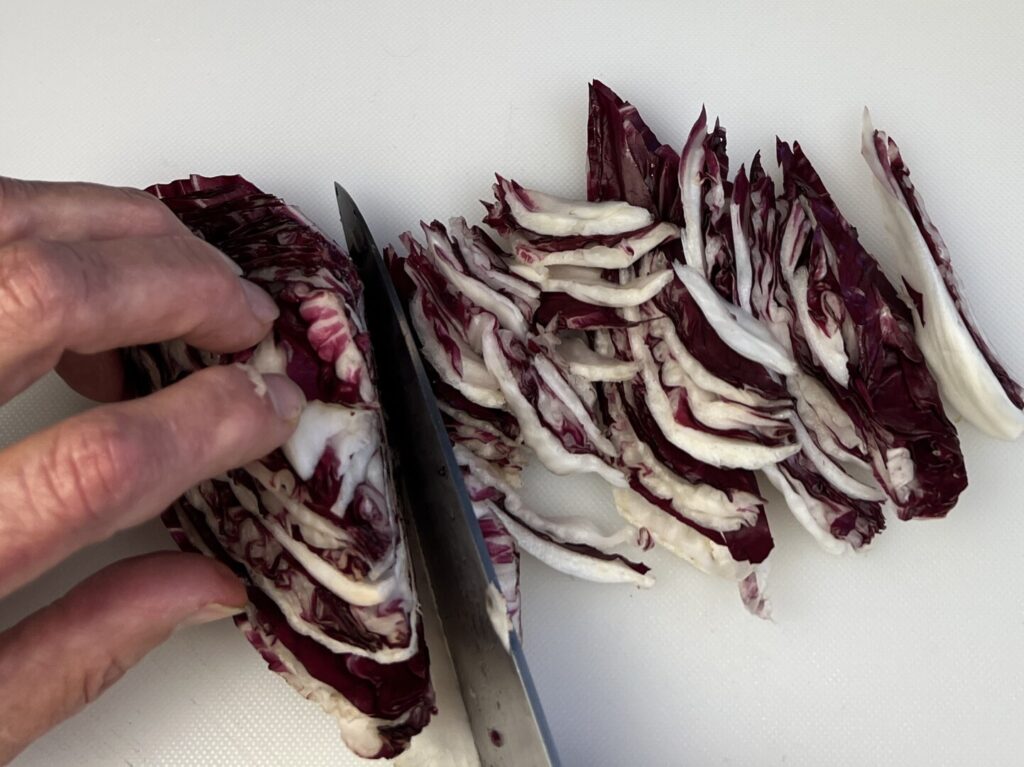
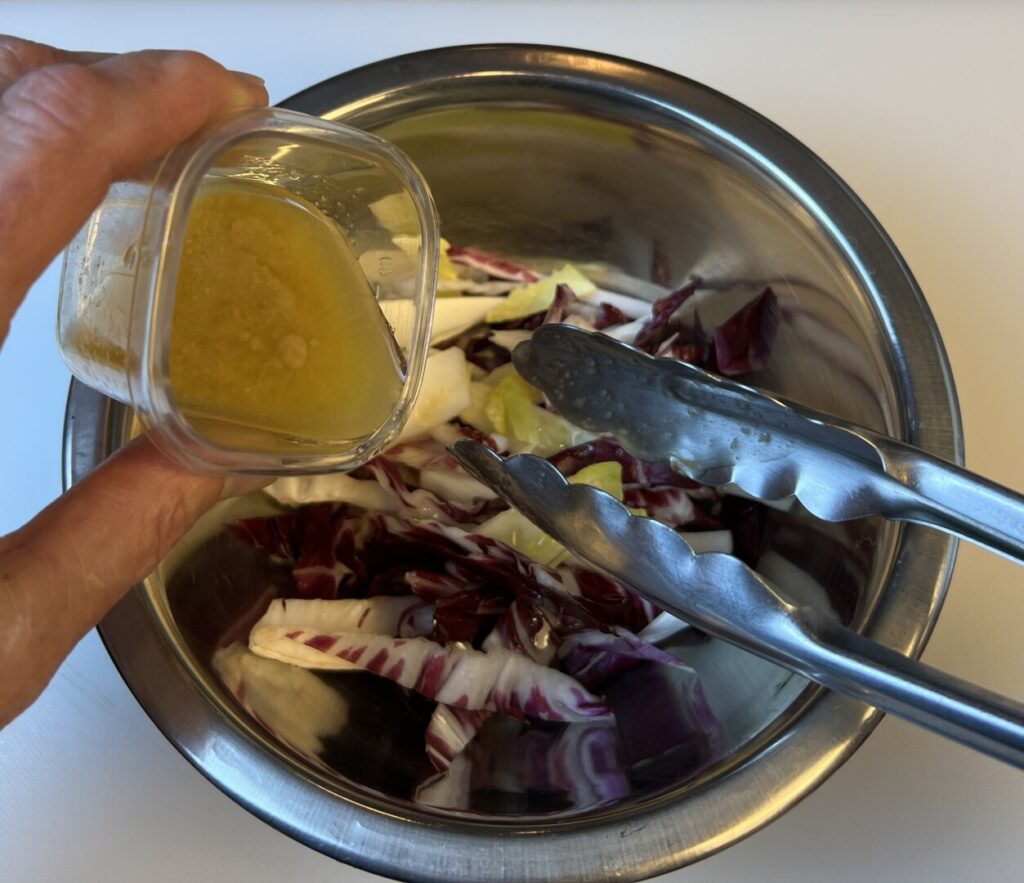
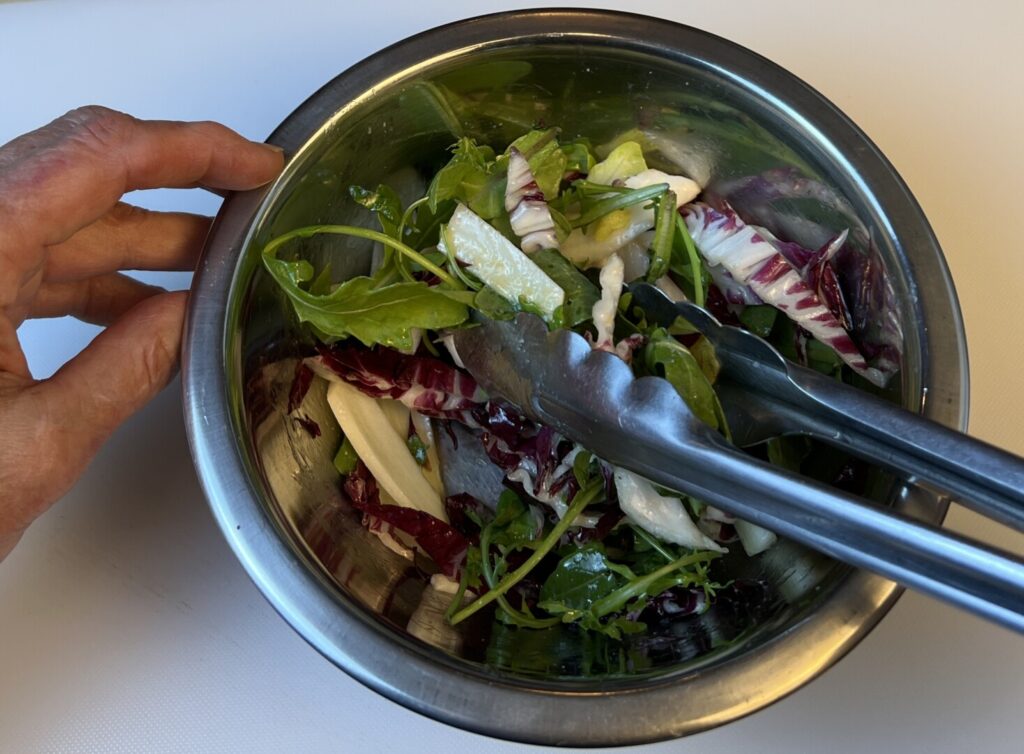
This crunchy, bold-flavored salad wants a bright, acidic, mustardy dressing such as our very French Dijon vinaigrette. Mix in the delicate arugula at the last minute to keep it from wilting.
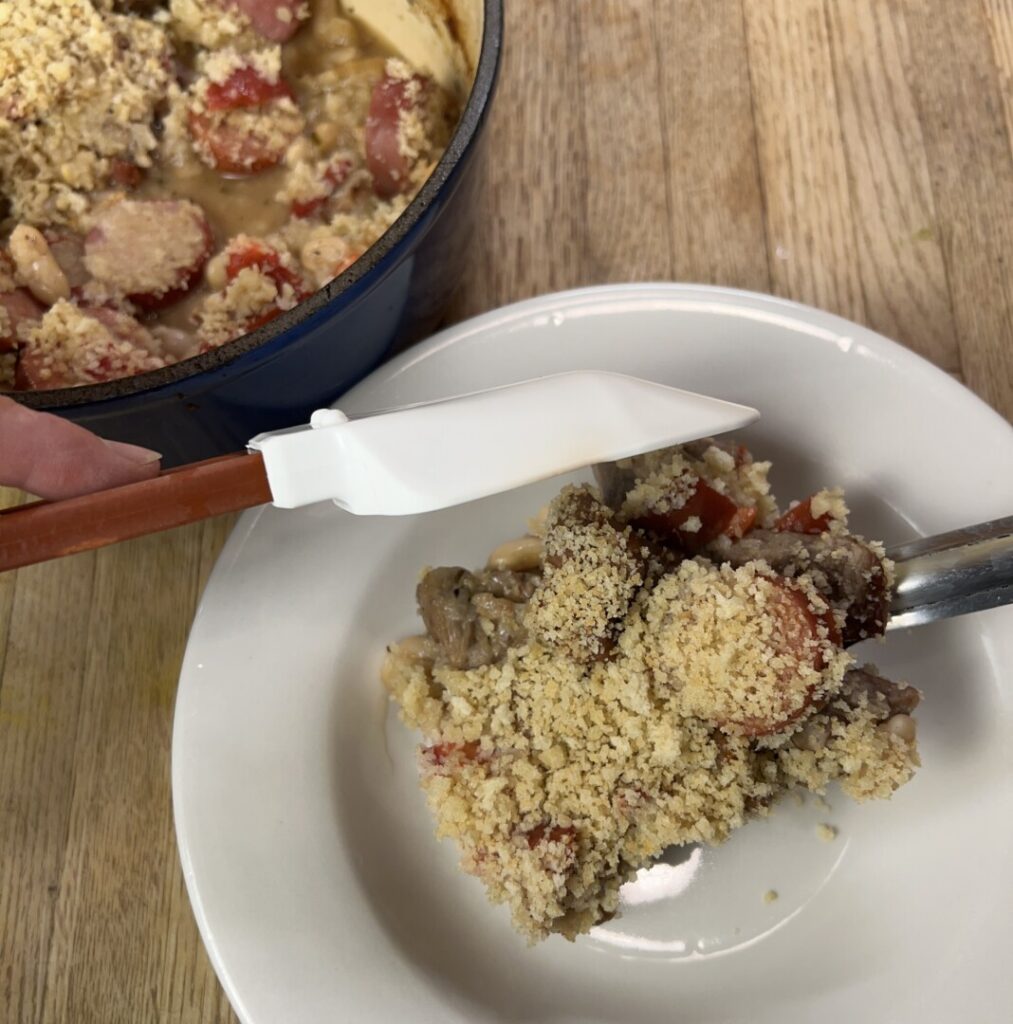
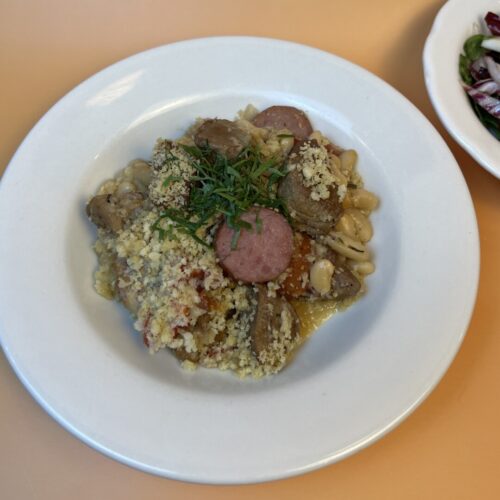
Now you’re ready to plate! It’s simple to spoon up generous servings. Just take care to evenly distribute the pork, sausage, and poultry—and make sure everyone gets a portion of the crunchy crumb crust.
Counterfeit Cassoulet
with Winter Mesclun SaladIngredients
step 1 ingredients
- 1 1/2 c dried cannellini beans (substitute great northern beans)
step 2 ingredients
- 1 Kumato or other vine-ripe tomato
- 1/8 yellow onion
- 2 large garlic cloves
step 3 ingredients
- 5 oz kielbasa or other smoked sausage
- 6 oz pork shoulder or boneless country spare ribs
- 1 8-oz duck leg (2 chicken thighs may be substitited for 1 duck leg)
- 1 thick-cut bacon strip
step 4 ingredients
- 1 c chicken bone broth or chicken stock
- 1 1/2 c water
step 5 ingredients
- 2 Tbsp pure olive oil (not extra-virgin)
step 6 ingredients
- 1 bay leaf
- 1/8 tsp dried thyme
- 1/4 tsp dried tarragon
- 1/8 tsp ground dried sage
- to taste kosher salt
step 7 ingredients
- 1 Tbsp butter
- 1/2 c panko bread crumbs
step 11 ingredients
- 2 Italian parsley sprigs
step 12 ingredients
- 1 head Belgian endive
- 1/3 head radicchio
- 1 Tbsp Dijon Vinaigrette
- 1 oz baby arugula

Instructions
1. If necessary, quick-soak the beans:
- Place the beans in a saucepan and add enough cold water to cover them by 2 inches. Cover the pan and bring the water to the boil.
- Turn off the heat, uncover the beans, and soak for 30 minutes.
2. Fabricate the vegetables:
- Blanch the tomato by dropping it into boiling water for a few seconds, refresh by transferring to ice-cold water for a minute or two, then remove the core and peel off the skin. Cut the tomato in half widthwise, remove most of the seeds, and cut into ¾-inch chunks. If prepping ahead, store the tomato in a plastic bag.
- Fine-chop the onion.
- Peel both garlic cloves. Mince 1 garlic clove. Leave the other clove whole.
3. Start cooking the beans:
- Drain the soaking water off of the beans and place in a heavy oven-proof casserole. Add the chicken broth and water. Place the pan over high heat and bring just under the boil.
- Turn the heat to medium-low. Skim off any foam that rises to the surface. Cover the pan and adjust the heat so that the beans cook at a gentle simmer while you complete step 4, about 15 minutes.
4. Fabricate the proteins:
- Cut the smoked sausage into slices a little less than ½-inch thick. If prepping ahead, store the sausage in a plastic bag.
- Trim away excess fat from the pork and cut into 1 ¼-inch cubes.
- Remove the skin from the duck leg and cut it through the joint to separate the drumstick and thigh. Optionally, use a cleaver to chop off the knuckle from the drumstick. Ensure that no bone fragments remain and that there are no sharp ends. (If using chicken thighs, just remove the skin.) Trim away any remaining fat.
- Cut the bacon into lardons (crosswise strips).
5. Brown the proteins:
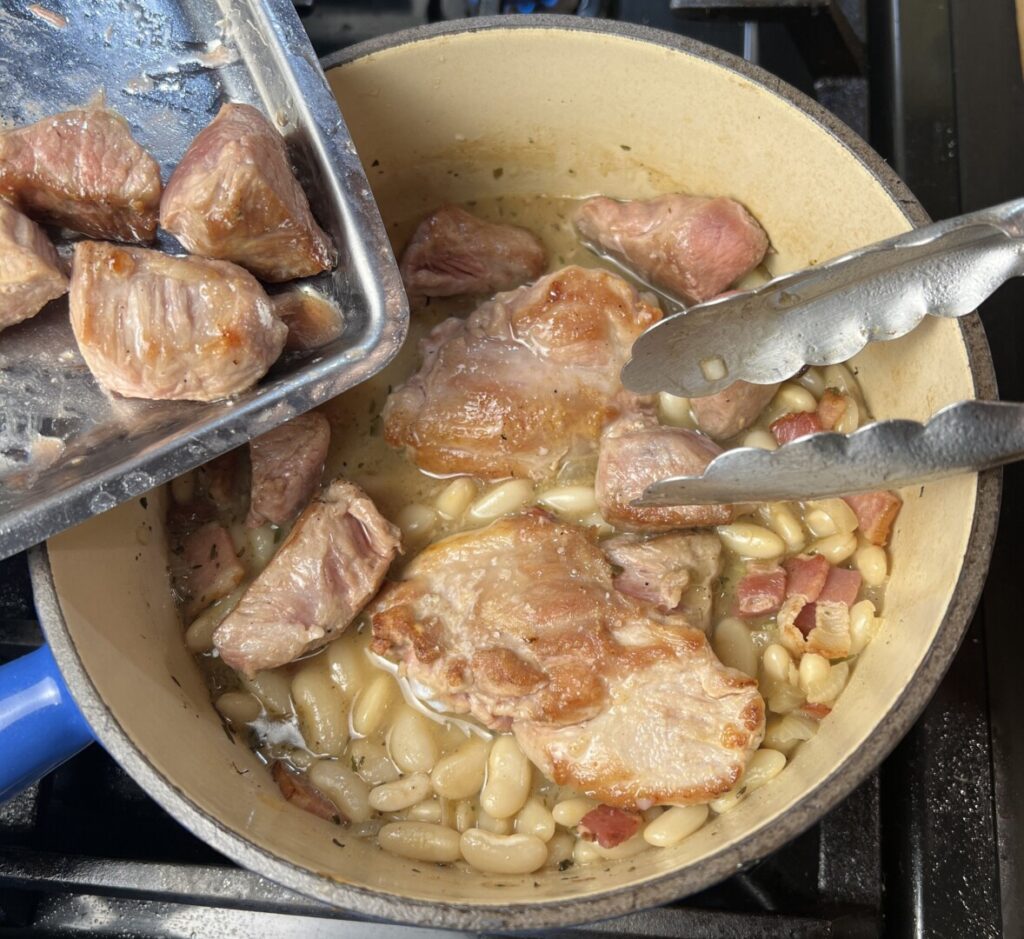
- Place a sauté pan over medium heat until hot but not smoking. Add the olive oil. Add pork cubes on one side of the pan and the duck or chicken on the other. Season both with a little salt. Sauté the pork about 1 minute, turning halfway through, until browned. Remove the pork to a sizzle pan or work plate. Turn the duck or chicken, moving it to the center of the pan, and continue sautéing until all sides are browned. Transfer to the sizzle pan. Turn the heat to low.
- Add the bacon lardons and sauté, stirring often, for about 45 seconds until the bacon renders its fat and becomes golden brown. As you sauté, gently scrape up the fond (browned bits of protein) from the pan.
6. Continue cooking the beans:
- Preheat an oven to 350°F.
- Add the onion and minced garlic to the pan with the bacon, and sauté a few seconds longer until the onion softens. Scrape the bacon/onion mixture into the simmering beans and stir to combine.
- Add the bay leaf, thyme, tarragon, and sage to the beans and stir to combine.
- Recover the simmer, cover the pan, and continue cooking the beans, stirring often, for about for about 15 minutes longer.
- Add the pork and duck or chicken to the beans, cover the pan, and bake for about 35 minutes until the beans are just tender and the proteins are cooked through. (A knife inserted into them should meet with just a little resistance.)
- Taste the bean broth, evaluate the flavor, and if necessary season with salt, keeping in mind that the beans will cook further and reduce, concentrating the flavor.
- If prepping ahead, cool to room temperature and transfer the beans and proteins to a container.
7. Season the breadcrumbs:
- Crush the whole garlic clove.
- Melt the butter in a small sauté pan over low heat and add the garlic clove.
- Stir in the panko crumbs and cook for a few seconds until the butter absorbs into them and the garlic is fragrant. Don’t allow the crumbs to brown.
- Cool the crumbs to room temperature, and discard the garlic. If prepping ahead, store in a plastic bag.
8. If necessary, make the Dijon Vinaigrette.
9. Assemble the remaining mise-en-place for the recipe.
HOLD: Refrigerate all ingredients up to 5 days.
COOK! Finish and plate your dinner.
10. Assemble and bake the cassoulet:
- Preheat an oven to 400°F.
- Heat the beans and proteins in a microwave oven on medium power until hot.
- Transfer the beans and proteins to a heavy oven-proof casserole. Remove the bay leaf.
- Check the consistency of the sauce that has formed around the beans: if it’s very thick, thin it out with a little water. If it’s too thin, pour it into a sauté pan and reduce over high heat, stirring often, until it reaches a medium-thick consistency. Keep in mind that the sauce will thicken further in the oven.
- Taste the beans, evaluate, and correct the salt if necessary.
- Fold the tomatoes and smoked sausage into the beans and proteins.
- Cover the casserole and place in the oven. Bake for 15 minutes.
- Check the consistency of the sauce around the beans. If the beans seem dry, slowly drizzle some boiling water overtop to moisten them.
- Turn the heat up to 475°F. Uncover the casserole and spread the breadcrumbs evenly over top. Return the casserole to the oven and bake about 10 minutes more until the breadcrumbs are golden brown.
11. Chop the parsley.
12. Make the salad:
- Trim away ⅛ inch of the Belgian endive’s root end and remove any wilted or discolored leaves. Cut the endive lengthwise into slices slightly less than ¼-inch wide. Separate or cut the slices into strips. Place in a bowl.
- Cut out the core of the radicchio and remove any wilted outer leaves. Cut the radicchio into ¼-inch ribbons and add to the bowl.
- Drizzle just enough dressing onto the salad to coat the leaves. Toss gently, and then toss in the arugula at the last minute.
13. Plate:
- Spoon the cassoulet into warm pasta plates or wide soup bowls, ensuring that each serving has equal amounts of the proteins and an equal amount of the crispy crumb crust. Sprinkle each serving with parsley.
- Serve the salad in individual bowls.