

Your Cooking Lesson
Advice, explanation, and in-depth information to help you achieve recipe success.
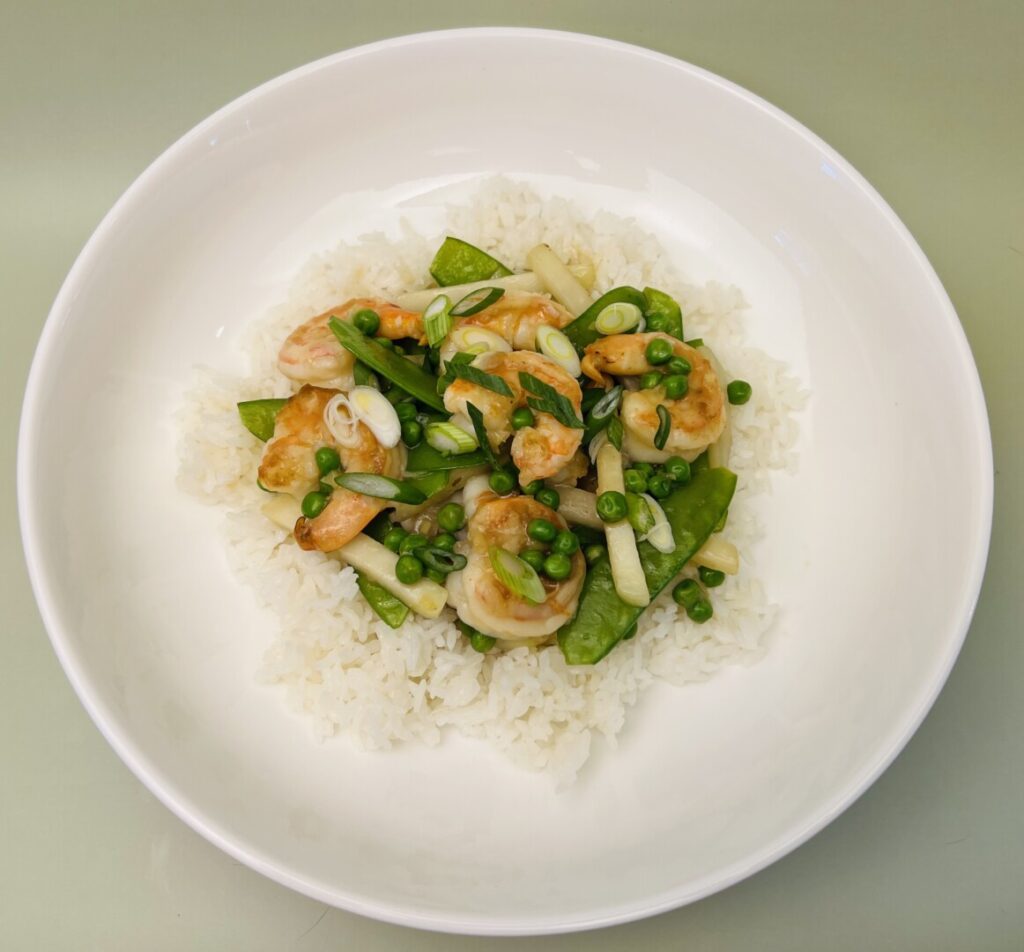
It begins gradually, when a few brave blades of grass emerge from the dull, winter-brown fields. Then, after a week of warm, rainy days, suddenly green is everywhere! From the palest to the most vivid, the green hues of young kohlrabi, snow peas, and English peas evoke the colors of spring. This Chinese-inspired recipe calls them “jade” vegetables, a fitting name. Contrasted with coral-pink shrimp in a light ginger sauce, these springtime vegetables make a fresh and light entrée that looks as good as it tastes.
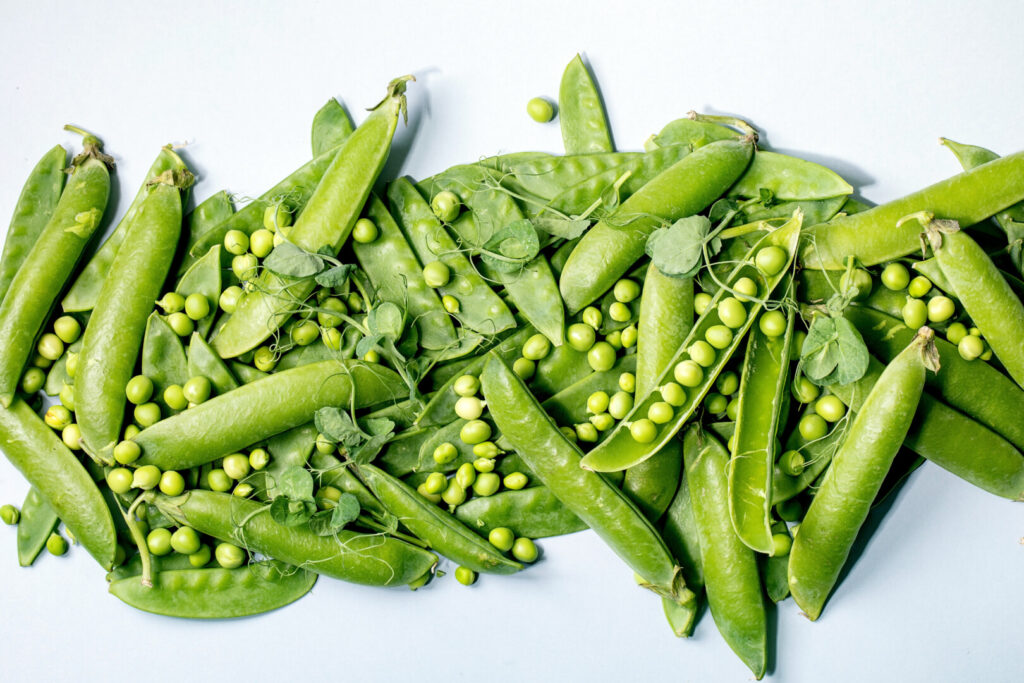
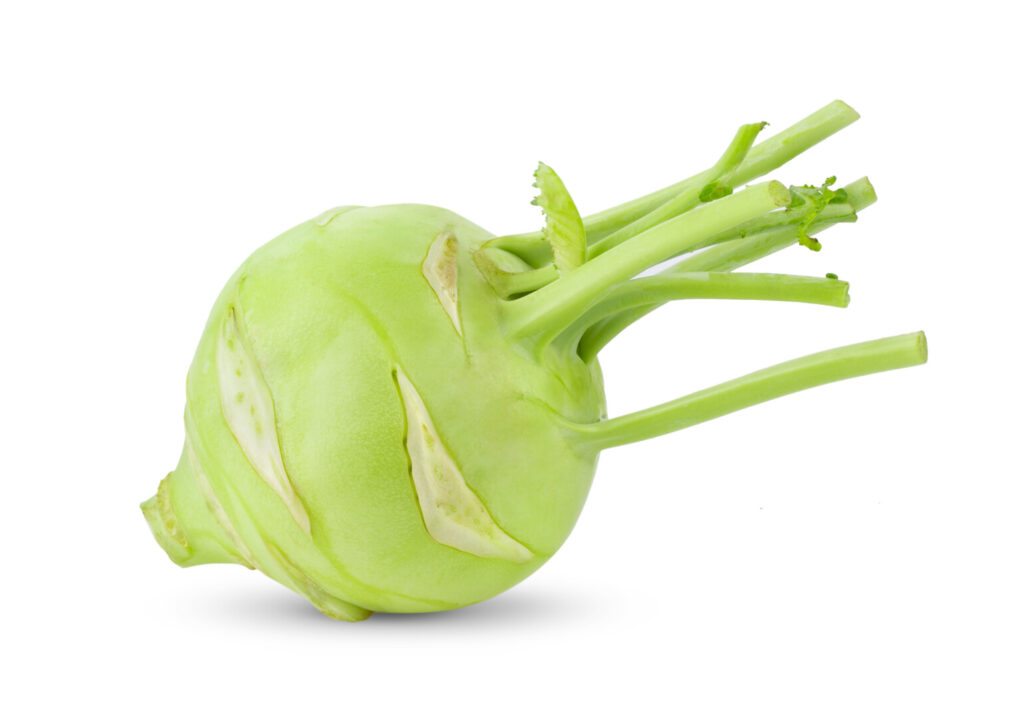
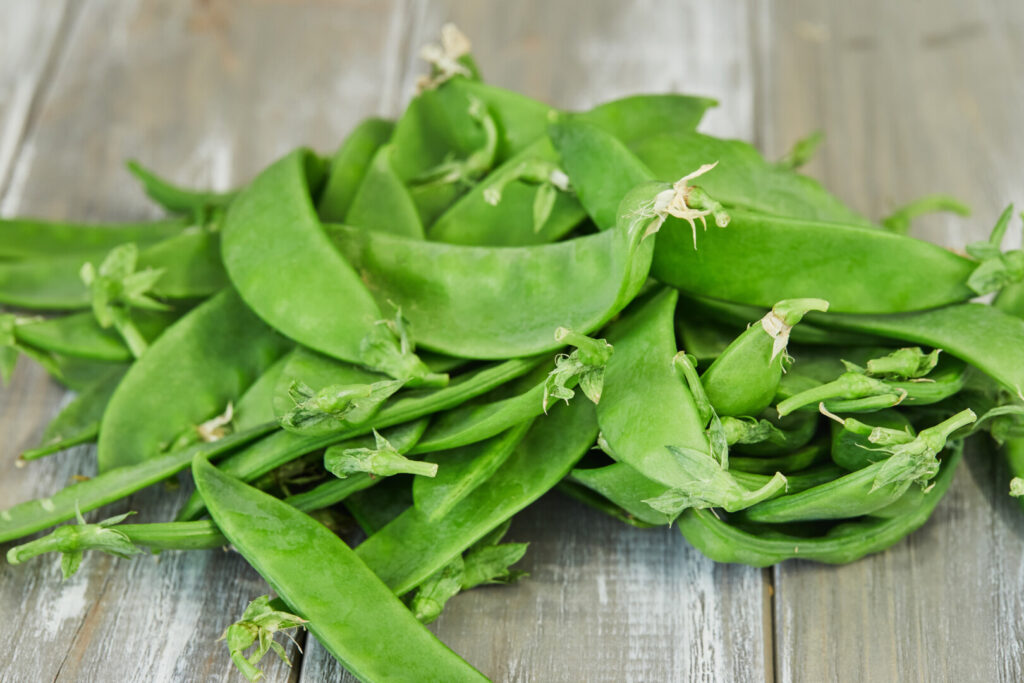
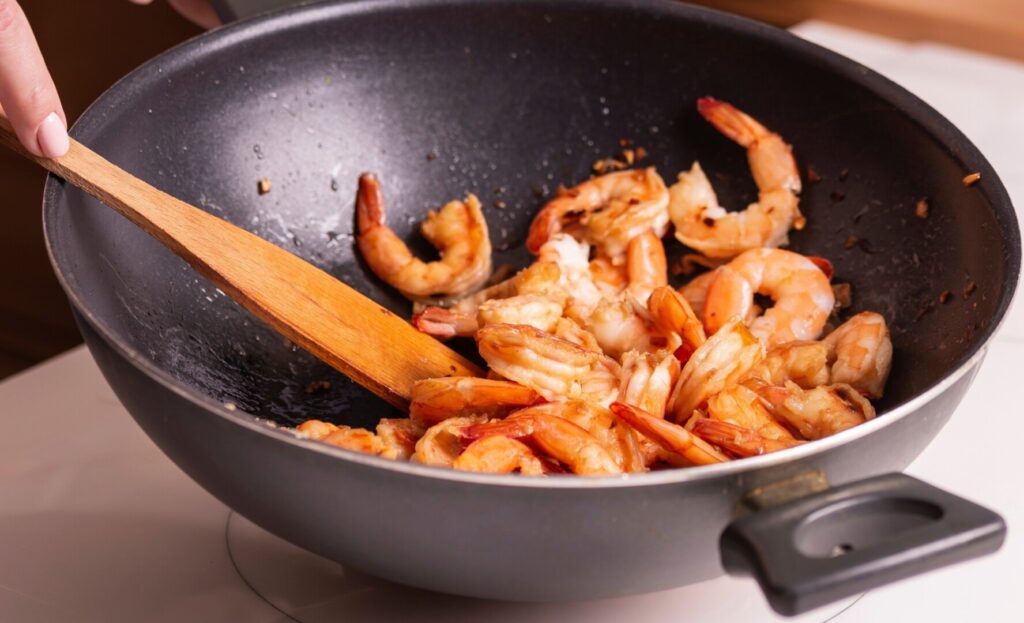
The stir-fry cooking method brings out the best in tender, young, springtime vegetables. Snow peas need nothing more than a fast tumble in searing-hot oil to bring out their sweetness and keep their crunch. Firmer kohlrabi and raw peas require the briefest braise: stir-fried then quick-steamed in a cloud of vapor. Stir-frying also works wonders with shrimp. Brief cooking with high heat keeps them tender, and browning brings out their innate sweetness plus plenty of umami deliciousness.
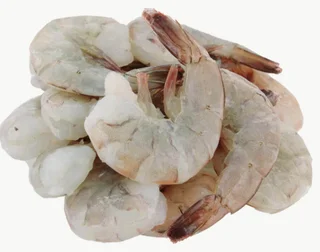
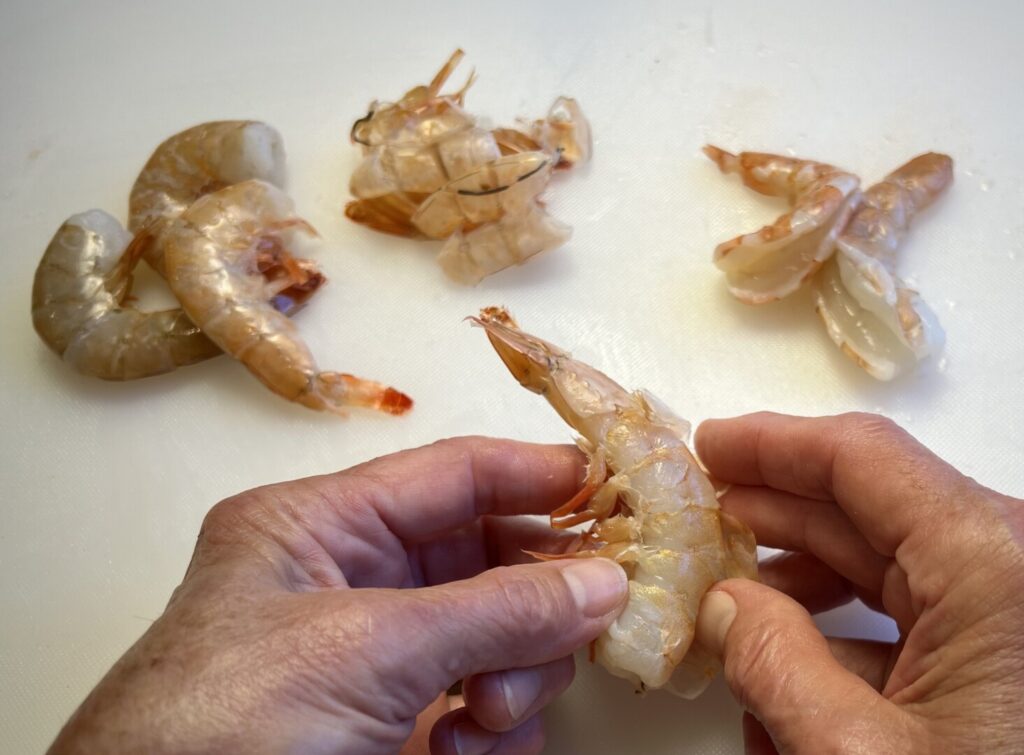
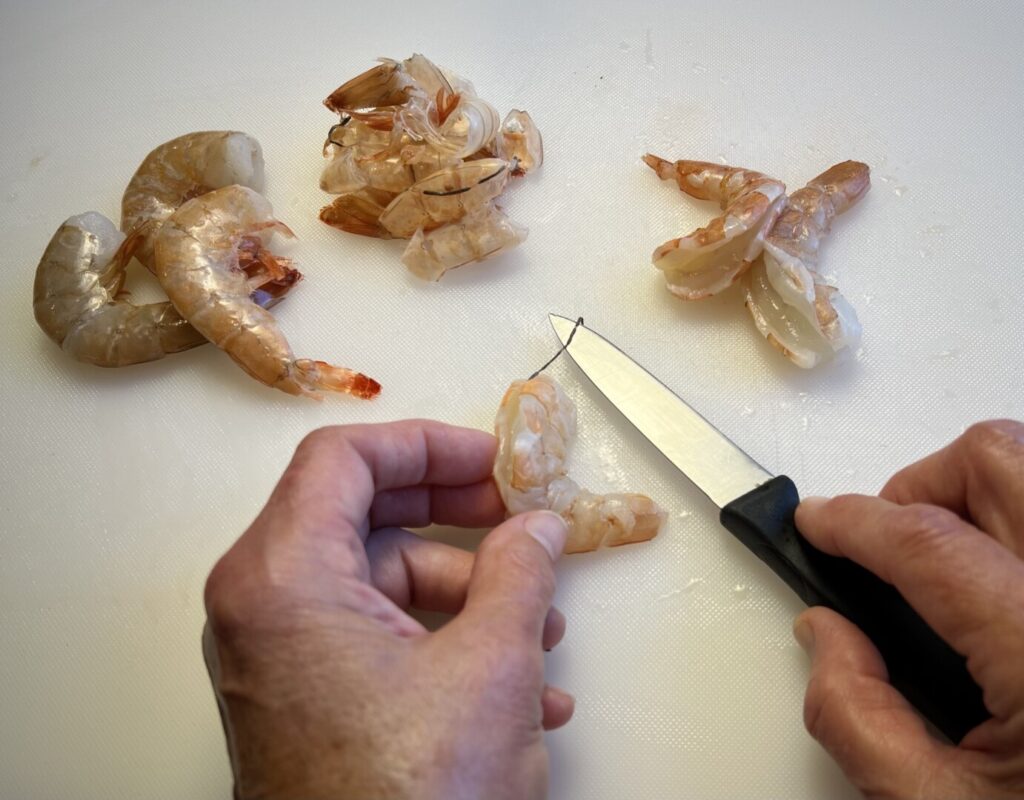
You’ll begin the recipe by peeling and deveining the shrimp. But, first, a word about which type of shrimp to buy. For best quality choose domestically-produced, wild-caught varieties. Although excellent shrimp are caught in the Atlantic off the Carolina coasts, most commercially-available domestic shrimp hail from the Gulf of Mexico—hence the name “Gulf shrimp.” Farmed shrimp from Asia are inferior in flavor and texture and, in many cases, are not ethically produced. It’s worth your time to buy shrimp intact with shells and peel them yourself. Unless you live in a coastal shrimp-producing area, virtually all available shrimp are (or had been) frozen. Leaving the shells on keeps moisture within the shrimp, helps prevent freezer-burn, and better retains flavor. Shrimp size is listed using the “count per pound” specification. A count of 26-30 means that there are between 26 and 30 shrimp per pound. (The higher the count numbers, the smaller the shrimp.) You’ll peel the shrimp, removing the tails, and then de-vein them as shown below.
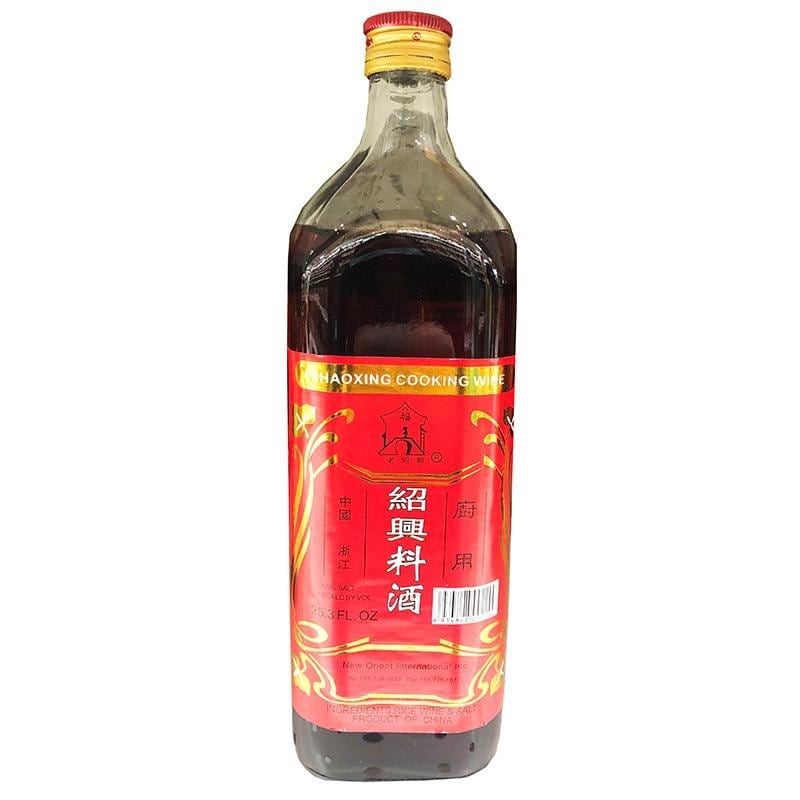
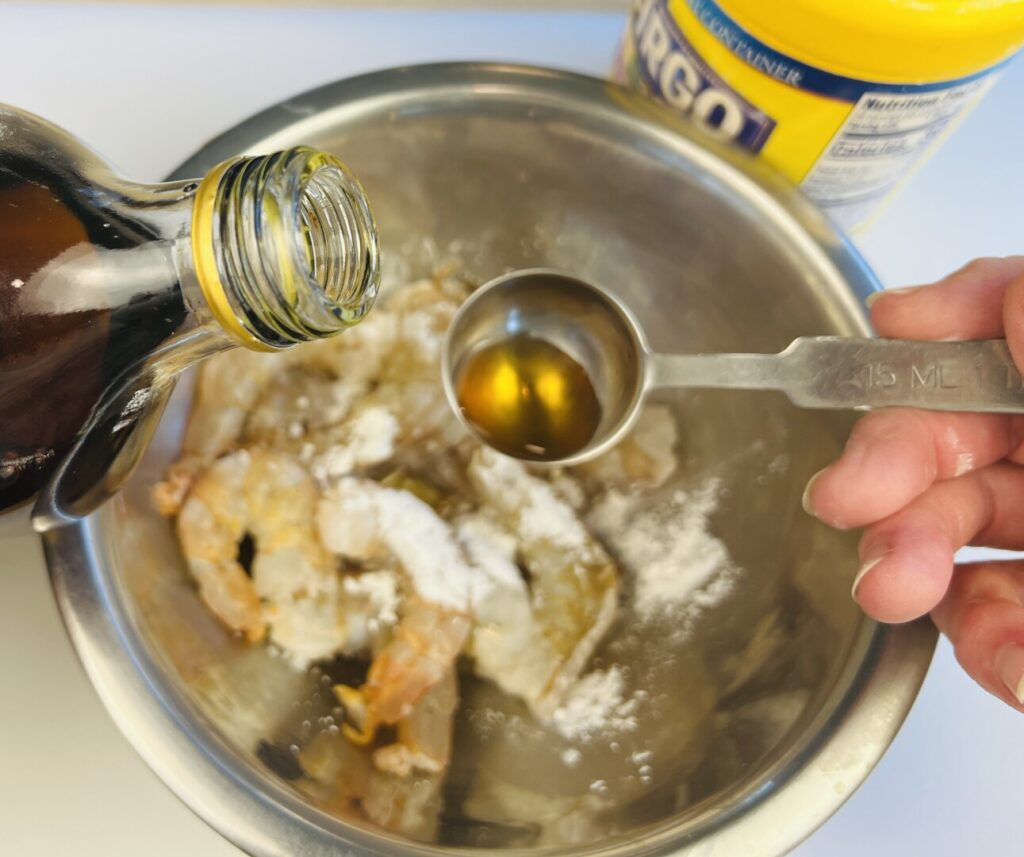
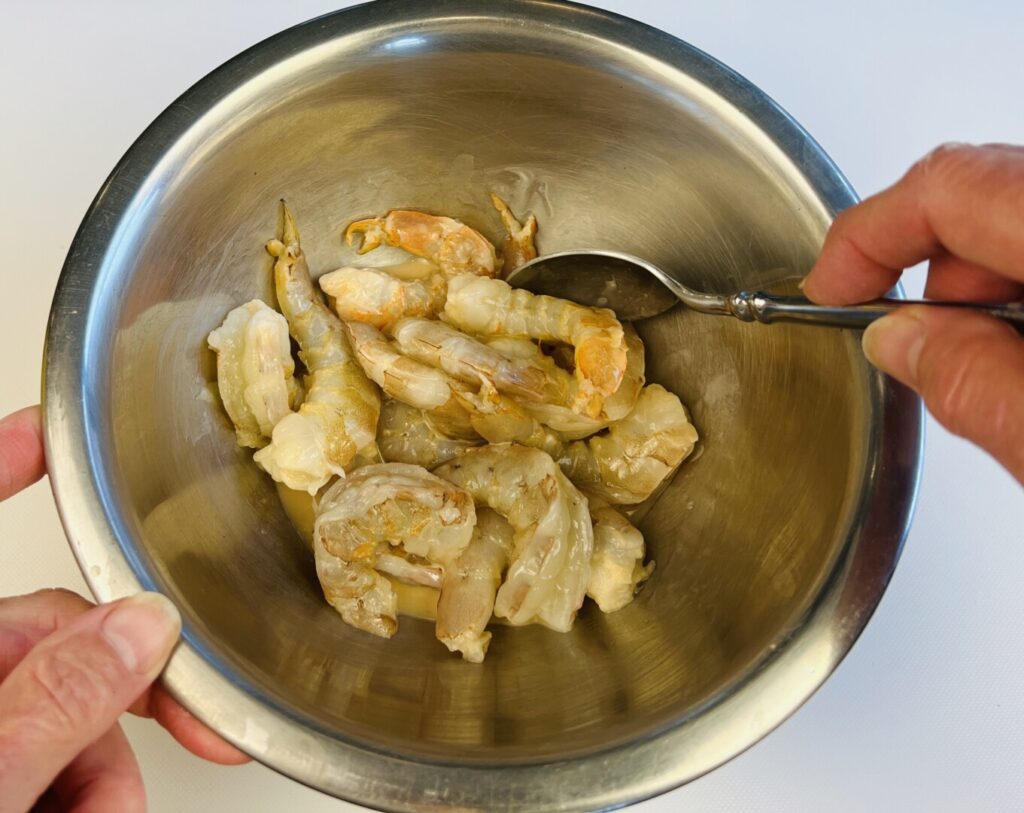
The next step is to “marinate” the shrimp. However, both the ingredients used in a Chinese cuisine marinade and its purpose are different from marinades used in Western cuisines—hence the quotation marks. A basic Chinese marinade comprises rice wine, cornstarch, and salt or soy sauce. The preferred rice wine is a type called shao xing, of which there are many Chinese brands available. https://amzn.to/3YgCS4e Avoid shao xing labeled “cooking wine,” as this has had salt added to comply with some US state regulations. Unlike Western cuisine marinades, the purpose of a Chinese marinade is not flavor-enhancement and tenderization but, rather, to create a starchy, semi-fluid coating on the exterior of a protein food before stir-frying. This coating serves to prevent the food from sticking to the pan, hold in moisture, and enhance browning. The process is simple: Just add the marinade ingredients to the shrimp and stir to evenly coat them. Because Chinese rice wine is low in acidity and the sodium level is low, there’s no danger of over-marination.
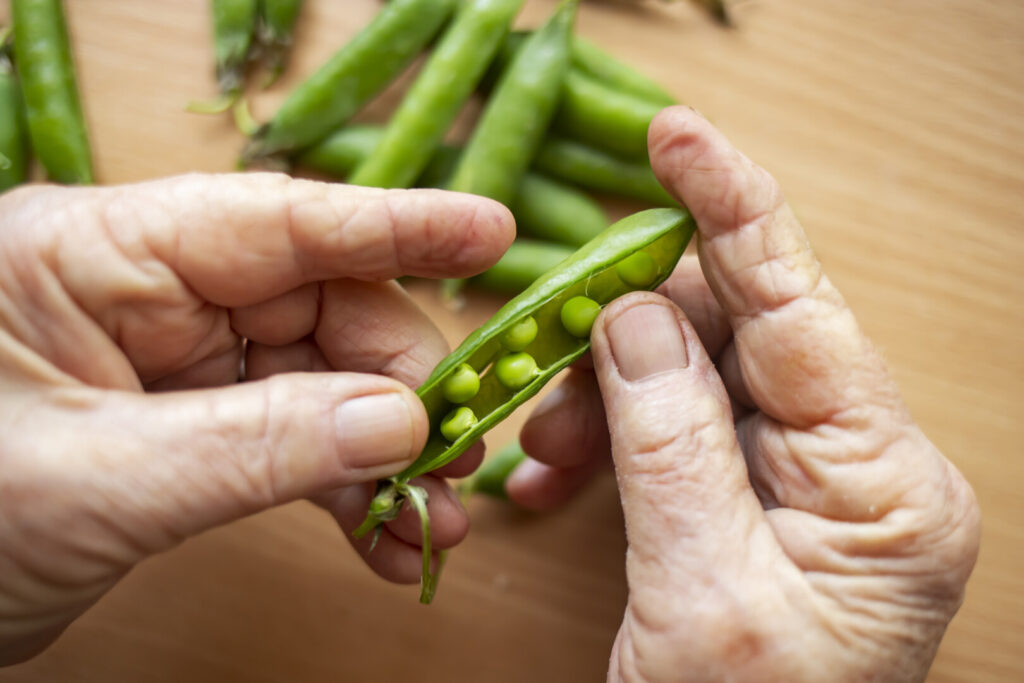
Fabricating the vegetables for our stir-fry is an important part of the prep. If you’re able to find fresh young peas in the pod, shell them. Just give each pod a gentle squeeze at the pointed tip; the pod will open enough to slide your fingers in and nudge out the peas.
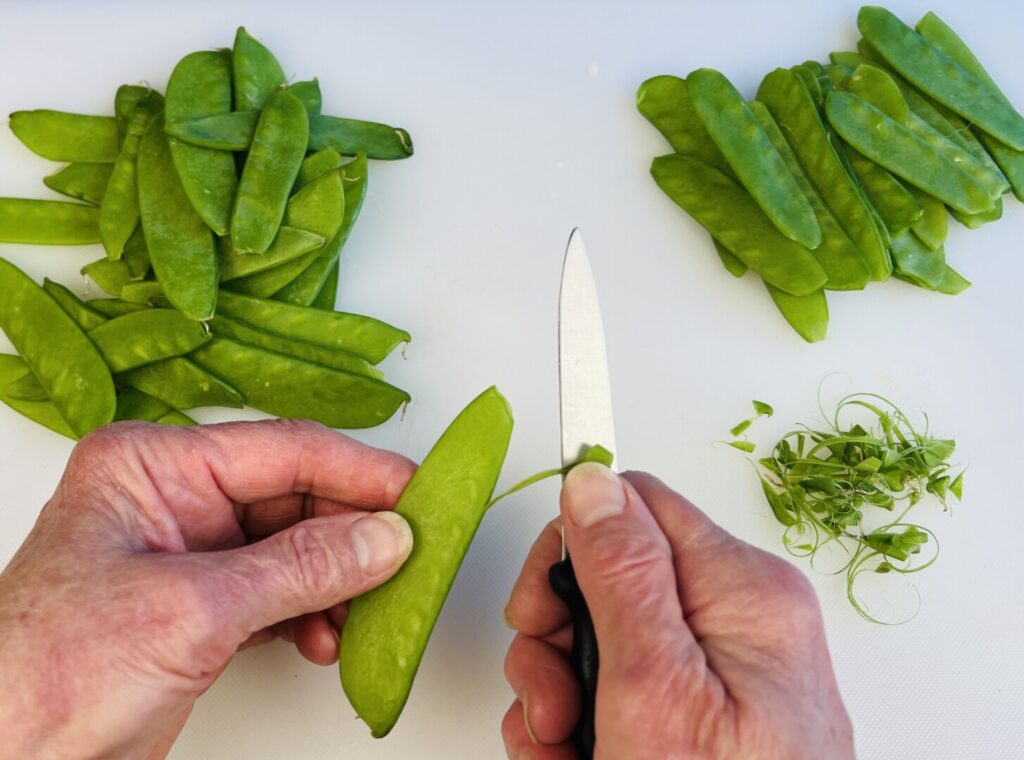
Most mature snow peas have strings: fibrous filaments that run along each edge of the pod. If not carefully removed, the strings will give the snow peas an unpleasant mouthfeel. Using a sharp paring knife, cut one tip off the pod on the diagonal and, holding the tip, pull gently downward. Repeat this with the other end and the string on the other edge.
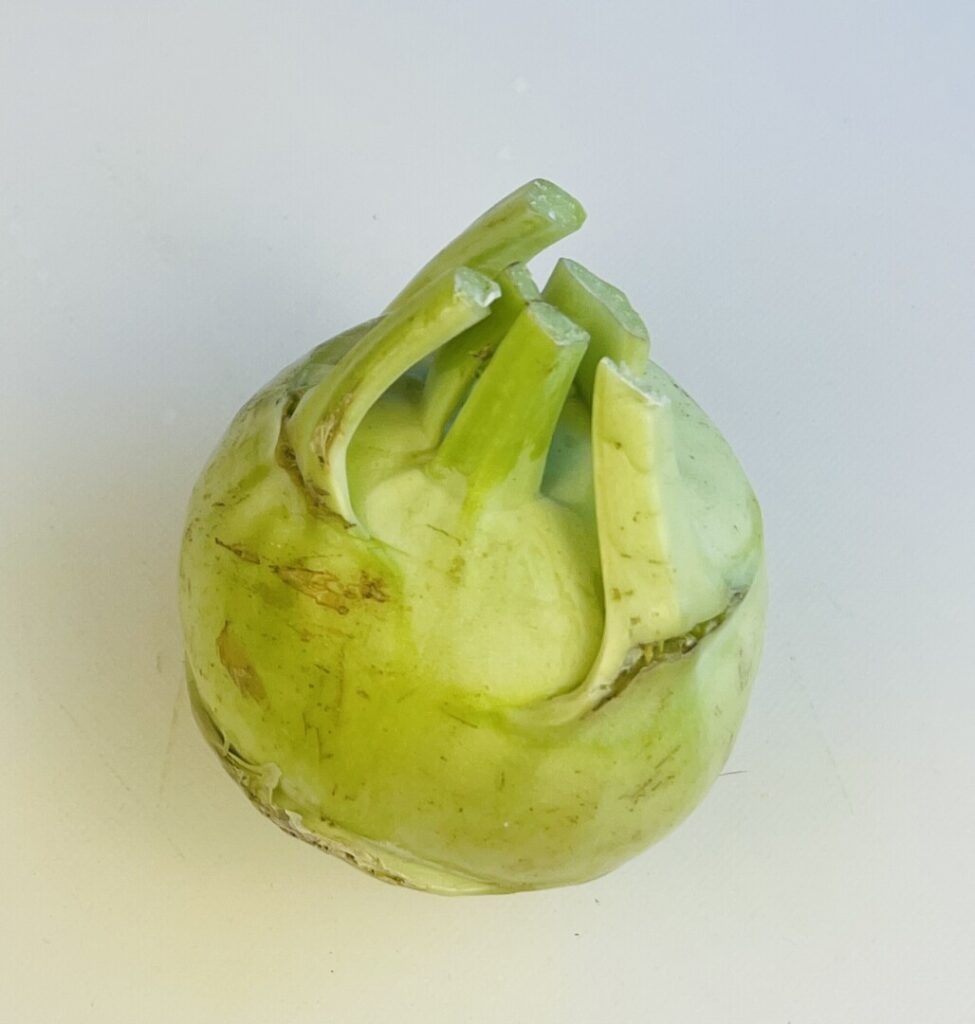
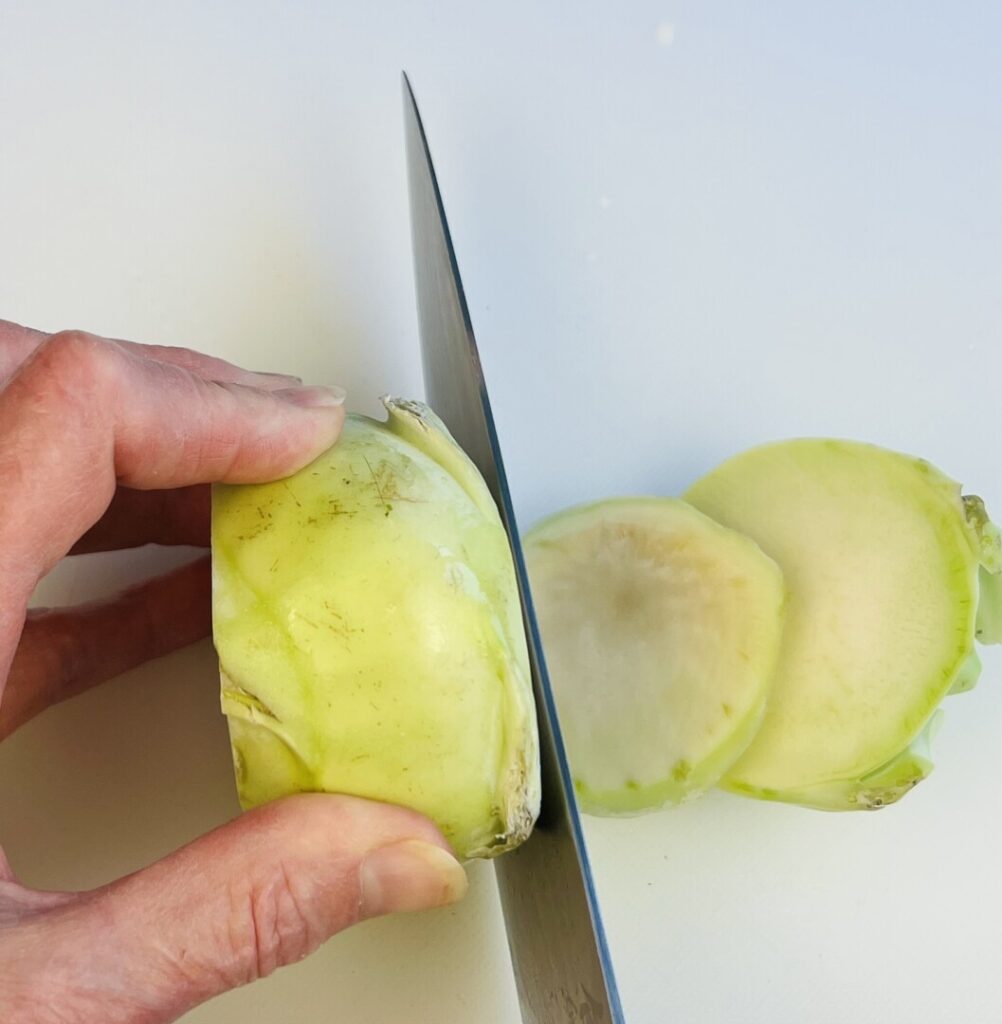
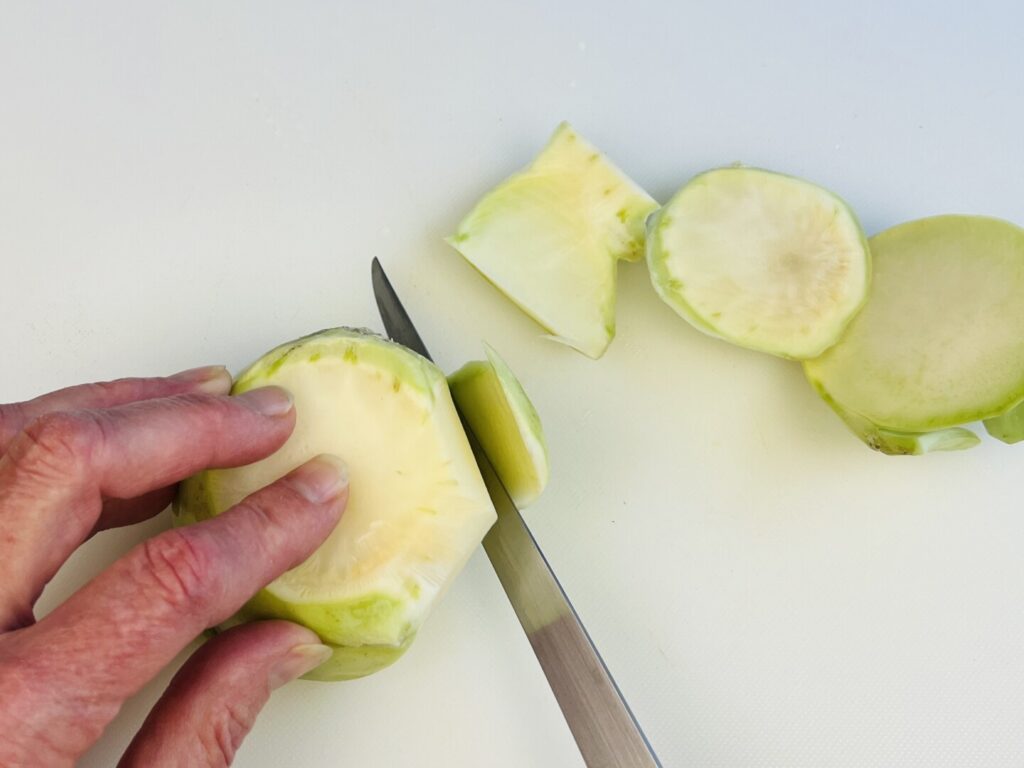
In North America, kohlrabi is a little-known and under-utilized vegetable that deserves more attention. Its flavor is mild and sweet, somewhat like a broccoli stem. Moreover, its texture is highly versatile. Eaten raw, fresh young kohlrabi is pleasantly crunchy, like jícama or water chestnuts. Blanched or steamed tender, it has a lush mouthfeel. In our recipe it’s stir-fry-braised to a crisp al dente texture. To fabricate kohlrabi, trim off the ends with a chef knife, change to a flexible boning knife to carve off the fibrous, darker-green exterior, and then use the chef knife to cut batonnets, or small, slender French-fry shapes.
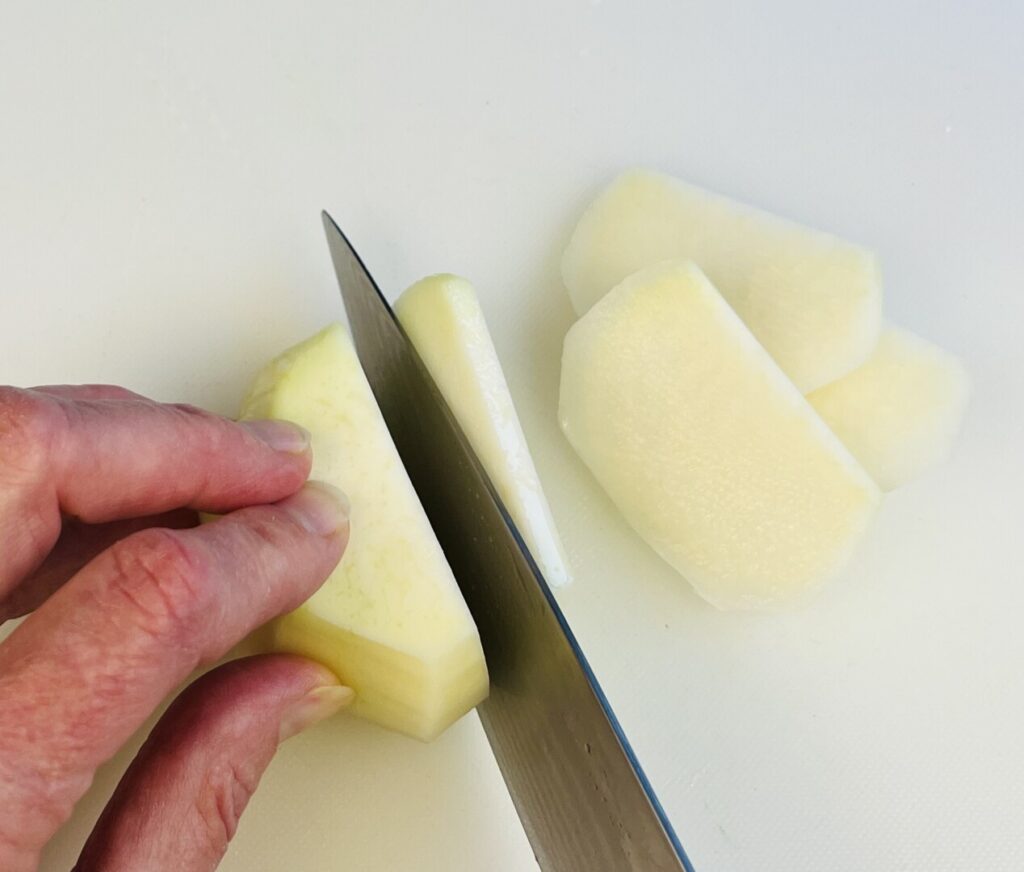
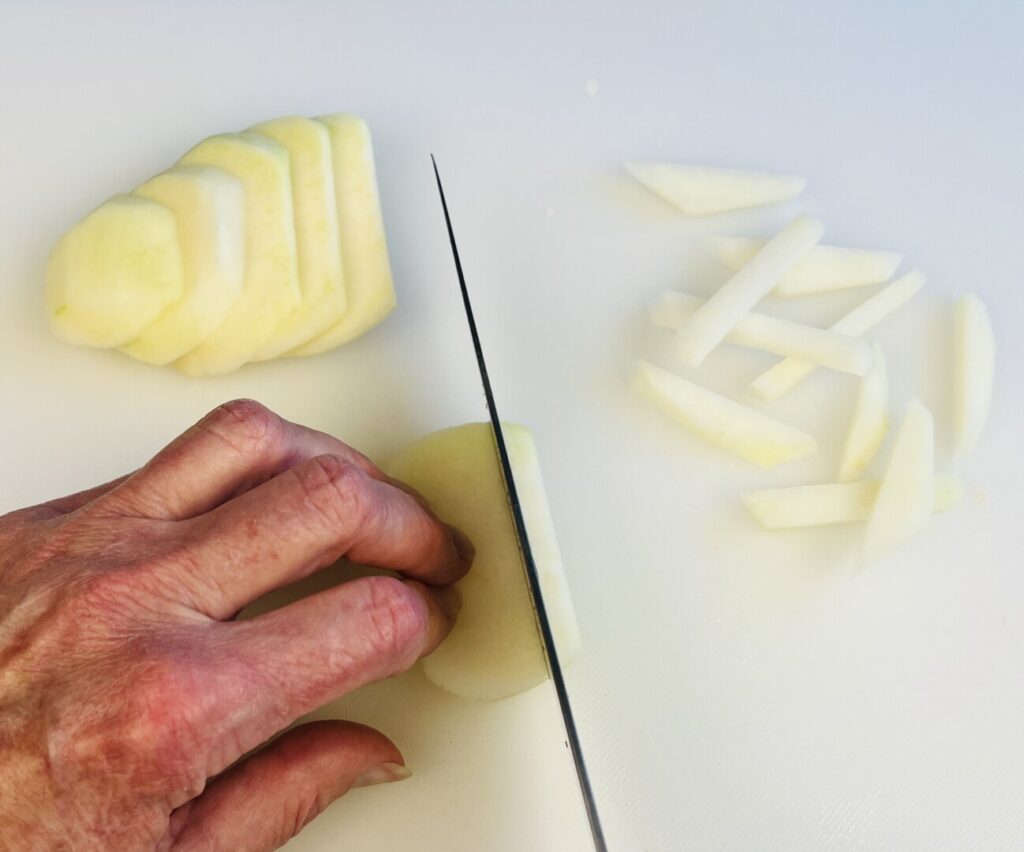
Only a few tasks remain, and then your mise-en-place is complete. Here’s your mise tray: (Don’t forget the ginger and garlic, like I did!)
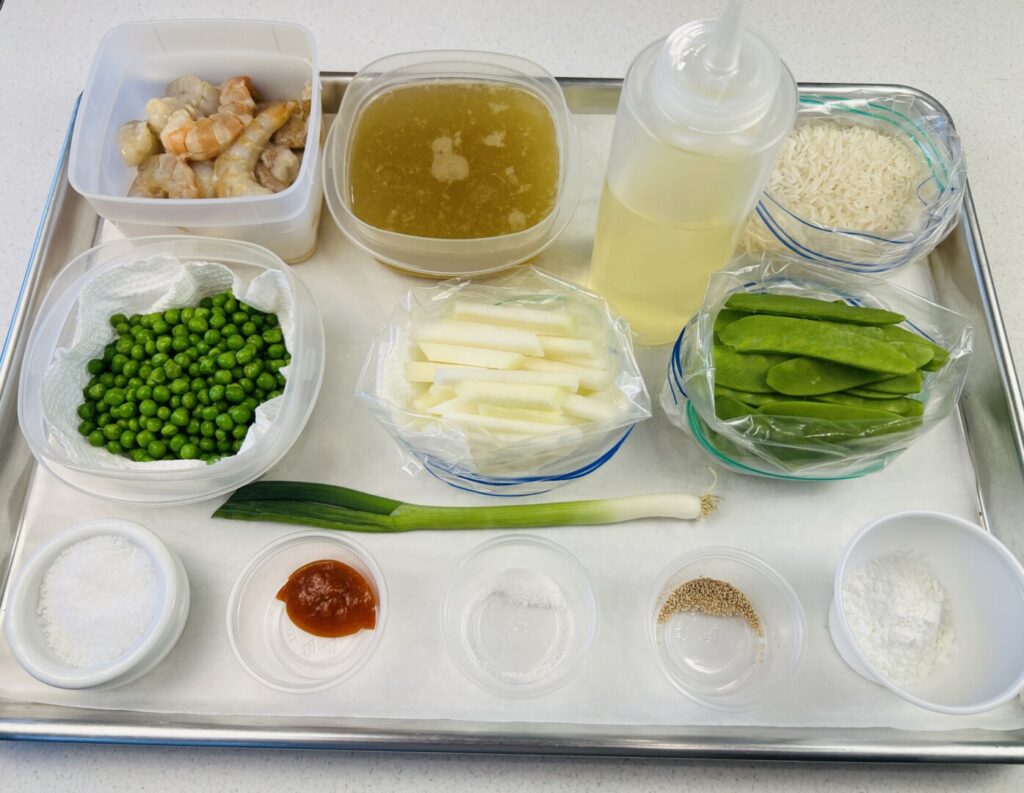
It’s dinnertime—let’s COOK!
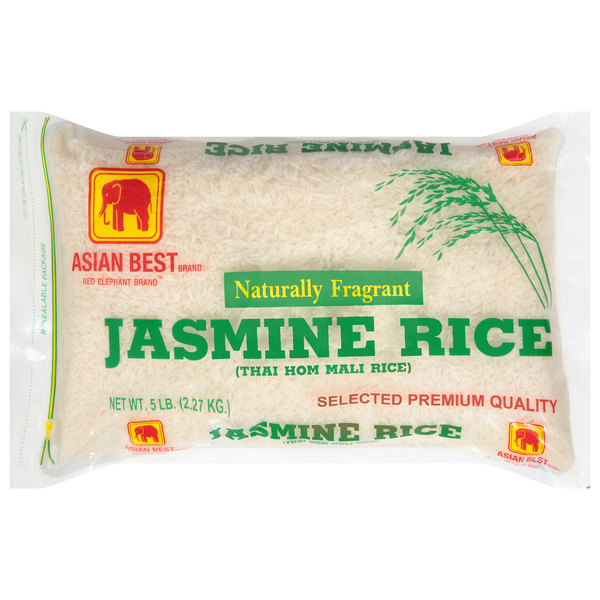
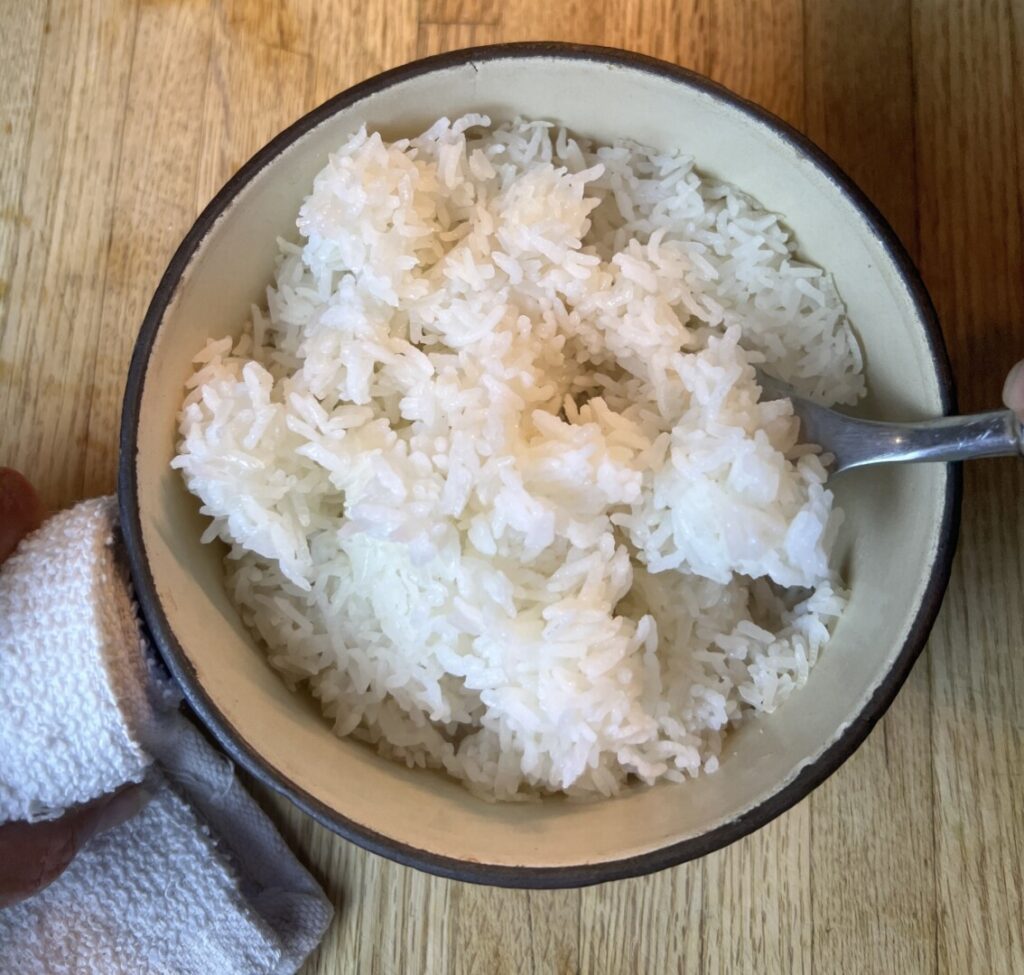
Jasmine rice is a medium- to long-grain variety classified as a fragrant or aromatic rice because of its nutty, slightly floral aroma when cooked. Another significant quality of jasmine rice is its soft texture, which requires a special cooking method. The best jasmine rice is grown in Thailand.
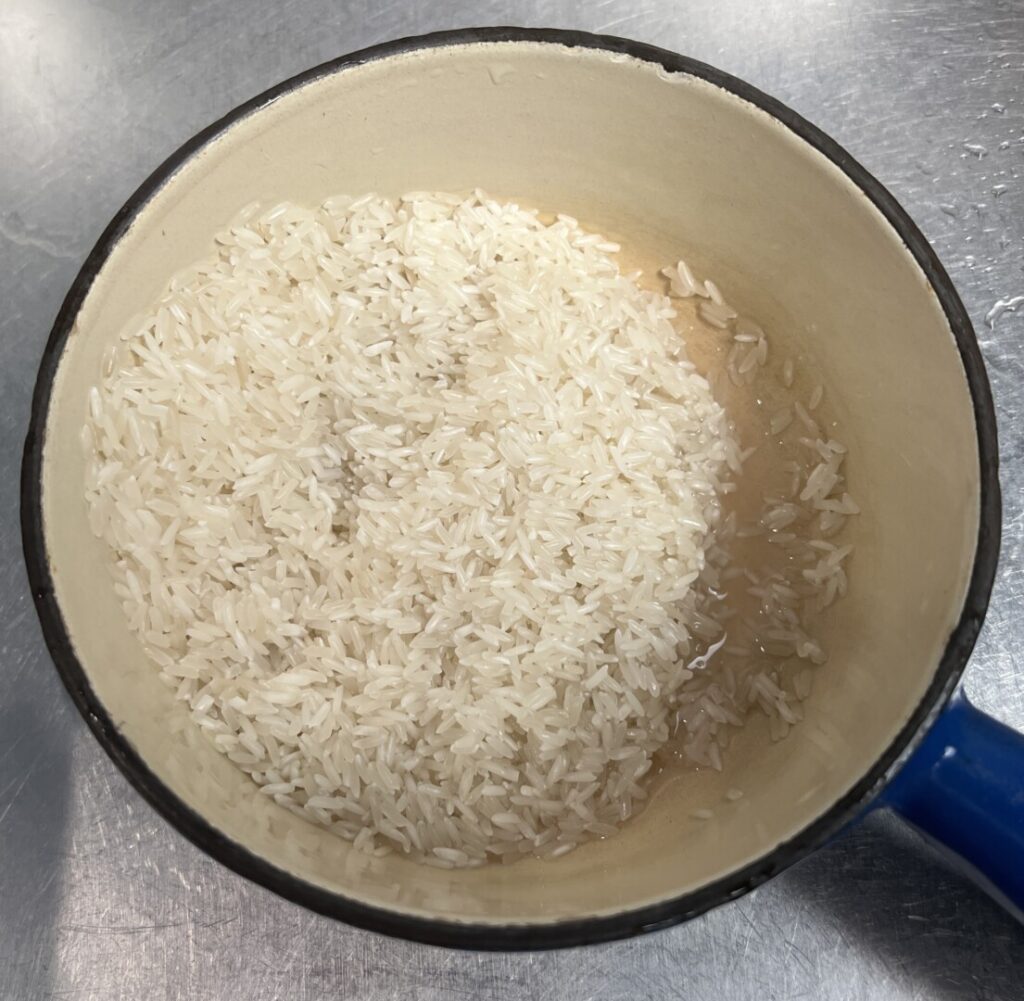
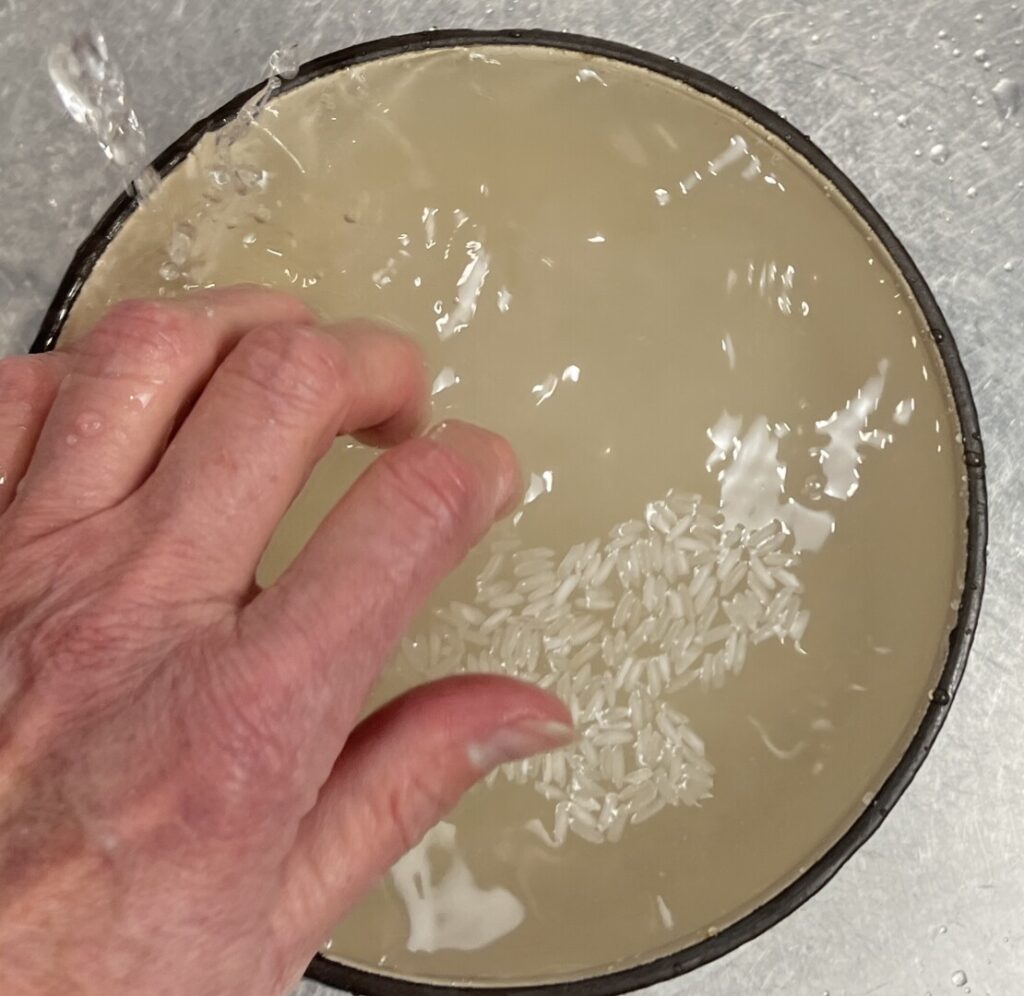
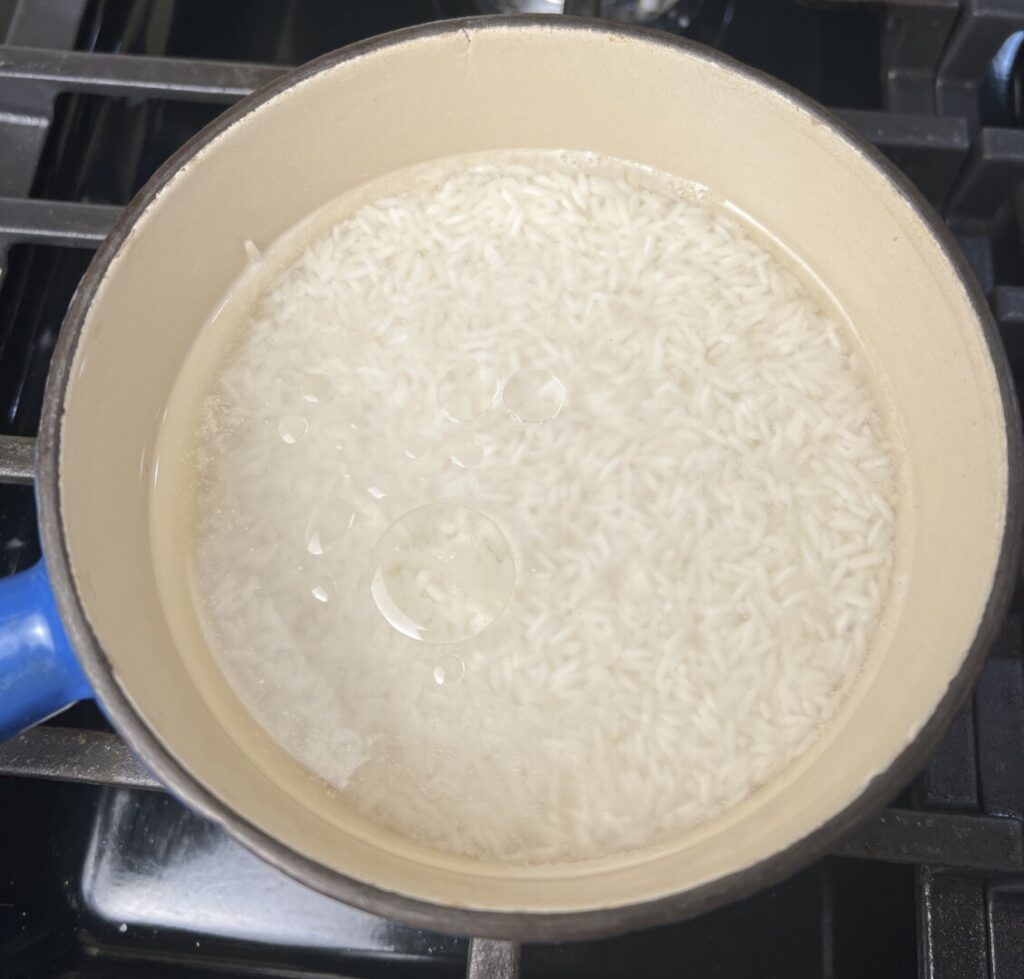
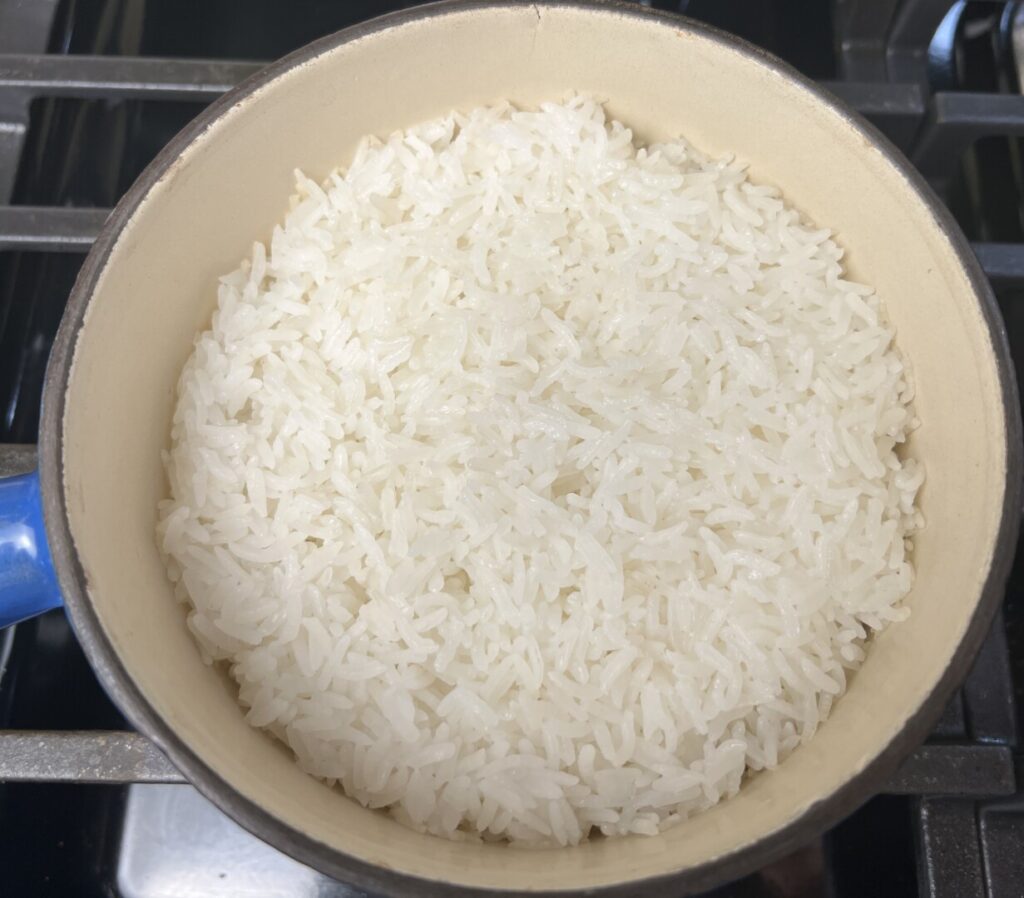
All types of rice cook by absorbing liquid, which causes the rice grains to soften and swell. Most types of rice can be cooked directly in boiling water start-to-finish. However, white jasmine rice (like basmati) has a soft texture that gets mushy when cooked that way. After the dust-like particles that result from milling have been rinsed away, jasmine rice is then soaked in hot tap water for 20 to 30 minutes so that it absorbs some water slowly and the grains swell gradually. Then it’s drained and cooked with water measured in a ratio of 1:1 to the original amount of raw rice. For best texture, start cooking, covered, on a stove burner until the water is absorbed and then finish it in the oven. In traditional Chinese cooking rice is cooked unseasoned; I use a touch of salt for savor and a bit of oil to make the grains glisten.
So, it’s time to stir-fry. If you’re new to this cooking method, there’s a lot to learn. But it’s worth it! Once you become comfortable with stir-fry, it’s fast and fun. The directions in the recipe are long and detailed, which can look intimidating—but, honestly, it takes longer to read the directions than it takes to cook the stir-fry.
First, you need the correct cooking vessel. Authentic stir-frying is done in a wok, which is a round-bottomed, hemispherical, carbon-steel pan. A traditional wok requires an Asian-design gas stove capable of producing extremely high heat, and having a circular opening into which the round bottom of a wok fits snug.
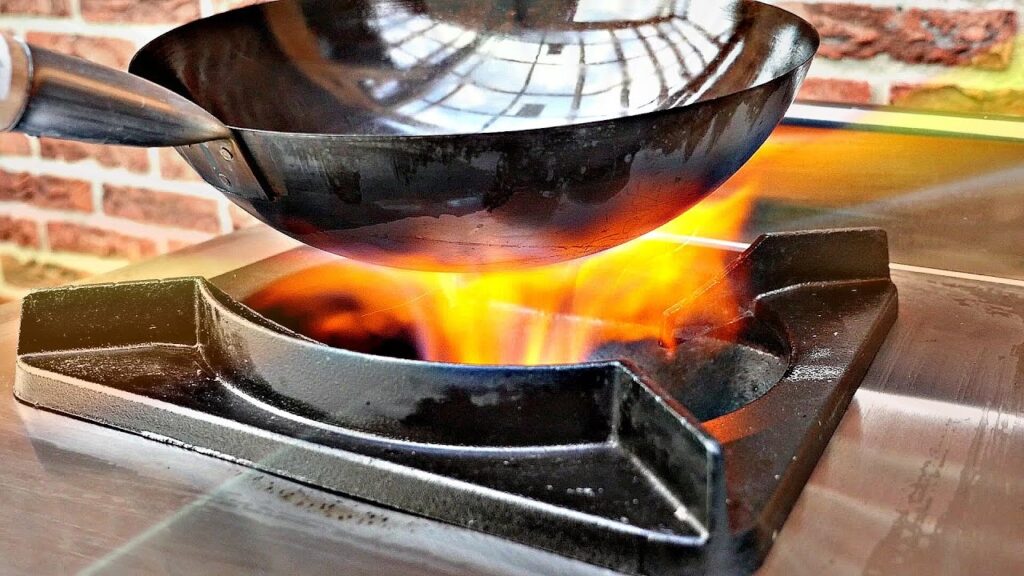
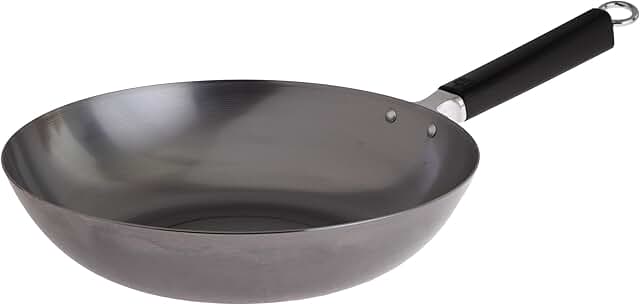
Round-bottomed woks balance precariously on domestic stove burners and sit too far above the heat source for efficient stir-frying. Although nothing can be done about the comparatively low BTU output of domestic ranges, home cooks have two pan choices: Use a high-sided carbon steel sauté pan; or purchase a flat-bottomed wok such as the Joyce Chen brand one that I use. https://amzn.to/4j0ofun If you purchase a carbon-steel pan of any kind, you’ll need to season it before using. To learn how to season a pan, refer to this video: https://prepholdcook.com/tutorials/sample-delete-video/ If you have an electric induction ceramic cooktop, be sure to purchase a pan that is compatible.
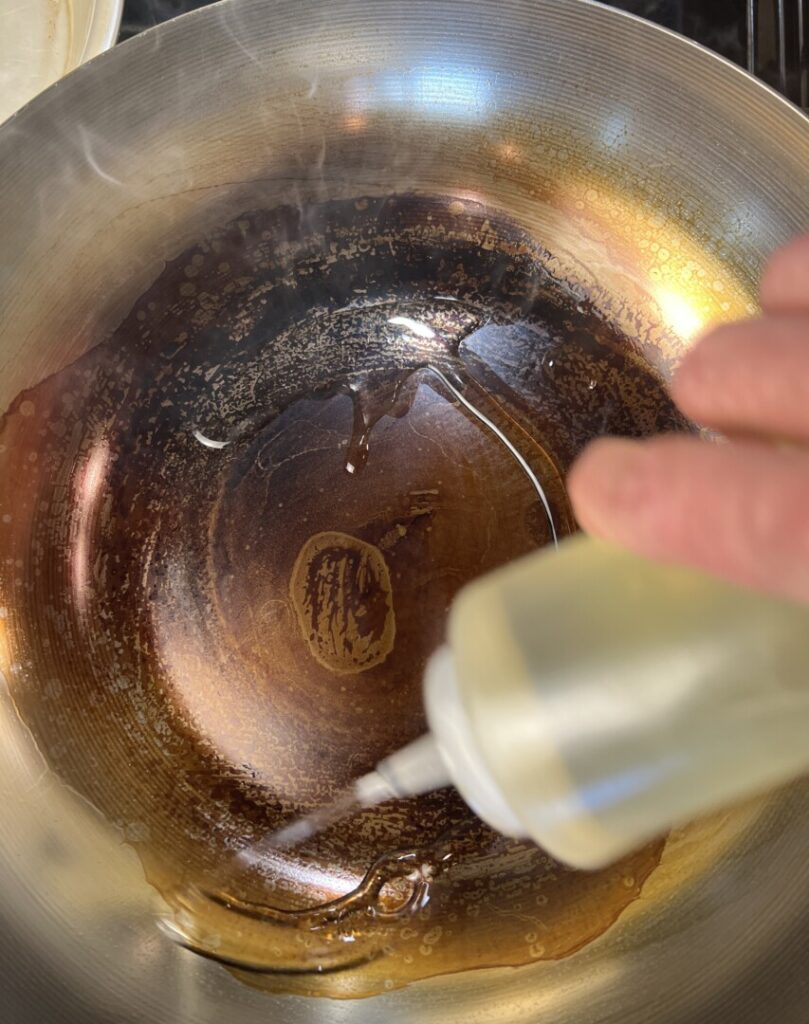
Authentic stir-frying requires the highest heat you can get out of your stove. Don’t be intimidated! You’ll soon get used to it and feel comfortable with it. The smoky char and deep umami flavor that can be achieved with a carbon steel pan and high heat is called wok hei, “the breath of the pan.” Put your pan on the burner and wait until you can see the shimmering of heat and some wisps of vapor rising from the pan’s surface. Only then add the oil and begin stir-frying. Always wait for the heat to recover between batches.
To maintain the high heat you’ve achieved, it’s important not to crowd the pan. Too much food in the pan lowers the initial heat and prevents good browning; at lowered heat both vegetables and proteins stew rather than sear, producing excess liquid. Recipes that yield 2 portions can be stir-fried in a 12-inch wok or sauté pan; 4 portions can be stir-fried in a 14-inch vessel. To serve more than 4 portions, it’s advisable to make the dish twice.
Here’s the general procedure of stir-frying a mixed protein and vegetable stir-fry with a sauce:
- Heat the pan very hot.
- Using a squeeze bottle, add a circle of oil near the rim and wait for it to coat the pan.
- Add the vegetables (together or in successive batches), stir-fry, and remove. (Firm vegetables need a quick braise with water and a lid.)
- Add more oil, then stir-fry the protein. (Add whole aromatics at the beginning, minced aromatics at the end.)
- Return the vegetables to the pan.
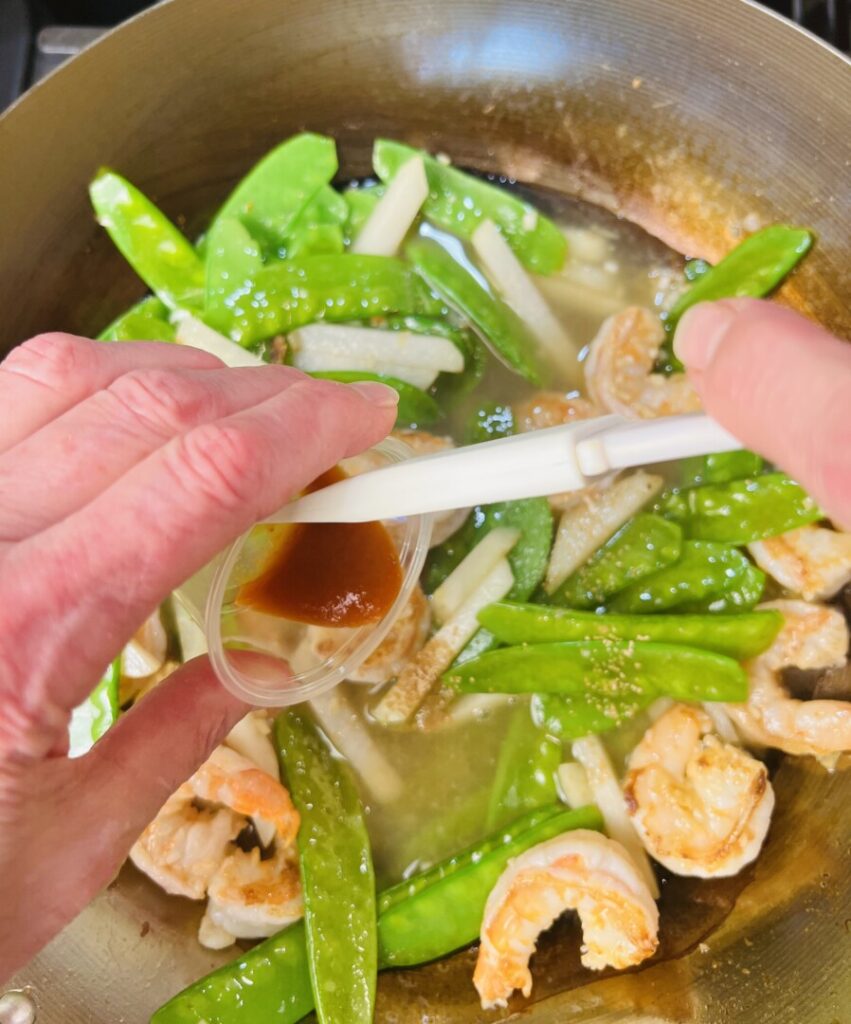
- Add the sauce ingredients and bring to the boil.
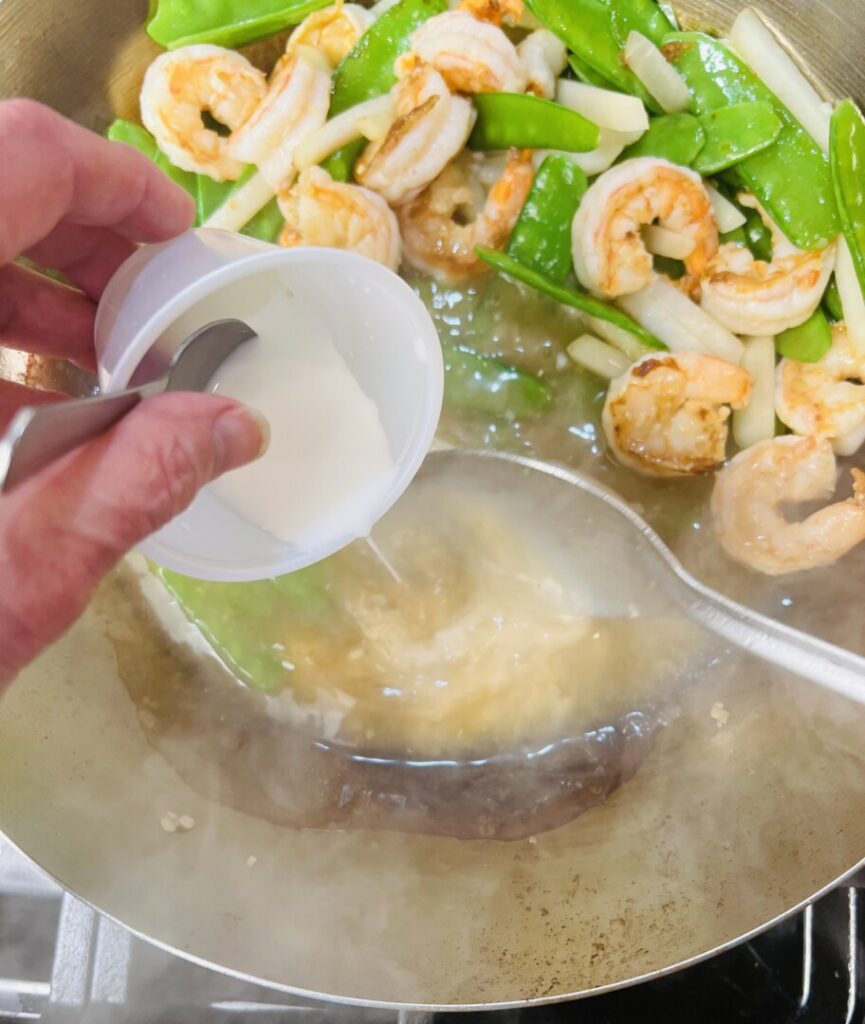
- Push aside the solids and thicken the sauce with a cornstarch slurry.
- Optionally, add a finishing oil or condiment.
- Plate.
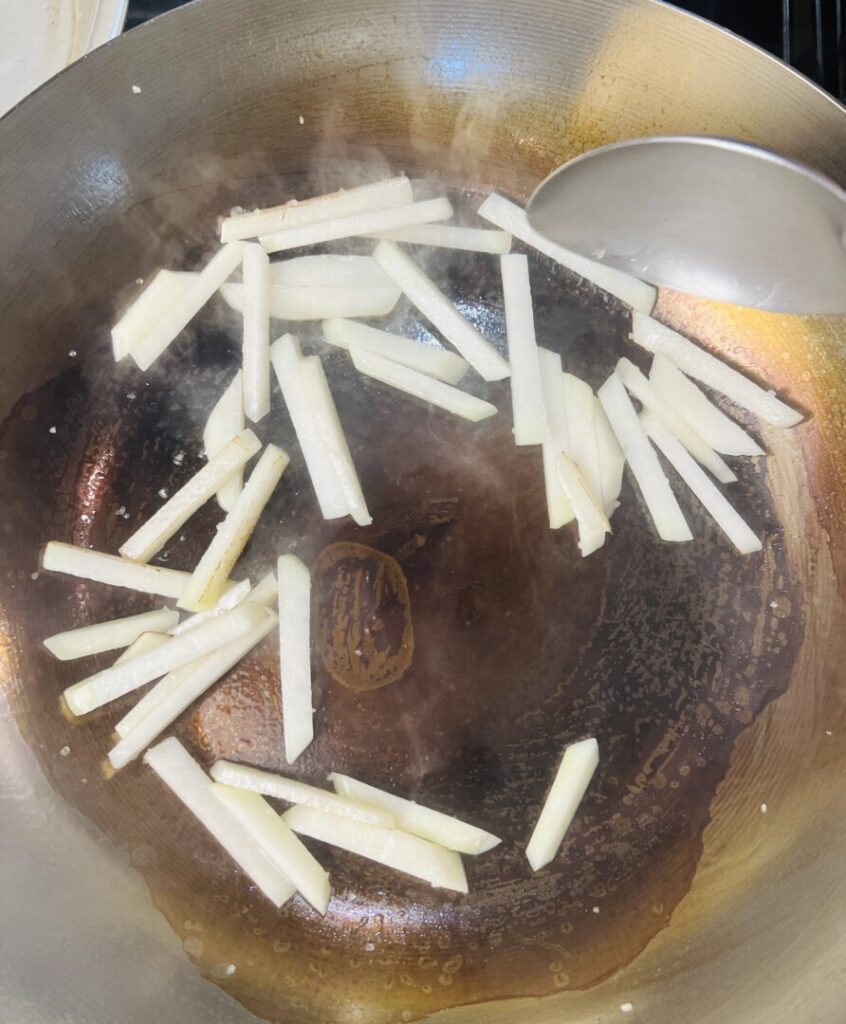
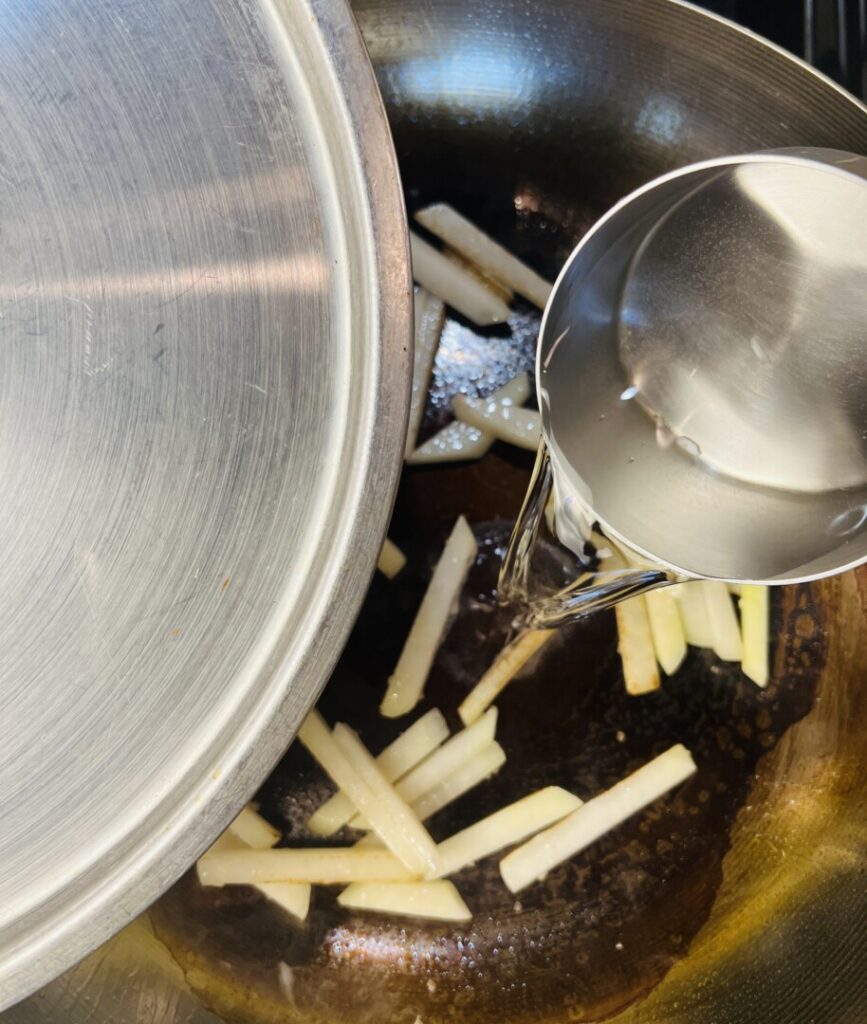
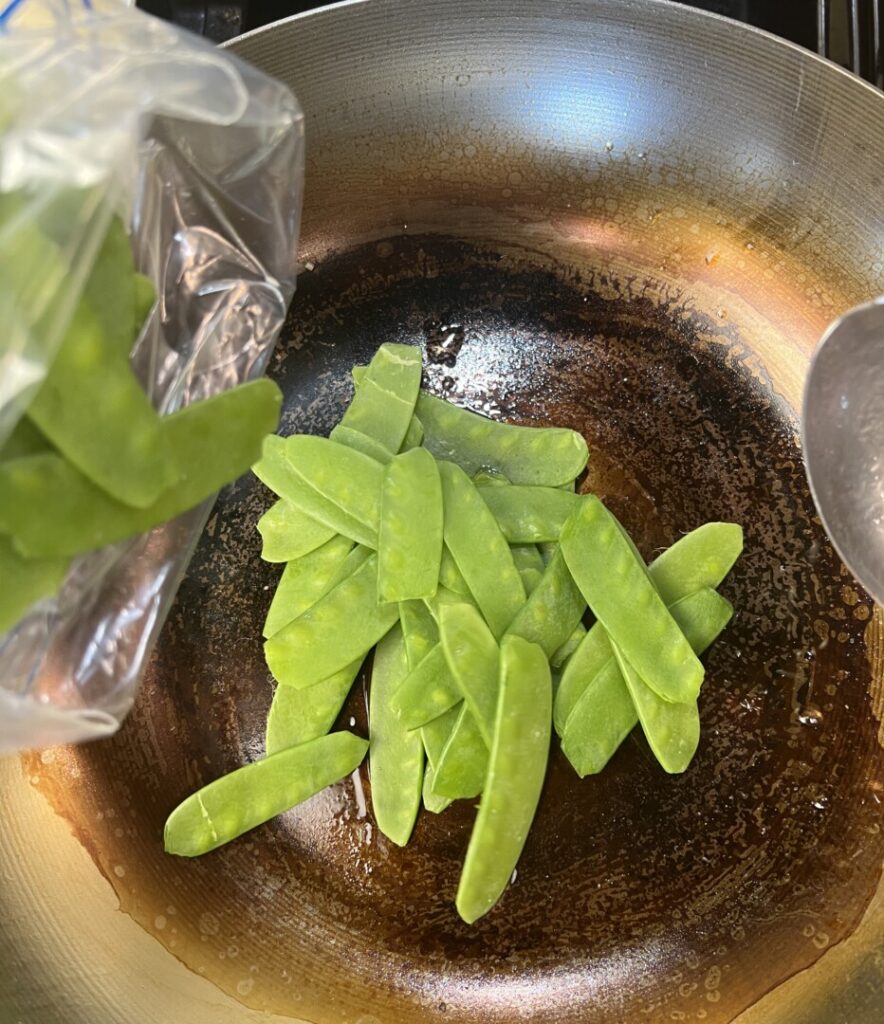
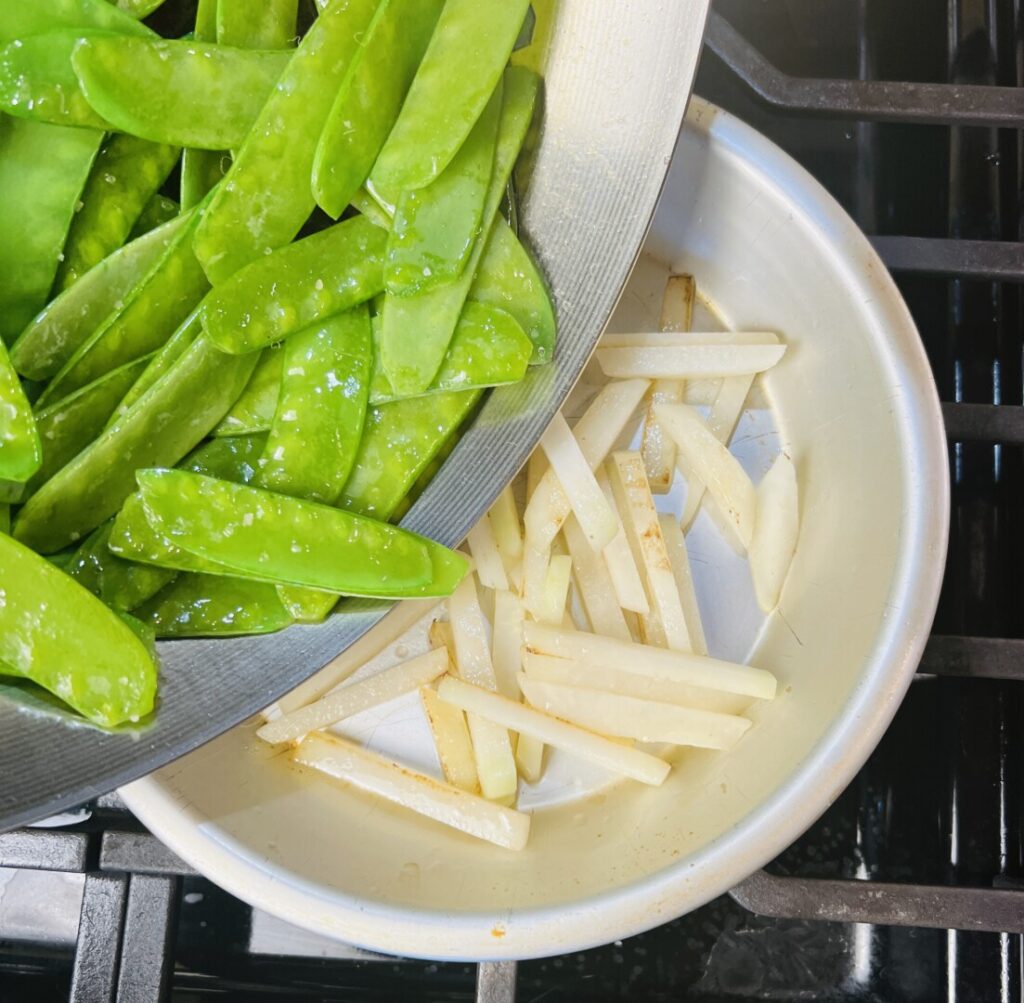
Now you’re ready to plate!
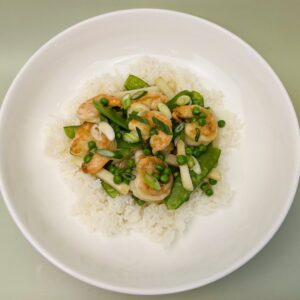
Ginger Shrimp and Jade Vegetables Stir-Fry Over Jasmine Rice
Ingredients
step 1 ingredients
- 10 oz raw, shell-on Gulf shrimp (26-30 count size)
- 1 tsp cornstarch
- 1/4 tsp kosher salt
- 2 Tbsp Chinese rice wine or dry sherry
step 2 ingredients
- 5 oz snow peas
- 1 kohlrabi
- 12 oz fresh peas in pod (or 1/2 c frozen peas per serving)
step 3 ingredients
- 1/8 oz fresh ginger (1 Tbsp per 2 servings)
- 1 garlic clove
step 5 ingredients
- 1 c jasmine rice
- 1/2 tsp peanut oil or canola oil
- 1/4 tsp kosher salt
step 6 ingredients
- 1 scallion
step 7 ingredients
- 2 Tbsp cold water
- 2 Tbsp cornstarch
- 3 Tbsp peanut oil or canola oil (preferably in squeeze bottle)
- to taste kosher salt
- as needed additional water
- 1 c shrimp stock or chicken broth
- 1/4 tsp hon dashi granules (optional)
- 1 tsp Sriracha sauce (or more to taste)

Instructions
PREP: Mise the recipe ahead of time.
1. Peel and marinate the shrimp:
- Place the shrimp in a bowl under a stream of cold running water for about 5 minutes or until completely thawed. Drain and blot dry on paper towels.
- Peel the shrimp, removing both the shells and the tail sections. The shells may be reserved for stock-making.
- Devein the shrimp by making a slit down the curved backs and pulling out the black veins.
- Place the shrimp in a container. Add the step 1 cornstarch, wine, and salt. Stir to combine.
- Refrigerate the shrimp at least 1 hour.
2. Fabricate the stir-fry vegetables:
- Use a paring knife to string the snow peas: Cut off the stem end tip on the diagonal and pull to remove the string that typically runs along the side of the snow pea. Cut off the other tip and repeat, ensuring that the strings on both sides are removed.
- Trim off both ends of the kohlrabi and peel off the thick skins. Cut the kohlrabi into slender batonnets (small French-fry shapes about 3/16 x 3/16 x 2-inches in length).
- If using peas in the pod, shell them and discard the pods. If using frozen peas, simply thaw them; no further cooking is needed.
3. Fabricate the aromatic vegetables:
- Peel the ginger and mince it. (You should have about 1 Tbsp for 2 servings.) Place in a small container.
- Peel the garlic, mince it, and add it to the container with the garlic.
4. Assemble the remaining ingredients.
HOLD: Refrigerate all ingredients up to 3 days.
COOK! Finish and plate your dinner.
5. Make the rice:
- Preheat an oven to 350°F.
- Choose a heavy, oven-proof saucepan just large enough to accommodate 4 times the volume of the uncooked rice you are using, and having a tight-fitting lid.
- Place the rice in the saucepan and place the saucepan in the sink under a gentle stream of cool running water. Wash the rice by swishing it around with your hand until the water is no longer cloudy. Drain the rice by pouring off the cold water.
- Cover the rice with very hot tap water and allow it to soak for 20 to 30 minutes.
- Drain the rice again. Add the step 5 cold water (an amount equal to the original volume of the uncooked rice you started with) along with the step 5 oil and salt.
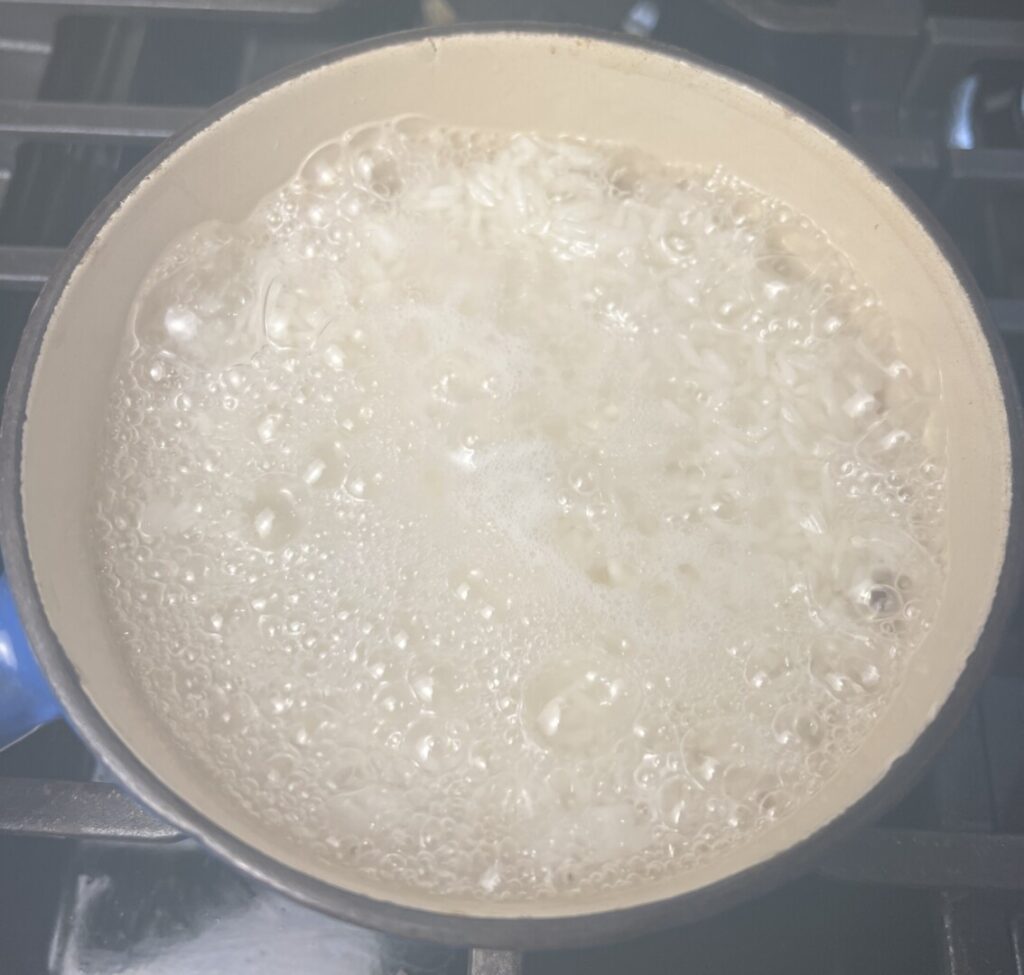
- Place the pan over high heat, cover it, and bring the rice and water to the boil. Monitor the pan by listening and watching for steam to emerge under the lid.
- Turn the heat to low and continue cooking the rice for about 8 minutes longer until the liquid is absorbed.
- Transfer the pan to the oven and bake for about 10 minutes longer.
- Remove the pan from the oven and hold in a warm place until ready to plate.
6. Trim off the root end of the scallion and cut into fine diagonal slices.
7. Make the stir-fry:
- Have ready a hotel spoon, a work bowl to hold the par-cooked vegetables, a wok or sauté pan with a lid, a small container of water, and your mise tray at the stove.
- Stir the step 7 measured water into the cornstarch to make a thick, but pourable slurry.
- Place the wok or sauté pan over high heat until very hot. Add a thin film of oil to the wok, then add the kohlrabi and a pinch of salt. Stir-fry, flipping and tossing the kohlrabi, for about 15 seconds. Add about ¼ c water to the wok and quickly put on the lid. Steam the kohlrabi for about 10 seconds, remove the lid and allow any remaining water to evaporate away. Slide the kohlrabi into the work bowl.
- If using fresh, raw peas: Return the wok to the heat, add the raw peas (not frozen peas), a pinch of salt, and about ¼ c water. Quickly put on the lid. Pan-steam about 1 minute or until crisp-tender. Remove the lid, evaporate the water away, and then add the peas to the work bowl.
- Return the wok to the heat until very hot. Add a film of oil, and then add the snow peas and a pinch of salt. Stir-fry about 20 seconds, and then add them to the work bowl.
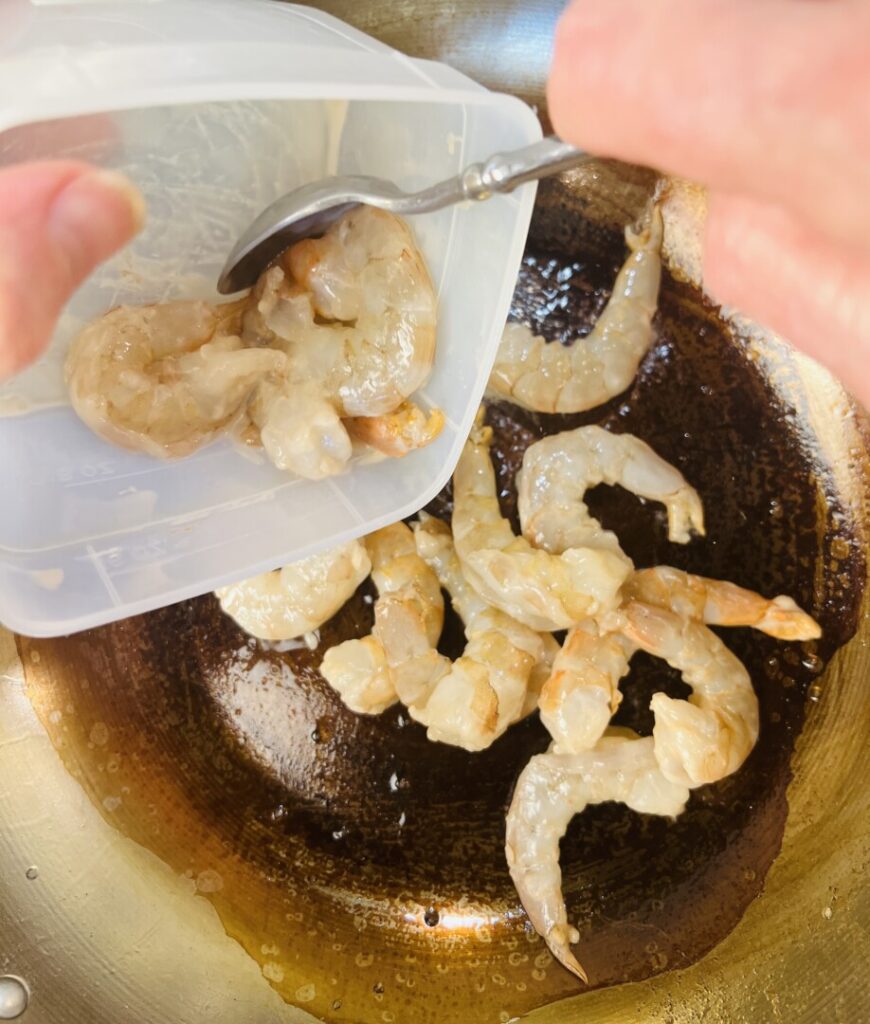
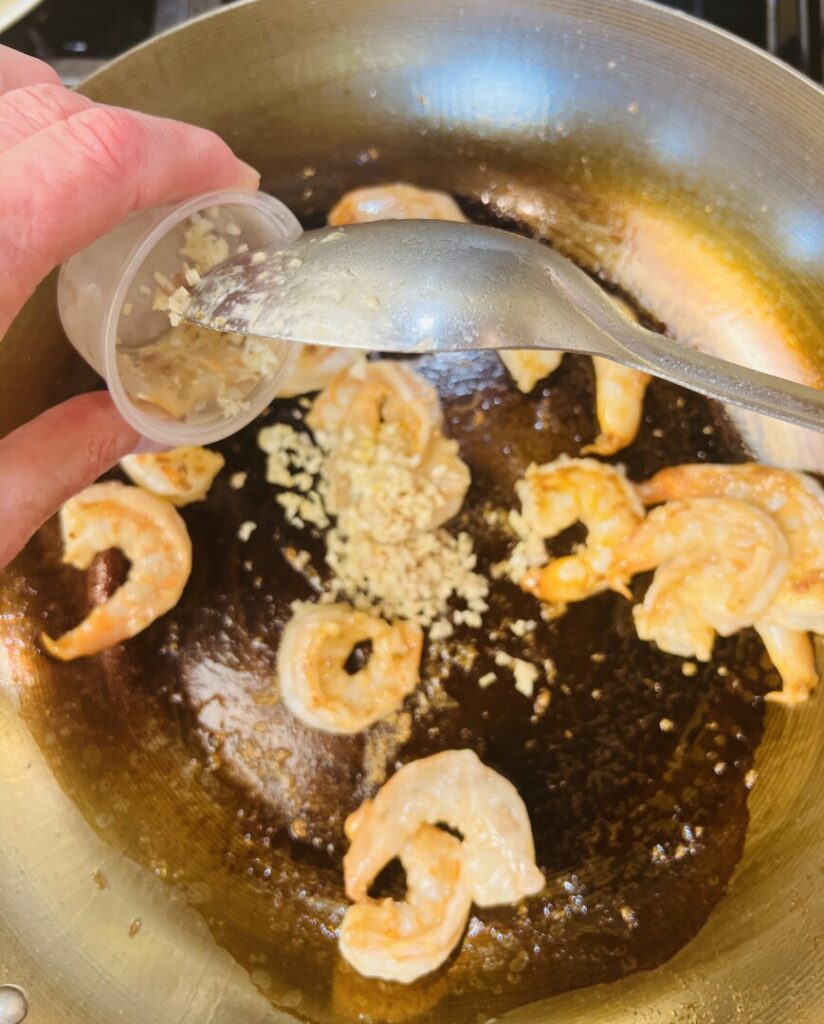
- Return the wok to the heat until very hot. Stir the shrimp to evenly coat with the marinade. Add about 1 Tbsp oil to the pan and then add the shrimp. Stir-fry about 30 seconds until they turn coral-pink and begin to curl. Add the ginger and garlic and stir-fry about 15 seconds longer.
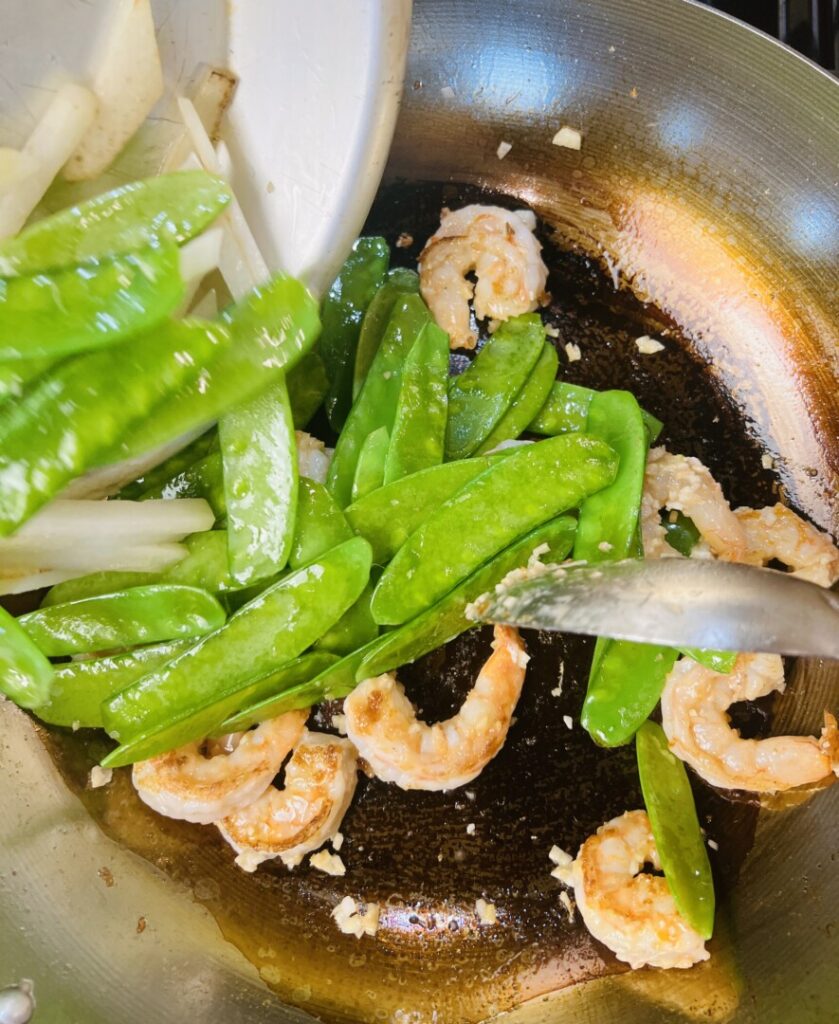
- Slide the par-cooked vegetables into the wok and toss to combine with the shrimp.
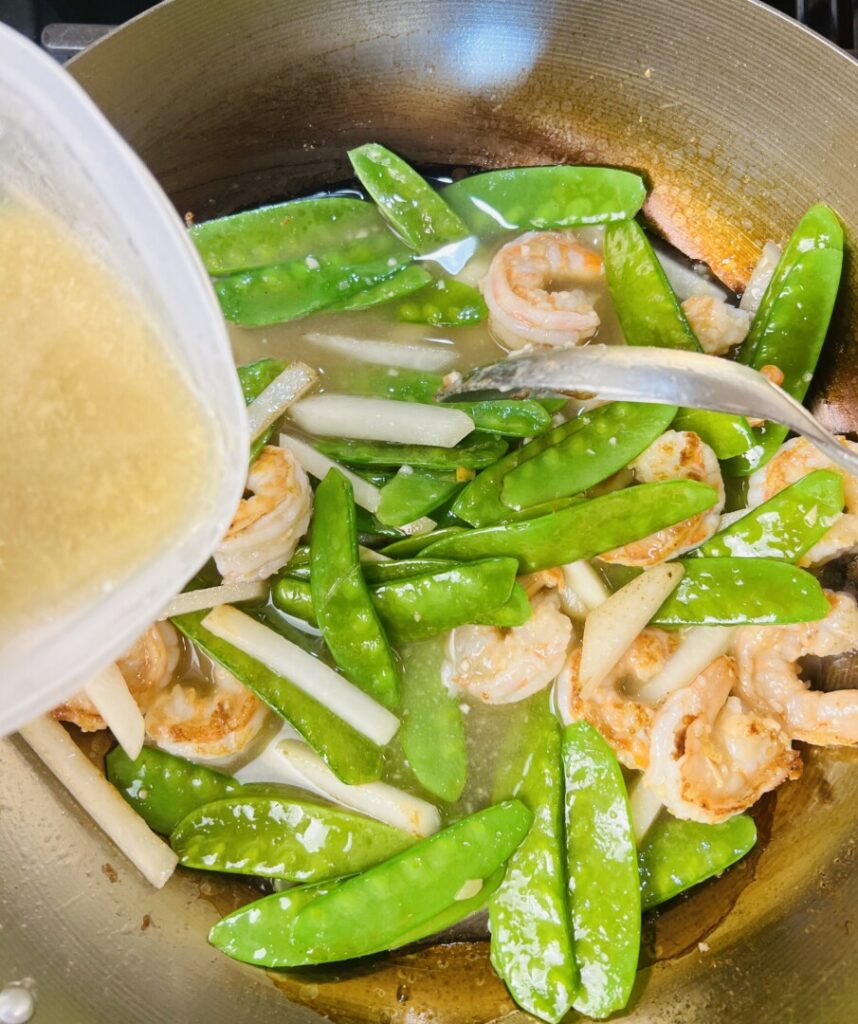
- Add the shrimp stock or chicken stock and optional hon dashi. Add the Sriracha sauce and sugar, then taste the sauce and, if necessary, balance with salt.
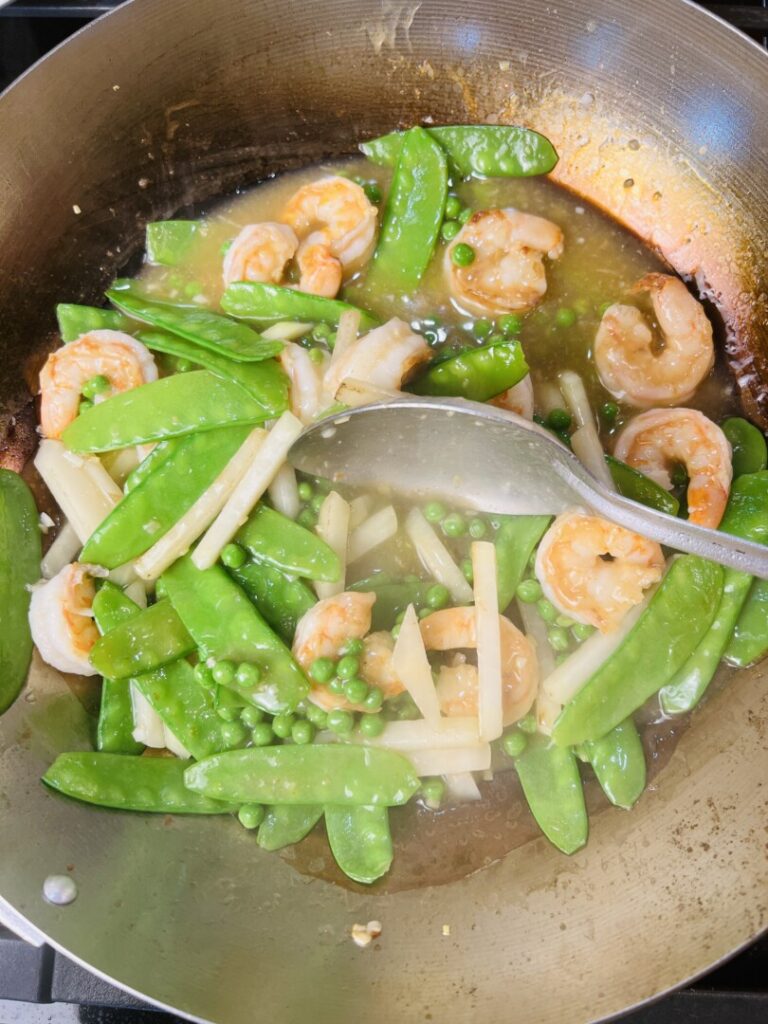
- Push the shrimp and vegetables to the side and wait for the sauce liquid to boil. Stir in enough of the slurry to thicken the sauce to a nappé texture (coats the back of a spoon yet flows on a plate).
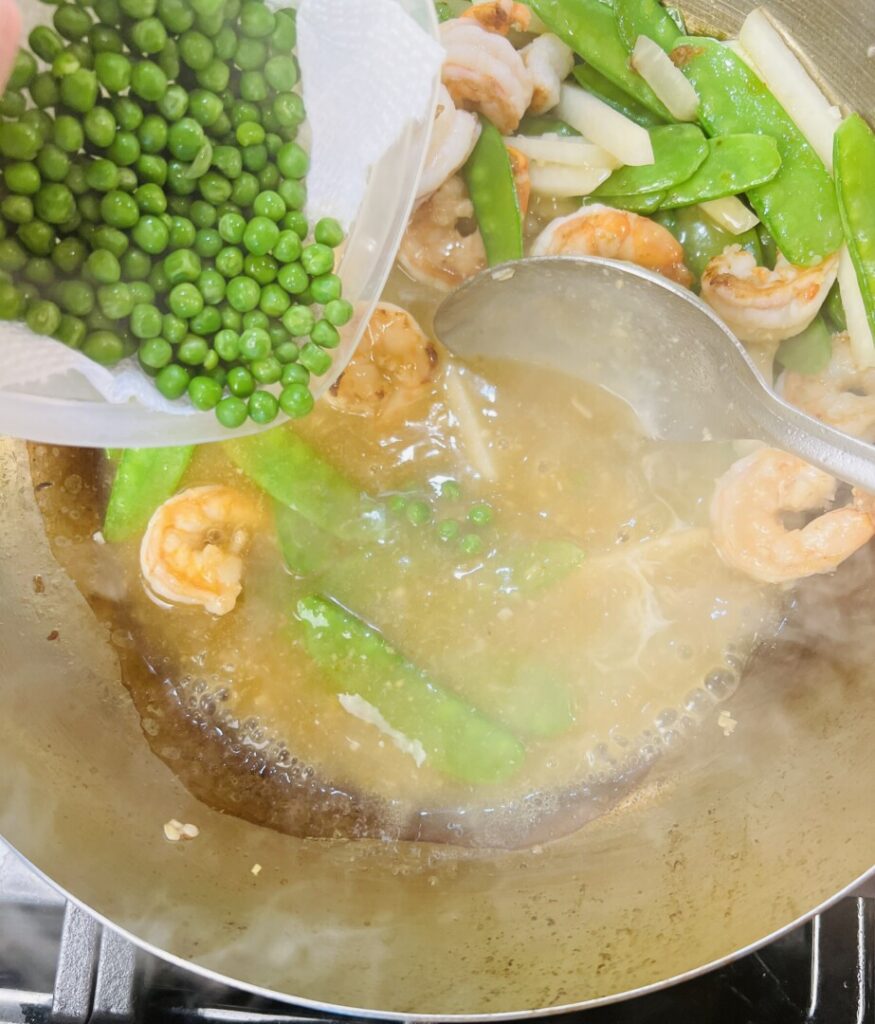
- If using frozen peas: Stir in the peas.
8. Plate:
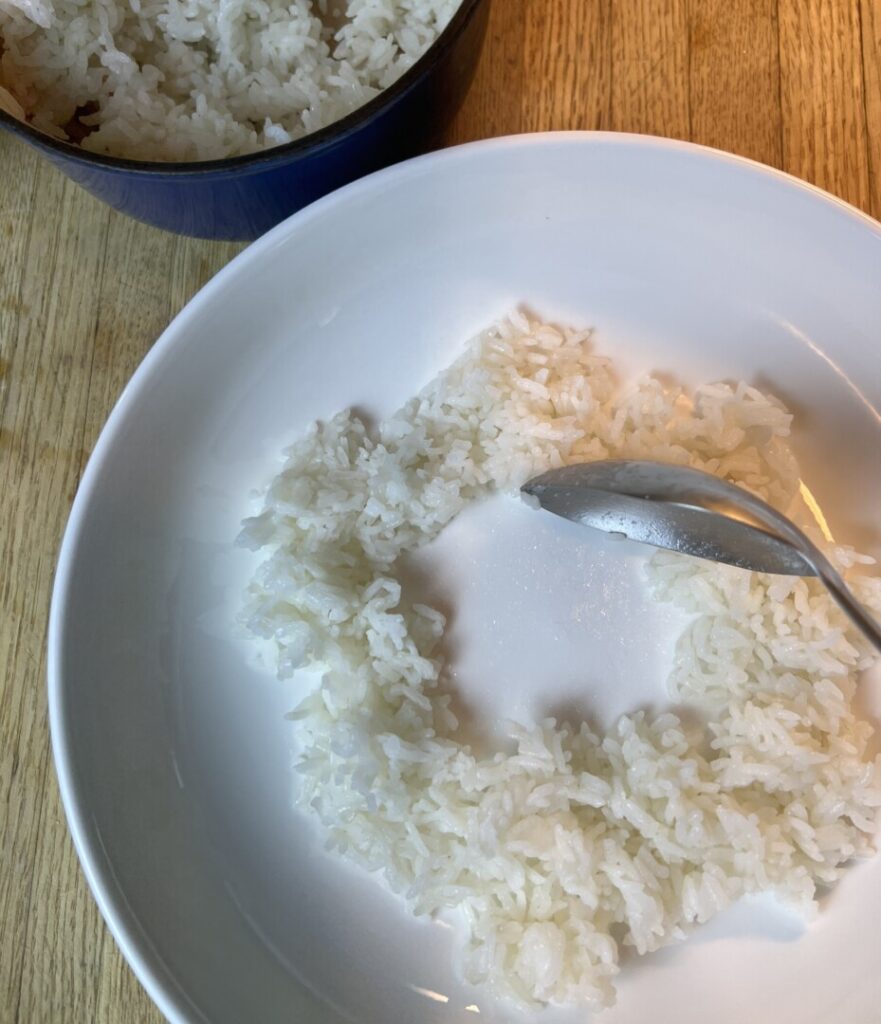
- Mound some rice in the center of warmed pasta bowls or dinner plates, and make wells in the center.
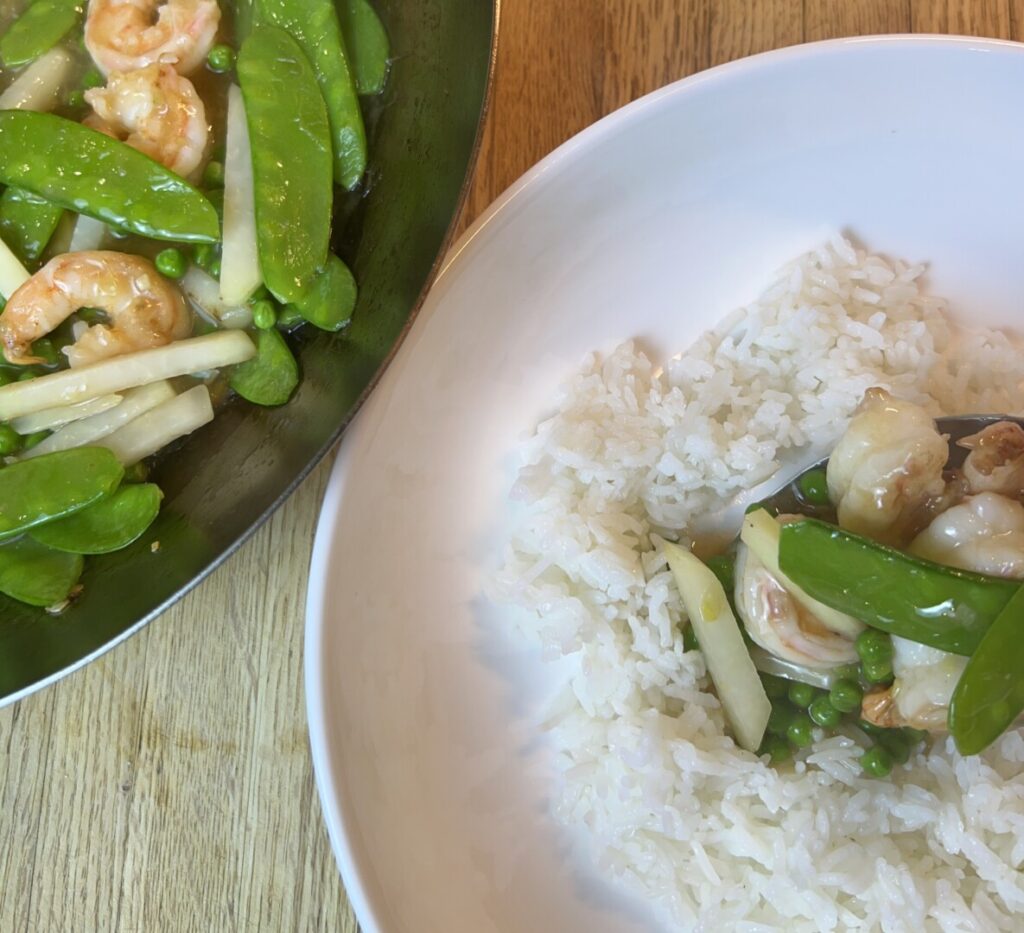
- Spoon the stir-fry and its sauce into the wells, ensuring even portioning of the shrimp.
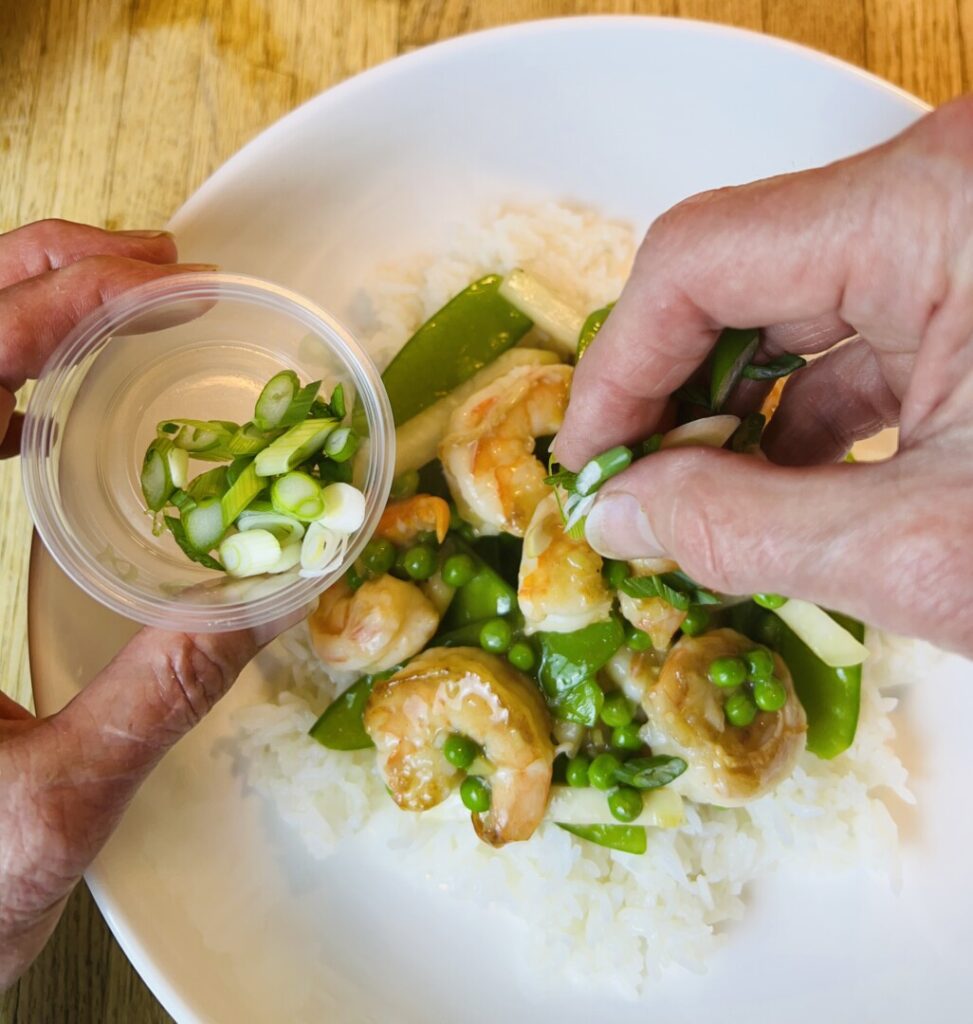
- Sprinkle the sliced scallions overtop.