
June 15—July 31
For cooks and gardeners, early summer is the very best time of year. We’re still enjoying the last of late spring’s harvest but watching with eager anticipation as summer’s first fruits and vegetables near readiness. Their progress depends on the weather. For sun-loving plants an early stretch of cool, cloudy days may subdue growth and ripening—but then it happens! Summer’s sudden onset of bright sunny skies and blistering-hot temperatures triggers rapid growth, blossoming, and fruit set. Harvest begins in earnest.

It’s also a great time for people who love sunlight. Those few weeks just before and after the summer solstice bring us a much-needed dose of serotonin. We feel good. Sunrise wakes us up early to get out into the garden and get our outdoor work done before the sun rises to its zenith and the heat beats down. And those long, lazy, twilit evenings encourage porch-sitting ’til bedtime.
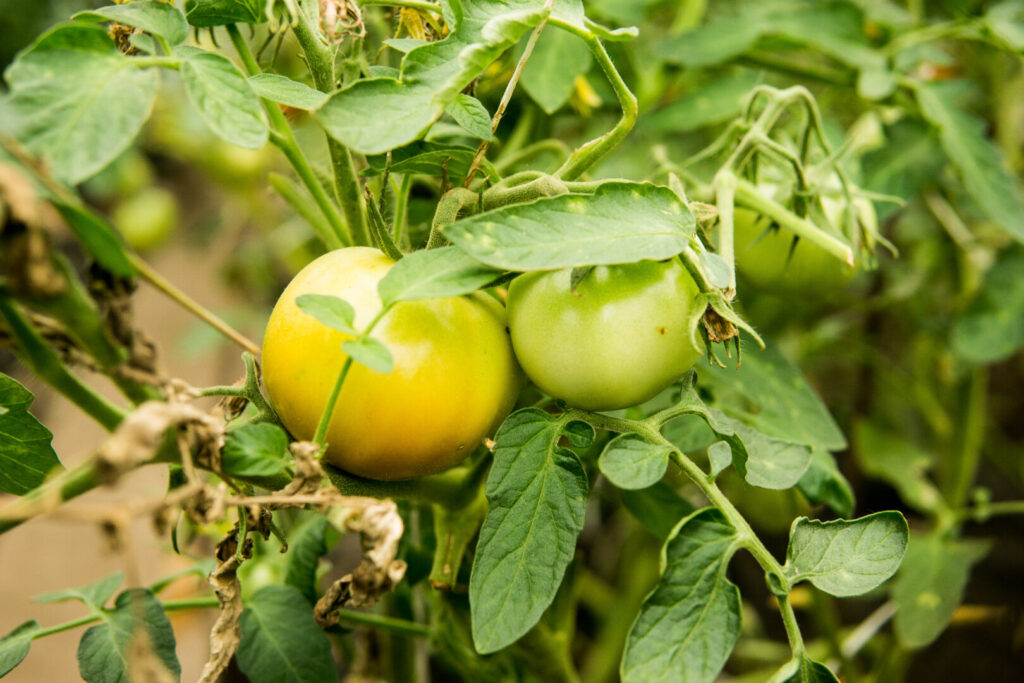
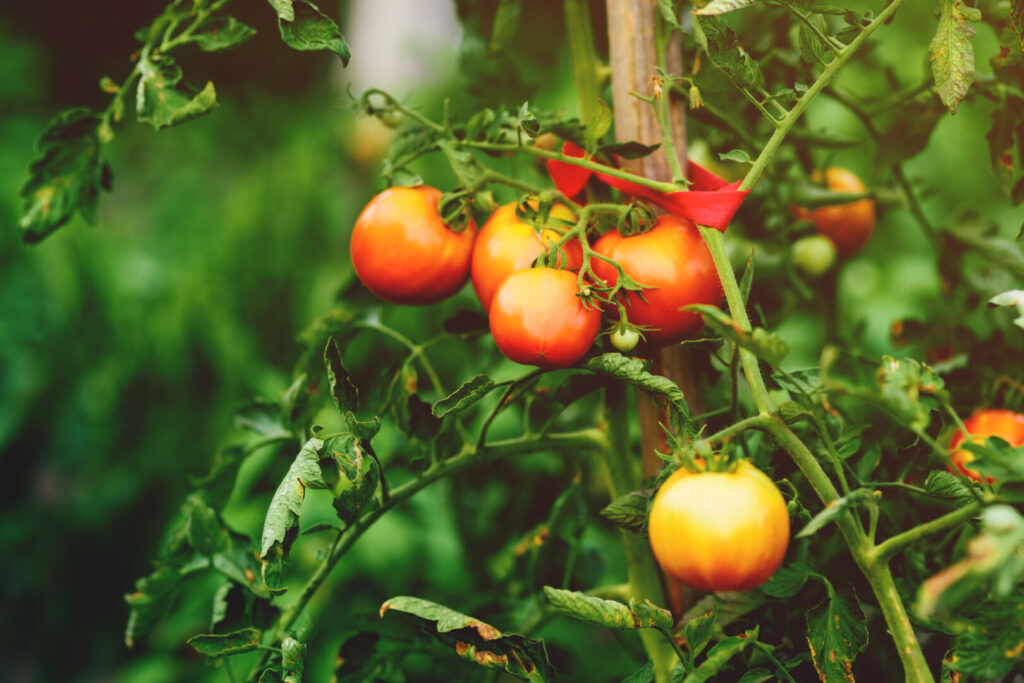
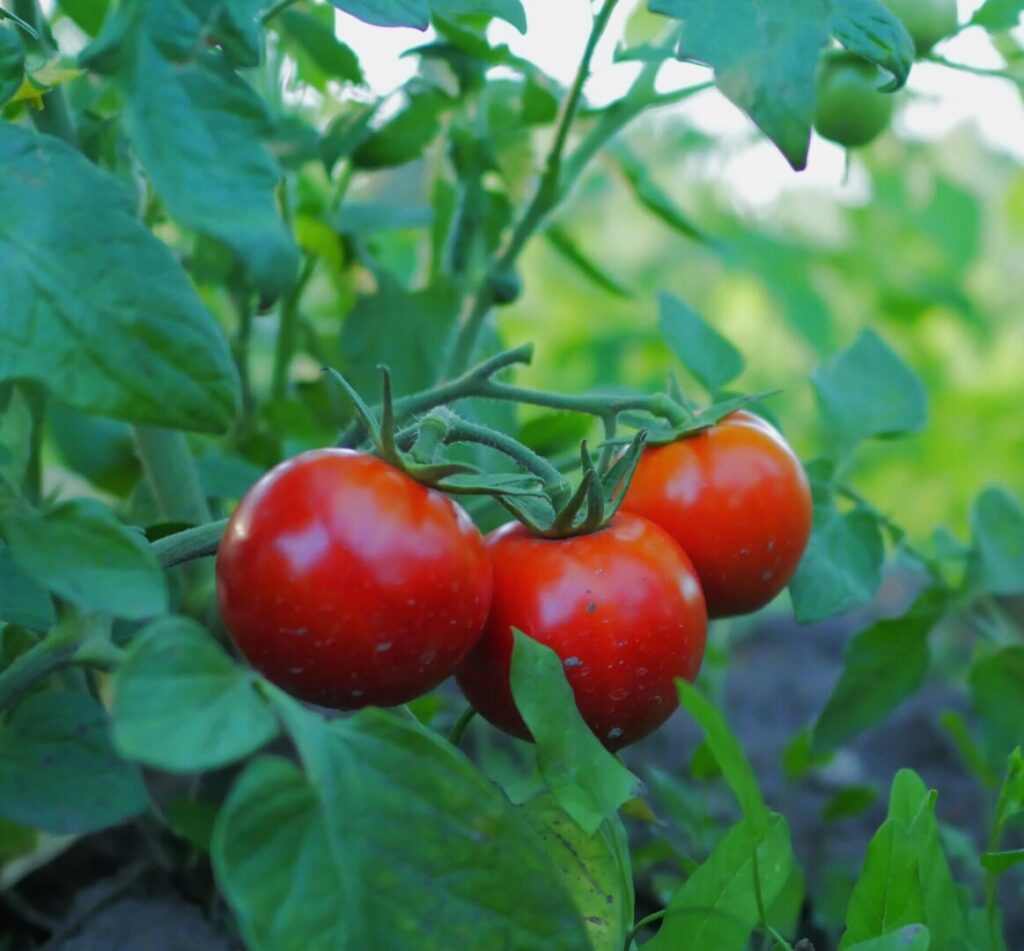
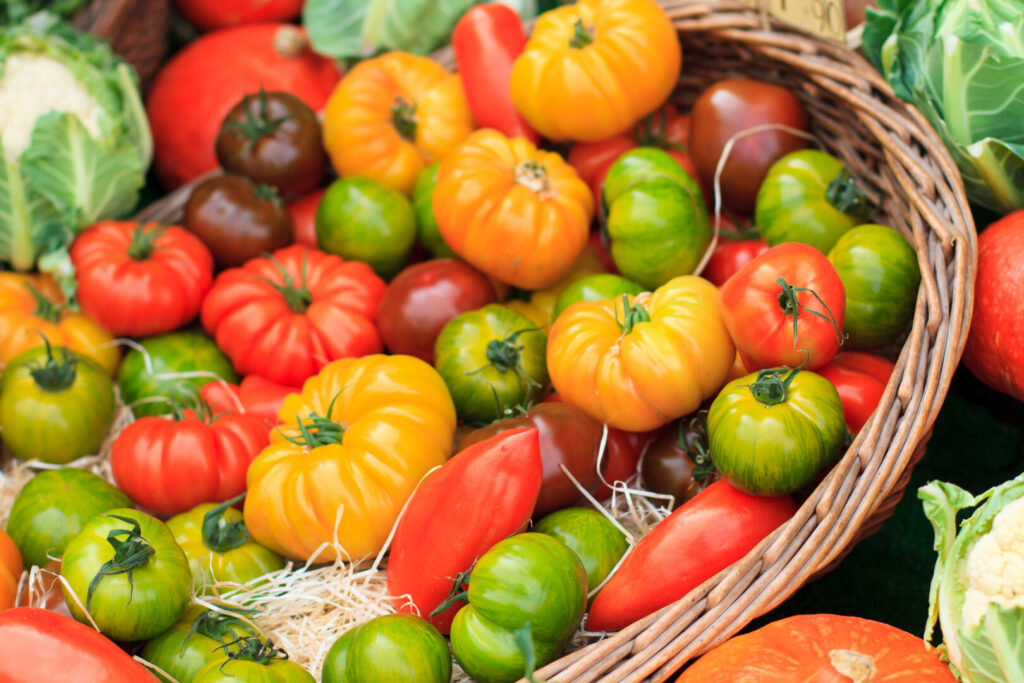
At our place, tomatoes are the most anticipated treat of early summer. Started indoors in March, planted outdoors around Mother’s Day, trained and pruned through early spring and jealously guarded from hungry deer, they tantalize us with their slow but steady development. Gradually the blossoms turn into tiny fruits that grow slightly bigger each day. Our early red varieties start out pale green but then begin to “break color,” turning just slightly yellow. Slowly the crimson color spreads from the blossom ends toward the shoulders. Unlike commercially-grown tomatoes that for shipping must be picked before full ripeness, the beauty of home-grown tomatoes is the gardener’s ability to truly vine-ripen them. Finally they turn deep, vivid red and they’re ready to pick! If the weather cooperates and the critters keep away, we have our first juicy, red-ripe tomatoes for the Fourth of July. Heirloom multicolor varieties come later, ripening to deep green, bright yellow, orange-yellow, and even scarlet-mahogany hued. By the end of July we have a bounty of tomatoes to enjoy and share.
The other star of the summer garden is freshly-picked sweet corn. Here in south-central Pennsylvania corn isn’t really an early-summer crop; most varieties require 90 days to harvest and we can’t safely plant corn seeds before Mother’s Day. But nearby—close enough to be considered local—the warmer micro-climate of the DelMarVa Peninsula allows earlier planting. Since the season for corn is so short, we just can’t wait. In a good year, we can buy Maryland Eastern Shore corn for Fourth of July feasting, and enjoy it until our own crop comes in. In any locale, you can buy early corn from Florida or California. So we’re featuring fresh corn in some of our early summer recipes.
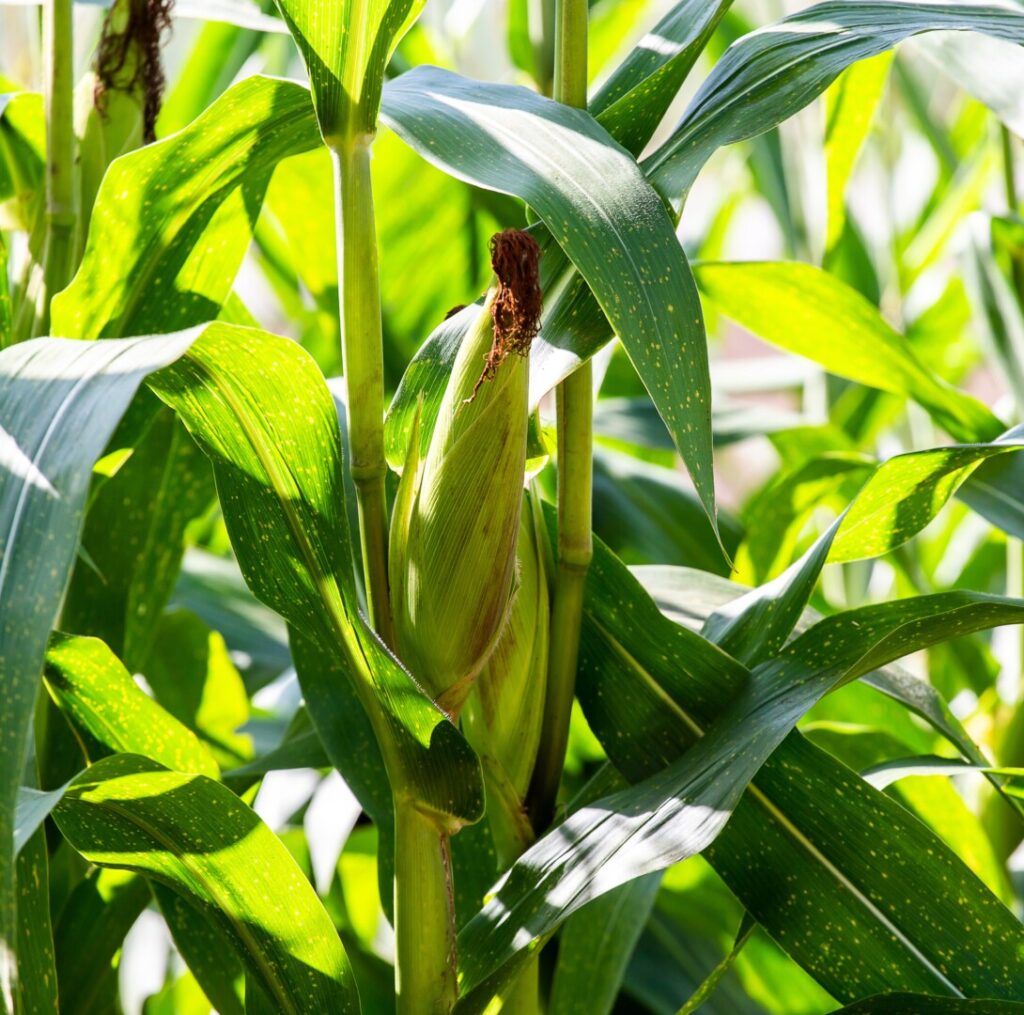
One of the benefits of growing your own sweet corn is that you can choose the type you want to grow. It’s important for both gardeners and cooks to understand a little corn science. Until late-20th century horticulturists developed special hybrids destined for commercial sale, sweet corn was a highly perishable food. Within only hours after harvesting, traditional corn’s natural sugar begins converting into starch, diminishing its flavor. (An old adage advises, “Don’t pick your corn until the cooking water’s boiling.”) Today commercially-grown corn for retail and wholesale distribution is almost always of a type called SE, or “sugar enhanced.” This corn is bred to produce more sugar, and to retain that sugar longer after harvesting. Unfortunately, for many sweet corn connoisseurs this type of corn is just too sweet, and lacks many of the other complex natural flavors found in traditional corn cultivars. Even in most farmer’s markets you won’t know whether the corn on offer is SE or traditional. To ensure you’re getting traditional sweet corn, you pretty much have to grow it yourself or find a reliable local source. In our limited space we grow three traditional varieties: an early yellow corn, a bi-color variety, and the heirloom Silver Queen white corn variety that remains the standard for late-summer enjoyment.
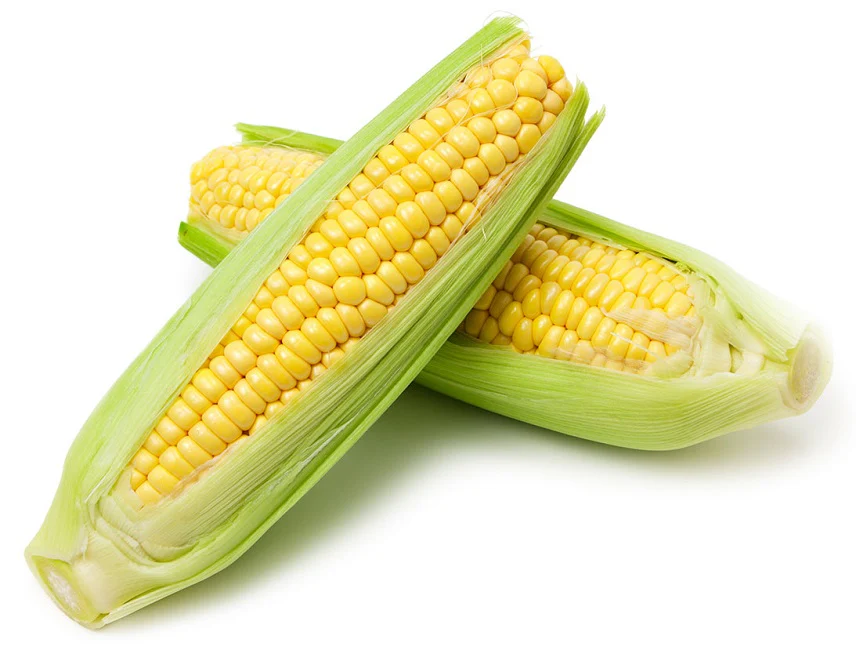
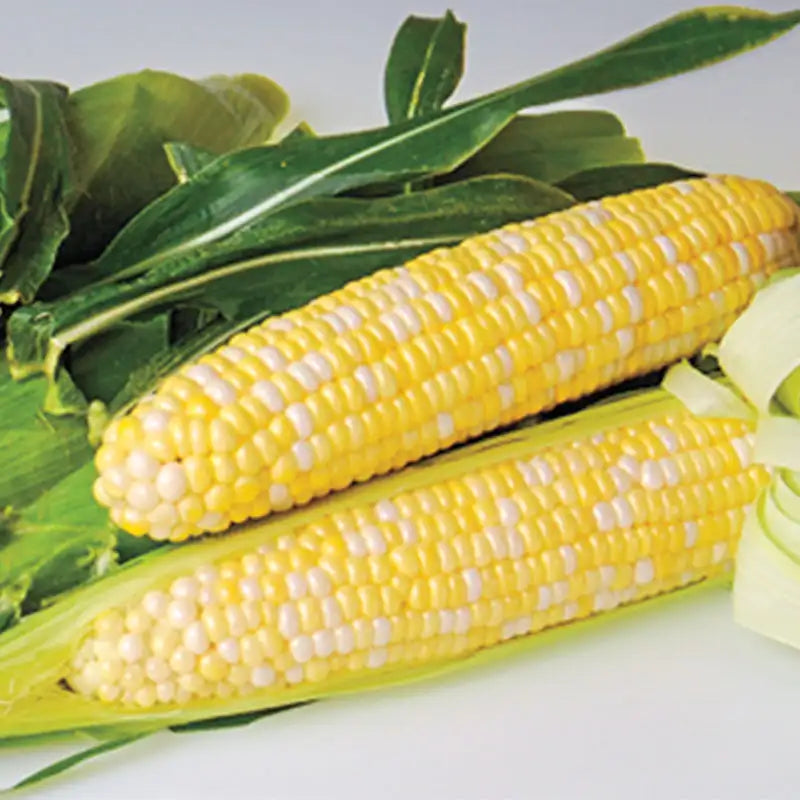
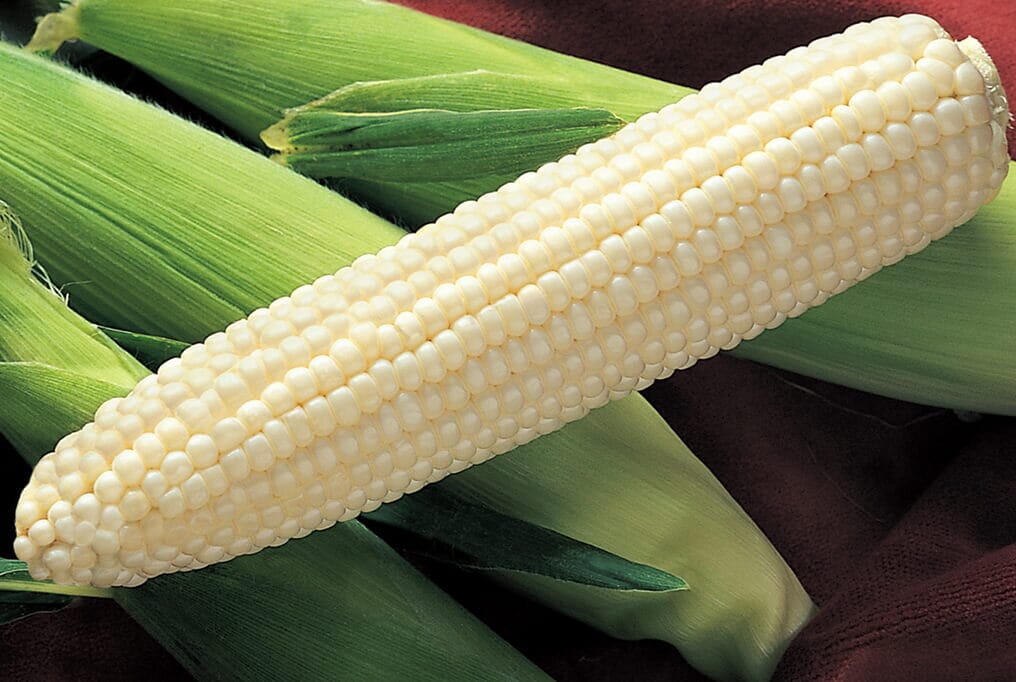
Truly excellent sweet corn requires nothing but a brief boil and a slathering of high-quality salted butter. But if you’re buying sweet corn from a supermarket, you can enhance its flavor and balance its sweetness with some of the more complex seasonings in our early summer recipe repertoire.
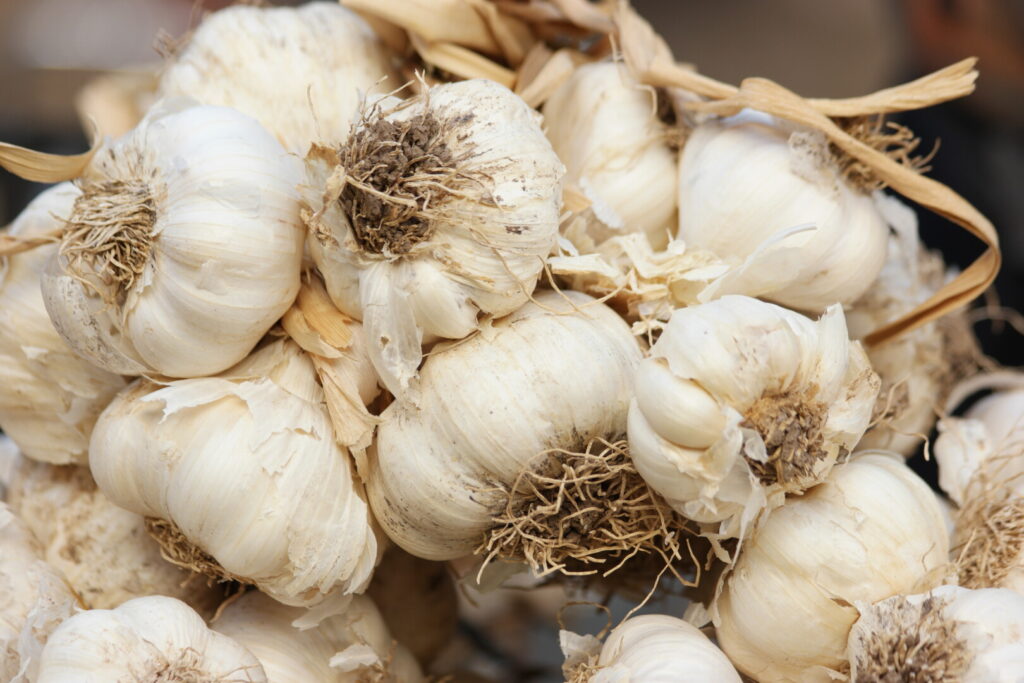
New garlic is a specialty of early summer. Planted in October, individual “seed” garlic cloves sprout and begin to form clove clusters during the cool autumn weather, lie dormant underground during winter, and then in springtime grow into plump heads ready for harvest in mid-June.
The cloves of new garlic are thin-skinned, moist, tender, and mild in flavor. So you can use a lot of it, enjoying abundant garlic flavor without the intense, sharp burn of storage garlic.
We’ll feature new garlic in some of our early summer dishes, especially salads and those with raw sauces. Look for it at farmer’s markets or plan to plant some yourself next fall.
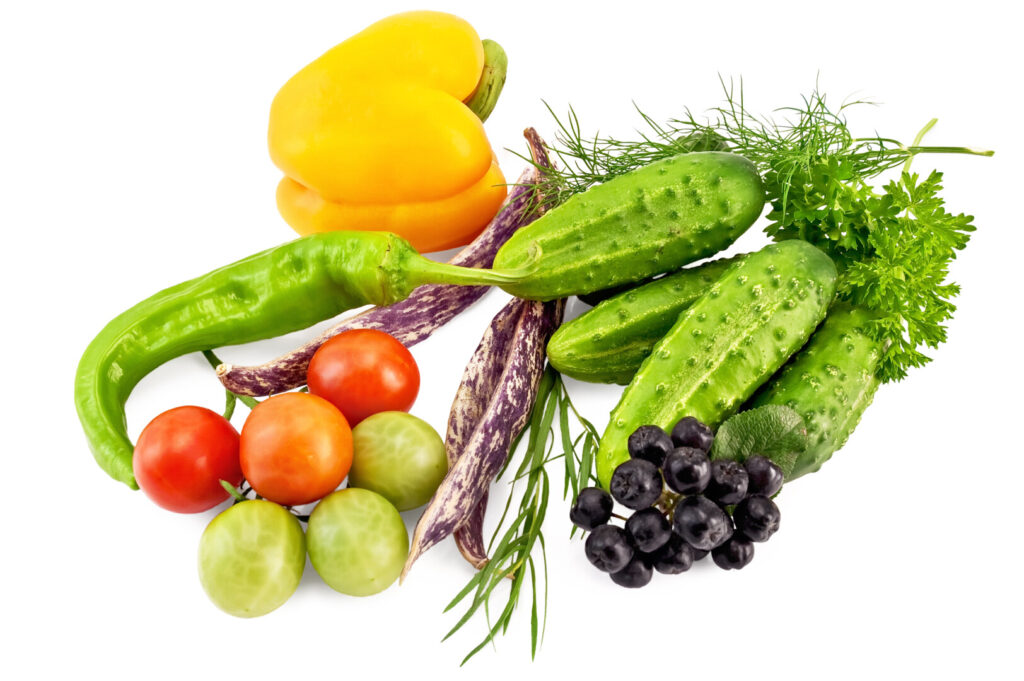
In addition to tomatoes and corn, our early summer recipes celebrate a bounty of vegetables such as cucumbers, arugula, fresh basil, zucchini, heat-tolerant lettuces, and a variety of garden beans.
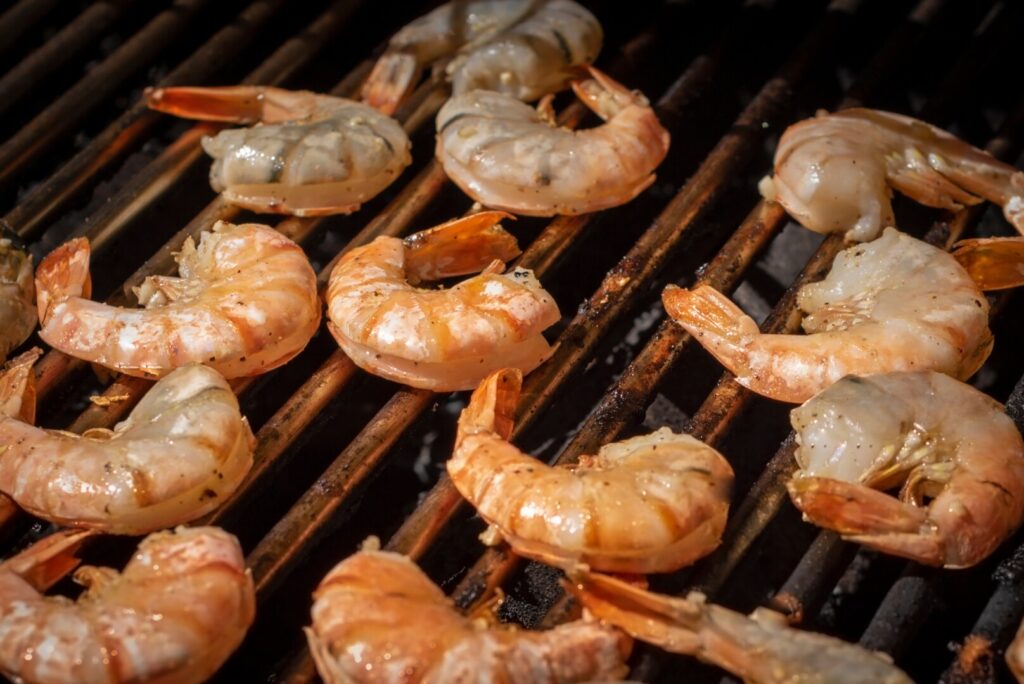
Now that the weather is hot, we’ll feature grilled foods that keep your kitchen cool. You’ll learn some pro tips to make your grilling great. From grilled shrimp skewers to tandoori chicken modified for the grill, you’ll enjoy some exciting new dishes for outdoor cooking.
We’ll accent our grilled foods with crisp vegetable salads enhanced with our Essential Vinaigrette dressings. https://prepholdcook.com/category/recipes/essentials/ If you don’t already have bottles of these versatile ingredients stashed in your ‘fridge, summer certainly is the time to make a batch of each. Fresh, homemade dressings make summer salads easy to compose and help you create your own signature salads.
This season our focus is on light, healthful, yet tasty and satisfying recipes you’ll love to cook and eat even on the hottest evening. Join me as I create new dishes all summer long.
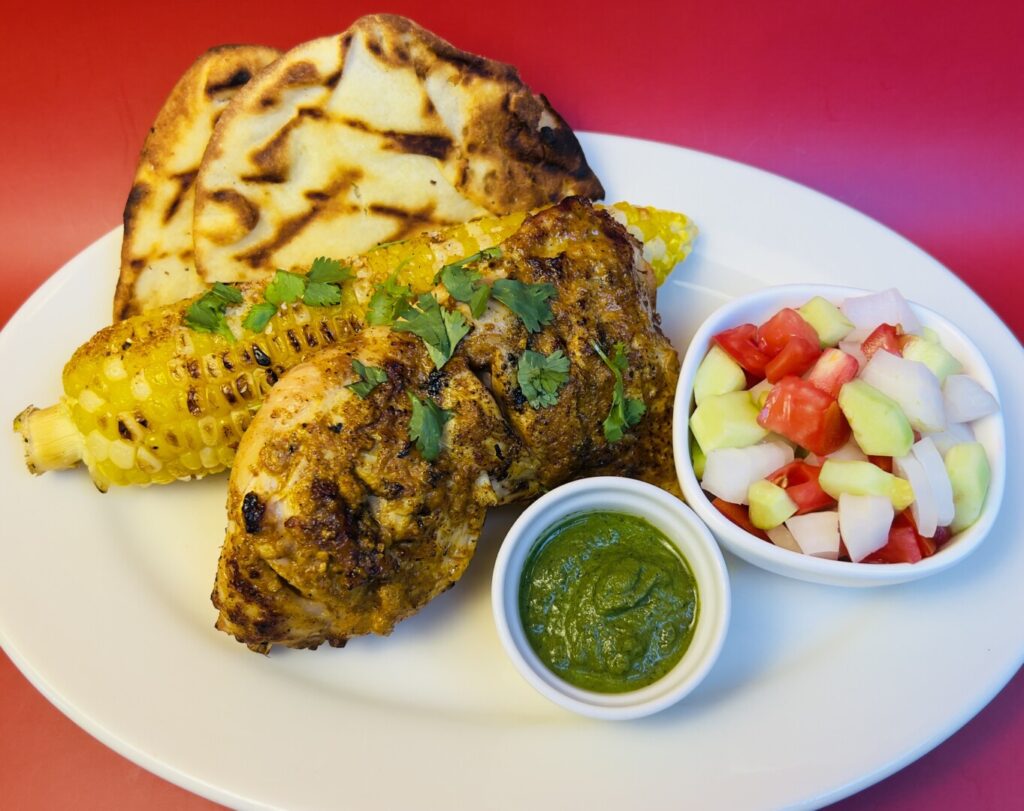
Tandoori-Grilled Chicken with Indian Street Corn, Naan, and Kachumber Salad
A tangy, spicy, yogurt marinade lends chicken legs the exotic flavor of classic Indian tandoor oven roasting, yet cooked on your backyard grill. Cool, spicy coriander-mint chutney perfectly complements their flavor. Team your tandoori-style chicken with grilled corn on the cob brushed with butter and seasoned with cumin-coriander spice masala. Serve with grilled naan flatbreads and a crunchy salad of cucumbers, onions, and tomatoes.
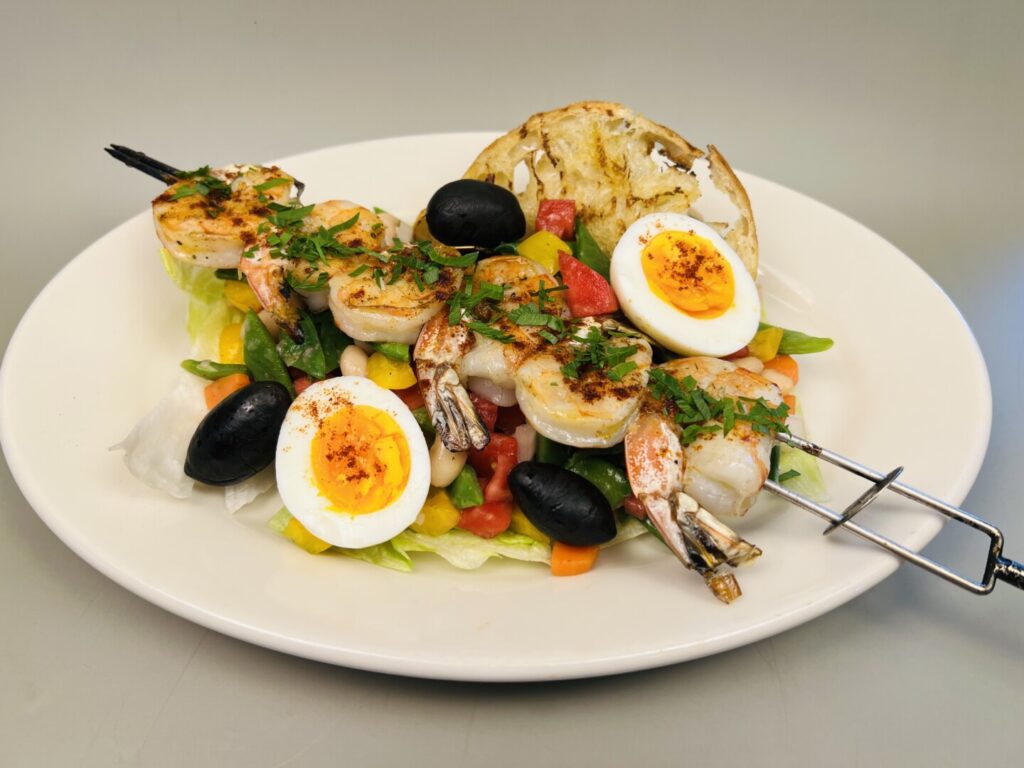
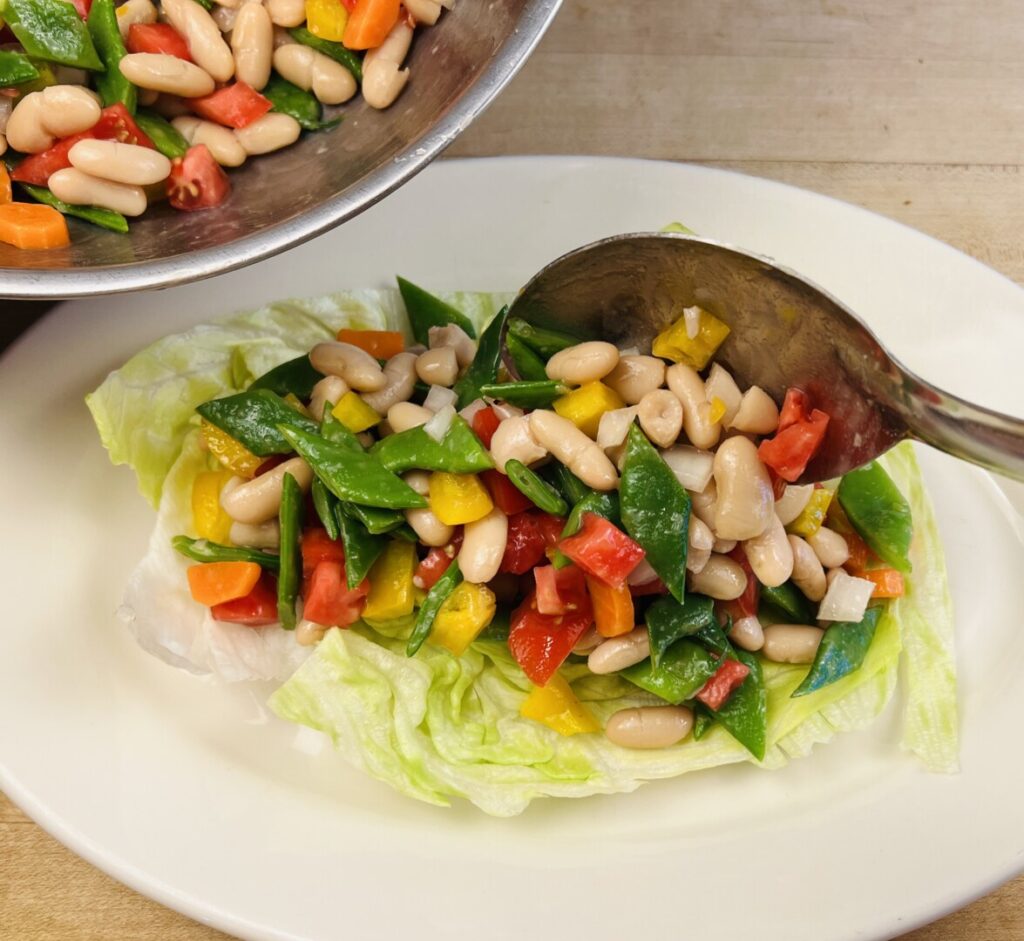
Smoked Paprika Grilled Shrimp Skewers on Catalan White Bean Salad
Bring the flavors of sunny Spain to your summer table with sizzling skewers of garlicky grilled shrimp enhanced with piquant smoked paprika. Empedrat, a classic salad of Catalonia, provides a cool counterpoint with tender white beans, vine-ripe tomatoes, crunchy vegetables, and crisp lettuce in tangy sherry wine vinaigrette. Accompany this dish with warm slices of crunchy grilled bread for a light and refreshing summer dinner.