
November 1—December 15
Late fall is the season with the most definitive start date. Whereas other seasons seem to change gradually from one into the next, for me late fall begins on the date of the first hard freeze. One day the garden’s last peppers, tomatoes, and lettuces are still hanging in there—and the next day they’re done. Yes, leaving warm-weather foods behind and making the change to late fall cooking can be a little sad. But it’s satisfying to cook and eat in accordance with nature’s cycle. So in this season we’ll turn to the warming, comforting foods of cold weather cuisine.
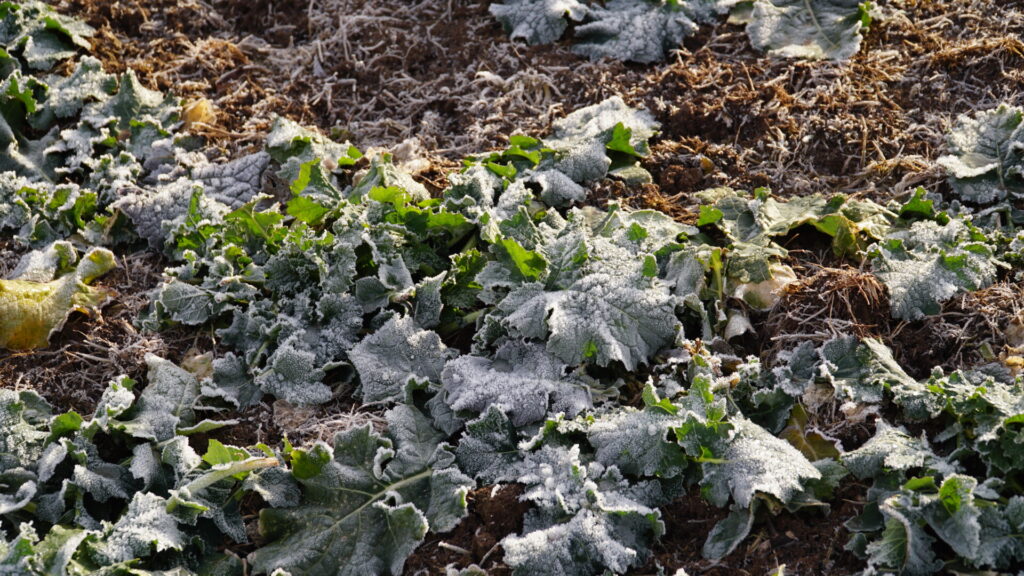
From mid-October onward, frost flirts with backyard gardeners hoping to extend the growing season just a little bit longer. In late afternoon we check the weather forecast for the predicted low, and when it threatens to go below 40°F late afternoon finds us out back covering the vegetable beds with sheets and blankets. Some of us drag out the row covers put away since spring, setting out hoops and plastic sheeting to warm the soil during the daytime and keep the ice crystals at bay throughout the night. But here in the Mid-Atlantic, the beginning of November usually brings the first hard freeze. Our tender vegetables are done, and only the sturdy brassicas survive.
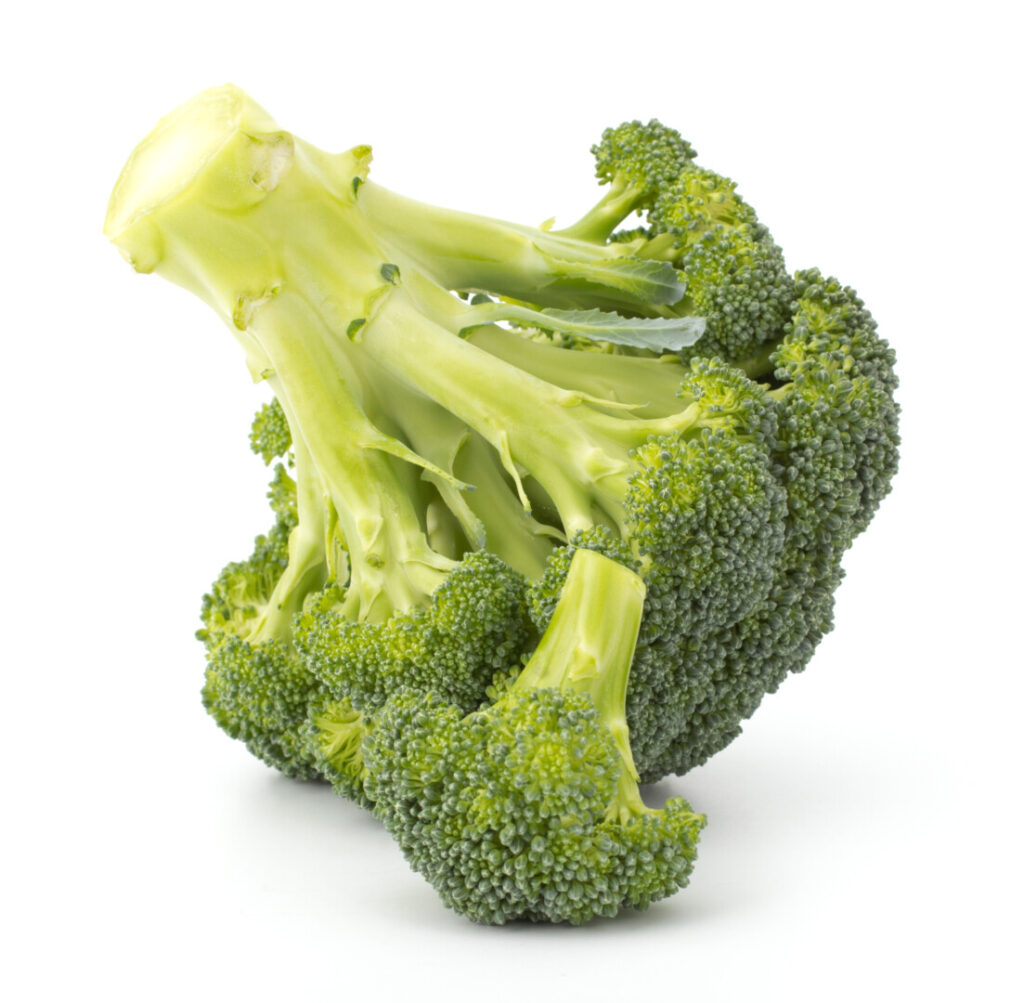
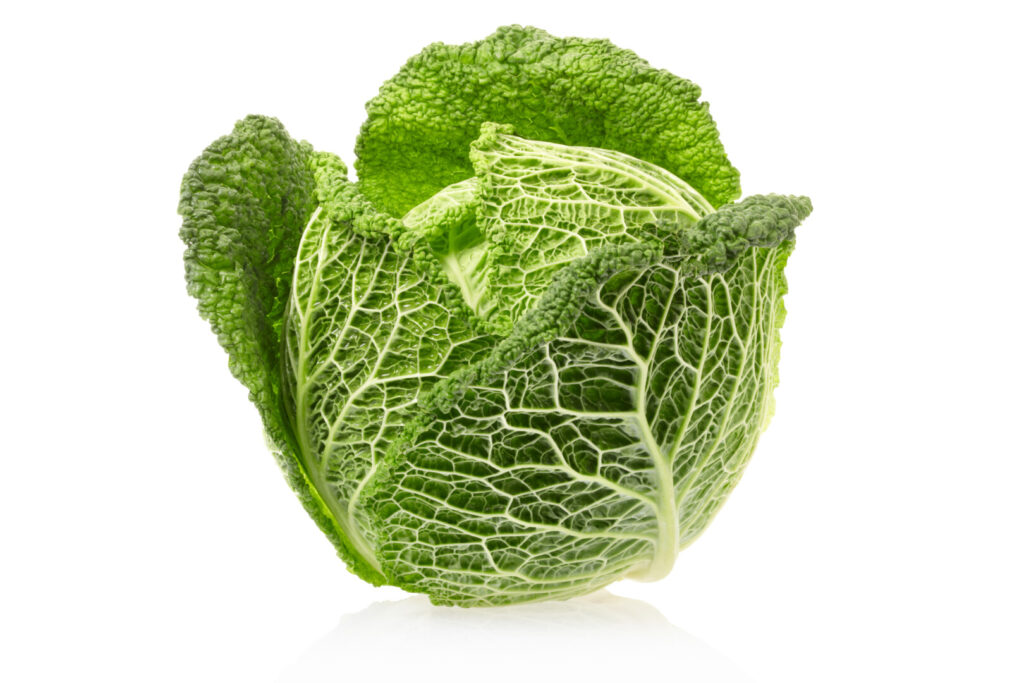
In late fall, sturdy brassicas star as vegetable components of our dinners. Using alternative and specialty cultivars keeps things interesting.
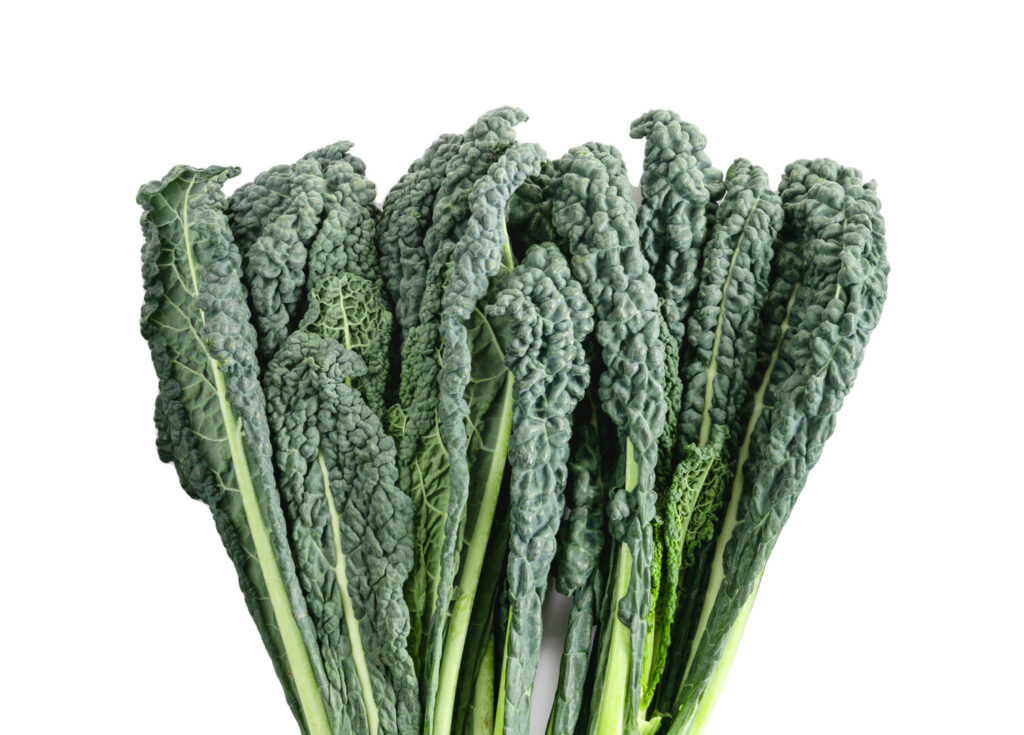
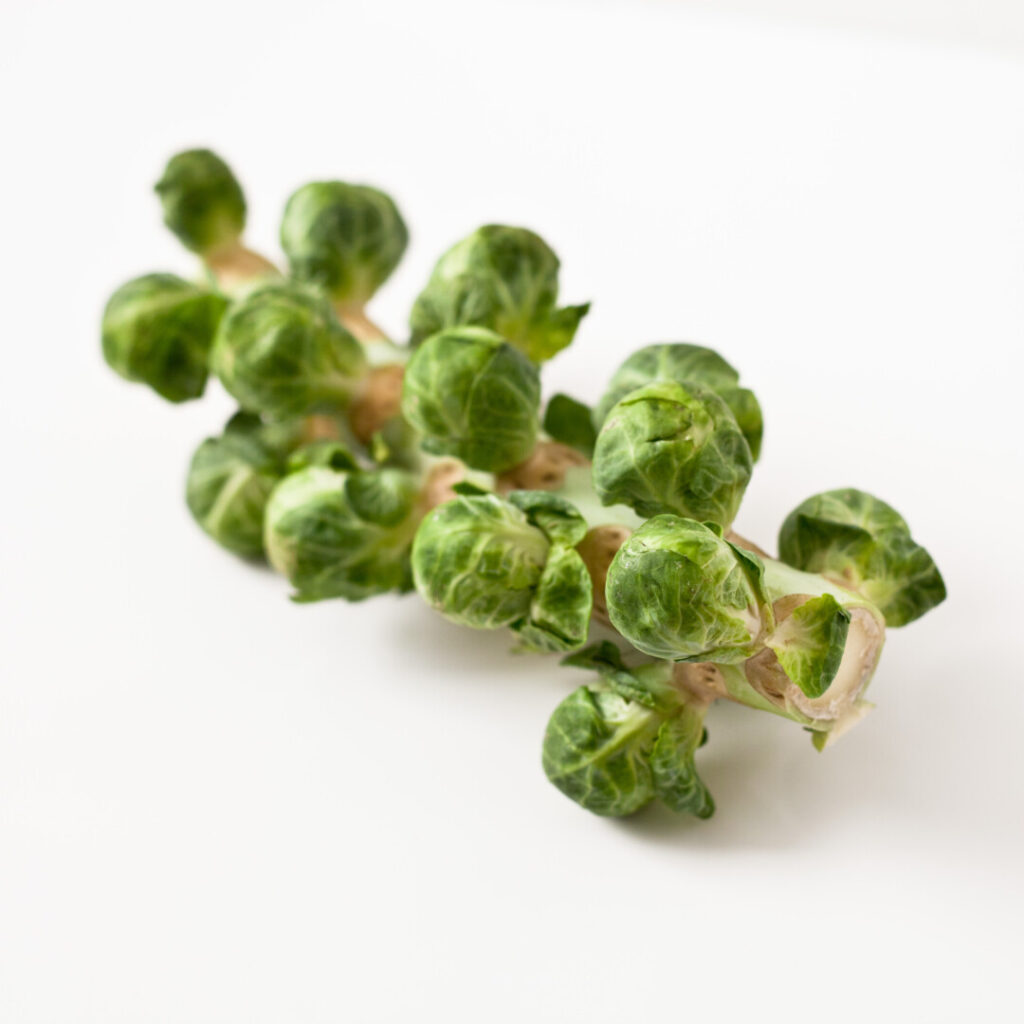
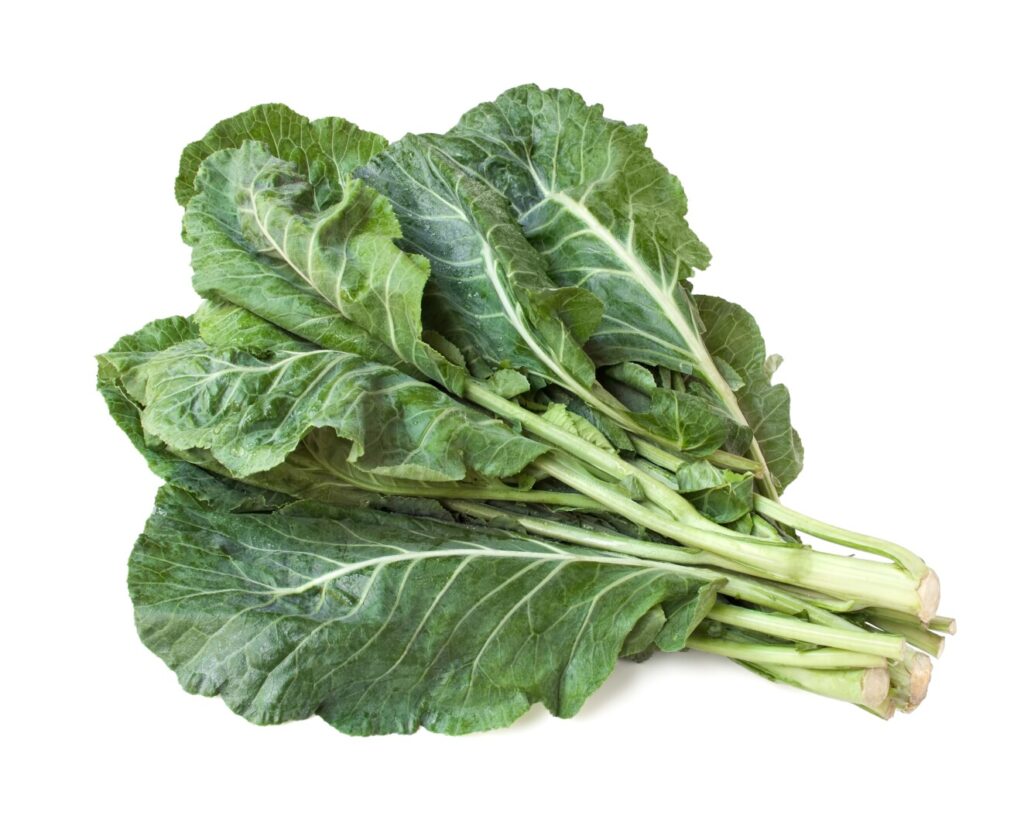
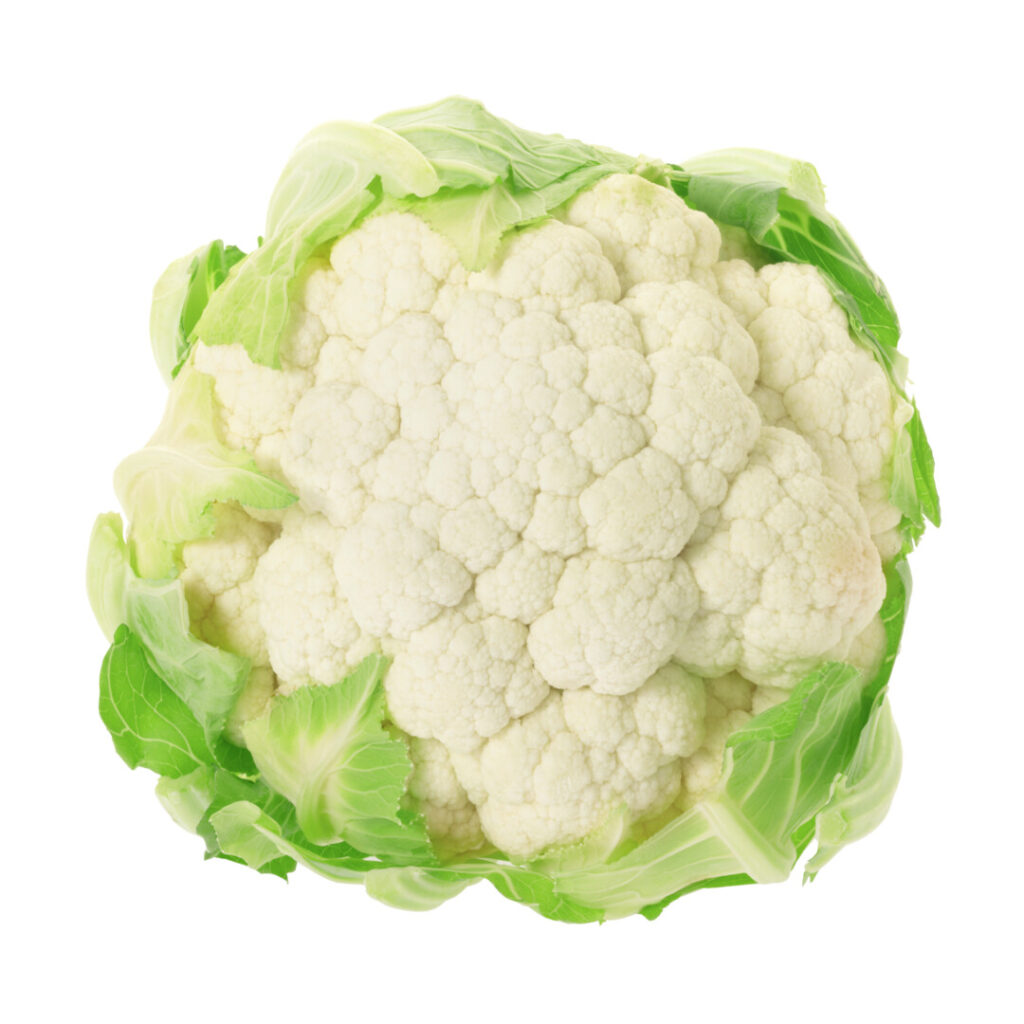
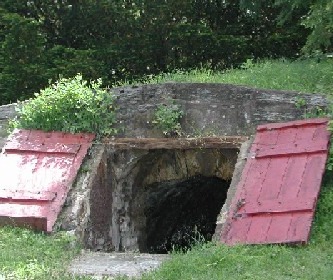
Storage vegetables add sweetness and an array of colors to brighten plates from late fall through late winter. What’s a storage vegetable? It’s a sturdy vegetable that will keep for months at temperatures between 38°F and 50°F. In the days before refrigeration, farmers built root cellars dug into the sides of hills for keeping storage vegetables through the long winter months. The earth above and around the cellar acted as a natural insulator, keeping vegetables cool but preventing them from freezing. Today refrigerators perform the same function. In them, we can keep our storage vegetables ready to hand for weeks and even months.
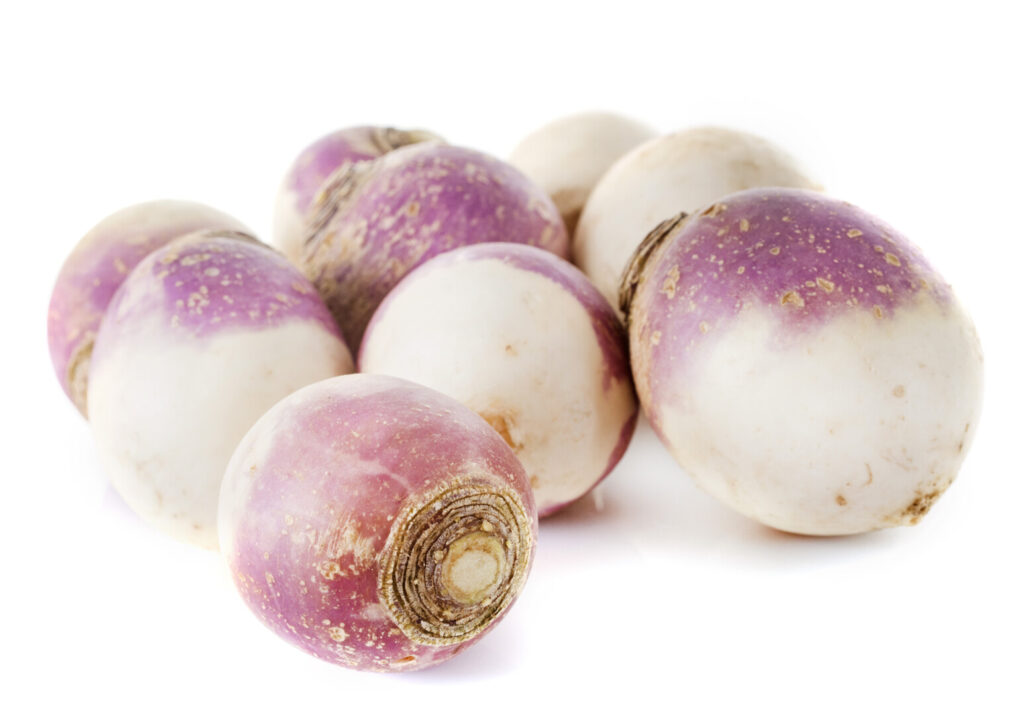
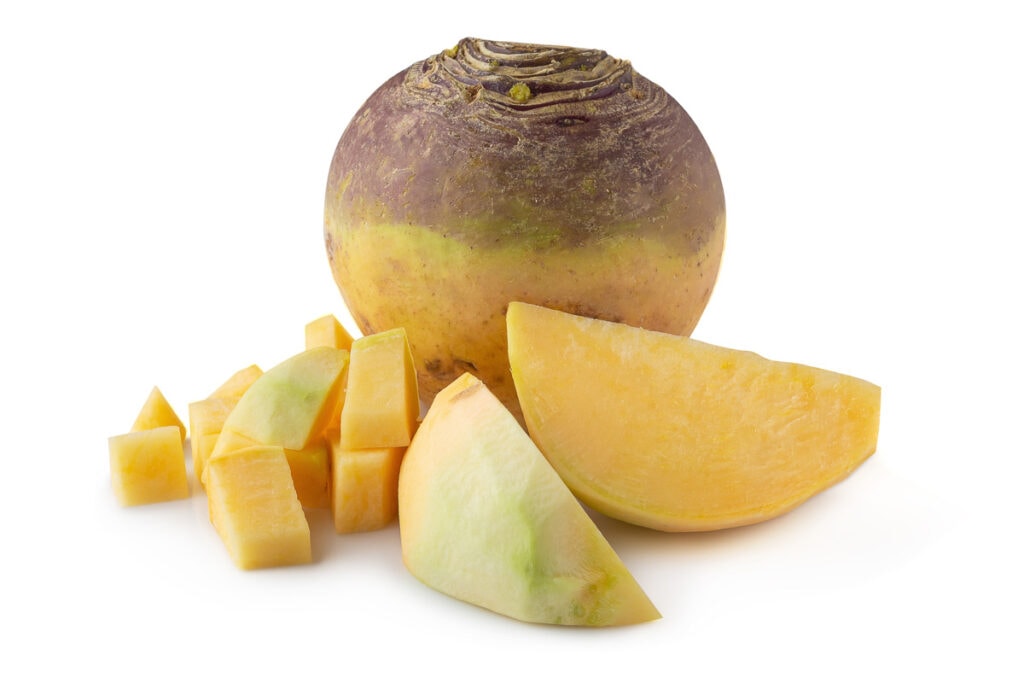
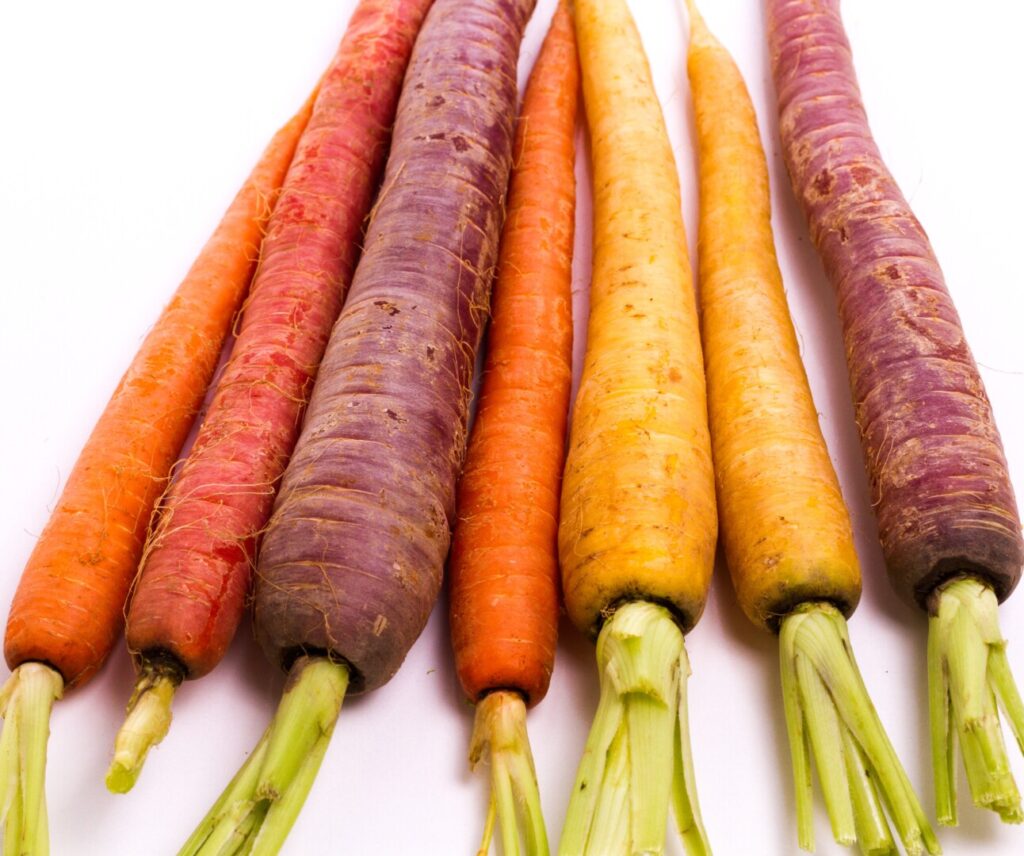
Root vegetables is the broadest category of storage vegetables. The most basic, of course, are the onions and garlic we constantly use as aromatics, as well as the various types of potatoes that we serve as side starches. But others make interesting and colorful vegetable sides.
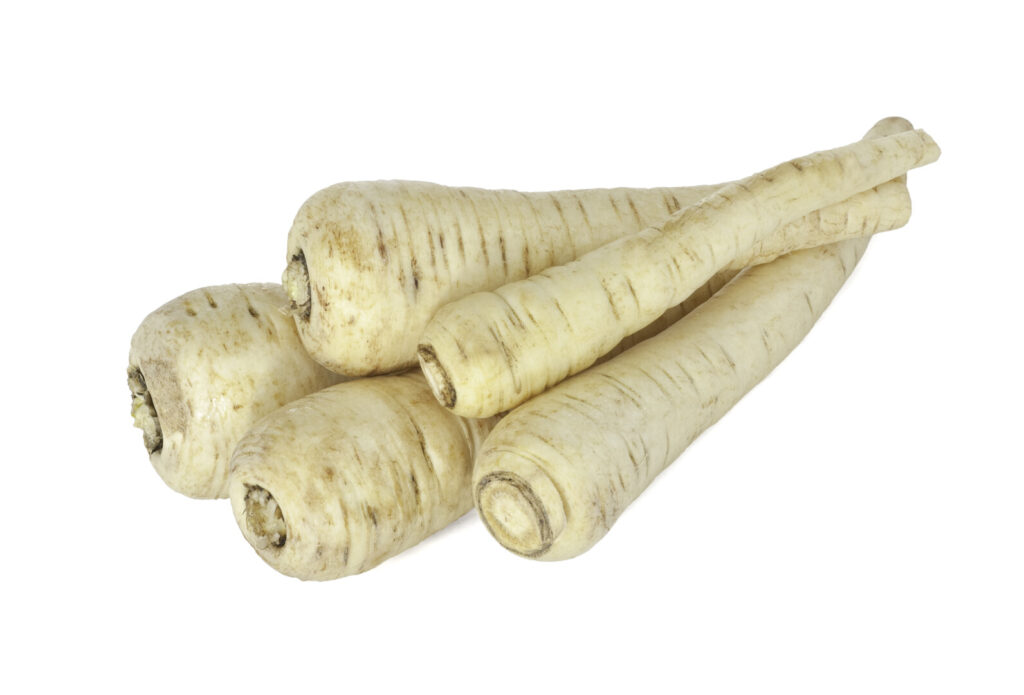
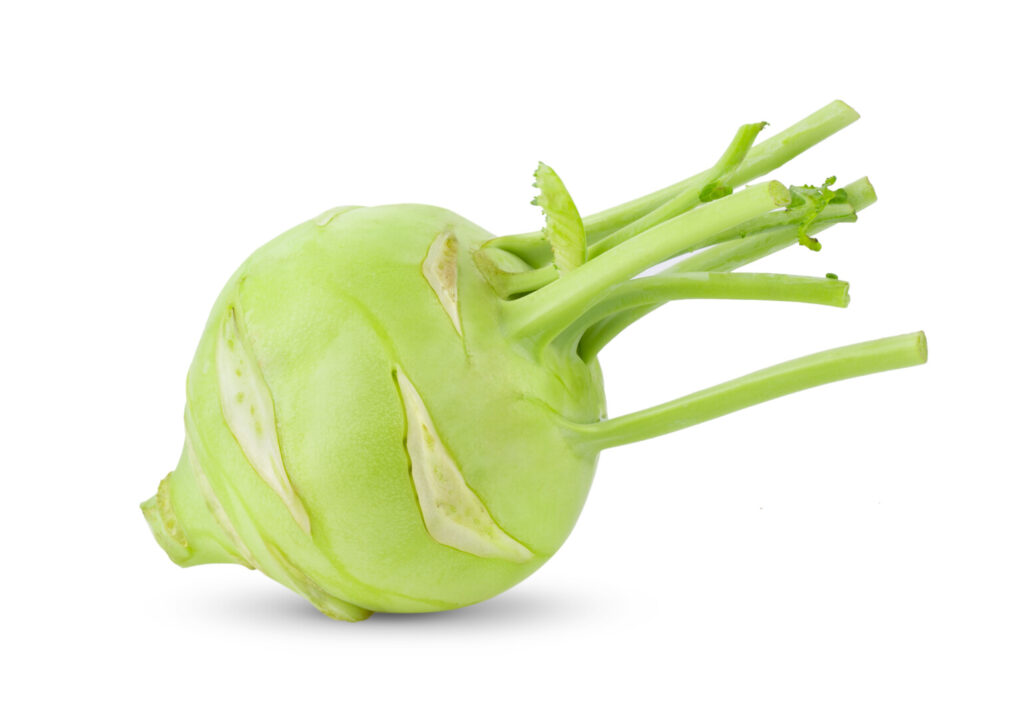
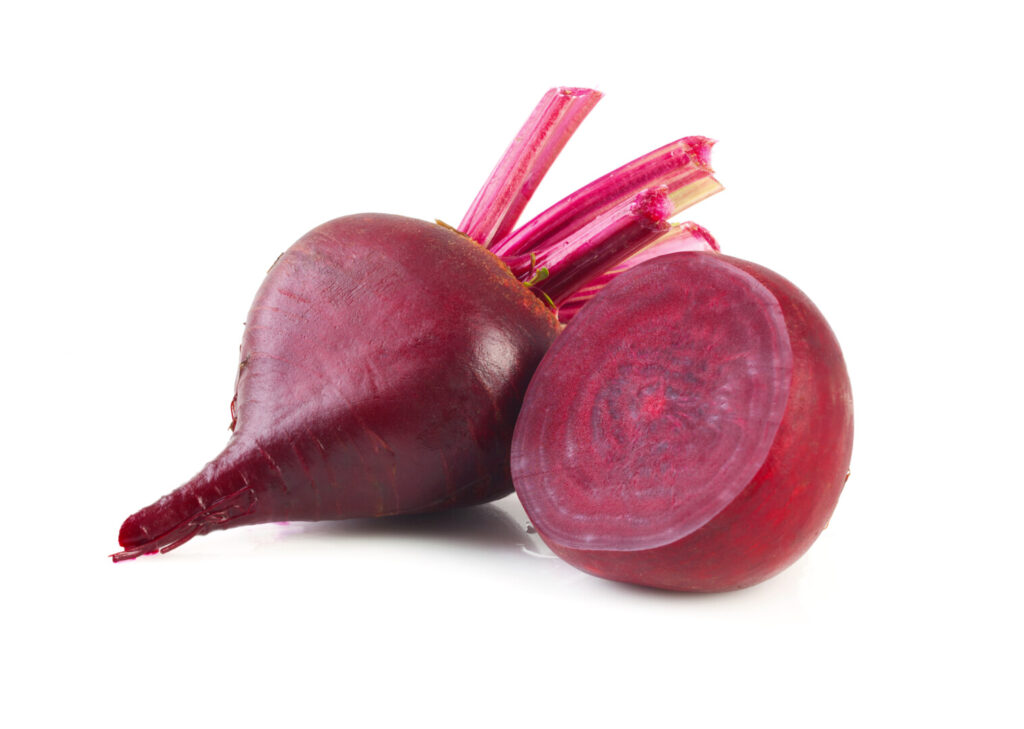
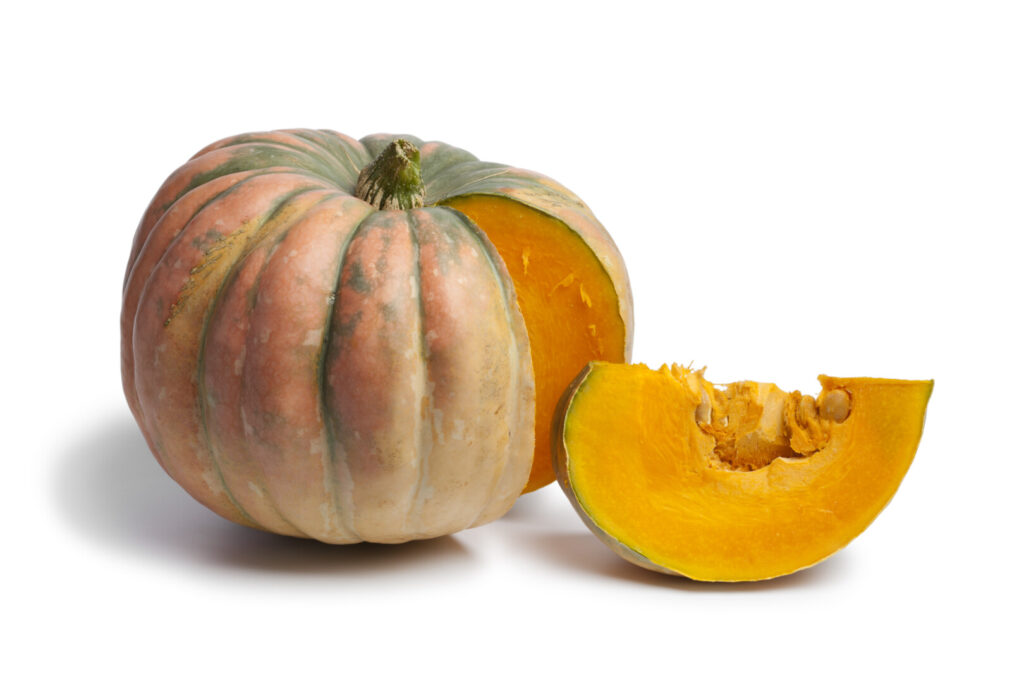
Winter squashes are another important category of storage vegetables. Most are known for their sweet flavors, as well as the warm autumn orange tones they bring to our plate presentations.

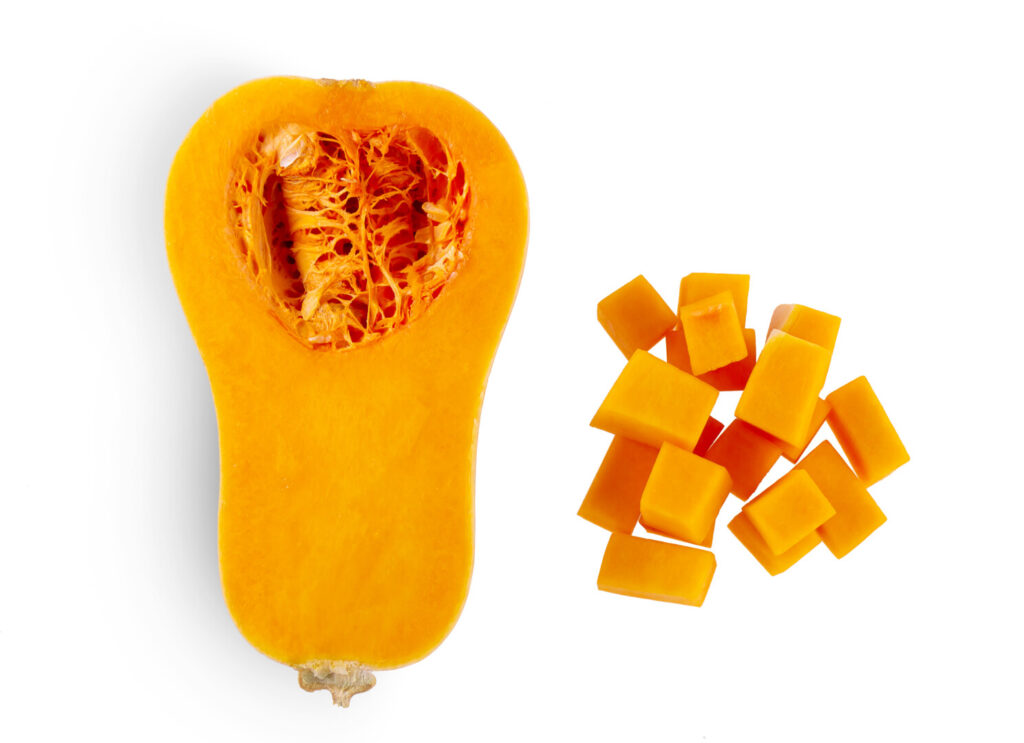
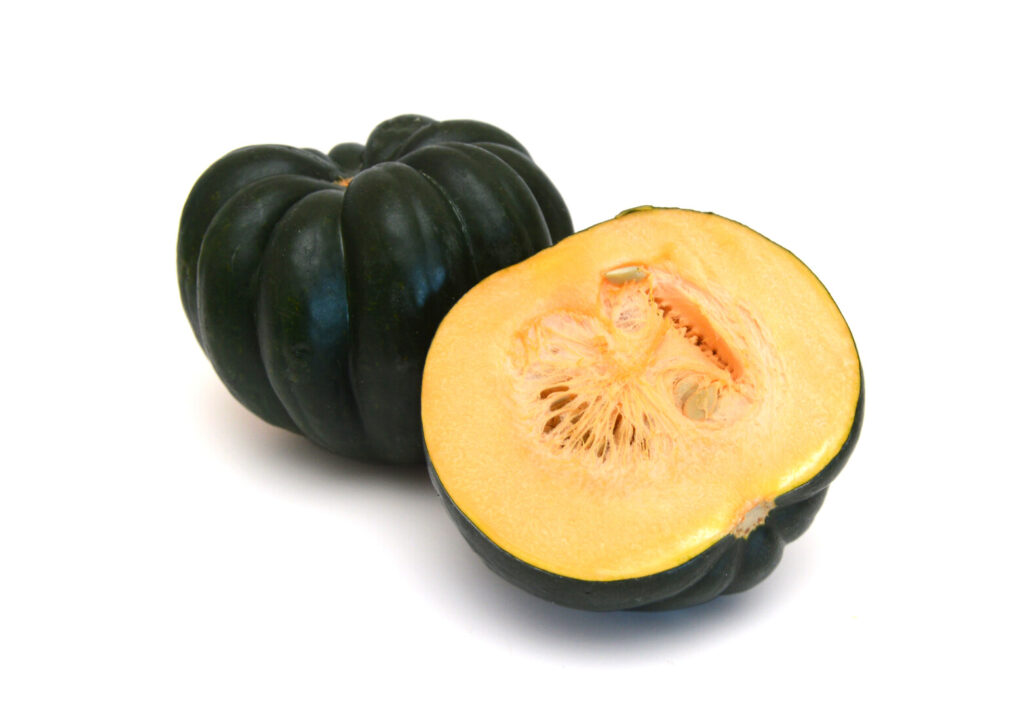
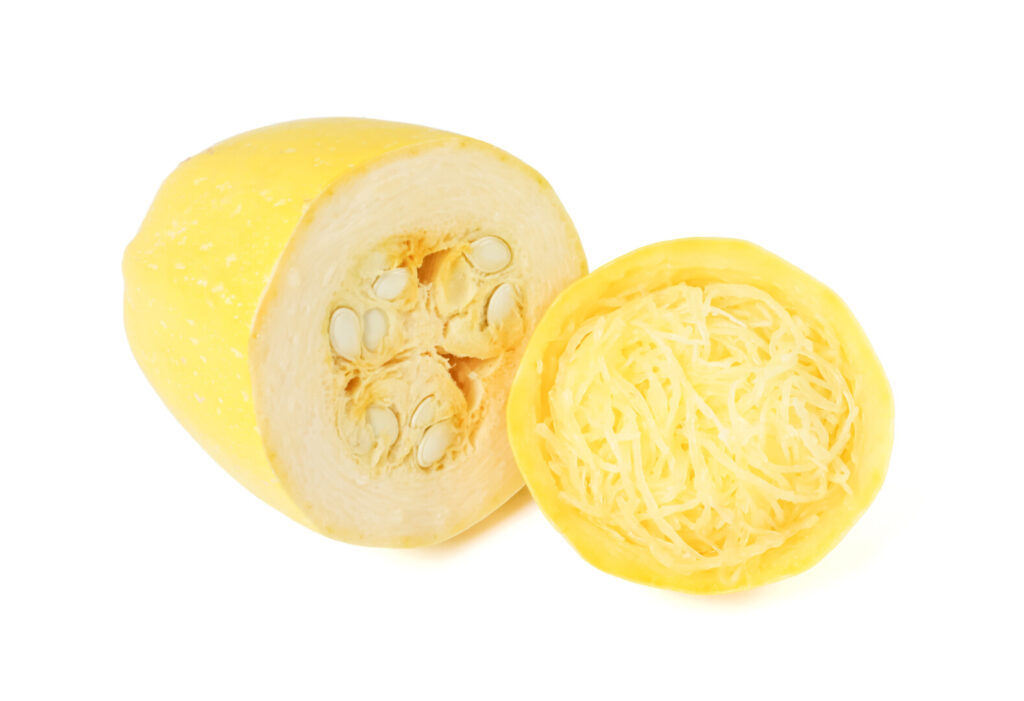
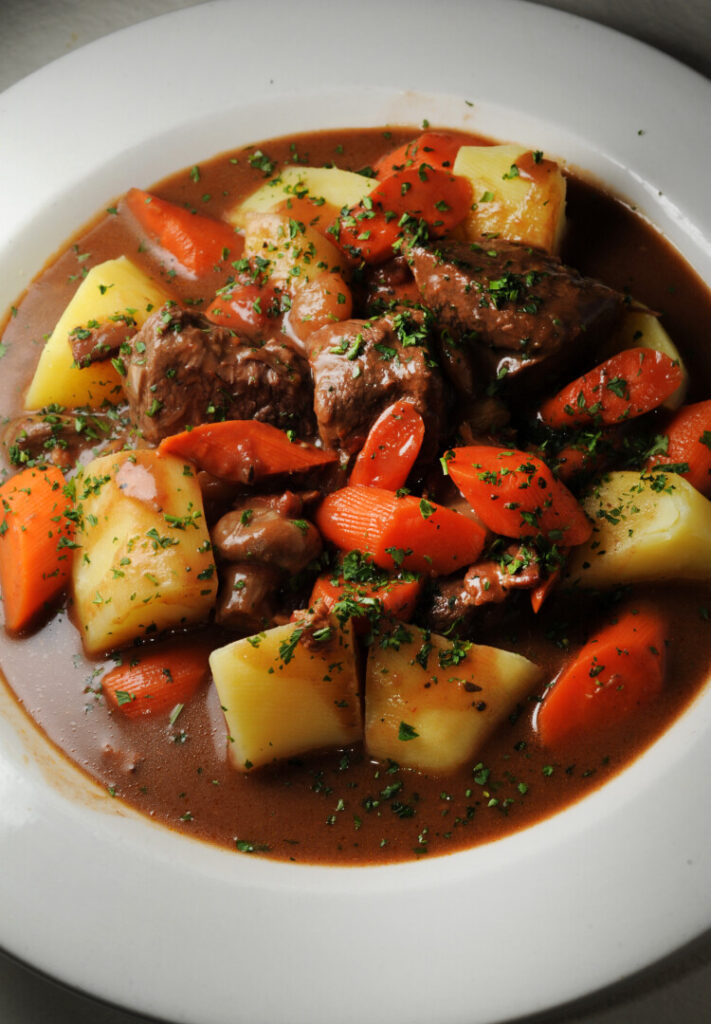
As the seasons change, our cooking methods change accordingly. Early fall evenings, though chilly, were still fine for grilling. But not so much anymore. From late fall through late winter instead we rely on pan-searing and roasting, indoors, where the heat from stovetop and oven is welcome. Slow-simmered, moist-heat foods now rule. We’ll feature soups, stews, and braises to warm us when the weather turns truly cold.
So, let’s explore the comforting foods of late fall!
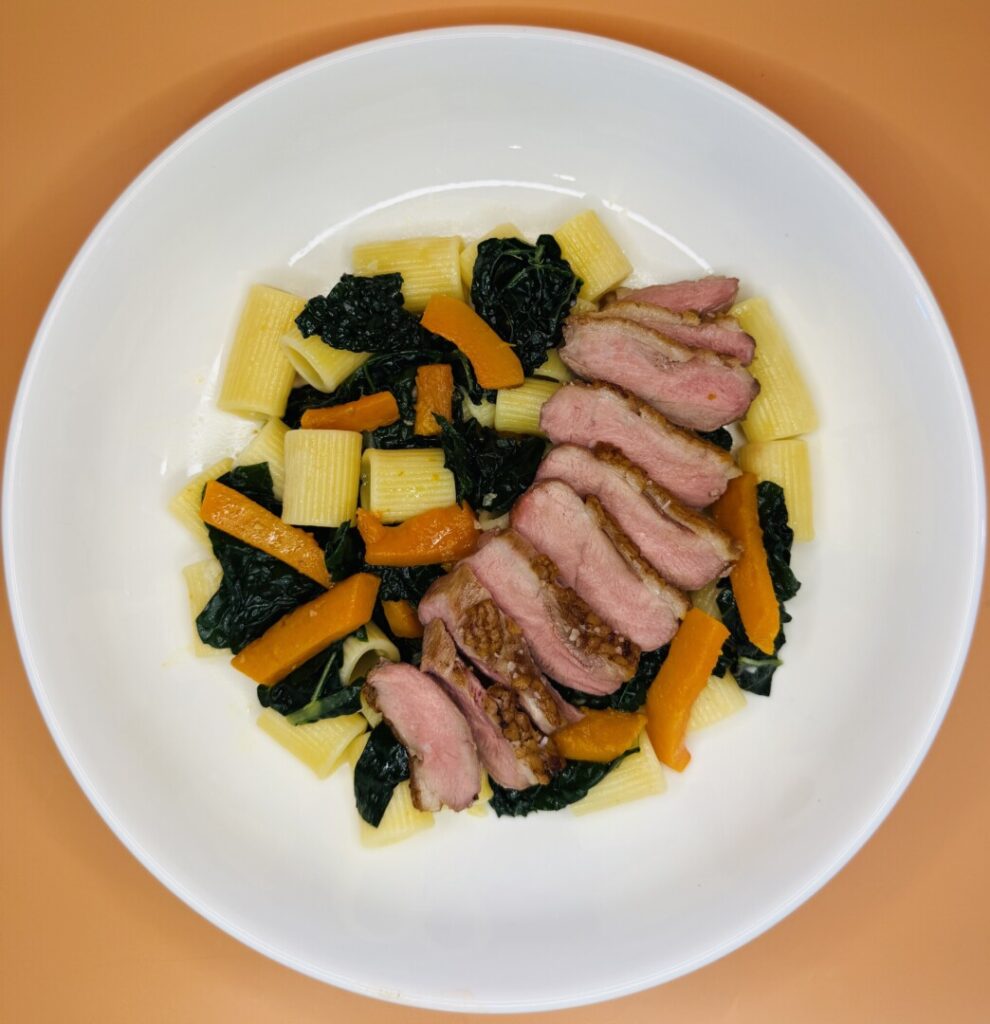
Autumn Rigatoni with Butternut Squash, Tuscan Kale, and Duck Breast
Sautéed cubes of sweet butternut squash contrast with the earthy, vegetal flavor of Tuscan kale to enhance a steaming bowl of al dente rigatoni pasta in a tangy lemon butter sauce enriched with Parmigiano-Reggiano cheese. Elevate this satisfying seasonal combination by topping it with sliced, pan-seared, boneless duck breast. Its crispy skin and moist, rosy breast meat make this dish a memorable late fall meal.
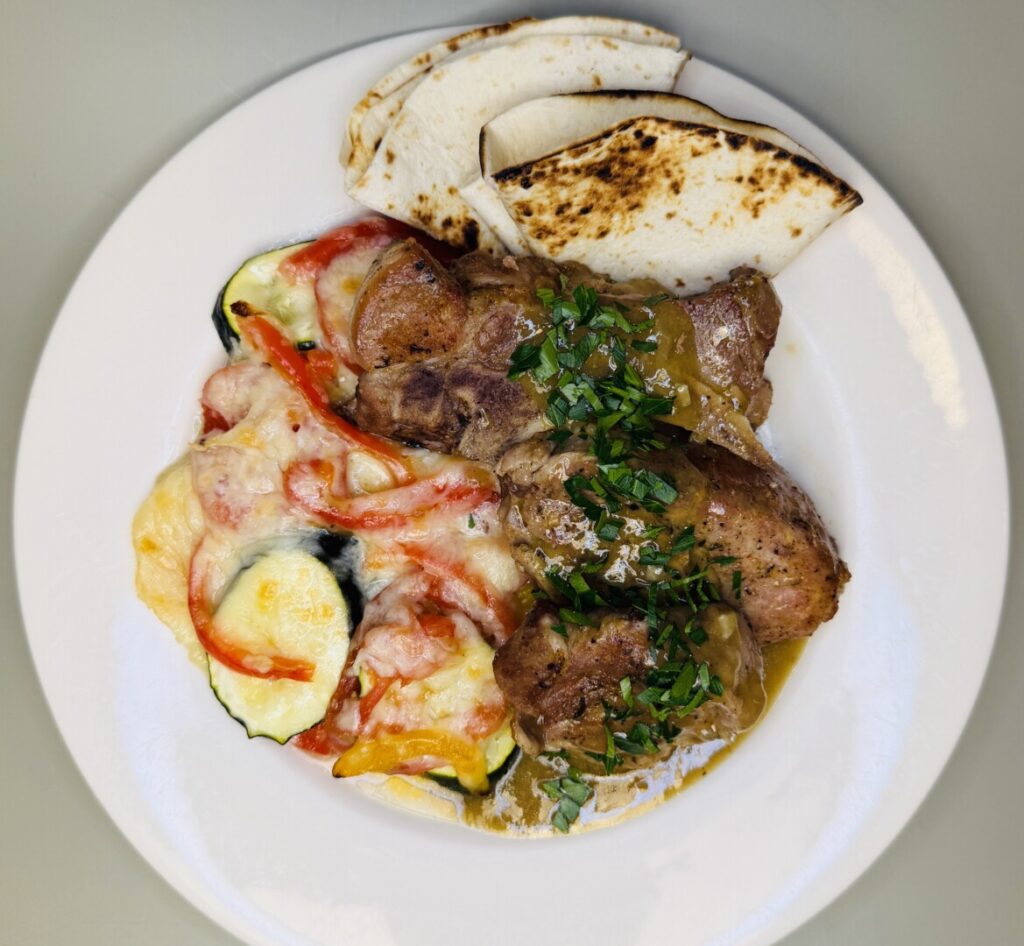
Green Chile Pork Country Spare Ribs with Cheesy Roasted Vegetable Gratin and Toasted Tortillas
Spice up a late fall dinner with succulent pork country spareribs braised in spicy New Mexico green chile sauce. Team them with a gratin full of roasted zucchini, winter squash, red bell peppers, and lima beans topped with melted cheddar and asadero cheeses, and accompany both dishes with freshly-toasted flour tortillas.