

May 1 — June 14
The sun is shining, the winds are warm and gentle, and the air is filled with birdsong. We’re done with fickle April weather and ready to enjoy the most pleasant time of the year. It’s time for walks in the woods and fields—and afterward, for porch-sitting and wine-sipping. Of all these pleasures, one of the season’s best is cooking with late-spring produce and proteins.
Late spring is when farmers and gardeners can really get down to business. In my temperate, Mid-Atlantic plant hardiness zone, May 5 is the average final frost date. After that, it’s a rush to get everything planted. Around here, Mother’s Day is the day to finally put our tomato starts—patiently nurtured indoors under grow lights or purchased from a garden center—into the ground. Cool-weather lettuces have been producing for several weeks now, to soon be replaced by more heat-tolerant cultivars.
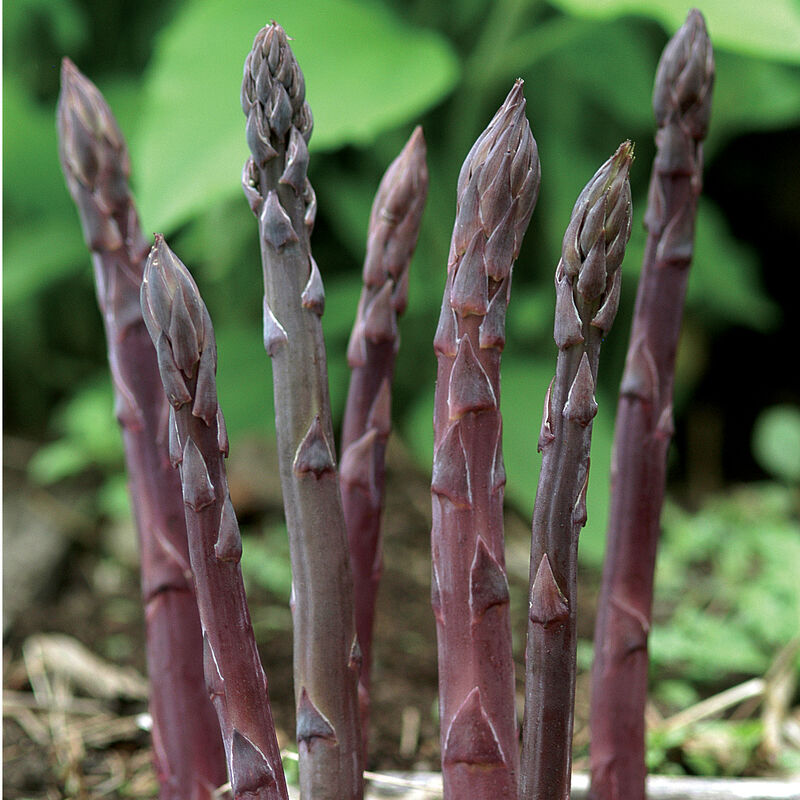
Last week we enjoyed the first of our prized asparagus: old-fashioned, bold-flavored Mary Washington, early Jersey Supreme, and deep mauve-colored Purple Passion. Growing asparagus requires patience; after the initial planting of asparagus crowns, it takes a minimum of two years for them to produce. Twelve years after starting our bed, we’re now rewarded with huge, meaty spears sometimes of more than an inch in diameter. We’ll be eating asparagus in some form or other virtually every day until the delicious, fat, juicy, spears turn tall and leggy, and develop lacy, fern-like foliage. I’ll share some of my favorite asparagus recipes with you in this season’s posts.
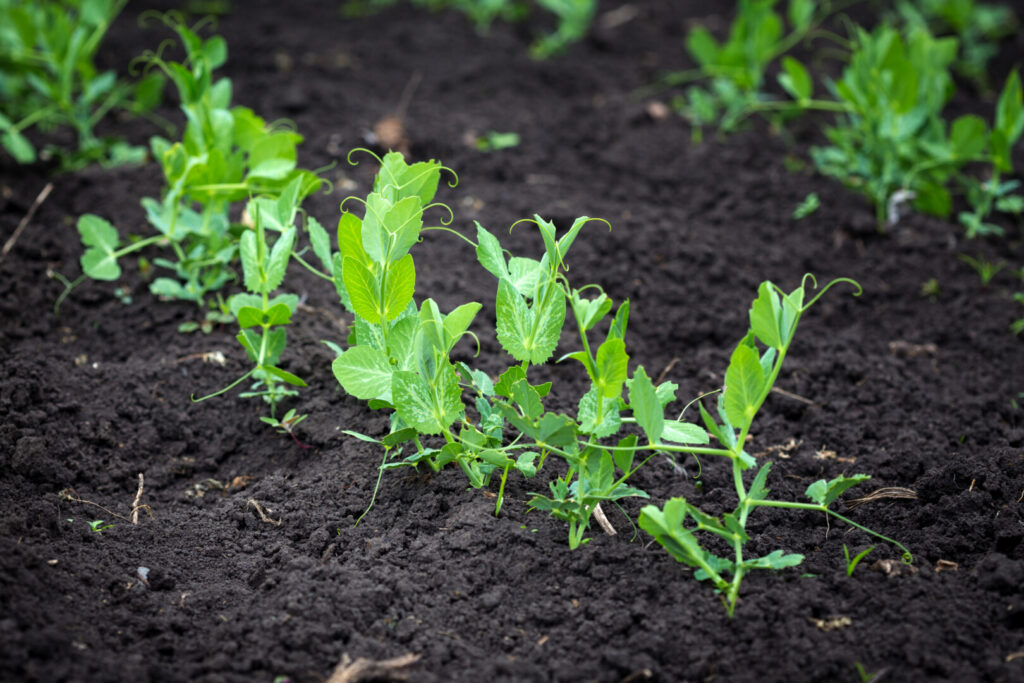
Our direct-sown pea seeds have sprouted, and we look forward to harvesting fresh peas by the end of late spring. In the meantime, we’ll harvest the thinnings—tender, tasty pea shoots to use in salads and stir-frys.
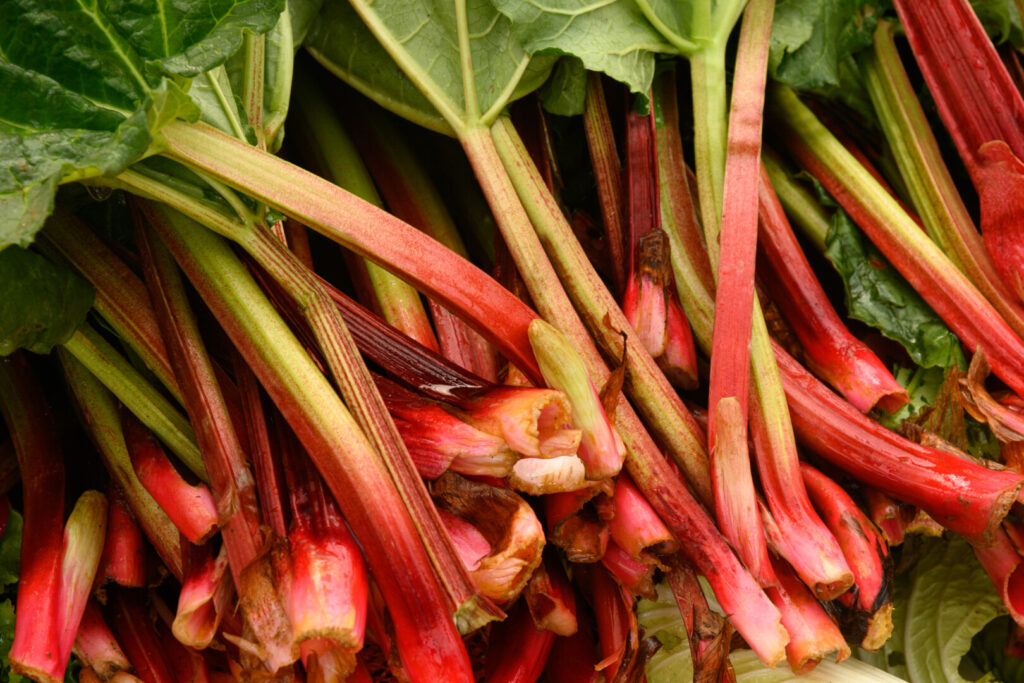
Typically a vegetable of early spring, this year rhubarb came up late in our area and developed more slowly than usual. The sturdy pink stalks are traditionally cooked with sugar to make fillings for pies and cobblers. But lightly-sweetened, they make a great accent vegetable and add welcome acidity to sauces for rich protein foods such as pork, duck, and even salmon. This season I feature it with pork tenderloin, but you can adapt it for many other savory dishes.
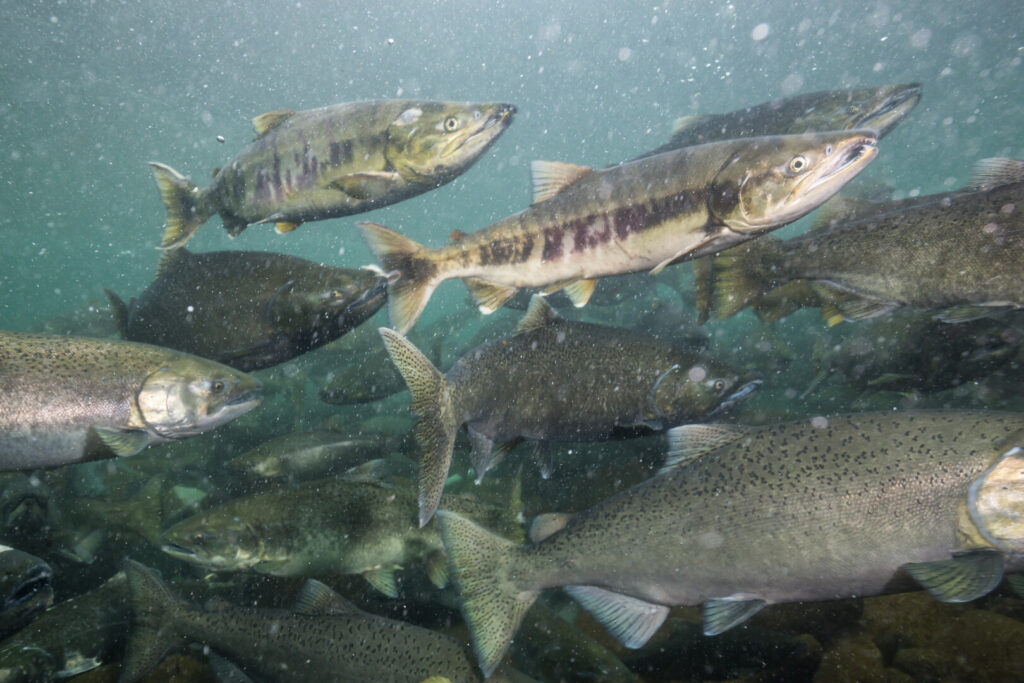
Salmon is the traditional fish of late spring and early summer. The term “salmon” is used for a number of cold-water fish species commonly used for food. Most commercially-available salmon is from the north Atlantic and the northern Pacific oceans and the rivers that empty into them. Salmon are anadromous fish, meaning that they hatch in river headwaters, swim out into the ocean where they live as adults, and then return to their hatching place to spawn. Native Americans and, later, colonist fishers traditionally harvested salmon during the springtime run upriver. As well as feasting on salmon as a seasonal treat, they also preserved it by salting and smoking it.
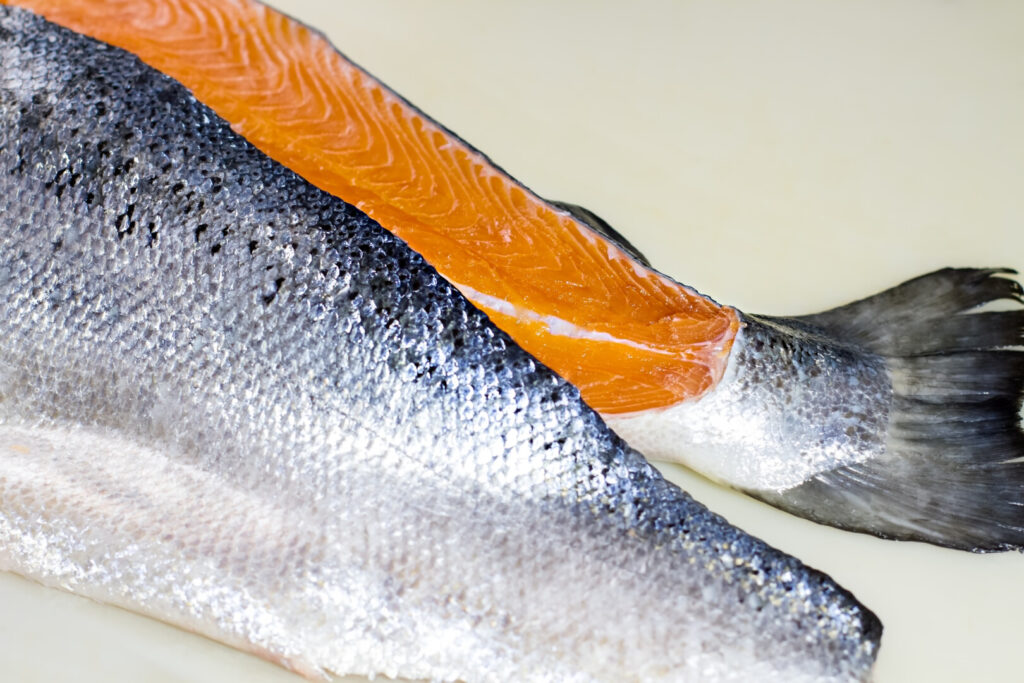
The firm, rich flesh of salmon varies in color from pale pink to coral to almost red in color, depending on the species. It retains its color through various cooking methods, resulting in attractive plate presentations. Versatile salmon fillets can be poached (for serving hot or cool), pan-seared, broiled, or grilled. Whole fish or whole sides can be oven-roasted. And salmon steaks are great for grilling. We’ll feature salmon throughout the season.
Join me as I cook my way through late spring, dividing my time between the garden and the kitchen. Check back each week as new recipes debut.
Grilled Salmon with Asparagus, New Potatoes, and Deconstructed Hollandaise
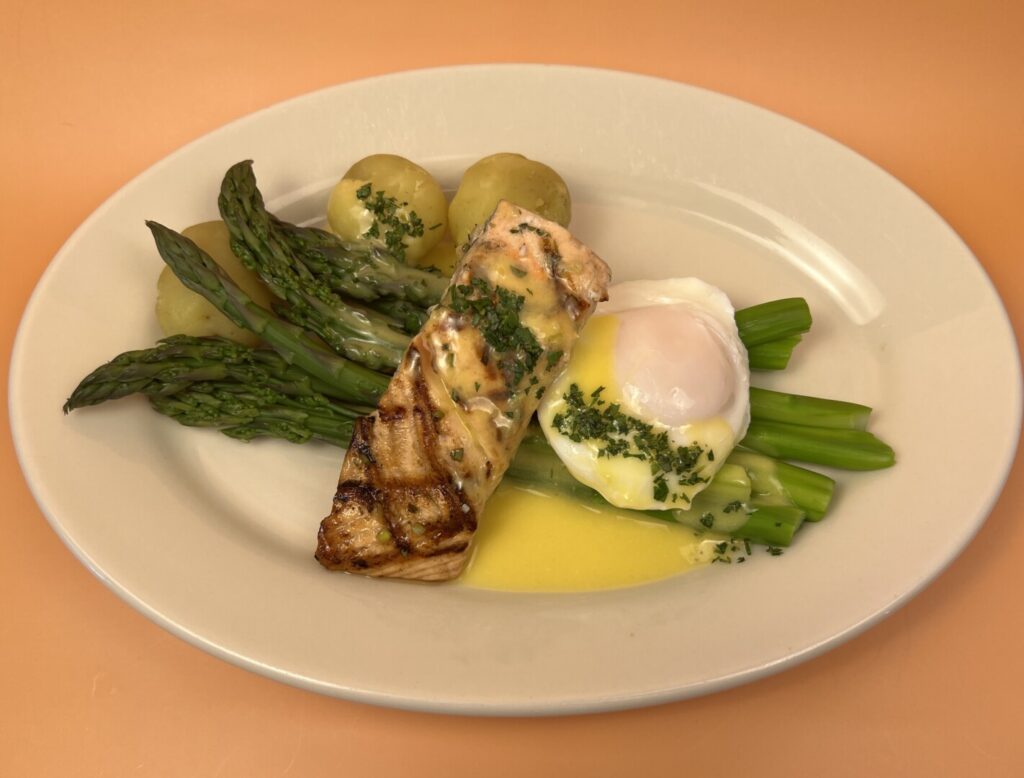
Salmon is a signature dish of springtime. That’s when these sleek, strong swimmers leave deep ocean waters and migrate through rivers upstream to spawn. At the same time, the season’s first asparagus spears are shooting up from the ground—a perfect pairing for salmon. In this recipe moist char-grilled salmon fillets team with thick, meaty asparagus spears. The traditional accompaniment for both is a classic French Hollandaise; but this recipe “deconstructs,” or takes apart the traditional sauce to ensure ease and simplicity. Add tiny new potatoes for a fresh and colorful springtime dinner. The soft fruitiness of a pinot grigio from Josh Cellars marries well with both asparagus and egg.
Grilled Chicken with Risi e Bisi and Rainbow Carrots
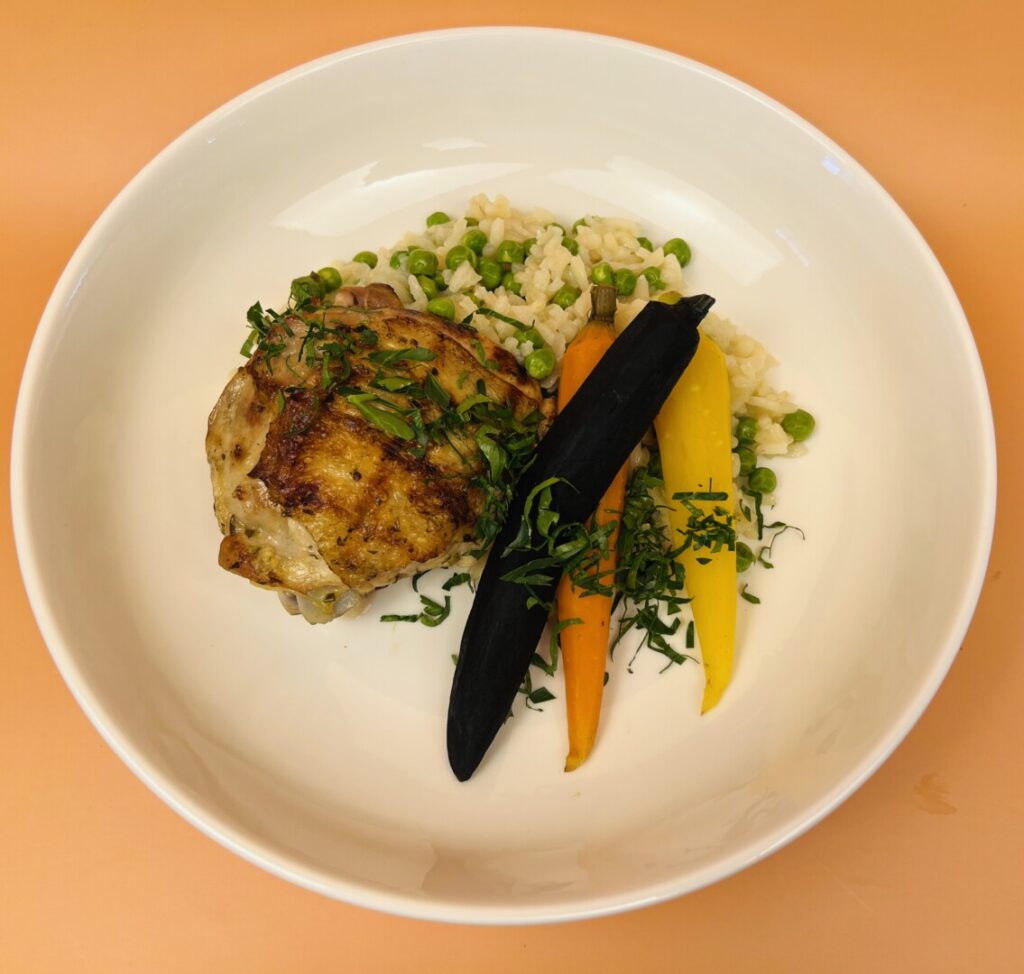
Late spring’s dependable warm weather means it’s time to uncover the grill and welcome in the outdoor cooking season. This dish combines garlic- and lemon-marinated grilled chicken with the classic northern Italian fresh peas risotto, risi e bisi, to make a hybrid cuisine one-course meal. While making this recipe, you’ll learn some important pro cooking skills. You’ll master making moist and juicy chicken thighs with crisp skin and attractive cross-hatch grill marks. You’ll learn to make a classic arborio-rice risotto using a prep-ahead chef hack that results in a dish with both rice and peas at perfect doneness with minimal work at dinnertime. And you’ll accent your plate with colorful orange, yellow, and purple carrots for a stunning presentation. Accompany the rich mouthfeel of the risotto and the lightly-charred umami flavor of the chicken with a creamy oaked Chardonnay, such as Kendall Jackson Vintner’s Reserve.
Crab-Stuffed Salmon Roulades on Herbed Croutons with Peas and Pearl Onions
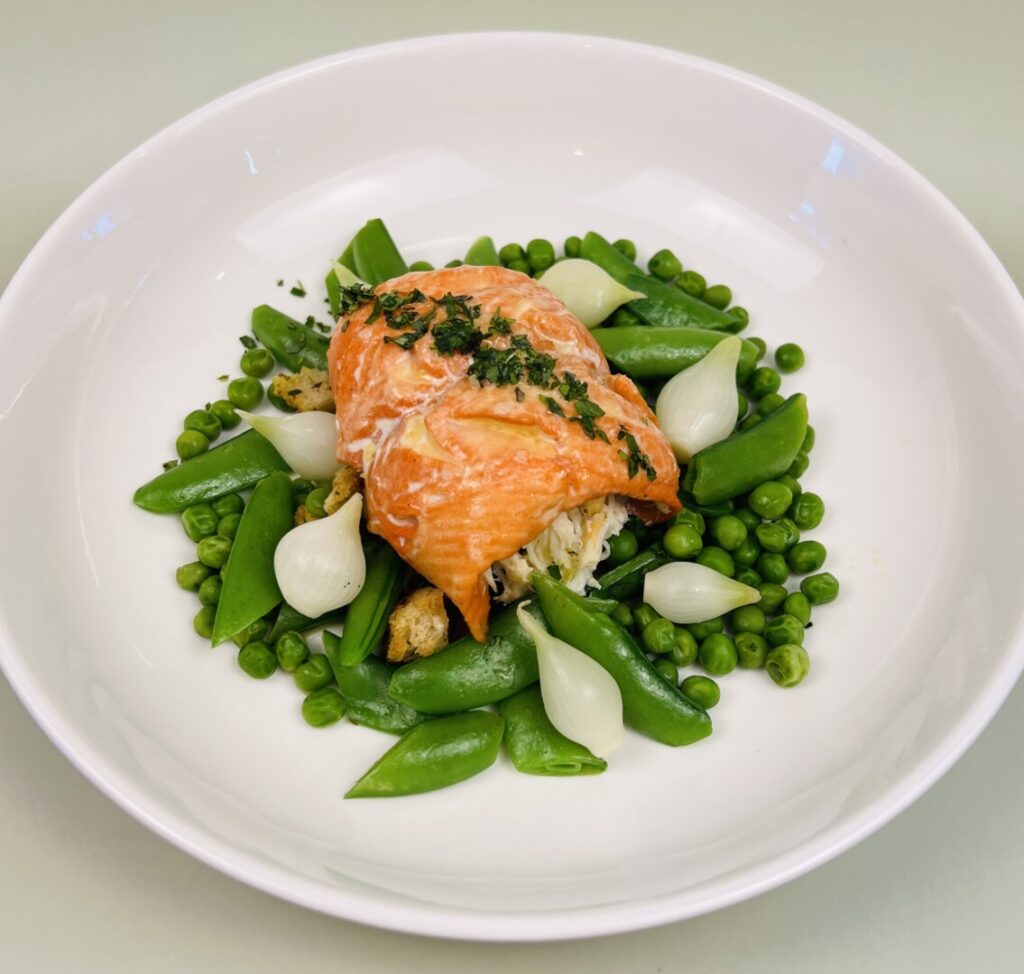
This recipe rolls slender fillets of bright-pink coho salmon around a filling of savory crabmeat for a delicious and sophisticated springtime dinner. Our plump seafood roulades bake atop crisp yet moist herbed croutons that soak up the seafood’s luscious juices. The seafood is surrounded by a medley of sweet, pop-in-your mouth English peas; crisp-tender sugar snap peas; and luscious pearl onions. All are enhanced by a rich, tangy, lemon-butter emulsion sauce that complements the ingredients’ natural sweetness. Pair this dish with a buttery, lightly-oaked Chardonnay from Bogle Vineyards.
Pan-Roasted Pork Tenderloin with Rhubarb Gastrique, Woodland Mushroom Fregola, and Crisp Snap Peas
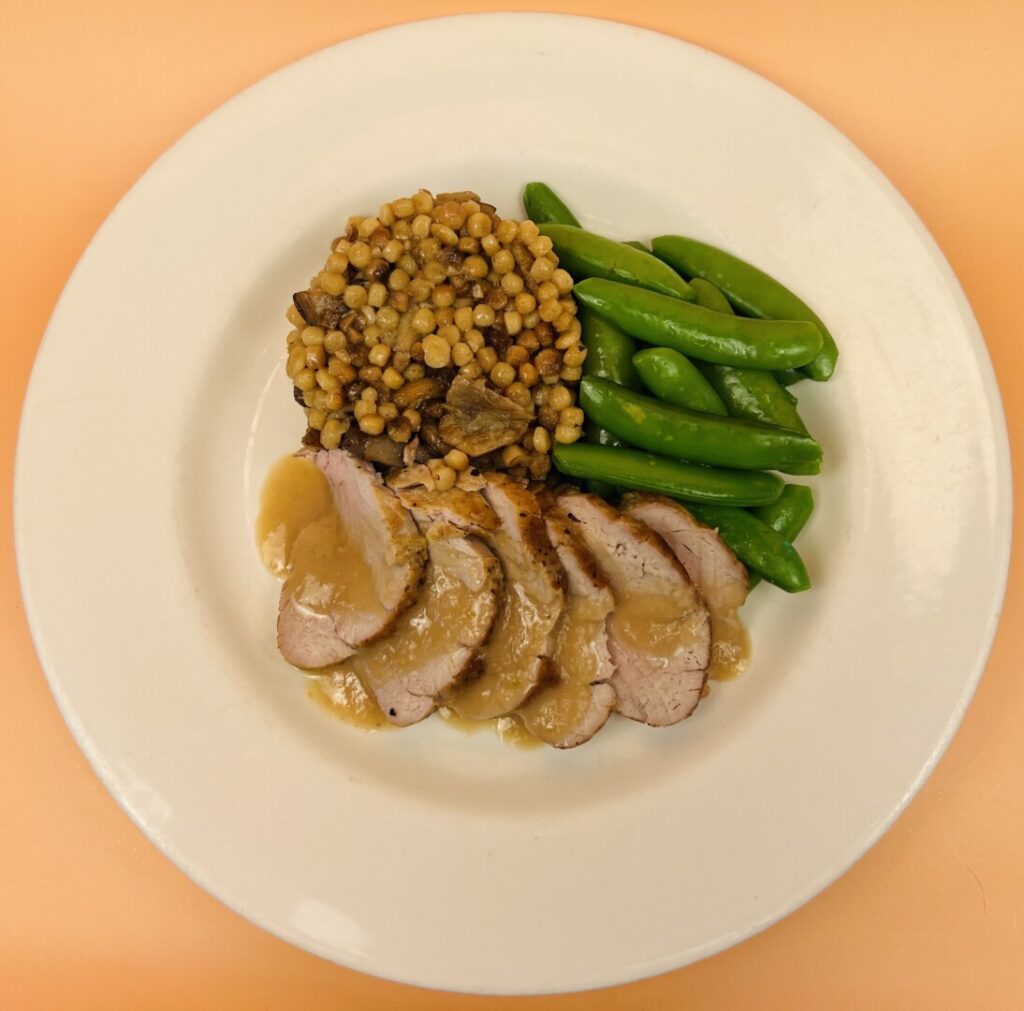
Rhubarb’s not only for pie! Its tart, tangy flavor is terrific in a thin, savory, sweet-sour sauce called a gastrique, typically paired with rich meats such as pork tenderloin. Morels are the wild mushroom of springtime; if you know a mushroom hunter or have a small fortune to spend, morels are the seasonal choice for this dish. But any farm-raised “wild” mushroom type is fine to flavor fregola, tiny toasted spheres of semolina pasta. Sweet, crunchy snap peas complete the plate. Our sweet-tart gastrique requires a wine with good acidity but forward fruit. Try a Zinfandel from 7 Deadly vineyards and winery.