

Your Cooking Lesson
Advice, explanation, and in-depth information to help you achieve recipe success.
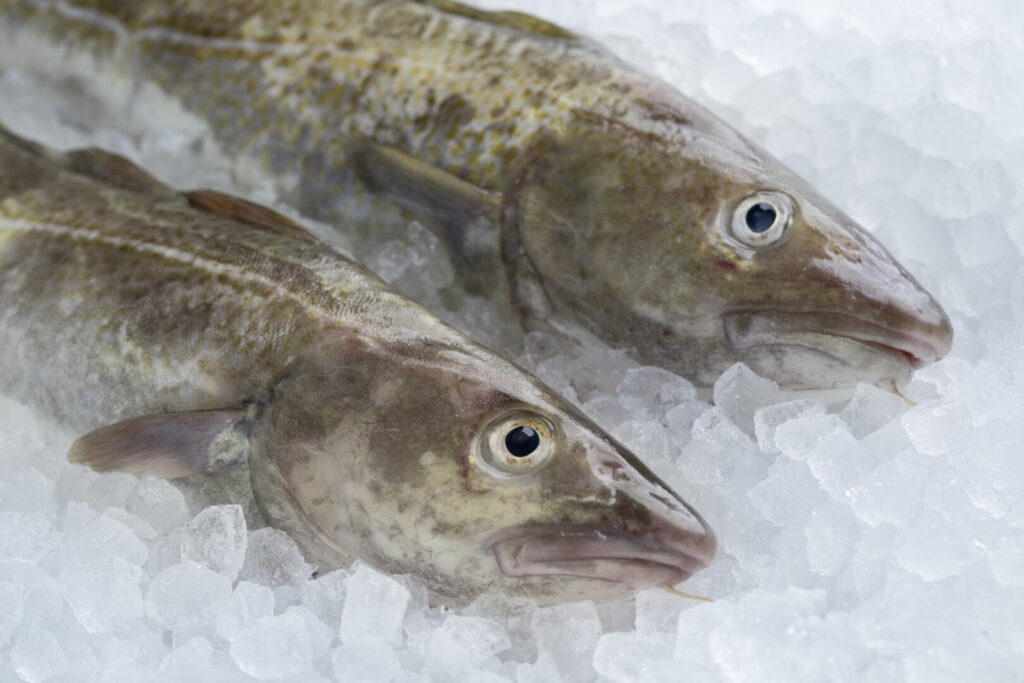
Late winter is peak season for North Atlantic cod. This regal fish once was plentiful both in North American and northern European waters; however, due to habitat degradation and extensive fishing, North American cod now has an “over-harvested” rating. To support sustainable fishery, purchase fresh codfish from European sources.
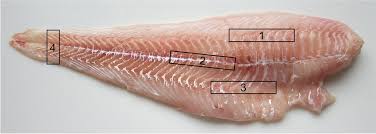
Fresh cod usually is sold boneless and pre-skinned. Cod loin (1), the portion above the midline (2), is the thickest, meatiest part of the side. Loin portions nearest the head (on the right) are preferred by chefs because their uniform thickness results in even cooking. Portions cut from the belly (3) or near the tail (4) are called cod fillets. They’re just as tasty as loin, but are thinner and often of uneven thickness. If you’ve purchased fillets, fold the thin ends underneath the thick ends (shiny-side-in) to create portions of even thickness.

Cod has a loose muscle structure and contains a lot of moisture. So, cod demands a high-heat, dry cooking method to firm its texture. High heat causes the muscle fibers to quickly contract, forming large flakes without overcooking. As this happens, excess moisture is forced out of the flesh in the form of tasty juices. When cod is roasted on a bed of potatoes or other vegetables, the juices moisten and flavor them, creating a delicious synergy.
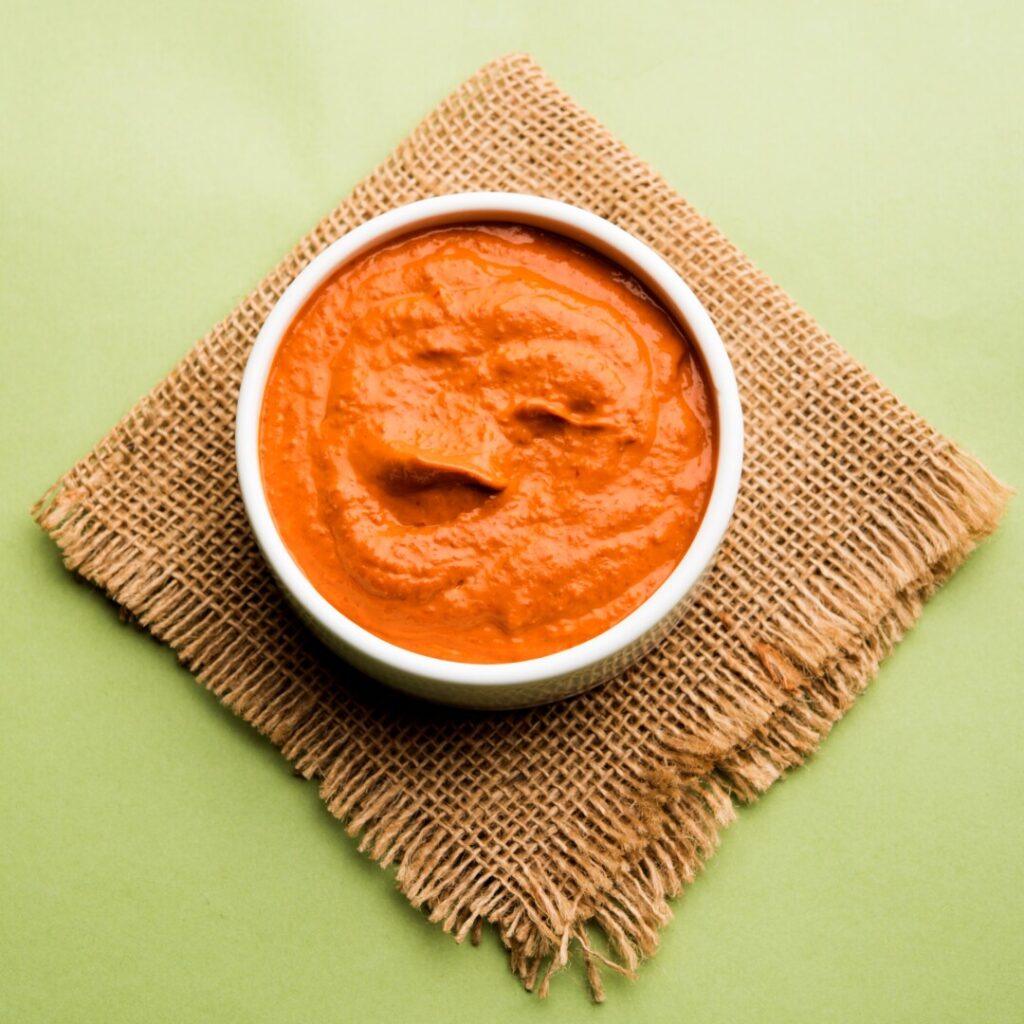
Romesco is a traditional cold sauce originating in Catalonia, Spain. A form of pesto, it’s made from roasted red peppers, roasted tomatoes, garlic, toasted nuts, and olive oil; but throughout the region almost every cook has a personal interpretation. Romesco is authentically made with a mortar and pestle, but a blender, such as the Oster knob button metal base blender https://amzn.to/4cNhucU, saves time and results in a more homogenous purée.
Culinary lore tells us that Romesco was first made by Catalan fishermen to enhance their catch, and it remains a favorite accompaniment to fish and crustaceans. However, this bright and lively sauce is great with a wide variety of foods—grilled meats and poultry, potatoes, as a dip for crackers or crudités, and even as a sandwich spread. Our recipe makes a good amount, so you’ll probably have leftovers to enjoy.
Making Romesco sauce starts with flame-roasting red bell peppers and tomatoes. If it’s warm enough to cook outdoors, you can do this on a gas grill. However, it’s easily accomplished on a rack set over a gas flame. Alternatively, you can roast them under a broiler. Roasting makes it easy to remove the vegetables’ fibrous skins, but it also lends a rustic, smoky flavor to the sauce. The tomatoes will have achieved a soft, roasted texture by the time their skins blacken. But the peppers need to further soften. Transfer them to an aluminum foil pouch and allow them to steam in their own heat until they reach room temperature.
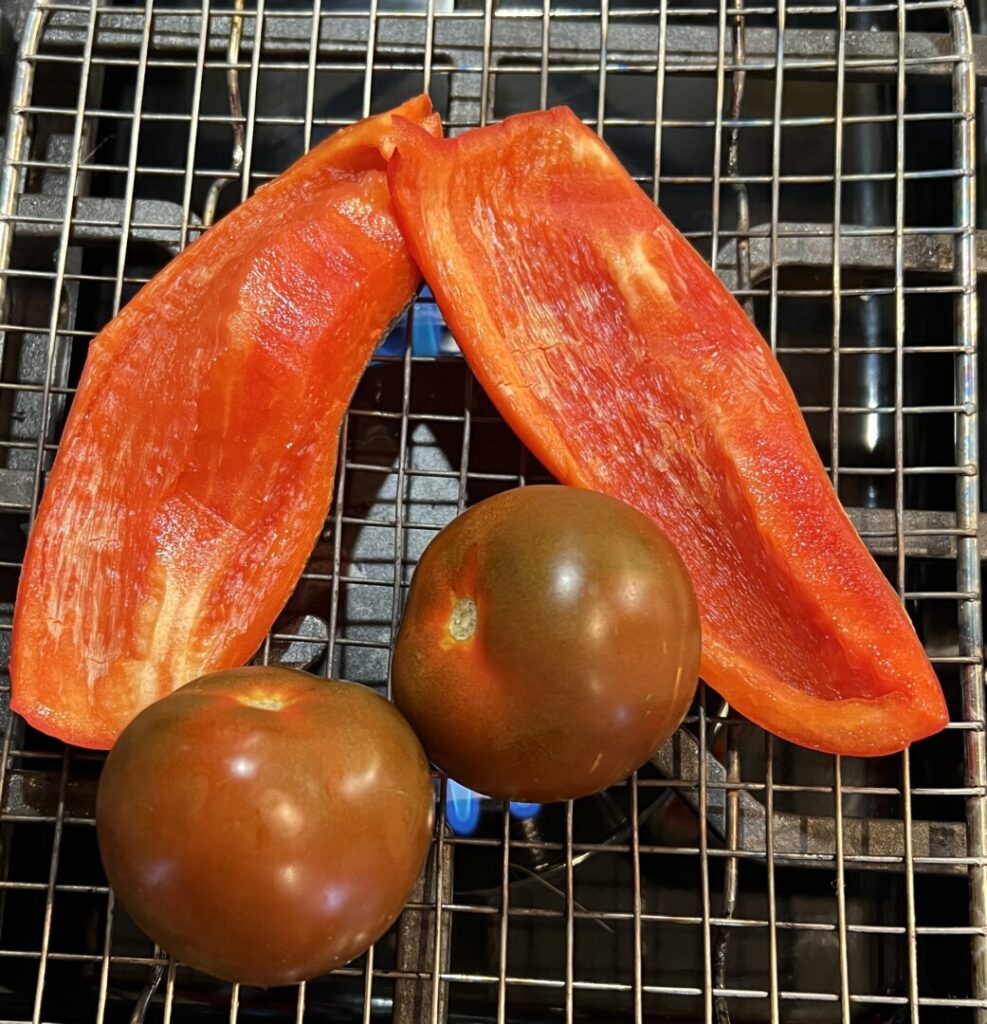
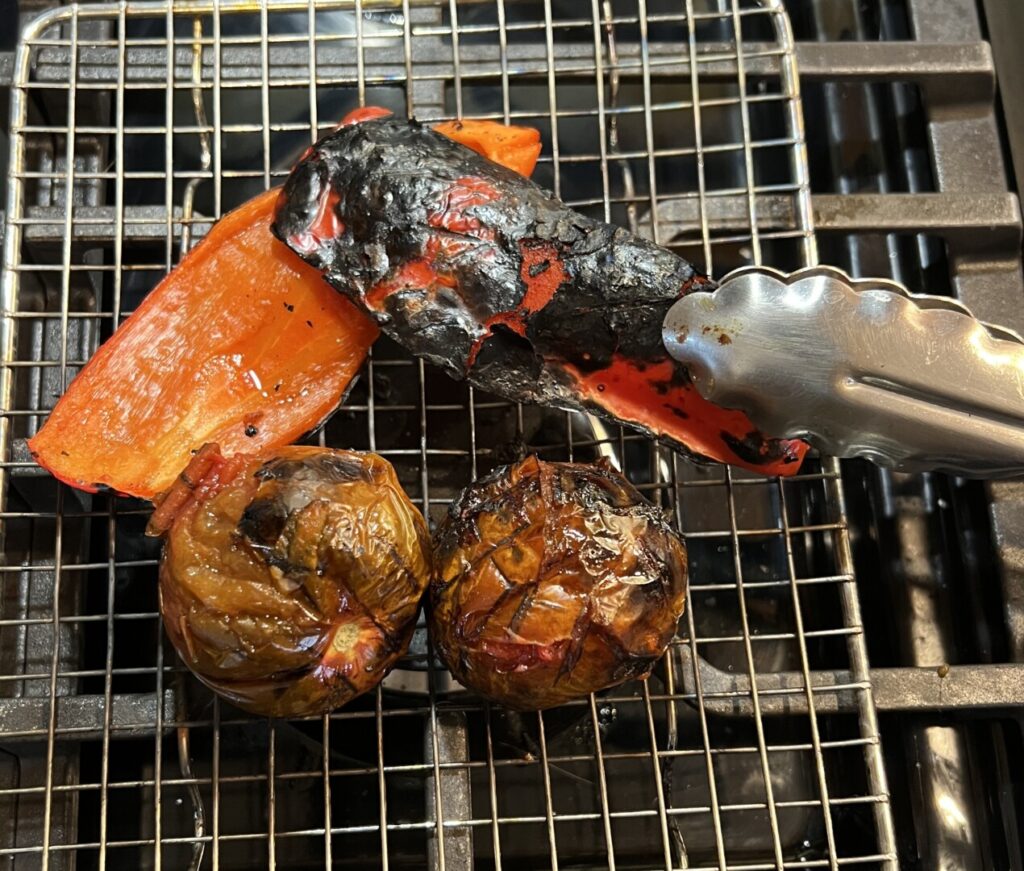
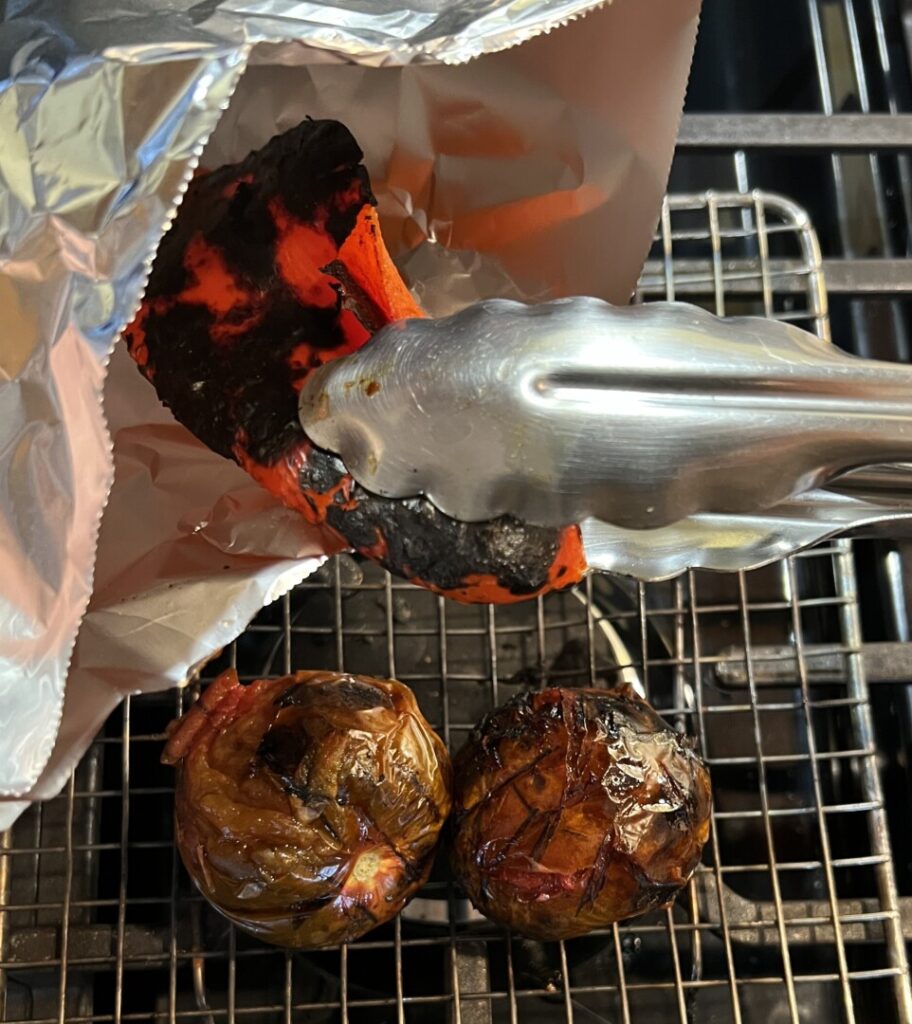
Remove the core from the tomatoes, scrape off most of the blackened skin, and then chop the flesh. If a few charred bits of skin cling to the tomato, that’s OK—it adds to the rustic flavor.
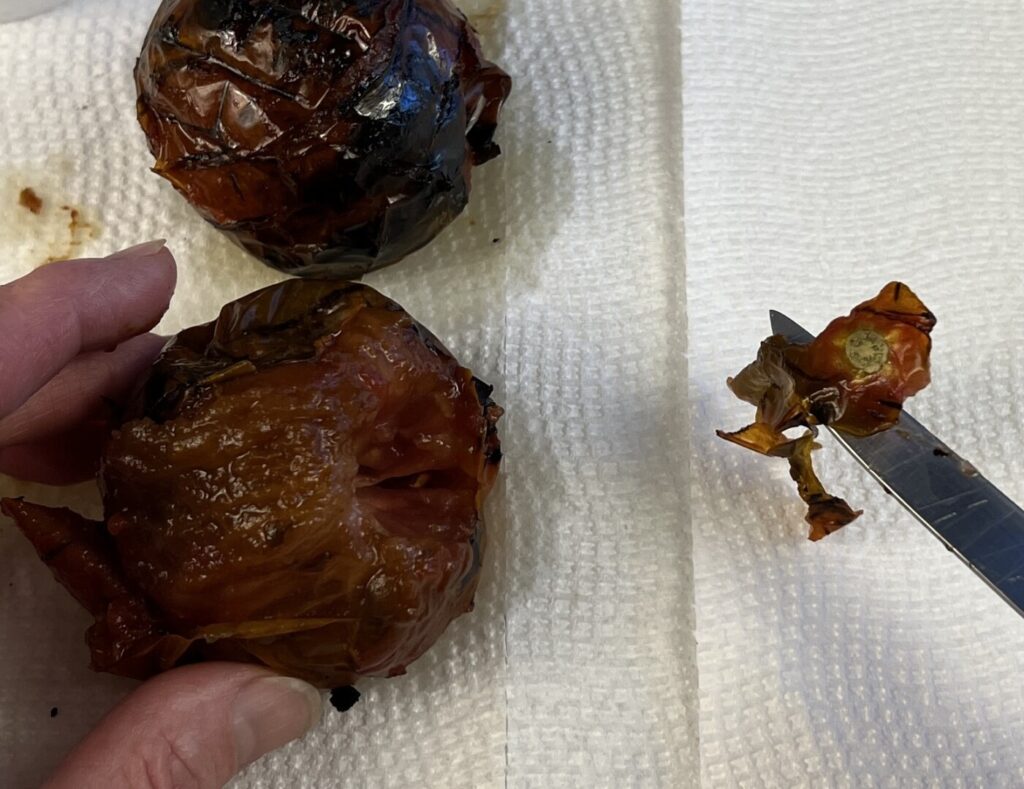
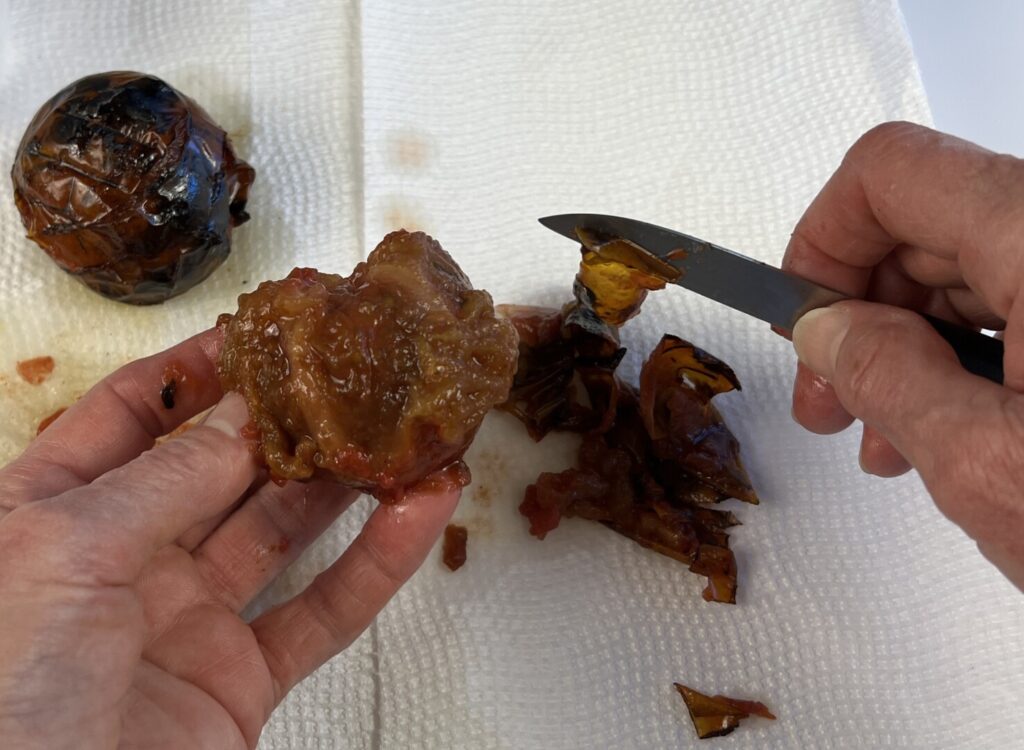
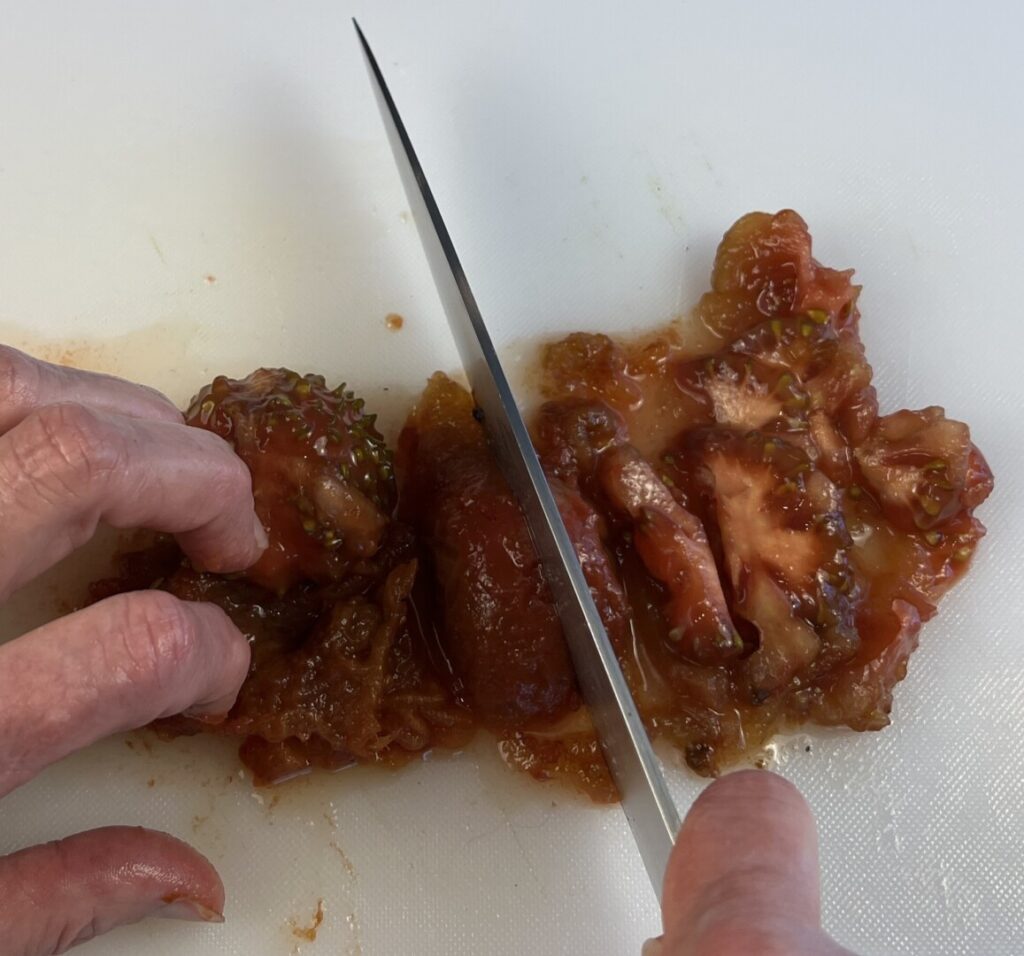
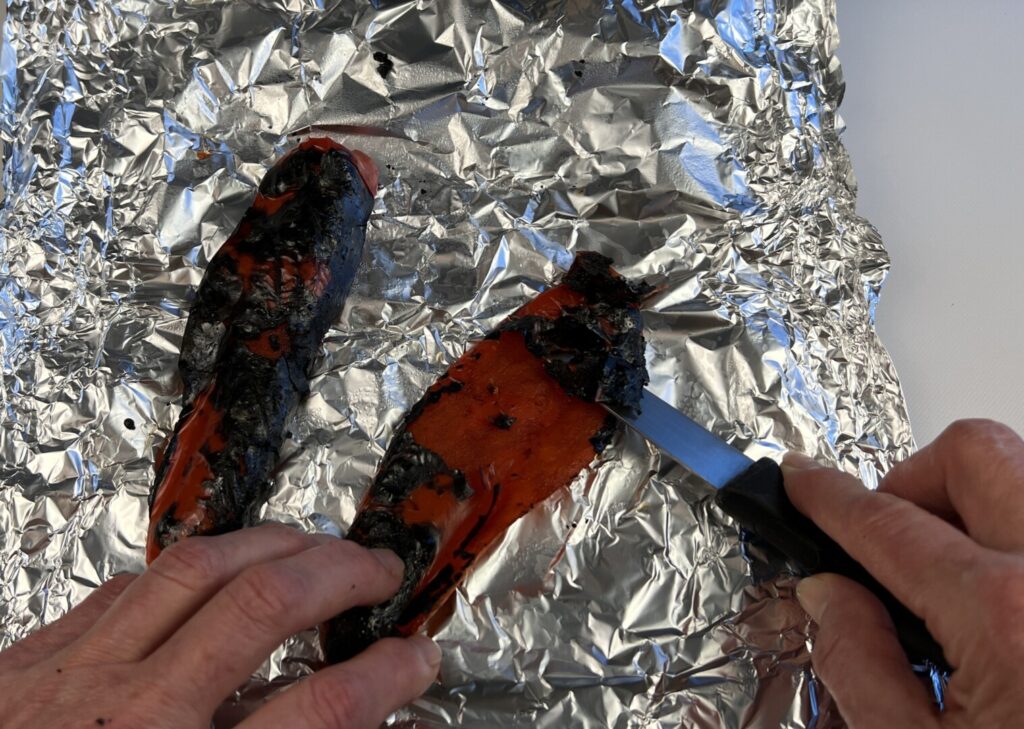
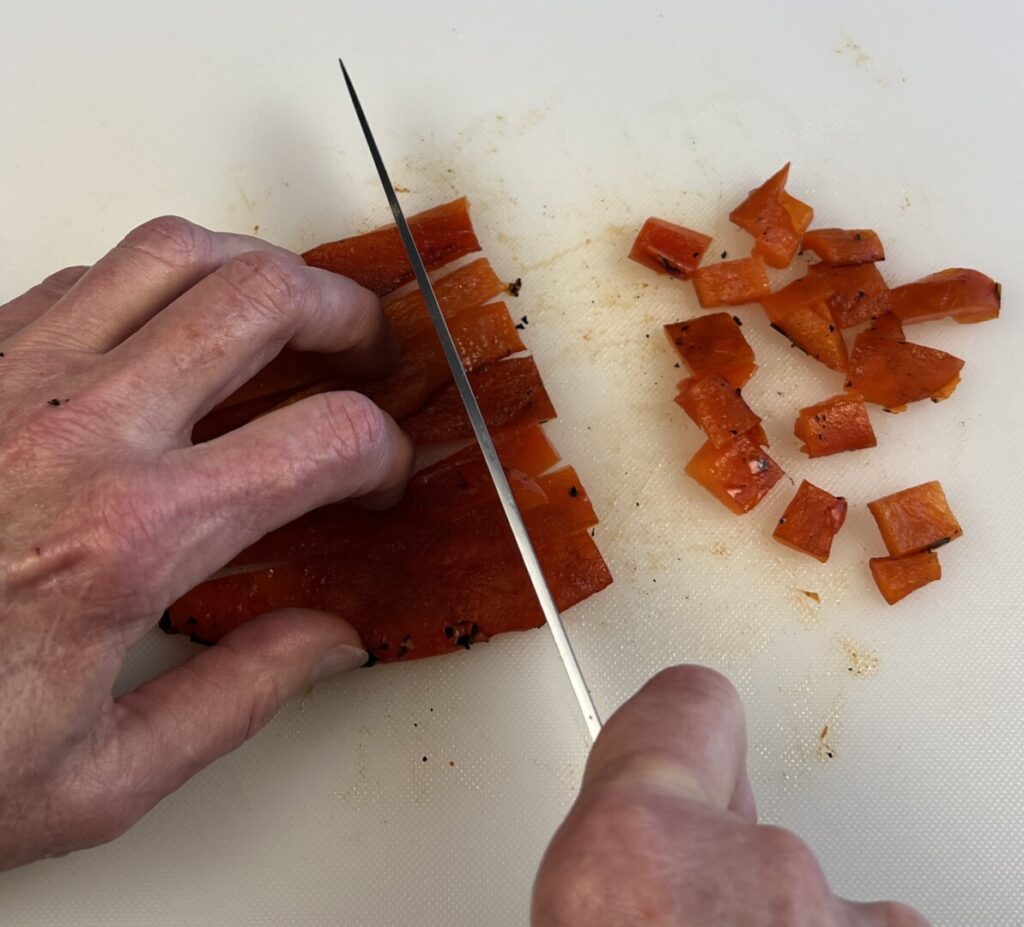
When the peppers are cool enough to handle, scrape off their blackened skin, and then rough-dice them.
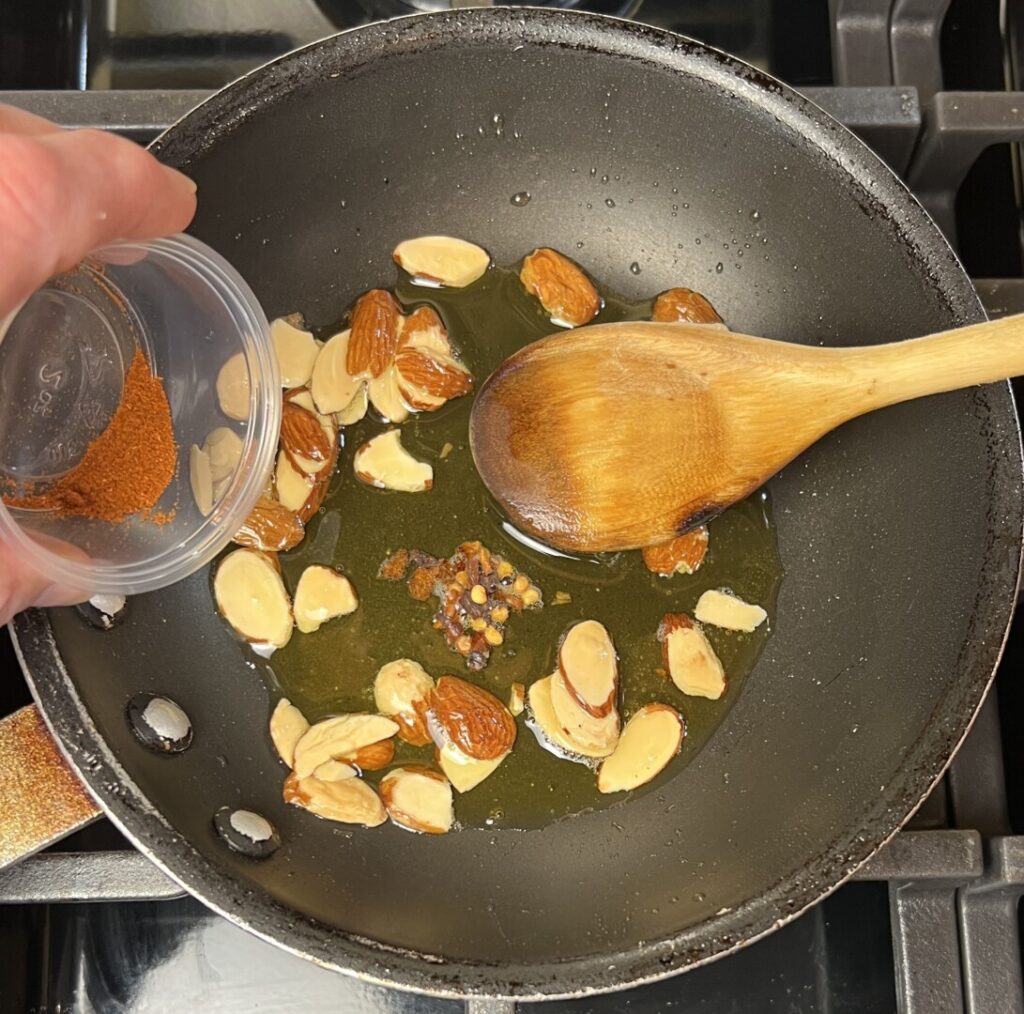
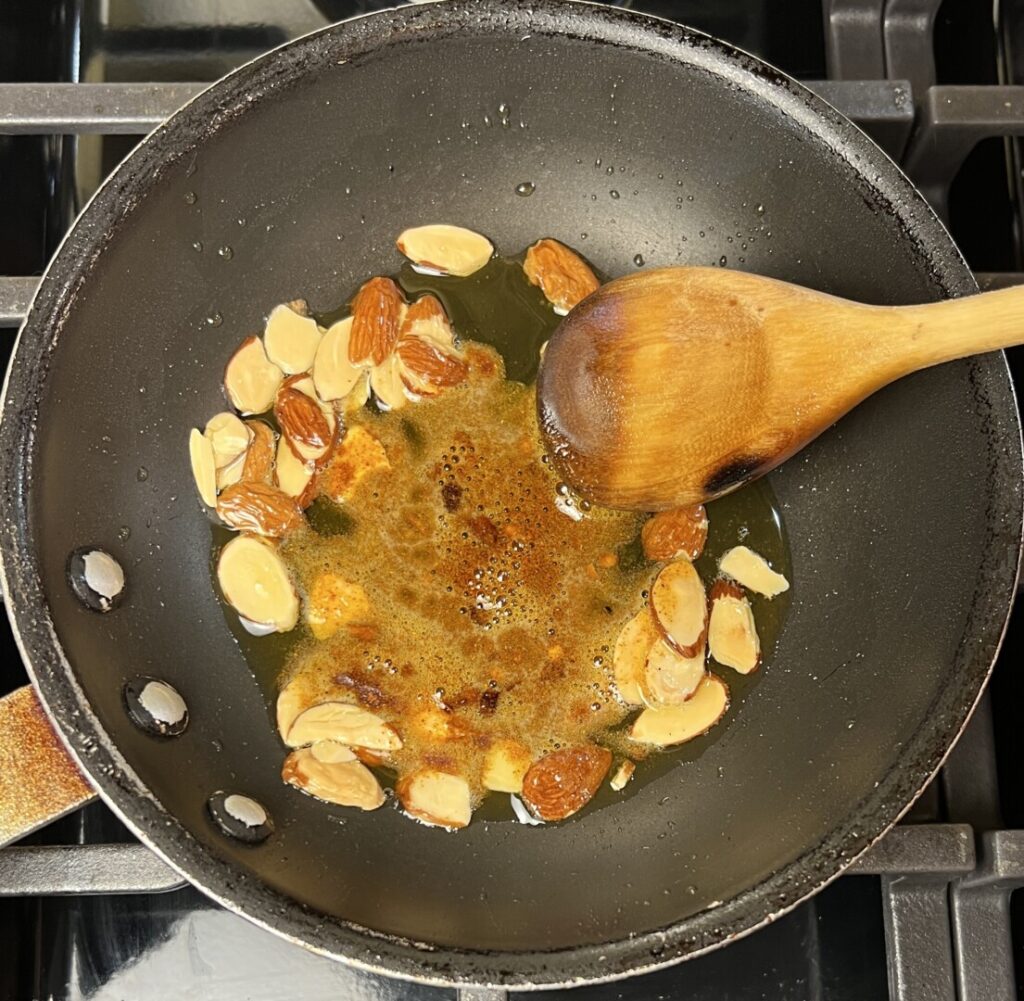
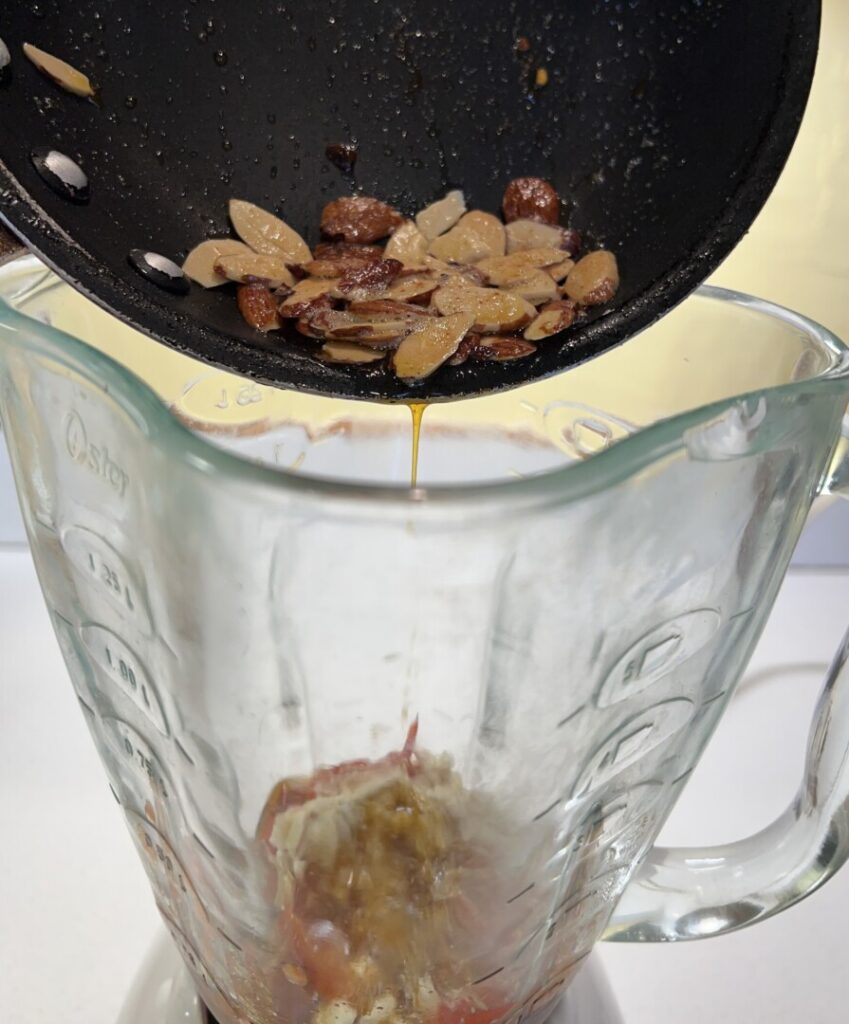
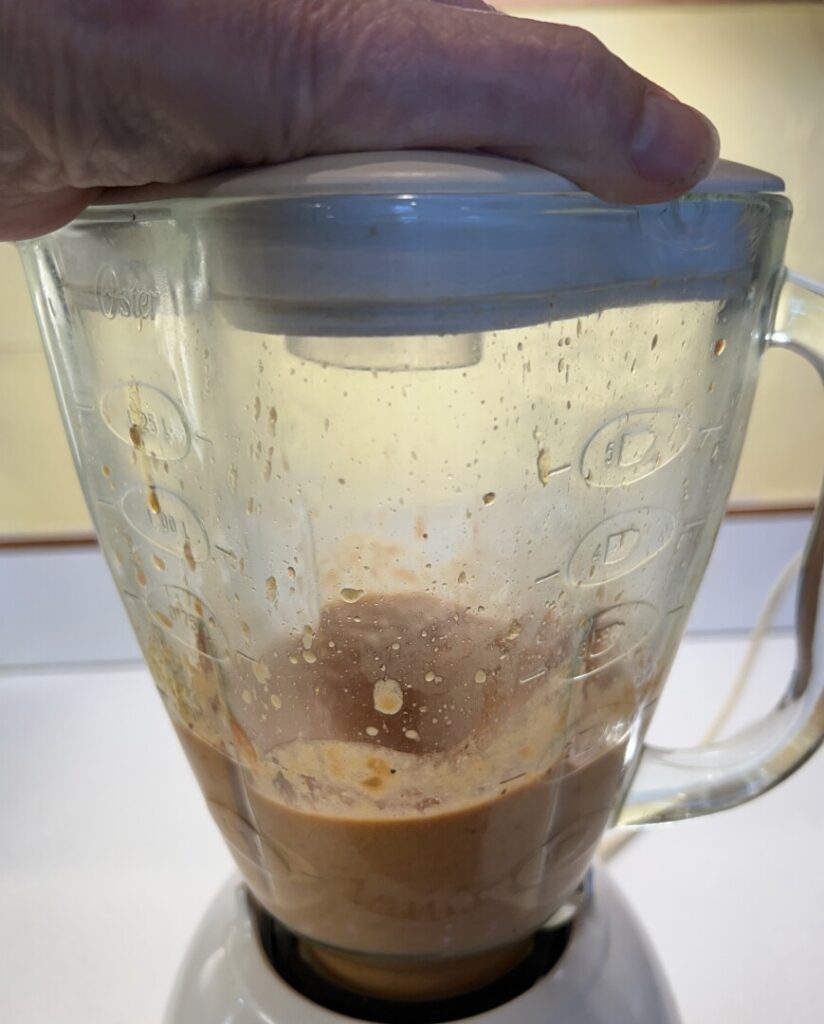
Oil-toasted almonds add body, flavor, and rich mouthfeel to Romesco sauce. But they’re a little tricky to get right! Have the tomato, pepper, garlic, and breadcrumbs already in the blender before you start toasting the almonds, because once the almonds brown they must go into the blender immediately. Sauté the almonds on low heat and watch carefully. When they’re golden, add the dried peppers and paprika; they’ll sizzle and become fragrant. Then quickly scrape the contents of the pan into the blender before it has a chance to over-brown. Purée on low speed to prevent the sauce from becoming too frothy. Finally, check the salt and balance the flavor with some sherry wine vinegar.
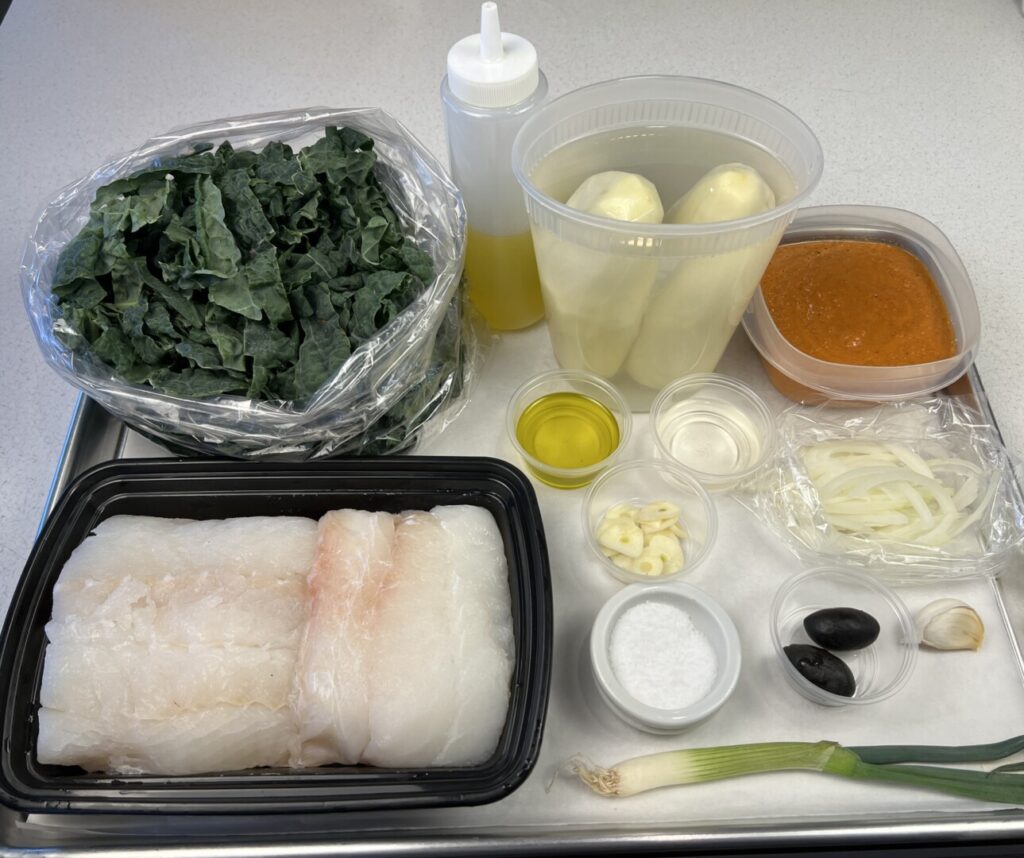
Complete the remaining prep steps and your mise-en-place is ready. Here’s your mise tray:
It’s dinnertime—let’s COOK!
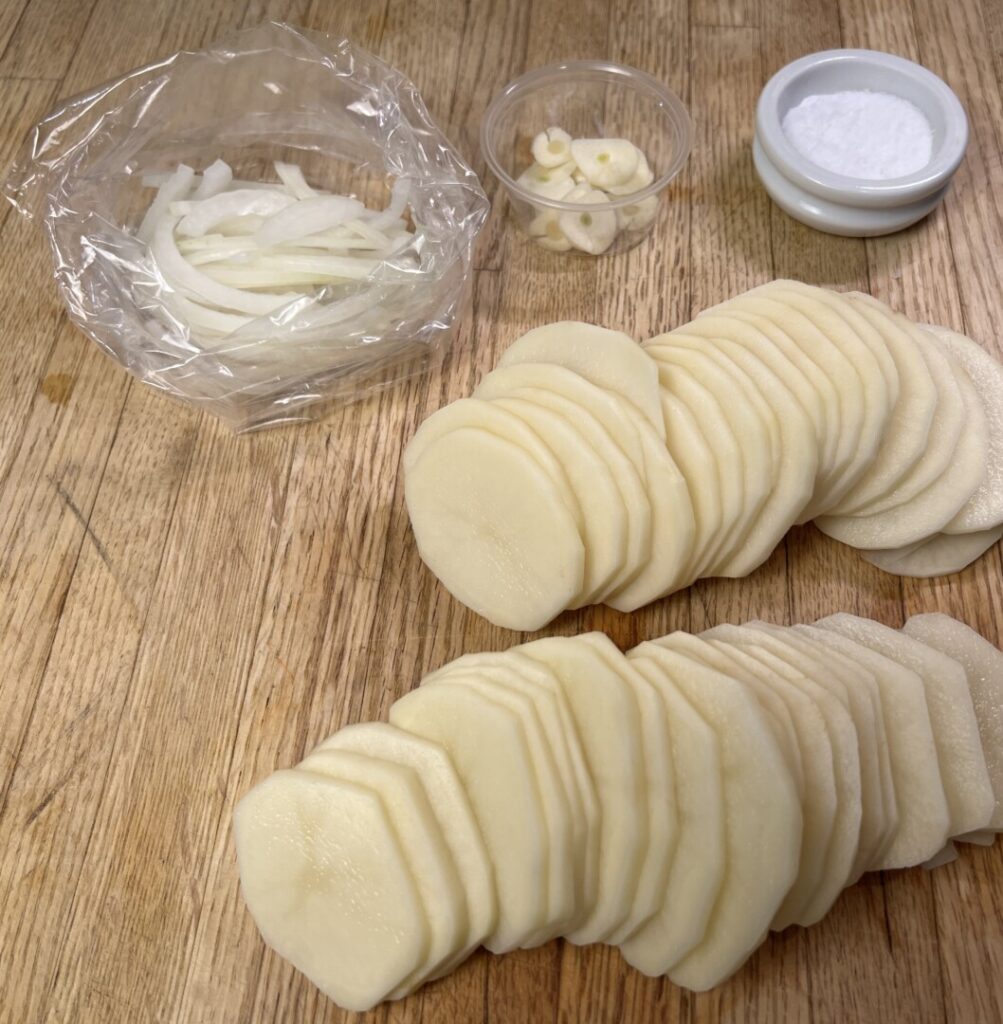
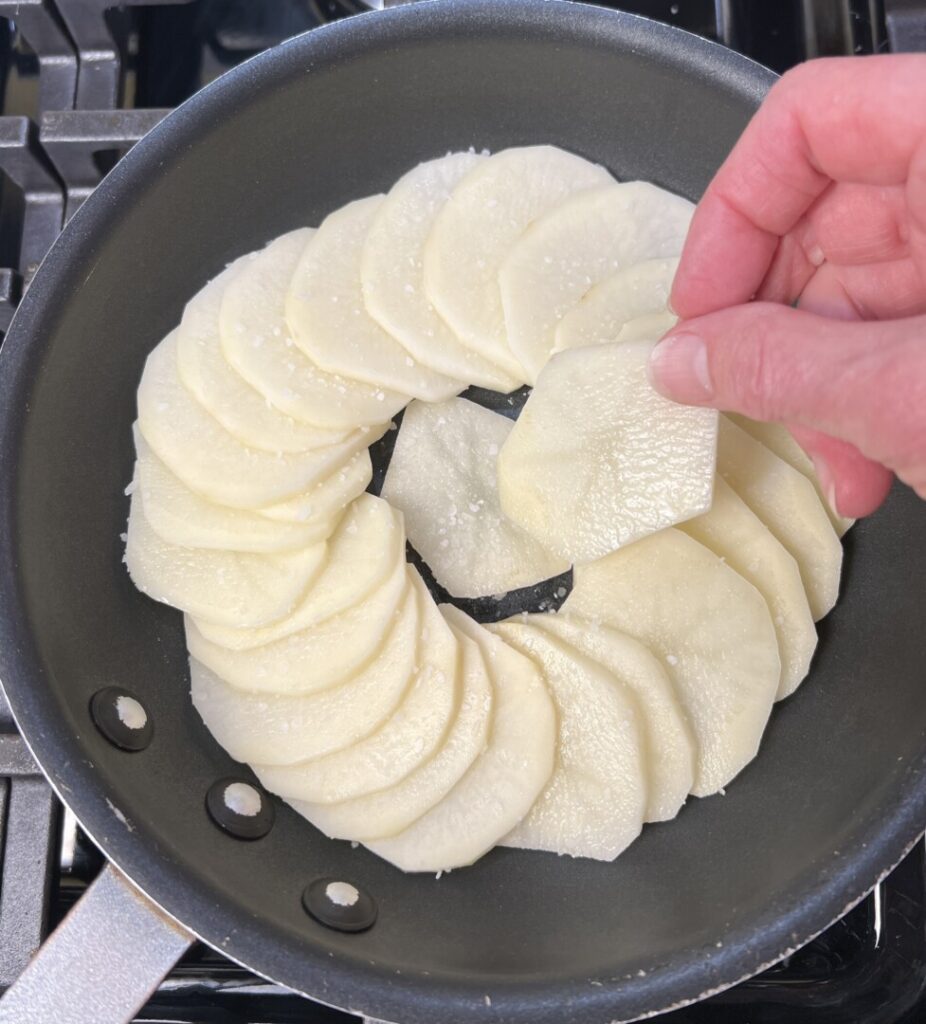
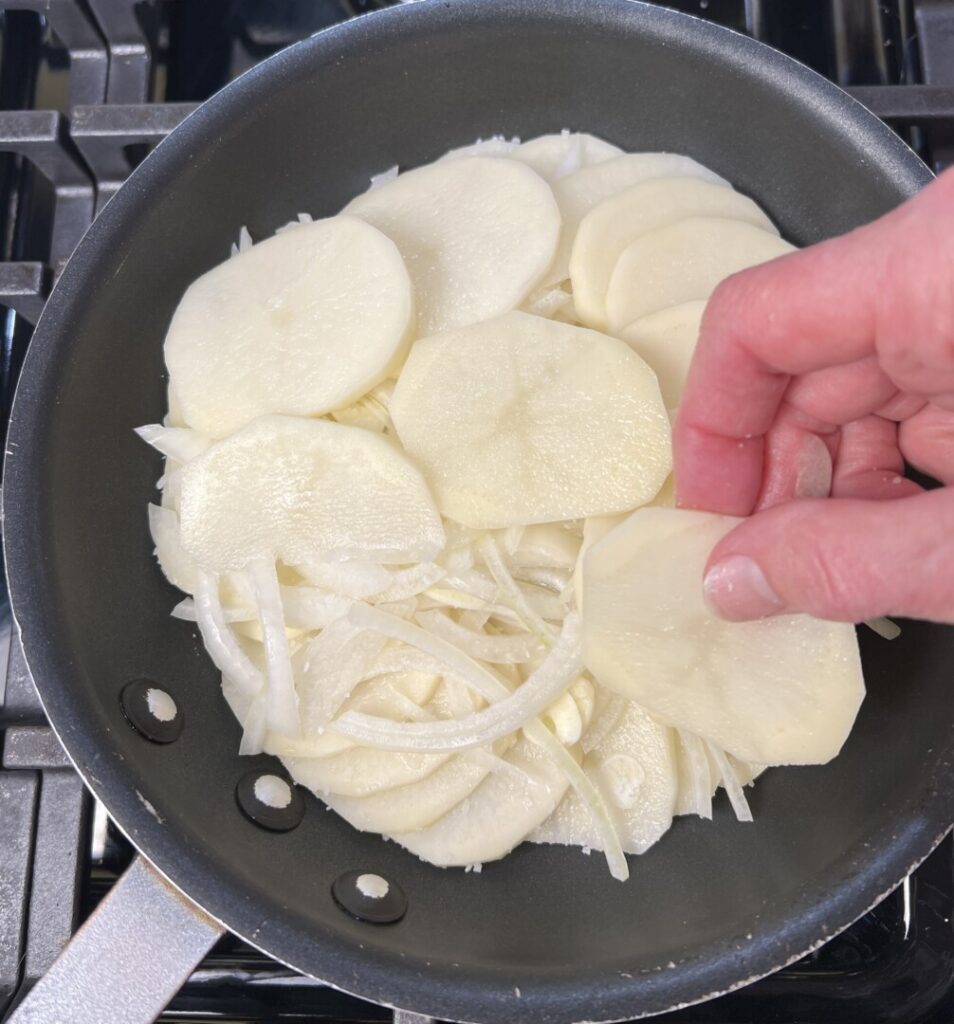
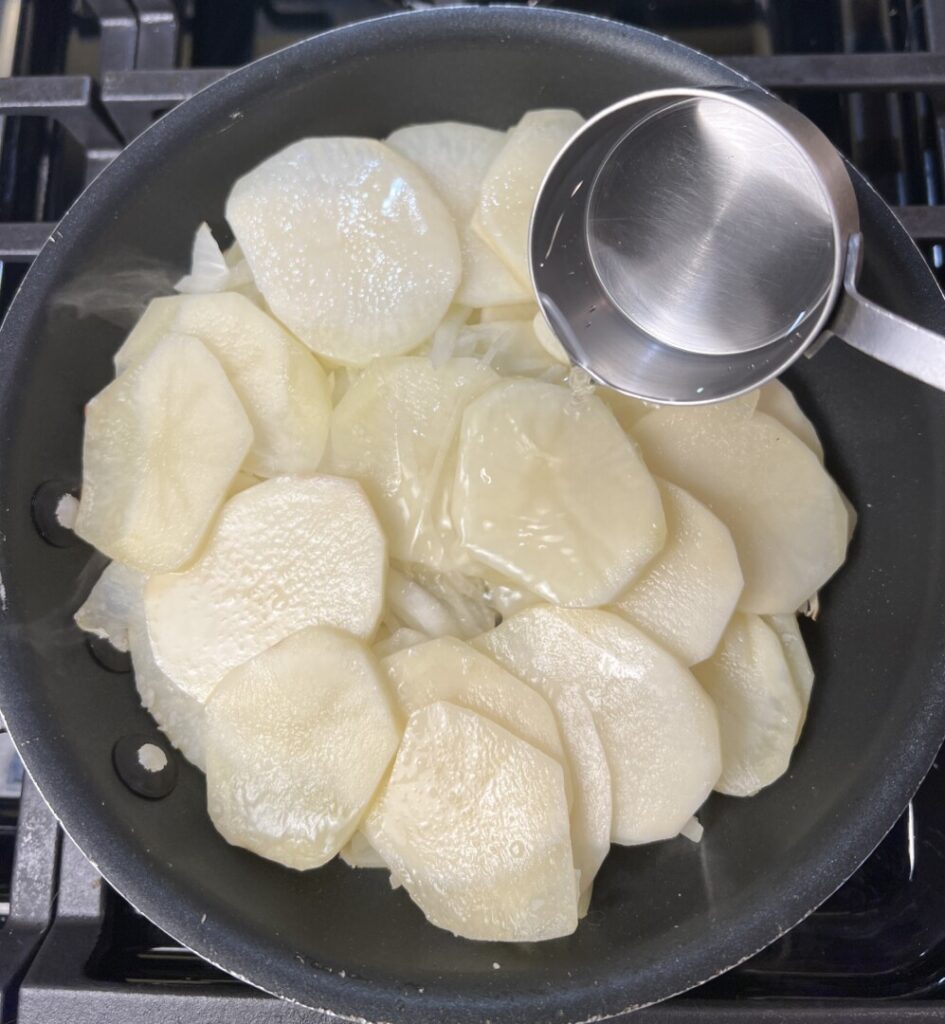
Patatas panaderas translates from the Spanish as “bread-baker’s potatoes.” In the days before gas and electric cooking, Spanish housewives often took casseroles of food to a nearby bakery to cook in the bread oven once the loaves were finished baking. In this interpretation of the classic, I’ve added the extra touch of first browning the bottom of the potatoes for extra flavor. Russet potatoes have the right texture and starch content for this recipe. Don’t be tempted to slice them ahead of time and store them in water; if you do, you’ll soak out the starch that holds the layers together. After arranging the first layer, season with salt, scatter on the onion and garlic, and then add the top layer of potatoes. Adding a little water helps the potatoes soften while baking. Because acidic ingredients tend to inhibit the breakdown of starches, you’ll add the white wine when the potatoes are just about tender.
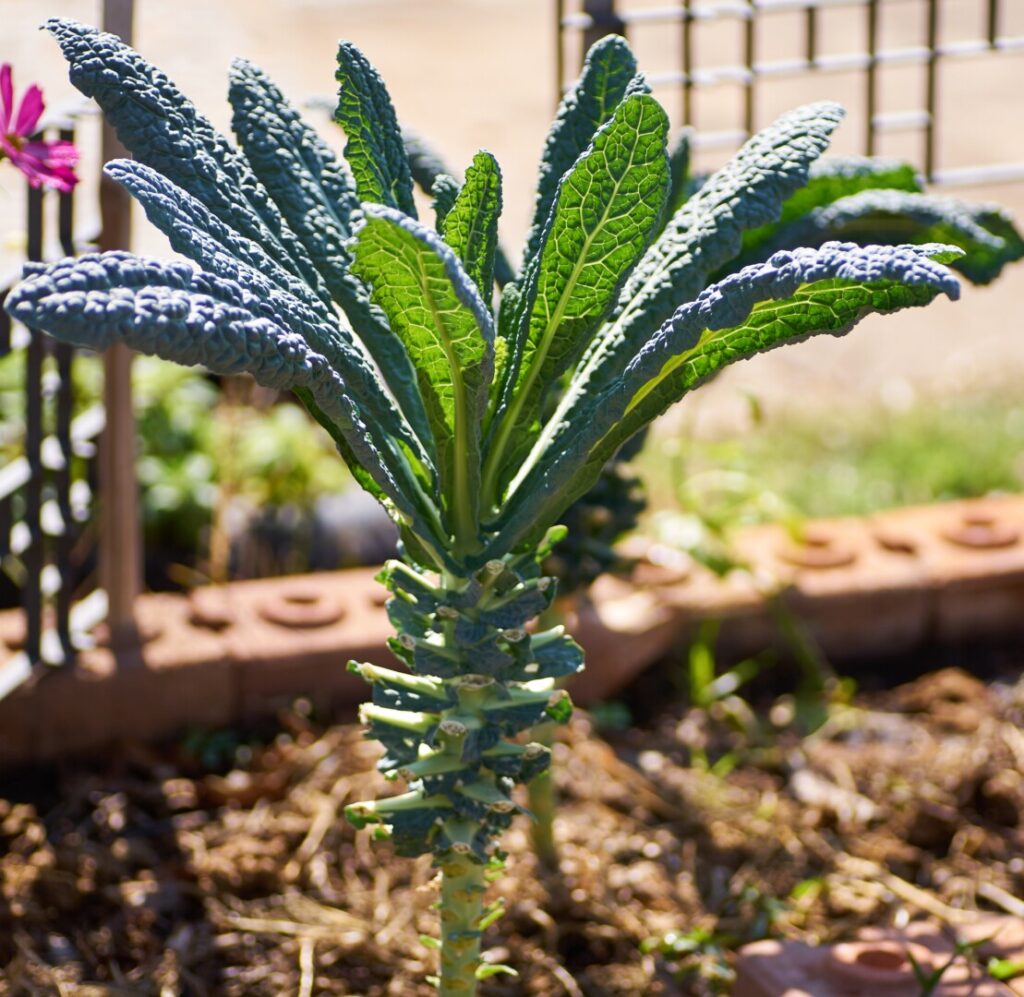
Tuscan kale, also known as lacinato kale, has many other nicknames—including “dinosaur” kale due to the embossed texture of its leaves, and “palm tree” kale due to the plant’s appearance when mature.
Although you can use standard kale for this dish, it’s worth searching out Tuscan kale for its more tender texture and complex flavor. It cooks more quickly than standard kale and it has a subtle sweetness that balances the inherent bitterness of brassicas.
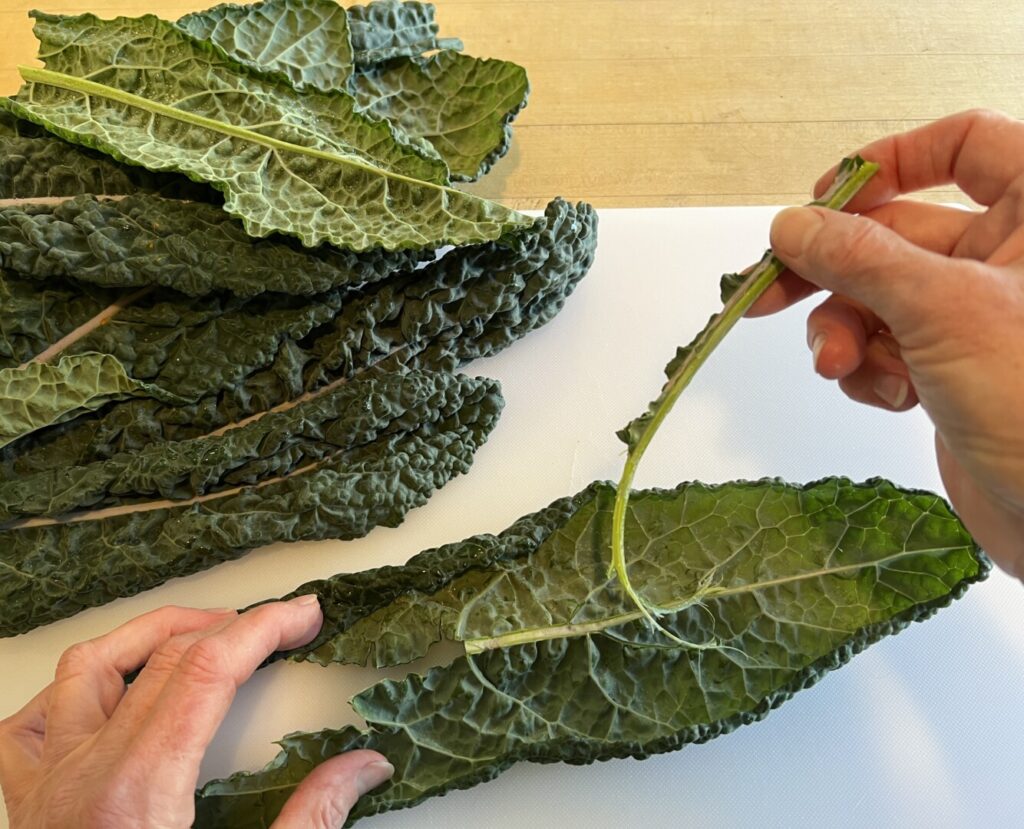
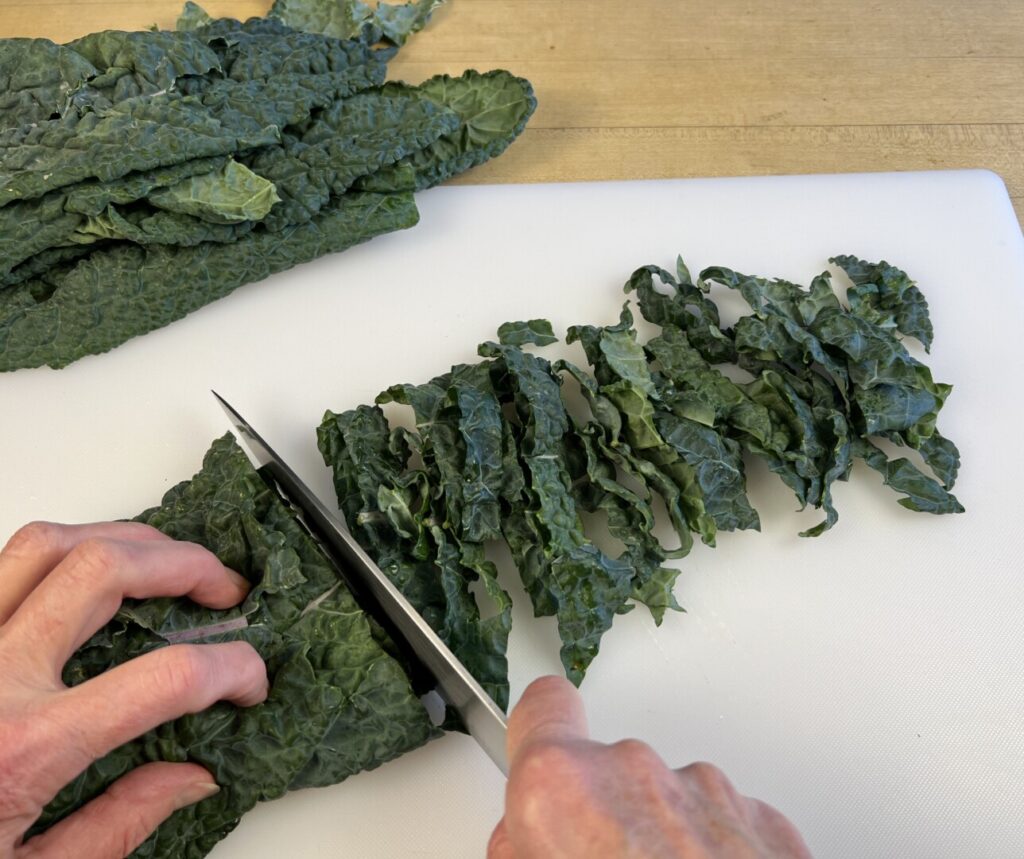
The stems and thick veins of any type kale can be tough and fibrous. To remove the vein from a kale leaf, place the leaf upside-down on the work surface and pull up on the end of the vein until it strips away. Then stack the leaves and cut crosswise into ribbons.
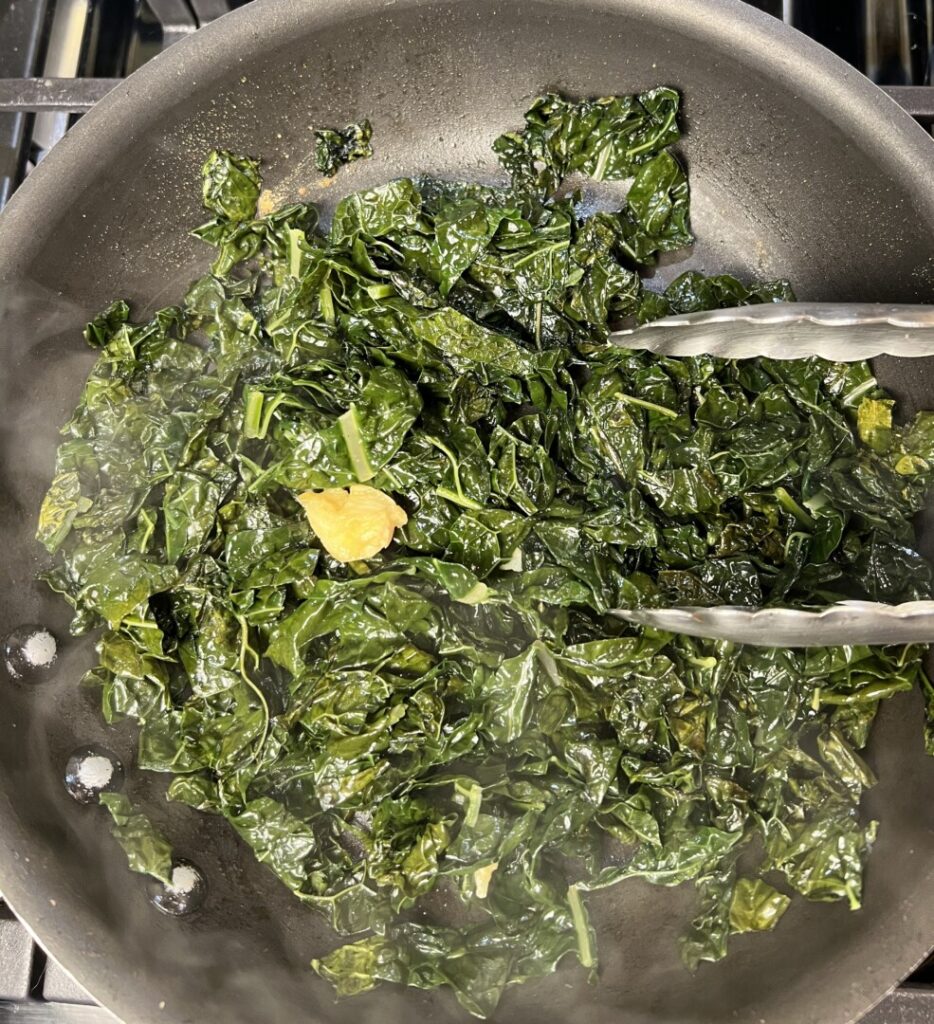
Braising is a great way to cook kale. The initial sauté in olive oil wilts it, drawing out and evaporating away some of its moisture, thus concentrating its flavor. Then, pan-steaming with a little water cooks the leaves to supple tenderness. Cooking time varies depending on the freshness and maturity of the kale and your texture preference. But it shouldn’t be crunchy! The crushed garlic clove flavors the oil and, with long enough steaming, melts into the braising liquid.
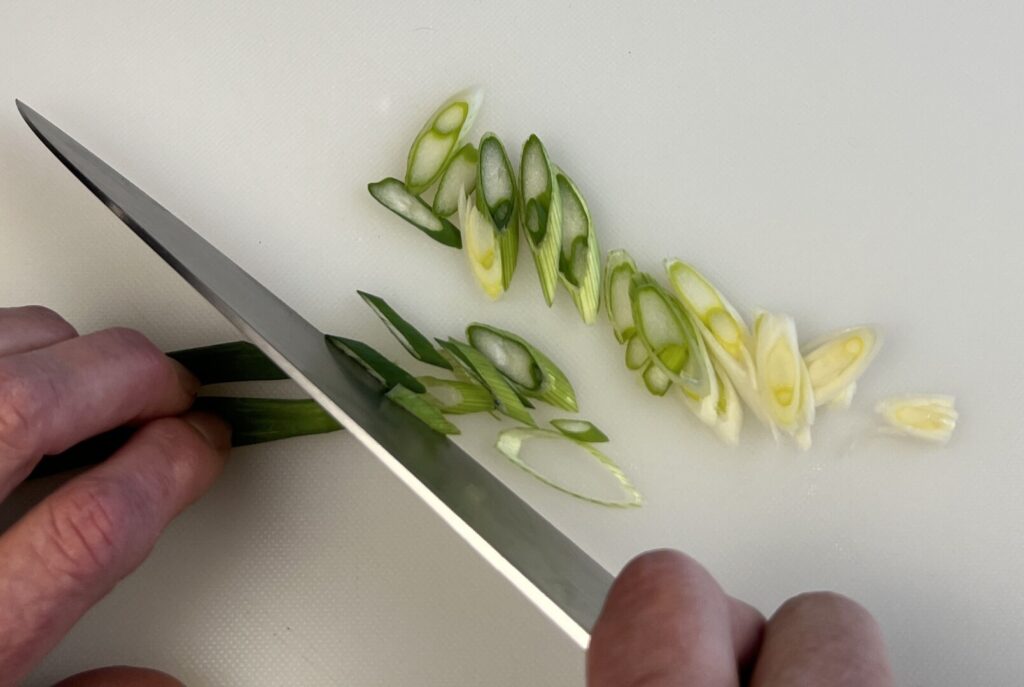
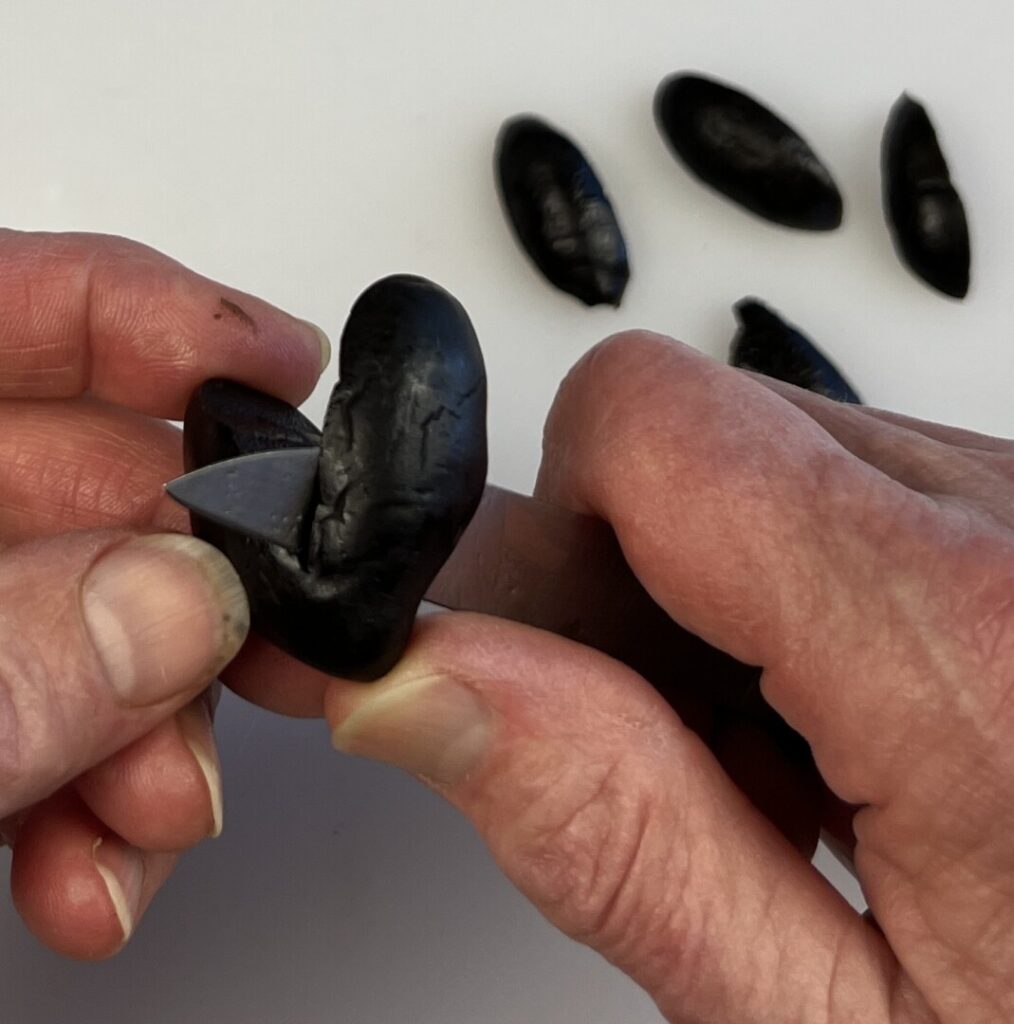
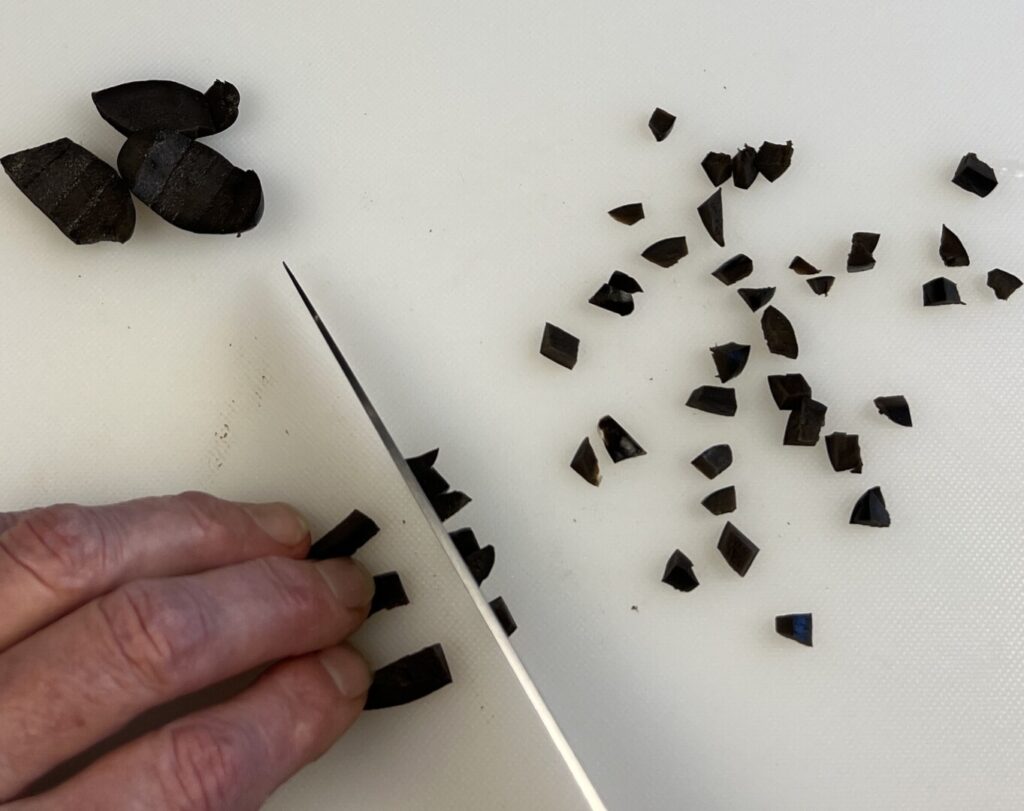
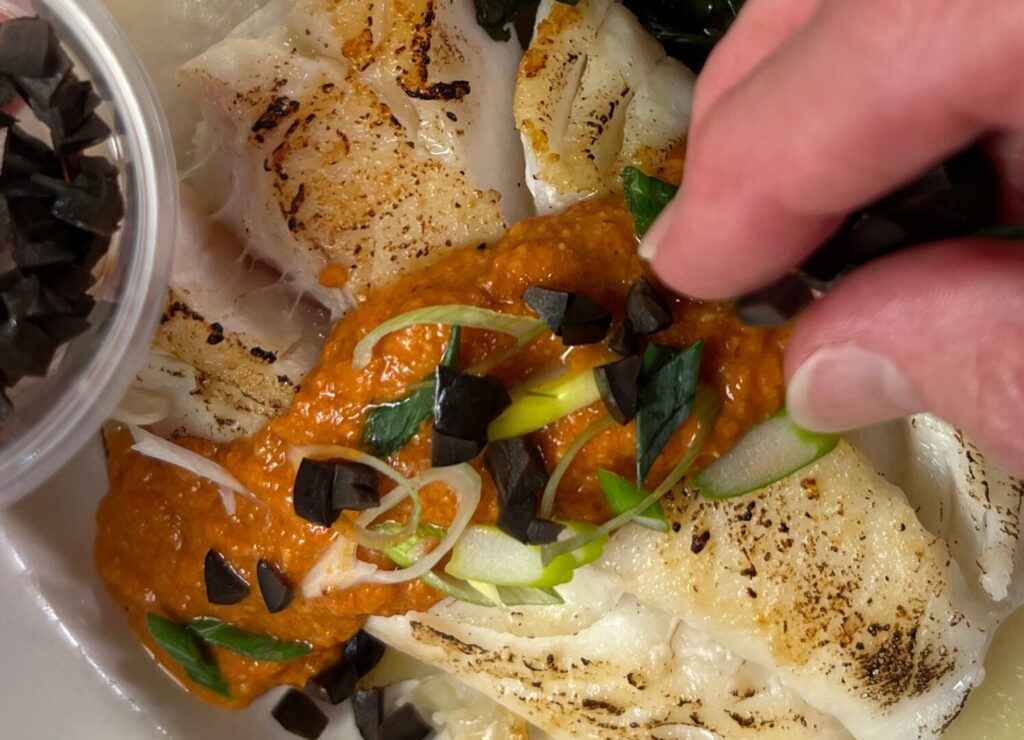
Garnishes make your plates more attractive and enhance the character of the dish.
Now it’s time to roast the cod. But first you’ll pan-sear one side of the loins—a chef trick that helps small food items roast more quickly and look great. Here’s why: Even if your oven is set at high heat, small food items like cod loins won’t achieve a golden brown crust before they’re cooked to the desired internal temperature. The remedy for this is to pan-sear them on one side before roasting. This speeds up the roasting process and starts the browning, which the oven heat will finish. But first, let’s talk more about fish anatomy.
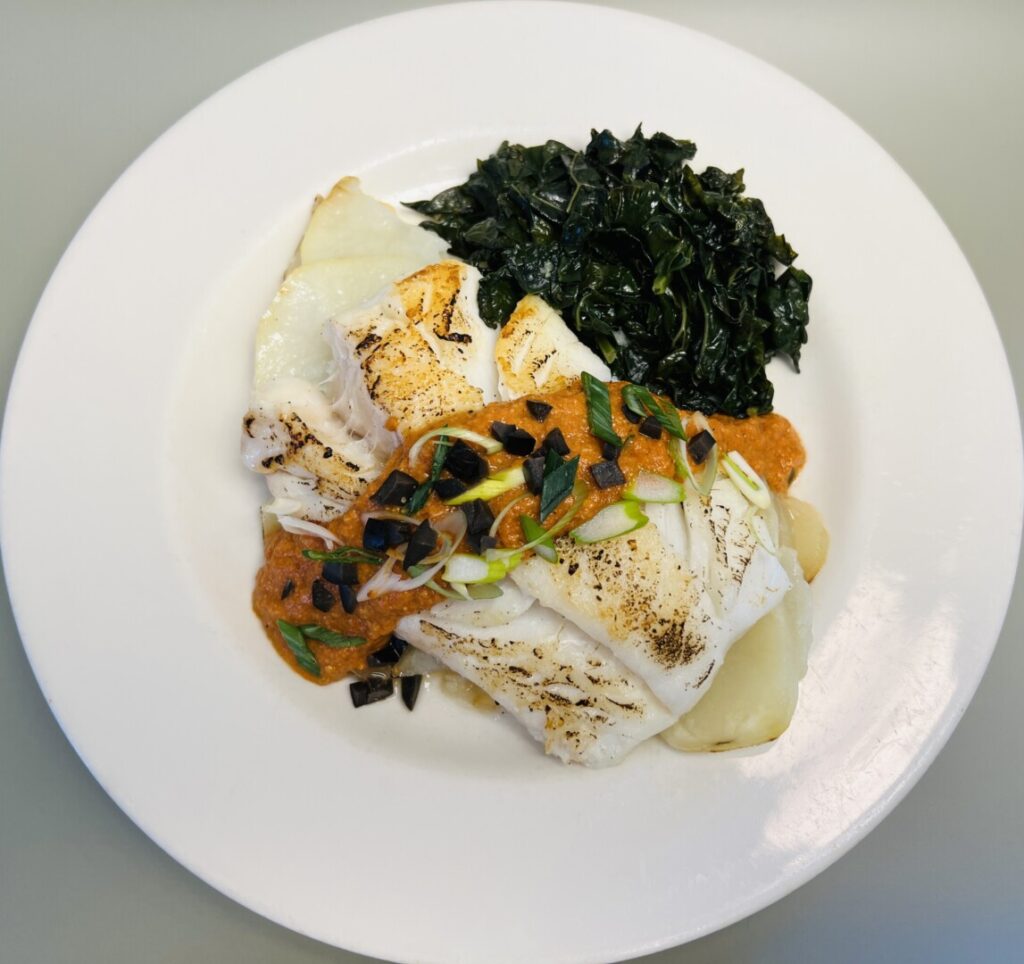
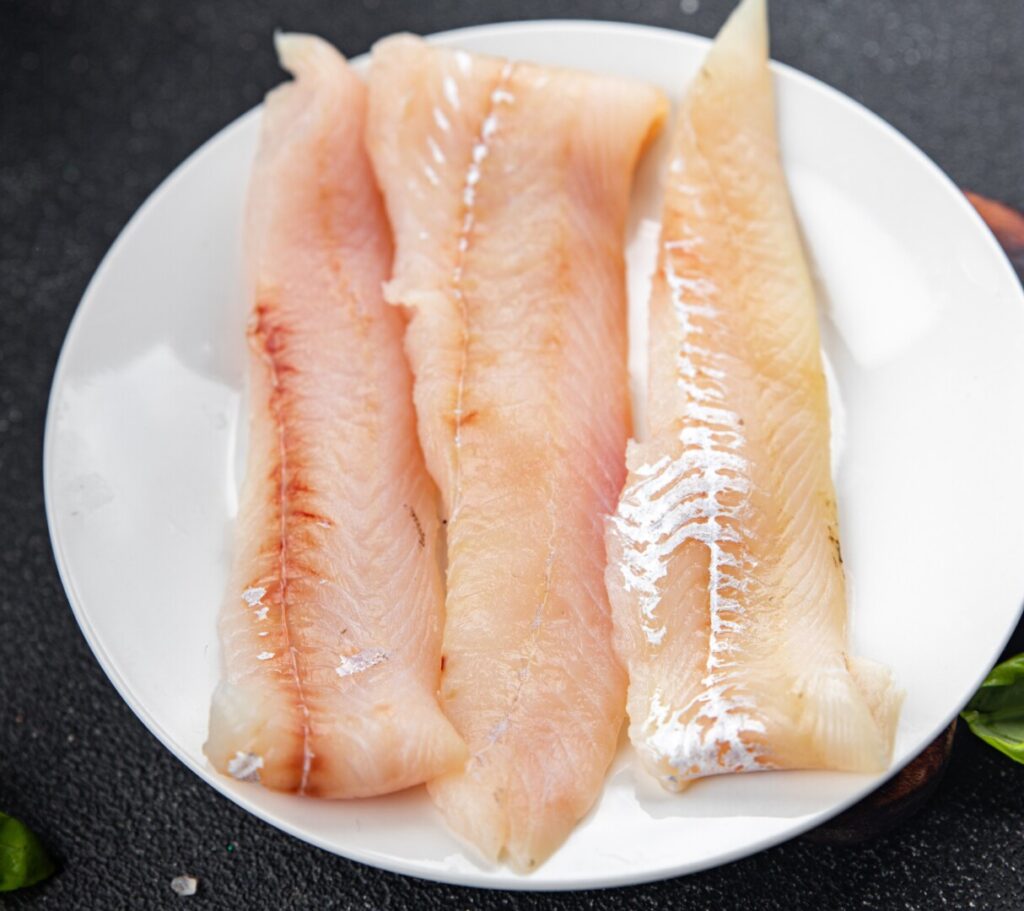
When searing or sautéing fish, it’s important to identify the “presentation side.” When a fillet (or loin) has been removed from a fish carcass, one side had been adjacent to the skeletal structure before being sliced off of it. This side of the fillet has a corrugated texture, a matte finish appearance, and looks slightly convex. This is the presentation side of the fillet. The two fillets shown on the left side of the plate are placed presentation-side-up.
After a fillet is removed from the fish skeleton, it’s usually skinned. Once the skin is removed, you can feel and see the flesh underneath. The underside has a smooth texture and a shiny appearance that may look silvery in places where some skin membrane was retained. This side of the fillet looks flat or sometimes slightly concave. The fillet on the right side of the plate is placed presentation-side-down.
When sautéing or grilling a fish fillet (methods that employ bottom heat), the presentation side should be the first side to be placed on the heat source. Recipe directions typically specify placing fish fillets “presentation-side-down” or “shiny-side-up.” Doing so ensures the best appearance and prevents the fillet from curling in the wrong direction and breaking up.
If you’re folding a fish fillet to achieve even thickness, make sure the shiny side is inside.
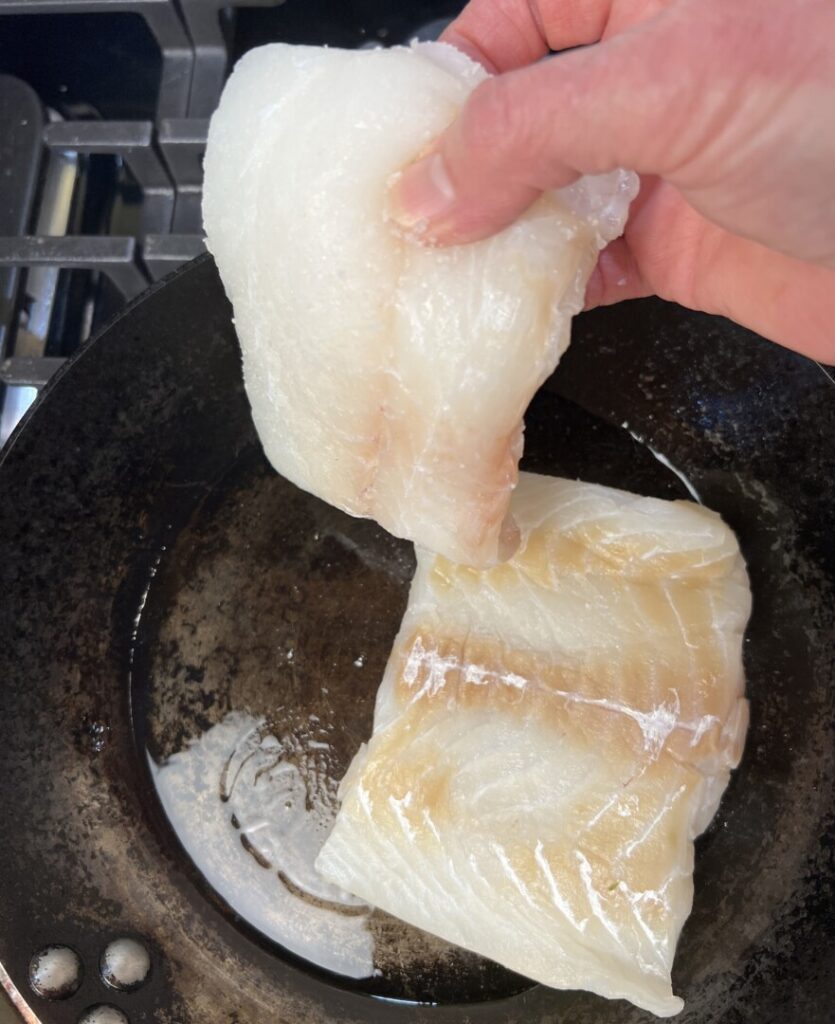
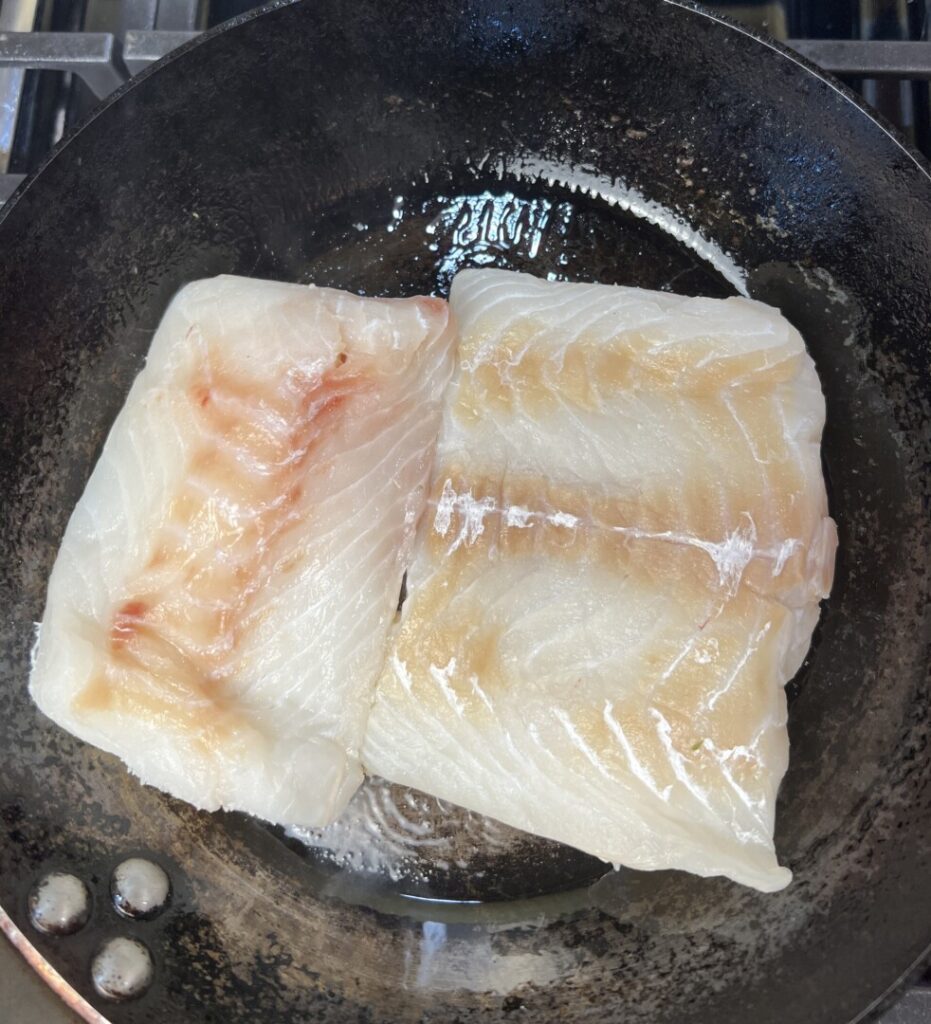
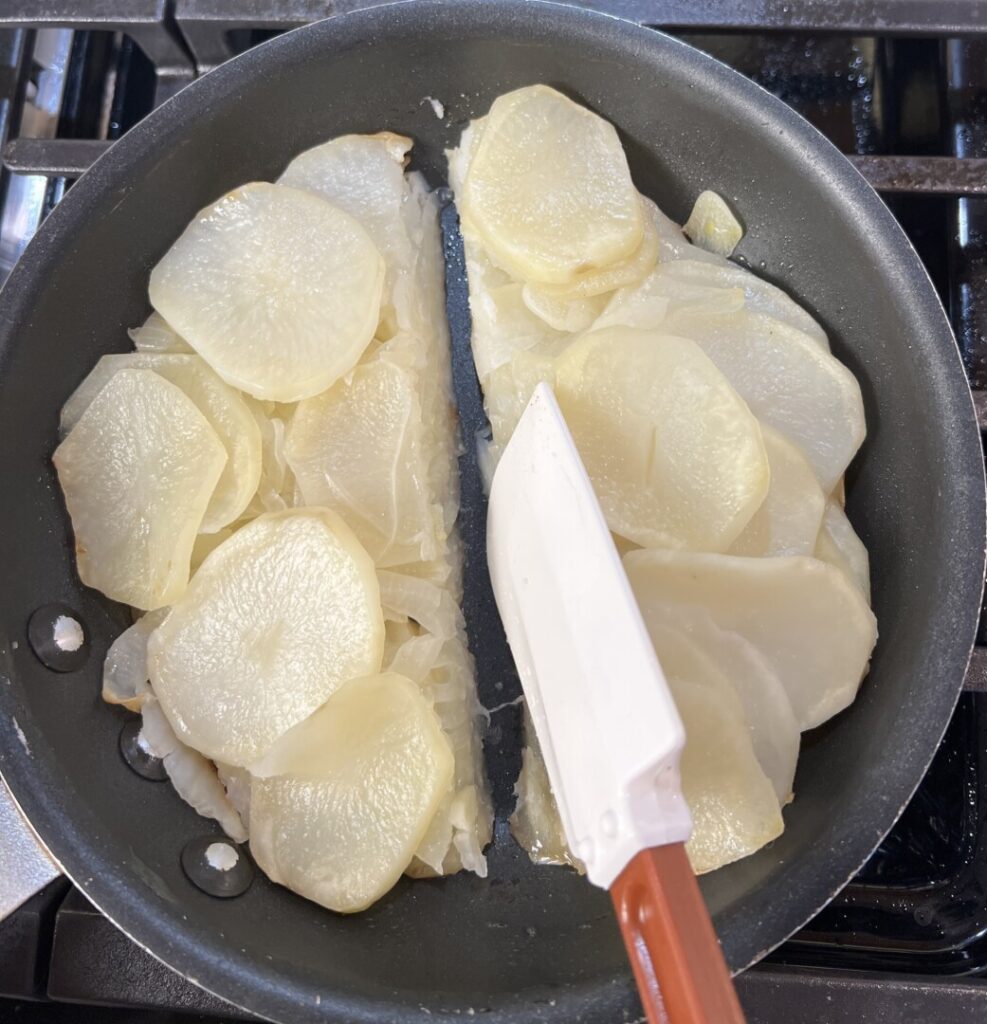
To help prevent rather watery cod loins or fillets from sticking, first blot them firmly on paper towels. Use a well-seasoned pan, and make sure the pan is very hot before adding the oil. (Alternatively, you can use a nonstick pan, but you may not achieve the best browning.) Add the cod loins and let them sear over high heat without disturbing them until a bottom crust forms and they release from the pan. (If you try to move them too soon, the bottoms will stick and the fillets will start shredding apart.) Due to its water content, the cod will brown only lightly; that’s OK, as it will further brown in the oven. While the cod is searing, divide the potatoes into the number of portions needed to serve your guests. Carefully invert the cod loins onto the potato portions, raw-side-down. Then place them in a hot oven to roast. As they finish cooking, their plentiful tasty juices will permeate the potatoes.
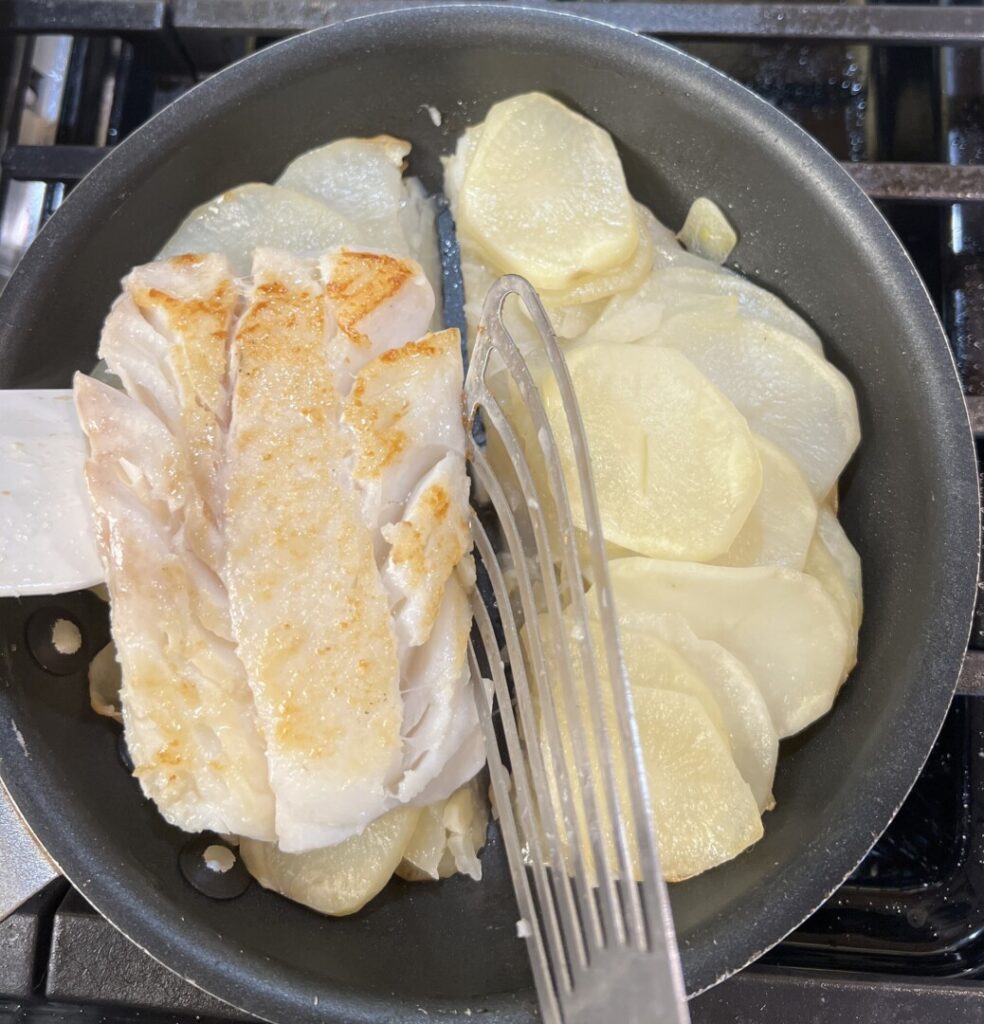
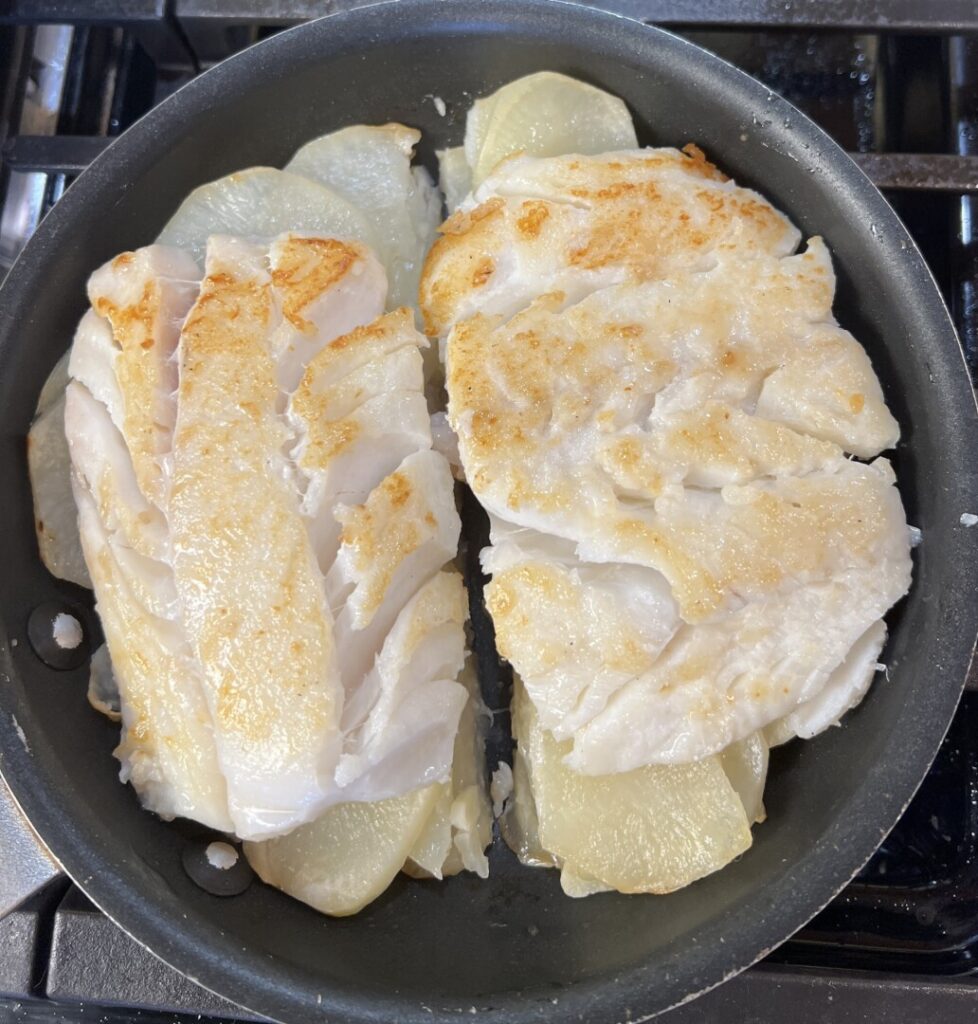
When finished, the cod will have large, moist flakes, and both fish and potatoes will be steaming hot. Use a paring knife to open out one of the flakes to ensure the fish is cooked through. The flesh should be slightly translucent inside—not fully white and ragged.
If the cod loins still look a little pale, you can run them under a broiler or use a kitchen torch to achieve a golden-brown appearance
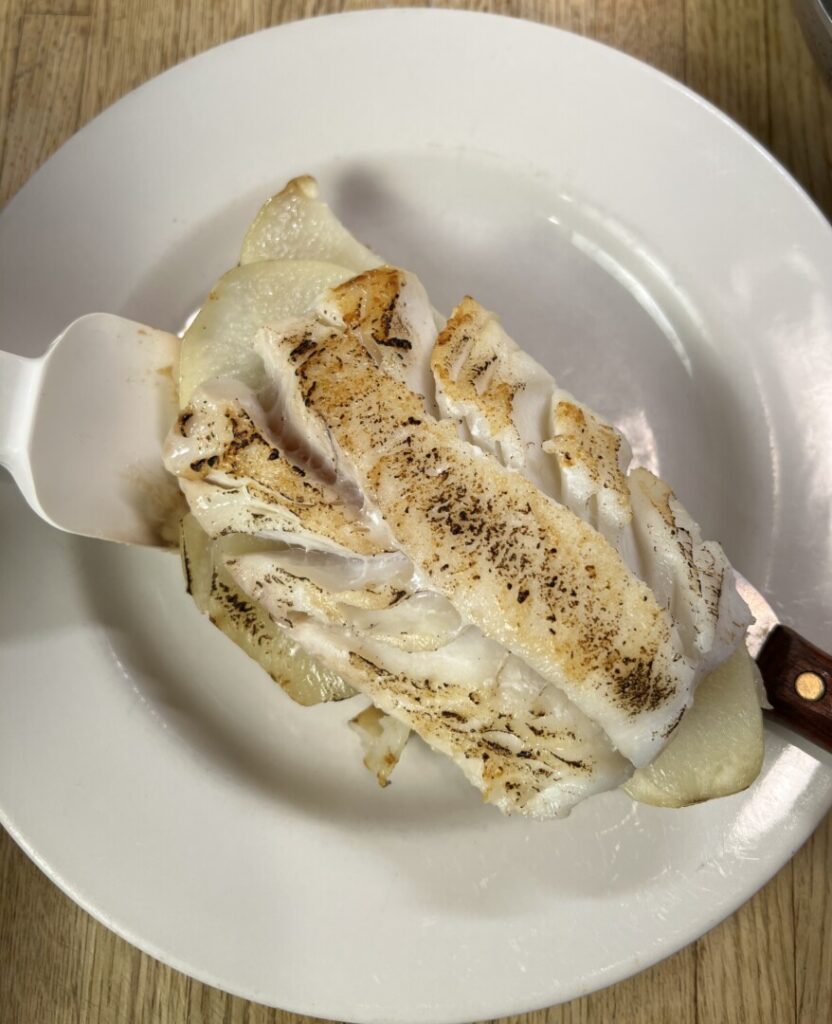
Now you’re ready to plate! The only tricky part is keeping the cod and potatoes together when lifting them from the pan to the plate. Use a flexible fish spatula to get as far underneath the potatoes as you can, and a plastic spatula to hold up the end.
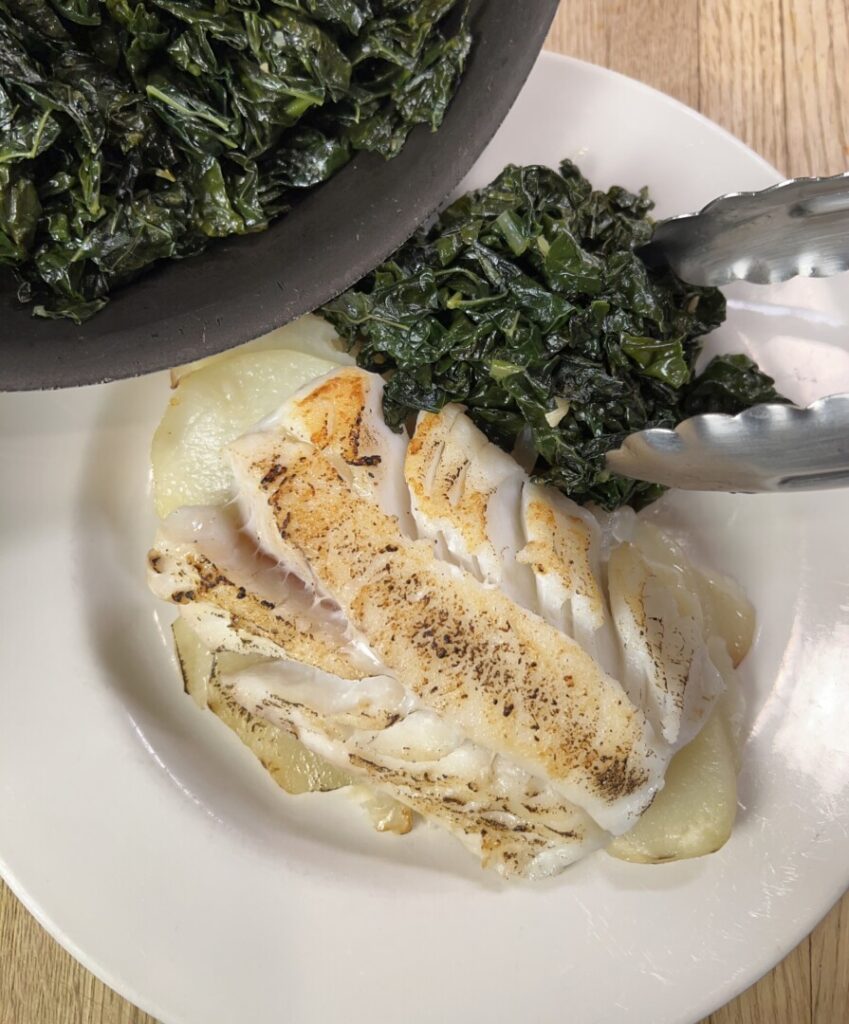
Catalan Cod on Panadera Potatoes with Romesco Sauce and Braised Kale
Ingredients
step 1 ingredients
- 1/8 small yellow onion
- 1 garlic clove
- 2 russet potatoes (about 6 oz each)
step 2 ingredients
- 1 Tuscan kale bunch (or 1/2 bunch standard kale)
step 3 ingredients
- 1/2 red bell pepper
- 2 Kumatos or other small, vine-ripe tomatoes
- 1 garlic clove
- 1 Tbsp tomato purée
- 1 Tbsp panko bread crumbs
- to taste kosher salt
- 2 Tbsp extra-virgin olive oil
- 1 Tbsp sliced almonds
- 1 pinch of crushed dried red pepper
- 1/4 tsp Spanish paprika
- 3/4 tsp sherry wine vinegar
step 7 ingredients
- 1 Tbsp pure olive oil (not extra-virgin)
- to taste kosher salt
- 1/4 c water
- 2 Tbsp white wine
step 8 ingredients
- 1 garlic clove
- to taste kosher salt
- 1 c water
step 9 ingredients
- 1 scallion
- 2 large black olives
step 10 ingredients
- 2 7-oz cod loin fillets
- 1 Tbsp pure olive oil (not extra-virgin)
- to taste kosher salt

Instructions
PREP: Mise the recipe ahead of time.
1. Prep the panadera potatoes:
- Cut the step 1 onion into very thin slices.
- Cut the garlic into very thin slices.
- Peel the potatoes and place them in a container. Cover with cold water to prevent enzymatic browning.
2. Fabricate the kale:
- Wash the kale leaves and blot dry with paper towels.
- Remove any stems and the thick veins from the leaves.
- Cut the kale leaves crosswise into ribbons about ½-inch wide.
- If prepping ahead, place the kale in a plastic bag with a folded paper towel on the bottom.
3. Make the Romesco sauce:
- Remove the seeds and membrane from the red bell pepper. Cut it in half along the lobe lines to help it lay flat.
- Place a cooling rack over a gas burner, and turn the burner on high heat. (Alternatively, preheat a broiler to high heat, position an oven rack close underneath, and line a sheet tray with aluminum foil.) Make an aluminum foil pouch just large enough to hold the pepper.
- Roast the pepper and tomatoes: Place the pepper, skin-side-down, on the rack over the flame and then place the tomatoes on the rack over the flame. Use tongs to move the peppers and turn the tomatoes until their skins are evenly blackened and the tomatoes are soft. (Alternatively, place the vegetables on the sheet tray under the broiler, and turn the tomatoes as necessary.) Transfer the pepper to the foil pouch and allow it to steam in its own heat for about 5 minutes, until cool enough to handle. Cool the tomatoes enough to handle them.
- Cut the cores out of the tomatoes, scrape off the charred skins, and coarse-chop them.
- Scrape the charred skins off the pepper and cut it into rough dice.
- Chop the step 2 garlic and place it in a blender along with the roasted pepper, tomato, tomato purée, bread crumbs, and some salt
- Combine the olive oil and almonds in a small sauté pan and place over low heat. Cook, stirring constantly, until the almonds just begin to brown. Turn off the heat, add the crushed red pepper and paprika, and cook a second or two longer until fragrant. Take care not to let the almonds or spices get too brown.
- Immediately pour the almond mixture into the blender, using a plastic spatula to scrape in all of the oil.
- Turn on the blender to low speed and purée just until combined.
- Stir in the vinegar.
- Taste and evaluate for salt and acidity.
- Transfer the Romesco sauce into a container.
4. Assemble the remaining ingredients.
HOLD: Refrigerate all ingredients except the fish up to 5 days. Refrigerate the fish up to 2 days.
COOK! Finish and plate your dinner.
5. Preheat an oven to 425°F.
6. If necessary, bring the Romesco sauce to room temperature.
- Remove from the refrigerator about 1 hour before serving—or—microwave on lowest setting just long enough to achieve room temperature.
7. Assemble and bake the panadera potatoes:
- Preheat an oven to 425°F.
- Choose an ovenproof non-stick sauté pan just large enough to accommodate the potatoes (2 servings: 8-inch pan; 4 servings: 9-inch pan; 6 servings: 10-inch pan), and having a tight-fitting lid.
- Drain the potatoes and cut them into thin slices.
- Place the pan over low heat and add the step 7 oil. Arrange about half the potatoes in the bottom of the pan in a concentric circle. Season lightly with salt and scatter on the onion and garlic slices.
- Working quickly, add a second layer of potatoes to the pan and season with salt.
- Cover the pan, turn up the heat to medium, and cook about 5 minutes until the bottom of the potatoes is golden brown. (Listen for sizzling and lift the potatoes with a spatula to peek underneath.)
- Add the water, re-cover the pan, transfer it to the oven, and bake about 10 minutes until the potatoes are almost cooked through. (A paring knife inserted into the potatoes will meet just a little resistance.)
- Drizzle the wine over the potatoes, cover the pan, and place it on the back of the stove.
8. Braise the kale:
- Peel and crush the garlic clove.
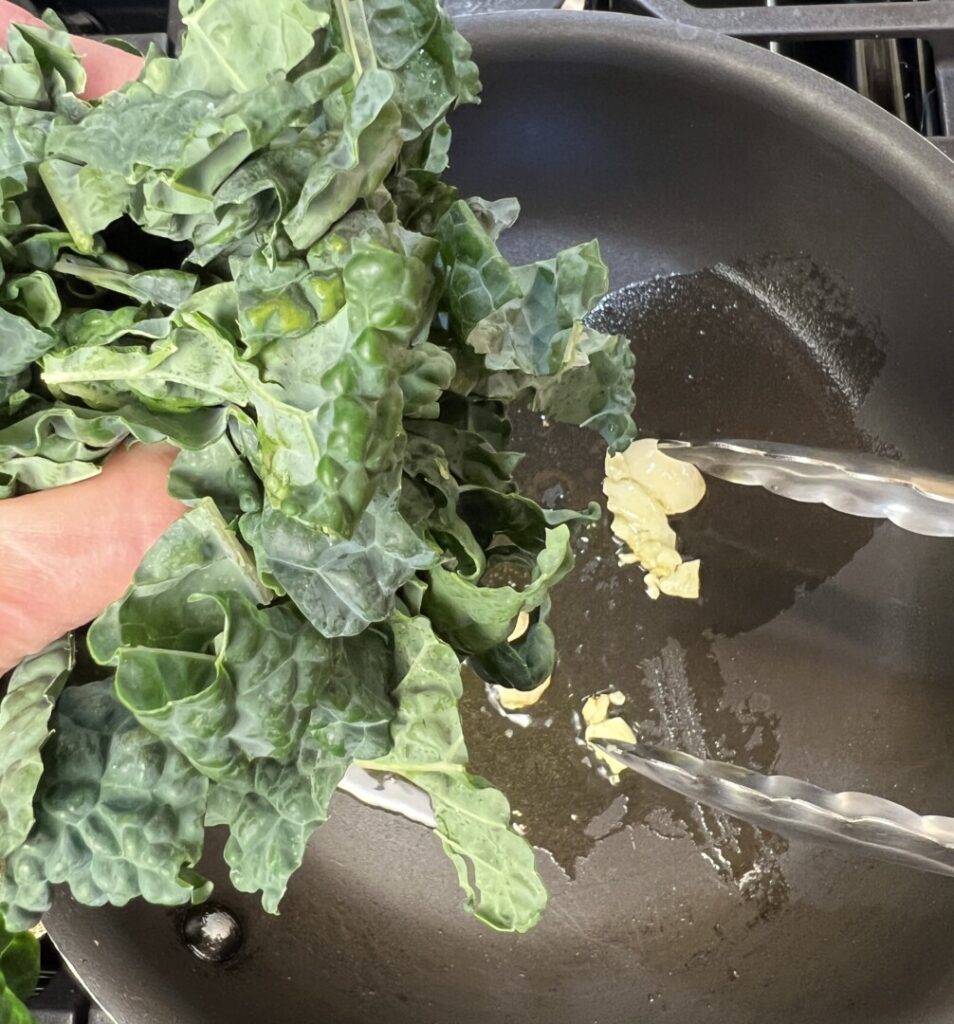
- Combine the garlic clove and the step 8 oil in a sauté pan and turn the heat to medium. Allow the garlic to sizzle, flipping it over once or twice, until golden.
- Add the kale, turning it with tongs and packing it in, until it wilts enough to fit in the pan. Add some salt. Sauté the kale, turning with tongs, until all of the leaves are coated with oil and it has wilted to about half its original volume.
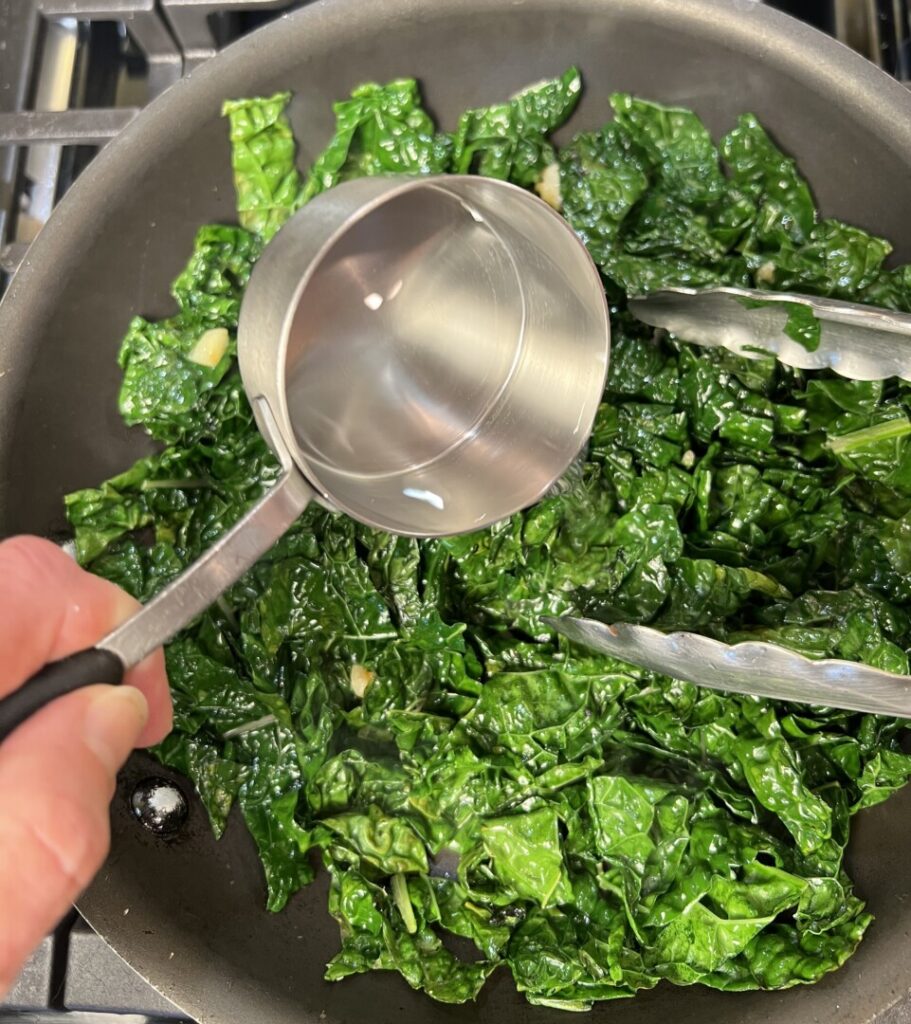
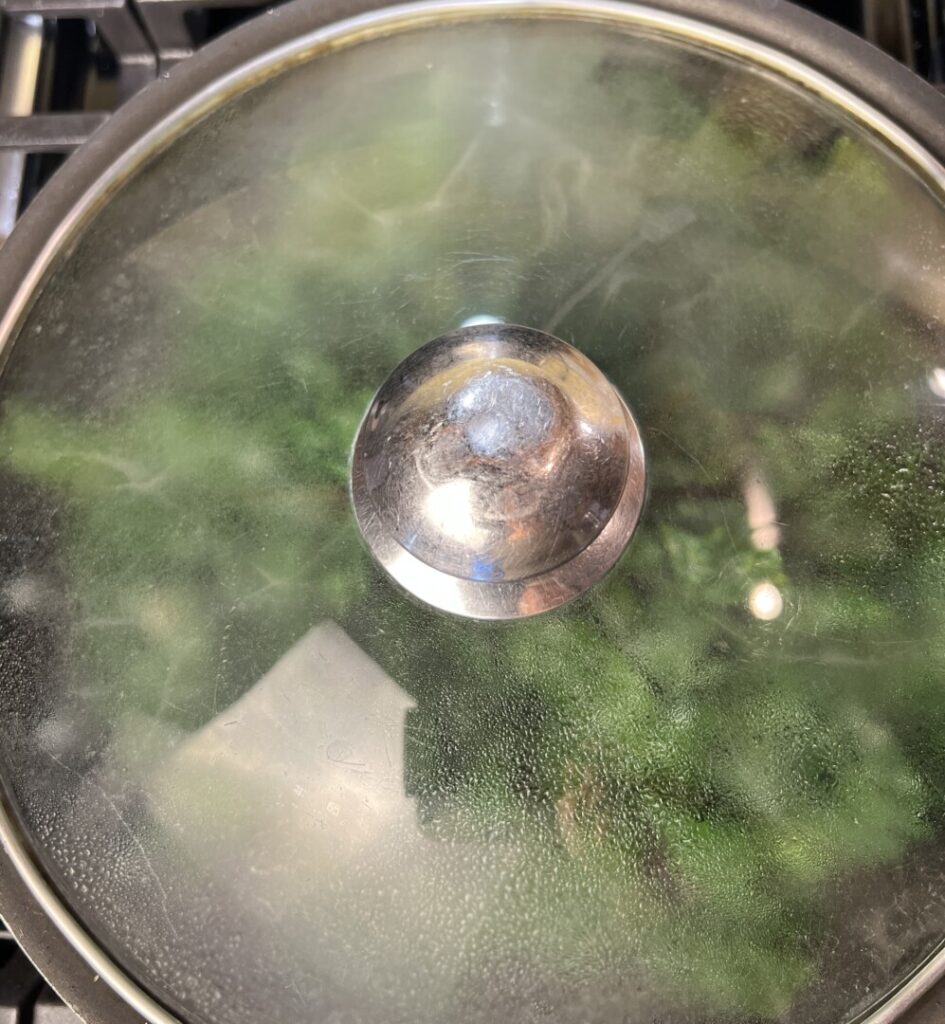
- Add the step 8 water, cover the pan, and steam over medium heat for about 12 minutes. Stir and turn over occasionally. Listen carefully for sizzling, which indicates the water has evaporated.
- Evaluate the texture and, if necessary, add more water and continue cooking until tender.
- Evaluate the seasoning and, if needed, adjust salt.
9. Fabricate the garnish vegetables:
- Cut the scallion into fine diagonal slices.
- Carve the olive flesh off the pits, and then cut the flesh brunoise (tiny dice).
10. Sauté and roast the cod:
- Rinse the cod fillets under cold running water and blot dry with paper towels.
- Heat a sauté pan very hot. Add the step 10 oil, and then add the fish fillets, shiny-side-up. Lower the heat to medium and sauté about 1 minute until lightly browned. Season with salt.
- Use a plastic spatula to separate the potatoes into equal-size servings. (For 2 servings, divide in half; for 4 servings, divide into 4 wedges; for 6 servings, divide into 6 wedges.)
- Place each cod fillet on top of each potato serving, raw-side-down. Place the pan in the oven and roast the cod and potatoes for about 8 minutes or until just cooked through. Codfish has a loose muscle structure and will visibly flake when done.
11. Plate:
- Using a flexible fish spatula and a plastic spatula, lift each portion of cod and potatoes onto the left front of a warmed plate.
- Mound a portion of kale on the back right.
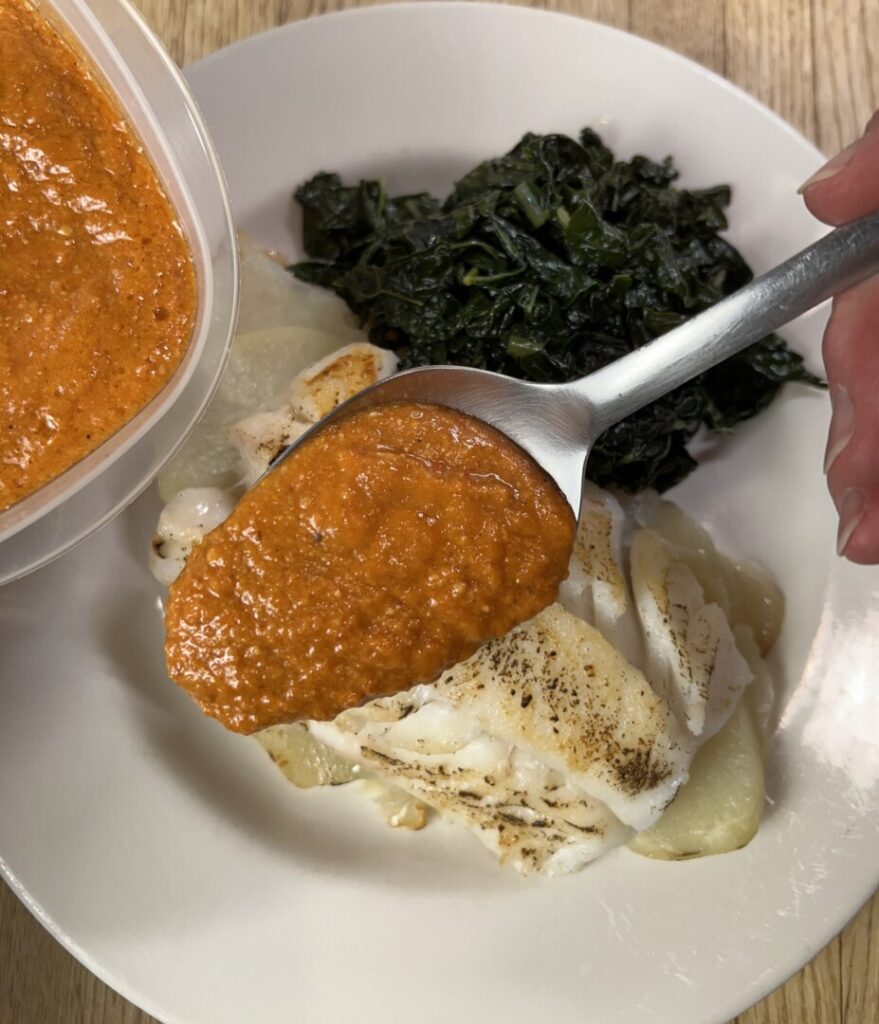
- Spoon a diagonal line of Romesco sauce across the cod and potatoes.
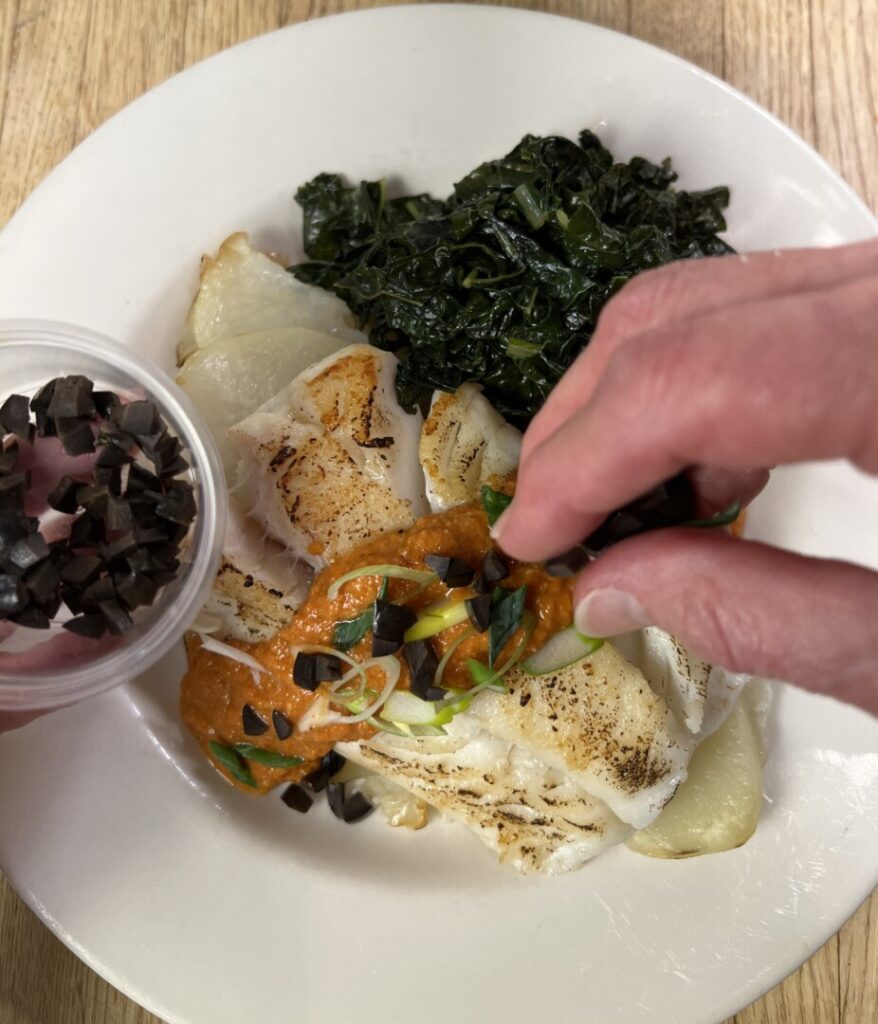
- Sprinkle a line of scallions across the cod on top of the sauce.
- Sprinkle a line of brunoise olives across the cod on top of the scallions.
- Serve the remaining sauce on the side.