

Your Cooking Lesson
Advice, explanation, and in-depth information to help you achieve recipe success.
Senegal is the westernmost nation on the African continent. Its cuisine is largely based on the cooking of the Wolof ethnic group, and also was influenced by French culinary traditions incorporated in the colonial era. But one of Senegalese cuisine’s most favored ingredients, peanuts, were brought to Africa by Spanish and Portuguese traders during the Colombian exchange in the late 1500s. Since then, peanuts have largely replaced the indigenous Bambera groundnut in making traditional dishes.
Today peanuts are an important food crop throughout West Africa. Although West Africans sometimes eat roasted peanuts as a snack, throughout the region they’re far more important as a culinary ingredient. Chopped and ground peanuts are used in seasoning mixes and rubs for grilled meats and in stuffings.
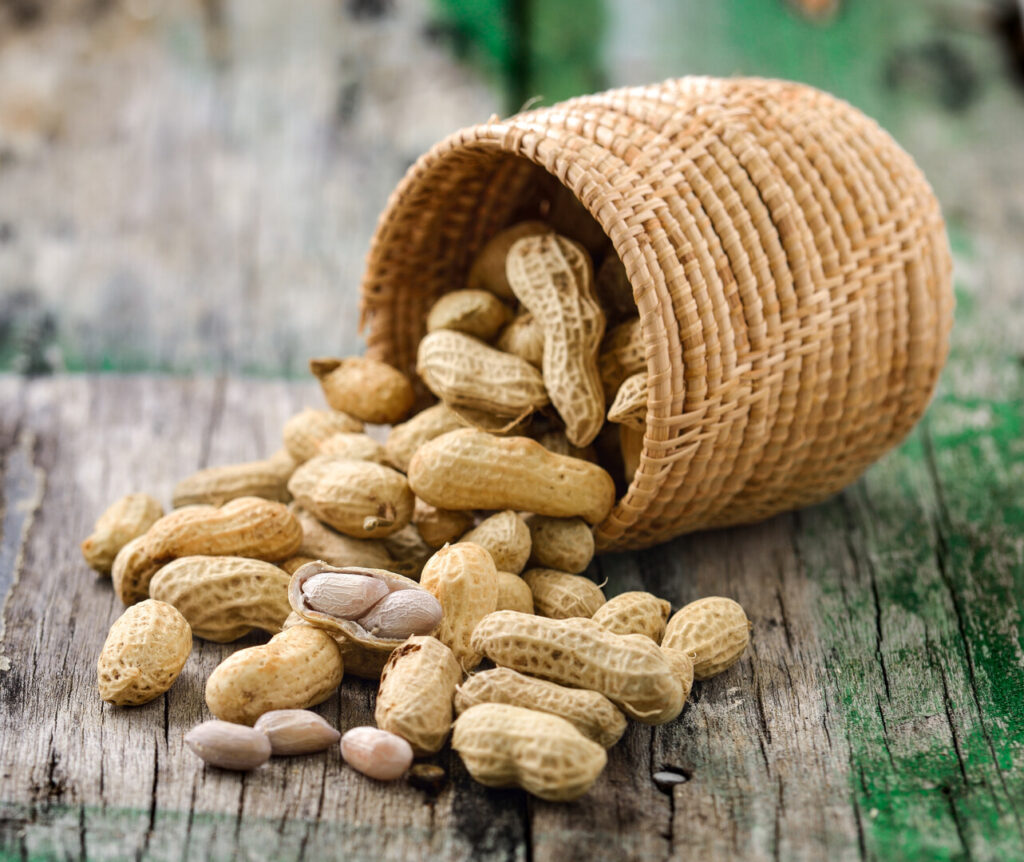
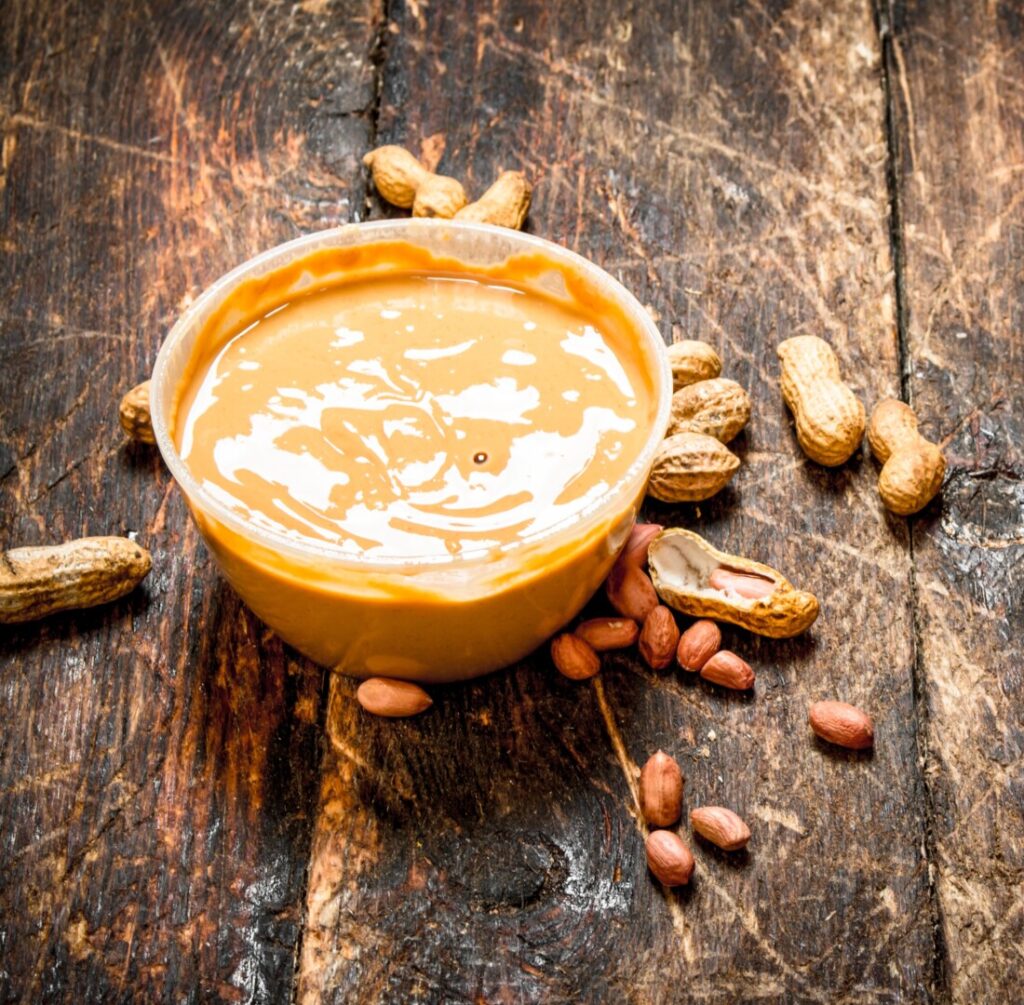
More commonly, though, peanuts are ground into a paste (essentially unflavored peanut butter) and used to flavor and thicken soups and sauces.
If you have a blender or food processor, you can grind skinned, roasted peanuts to make peanut paste for this sauce. However, commercially-produced peanut butter works just fine. When developing and photographing this recipe I used Jif brand creamy peanut butter, which contains salt, sugar, molasses, and vegetable oil. If you use pure, unflavored peanut butter you’ll likely need to add a bit more brown sugar to the sauce and season it a bit more generously with salt.
The most common West African name for this recipe is Maafé. Likely originating in Mali, this dish is now prepared—with many variations and and under different names—throughout the region. In addition to peanut butter, the sauce for Maafé typically includes browned onions, garlic, tomatoes and, traditionally, powdered dried shrimp or fish. Maafé sauce can be used to cook beef, lamb, chicken, or fish. My recipe is adapted from the traditional Senegalese version I learned years ago from a college foreign exchange student friend. Its bright, spicy flavor and rich mouthfeel make it an irresistible winter meal.
You’ve just read that traditional West African peanut sauce is made with powdered dried shrimp or fish. These ingredients have been used in the region’s cooking for centuries, added instinctively by intuitive cooks who no doubt discovered the special taste they impart to even non-seafood dishes. Now food scientists know that dried seafood is one of several food categories that impart a unique flavor called umami. Today this flavor is considered “the fifth taste,” joining the long-recognized four basic tastes: sweet, sour, salty, and bitter. Other foods that provide umami flavor include mushrooms; aged, well-marbled red meat; aged cheeses; cured, dried meats and seafood; and fermented foods such as kim chee and soy products.
The most common translation of the Japanese word umami is “deliciousness.” We now know that umami physically enhances flavor by coating all surfaces of the tongue, promoting the production of saliva, and lingering in the mouth with a pleasant aftertaste. Discovered and named in the early 20th century by Japanese researcher Kikunae Ikeda, umami is a general term for substances combining the amino acid glutamate and/or the nucleotides inosinate and guanylate. To learn more about umami, visit this site: http://umamiinfo.com
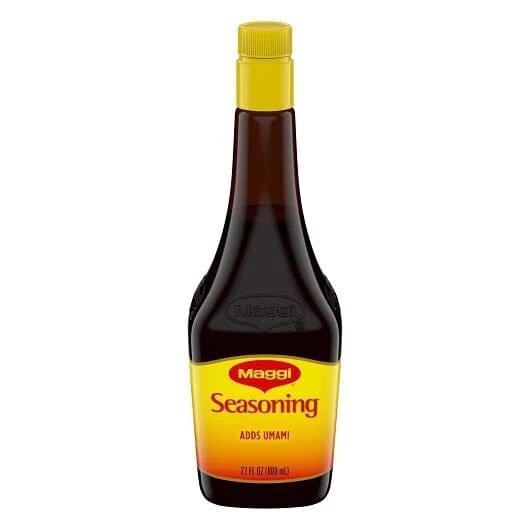
All that said, most North American home cooks and professional chefs don’t regularly stock dried seafood powder. Even in the region, cooks have transitioned away from this traditional flavor enhancer to a product called Maggi seasoning. Developed in Switzerland in the late 1800s as a plant-based alternative to meat extract, Maggi seasoning is a popular source of umami flavor. Today Maggi seasoning is used around the globe with specialized formulations based on regional taste preferences. It’s widely used in African cooking not only for Maafé but also for many other savory dishes. If you’re sensitive to MSG, look for bottles that specifically state “no added MSG.”
Maggi seasoning is almost always available in ethnic grocery stores but not so much in standard supermarkets—and you can order it online. But if you decide to leave it out, just slightly increase the soy sauce and you’ll still have a tasty peanut sauce.
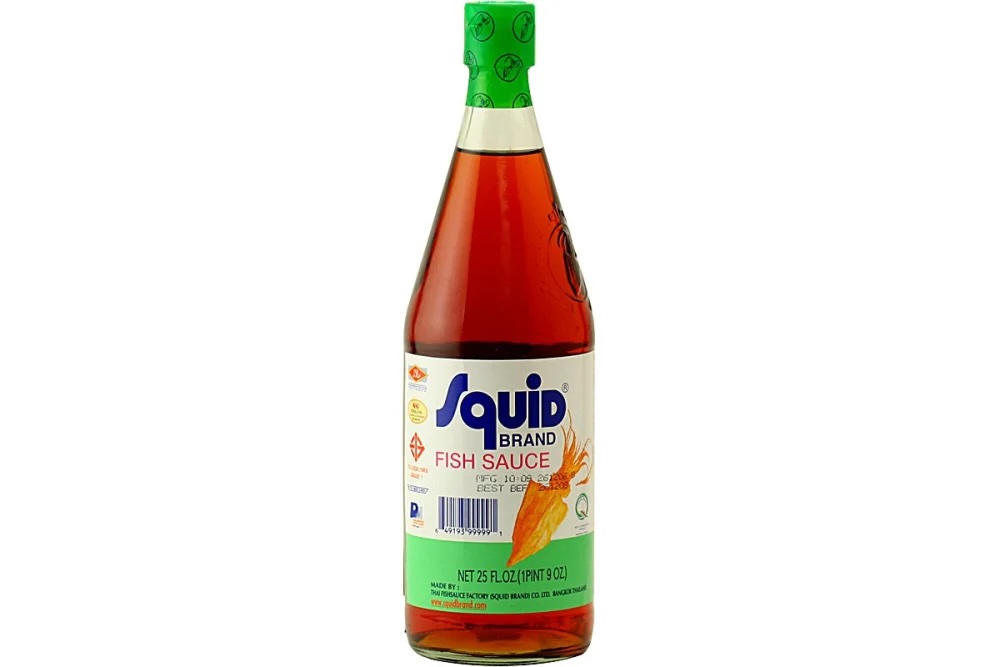
To boost the umami taste in your peanut sauce and also to mimic the mild sea flavor of traditional dried seafood powder, you can also add a little Asian fish sauce to your dish. Alternatively, a pinch of Japanese hon dashi instant seafood stock granules does the trick. As with Maggi seasoning, you can leave out this recipe element if you wish.
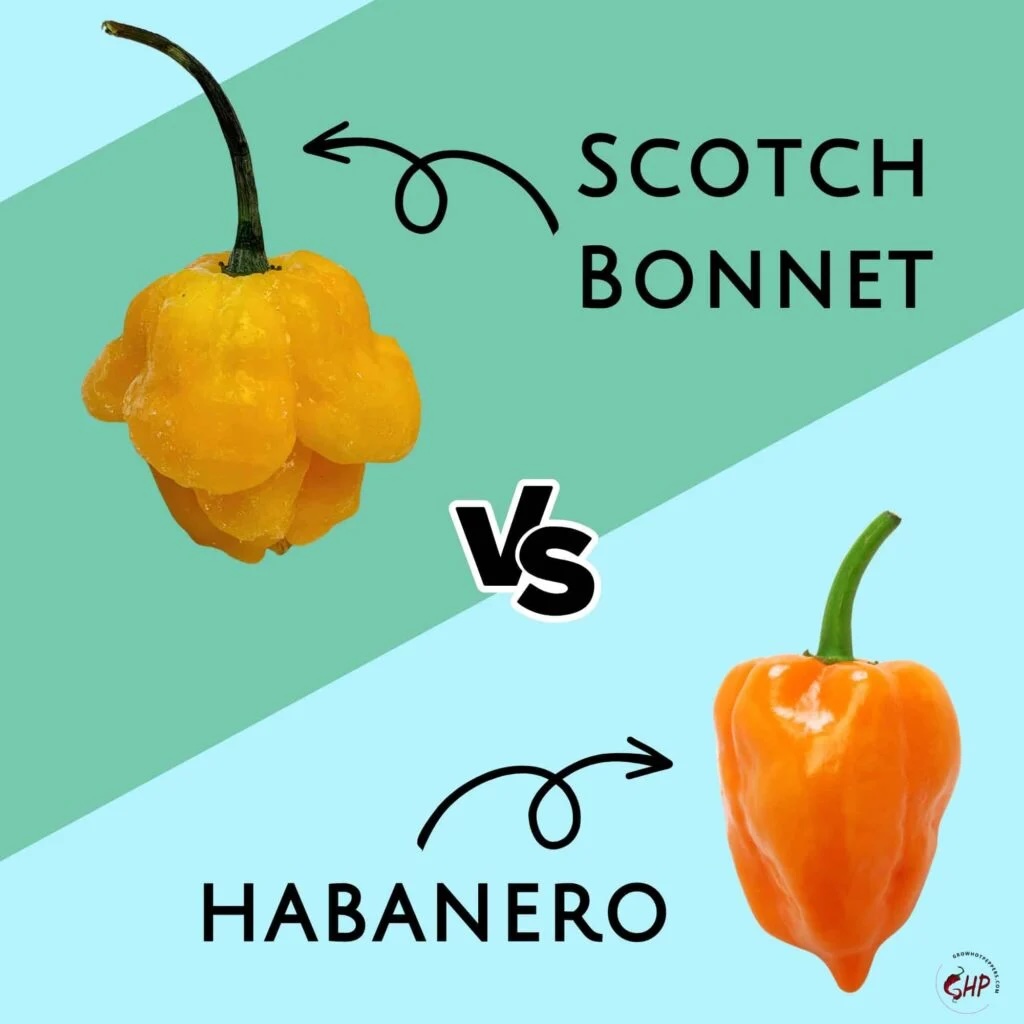
Many West African dishes are quite hot and spicy, although individuals and families have varying degrees of hotness preference. Two similar but subtly different chiles are used throughout the region, both commonly called ata roda, or round chile, in the Yoruba languge. Scotch bonnet chiles and Habanero chiles are varieties of the capsicum chinense chile cultivar, originating in the Amazon River basin in South America. Both chiles are extremely hot—often more than 100 times hotter than a jalapeño. Both have many color variations, ripening from pale green through yellow and orange to bright red. Most chefs agree that red specimens have a sweeter and more fruity flavor than less ripe chiles.
The illustration at left, from the website growhotpeppers.com, contrasts their appearance. Scotch bonnets are shaped like a traditional Scottish tam-o’-shanter hat: more rounded, and sometimes with a squashed-appearing top. They have a subtly sweet flavor with nuance of tropical fruit. Habaneros, named for Havana, Cuba, are lantern-shaped with pointed tips. While also slightly sweet, they have a more earthy, grassy flavor.
In West African cuisine the two chiles are interchangeable. In the “Let’s Prep” section below you’ll learn how to control their heat. Or, if you prefer less spicy fare, you can substitute a jalapeño or other, milder chile.
Rice cultivation began in West Africa more than 3000 years ago, with the development of a native red rice cultivar. However, Asian rice introduced around 1500 CE by Portuguese traders quickly replaced it. To supply an economically challenged population, traders often marketed less-expensive, damaged rice with grains that had been broken during milling. Many West Africans came to prefer this “broken” rice for its soft, couscous-like texture that readily absorbs sauces, and because it cooks more quickly than whole grains, using less fuel. Today broken rice, usually made from the softer jasmine rice variety, is sold in Asian and African grocery stores and online.
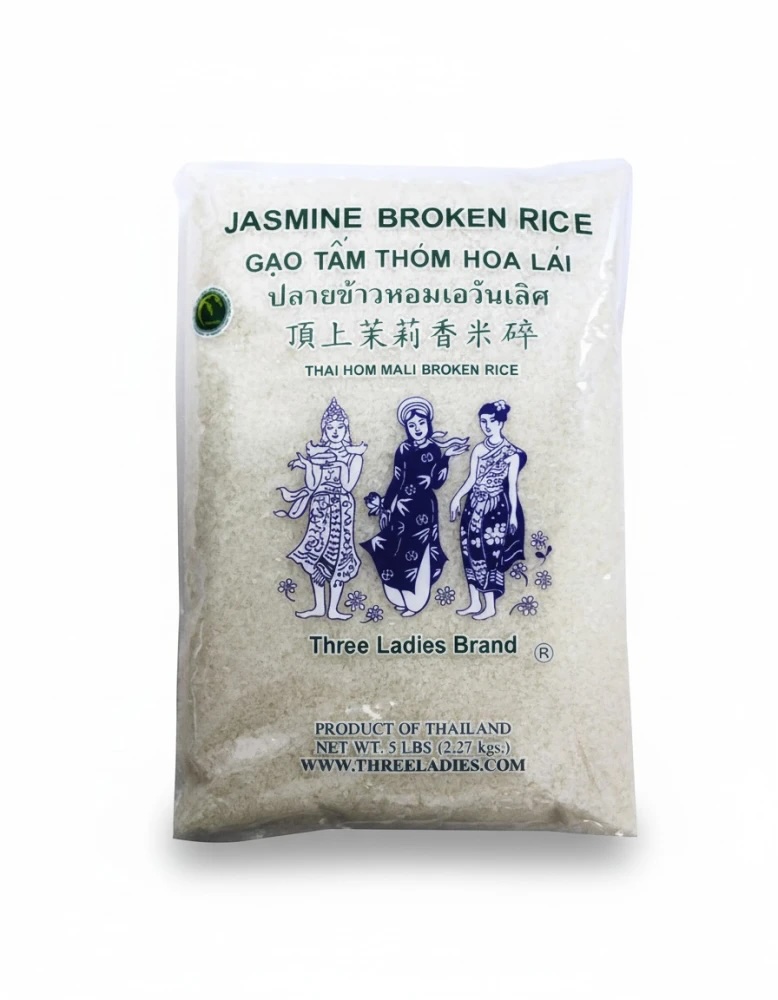
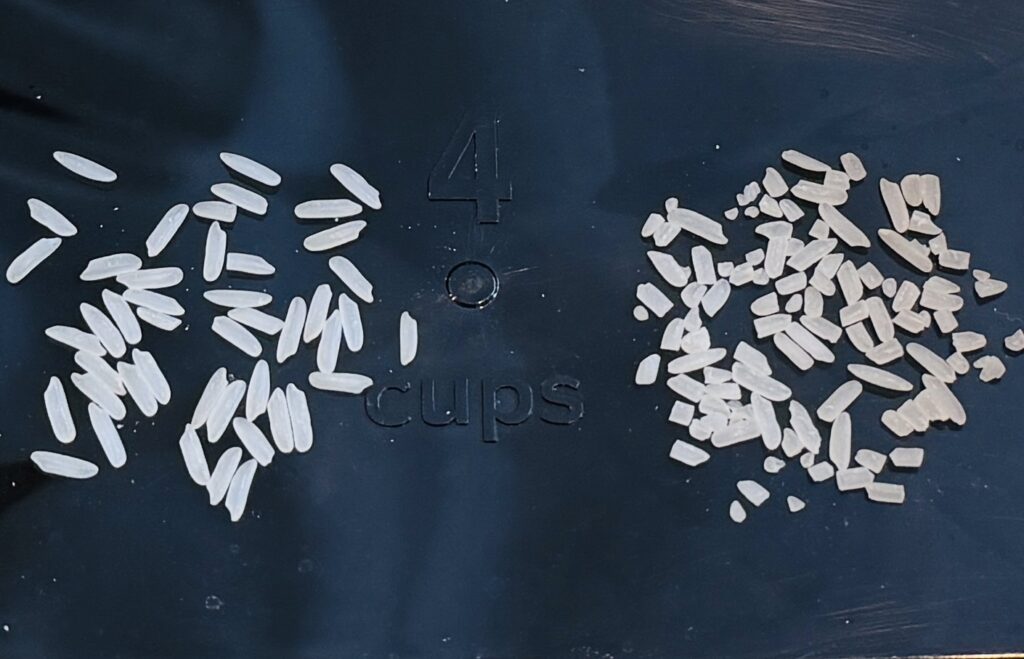
However, you may not want to buy yet another type of rice to take up space in your pantry. You can certainly serve your peanut chicken with plain white rice, either standard long-grain or jasmine. But with just a little time and effort, you can follow the recipe instructions to “break” standard jasmine rice in a food processor for a more authentic dish. The photo shows unbroken jasmine rice on the left and, on the right side, jasmine rice that has been broken in a food processor. A few of the grains have remained whole, but the majority have been split roughly in half. After breaking your rice, make sure to sift out the rice “dust” as shown in the process photo below.
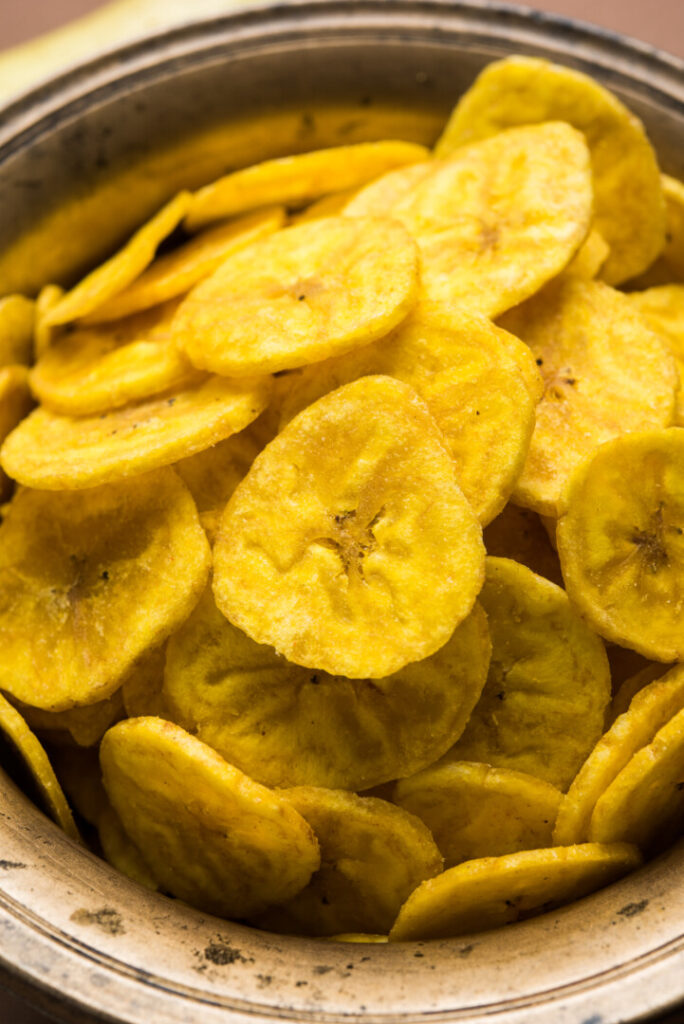
Plantains, also known as cooking bananas, are large, starchy, less-sweet members of the banana cultivar family. Introduced from Asia thousands of years ago by Arab traders, today they’re an important food source throughout West Africa. These versatile fruits mostly are prepared as vegetables using many different cooking methods ranging from boiling and mashing to grilling, roasting, and frying. Crunchy-fried plantain chips are a favorite snack throughout the region. They can be made savory and salty, using starchy unripe plantains, or sweet if ripe plantains are used. The salty variety makes a unique, crunchy garnish for peanut chicken or other stews.
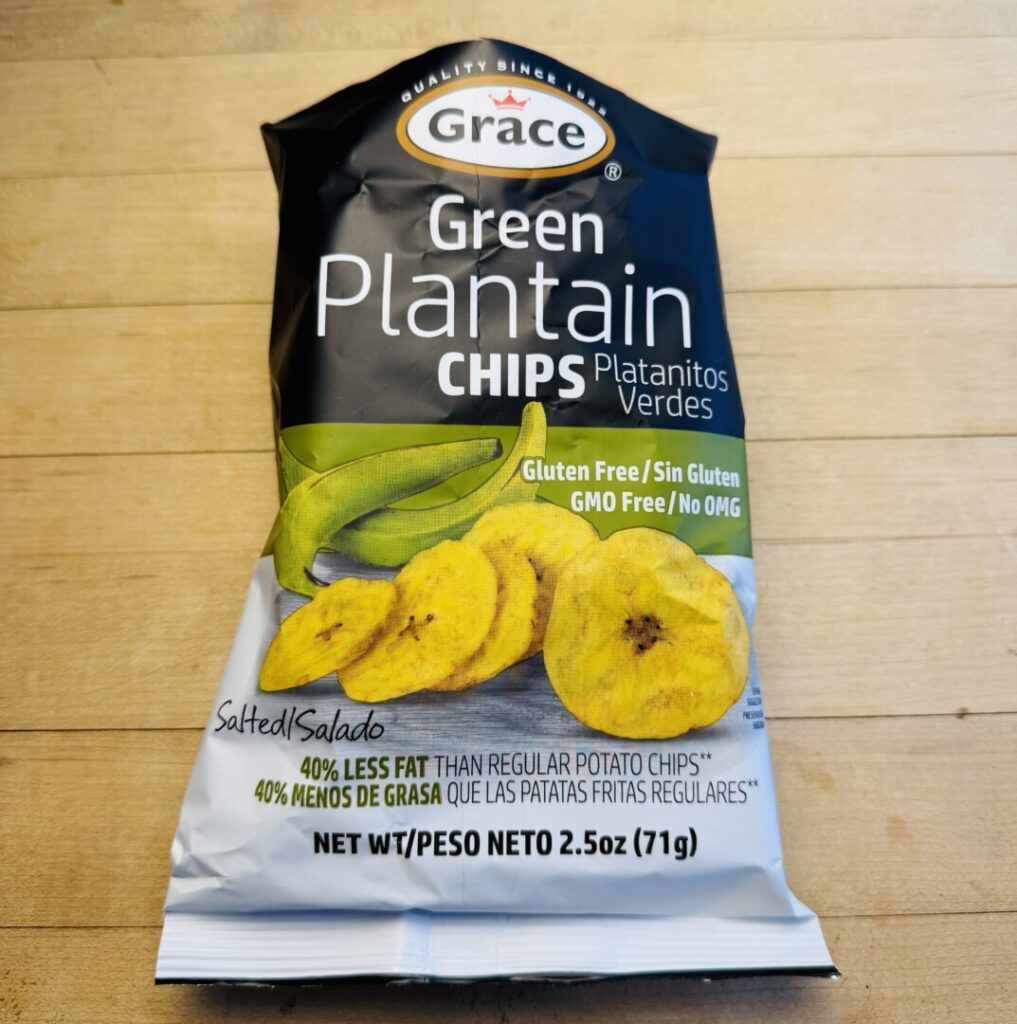
Making your own plantain chips is a lot of work. Fortunately, you can buy high-quality chips even at most larger supermarkets. Although optional, they make a fun, crunchy garnish for your peanut chicken. Any leftover chips are great with a Latin-American mayo-ketchup dip.
Let’s prep!
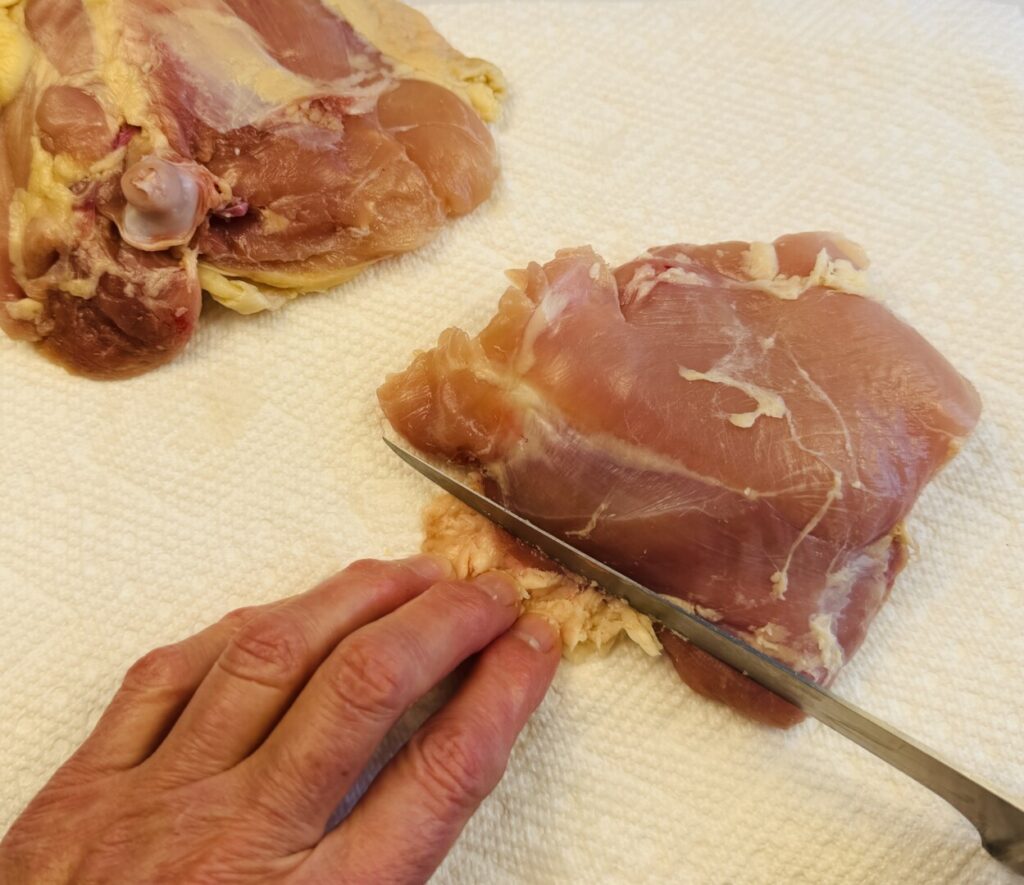
To begin, skin and trim the chicken thighs. Start skin-side-down. Insert the blade of a sharp, flexible boning knife between the skin and meat. With the blade at a slight downward angle, cut toward and under the chicken meat while pulling on the skin in the opposite direction. If the skin doesn’t pull free, turn over the thigh and cut the skin away. Trim off as much visible fat as possible.
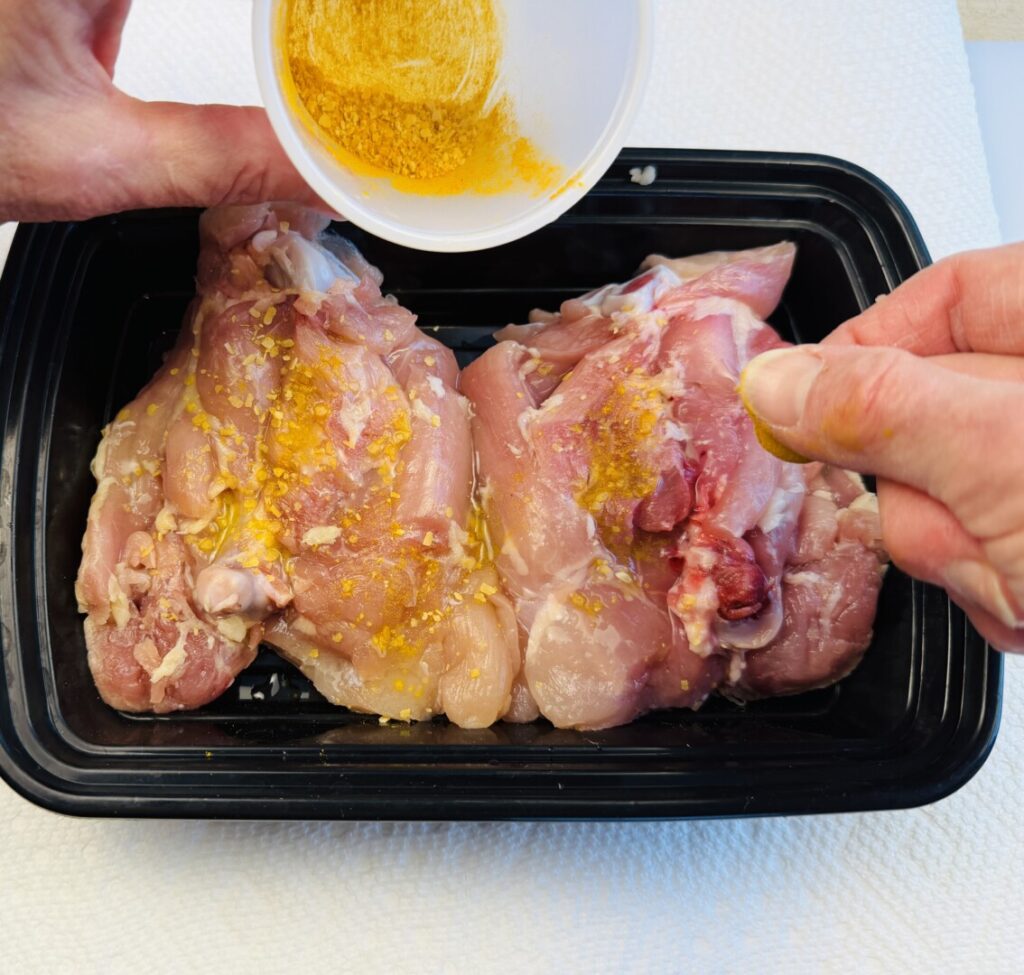
In many world cuisines, poultry is “purified,” or sanitized, by rubbing it with lemon juice, salt, and ground turmeric—all three ingredients known for their antibacterial properties. This step was important in times before refrigerated food transport and storage, and still makes sense considering the occasional food safety issue even today. These ingredients also impart a distinctive flavor to the chicken, especially if you’re prepping ahead and the chicken has time to cure for a day or two in the refrigerator. Squeeze the lemon juice over the thighs, sprinkle with the salt-turmeric mixture, and massage it in.
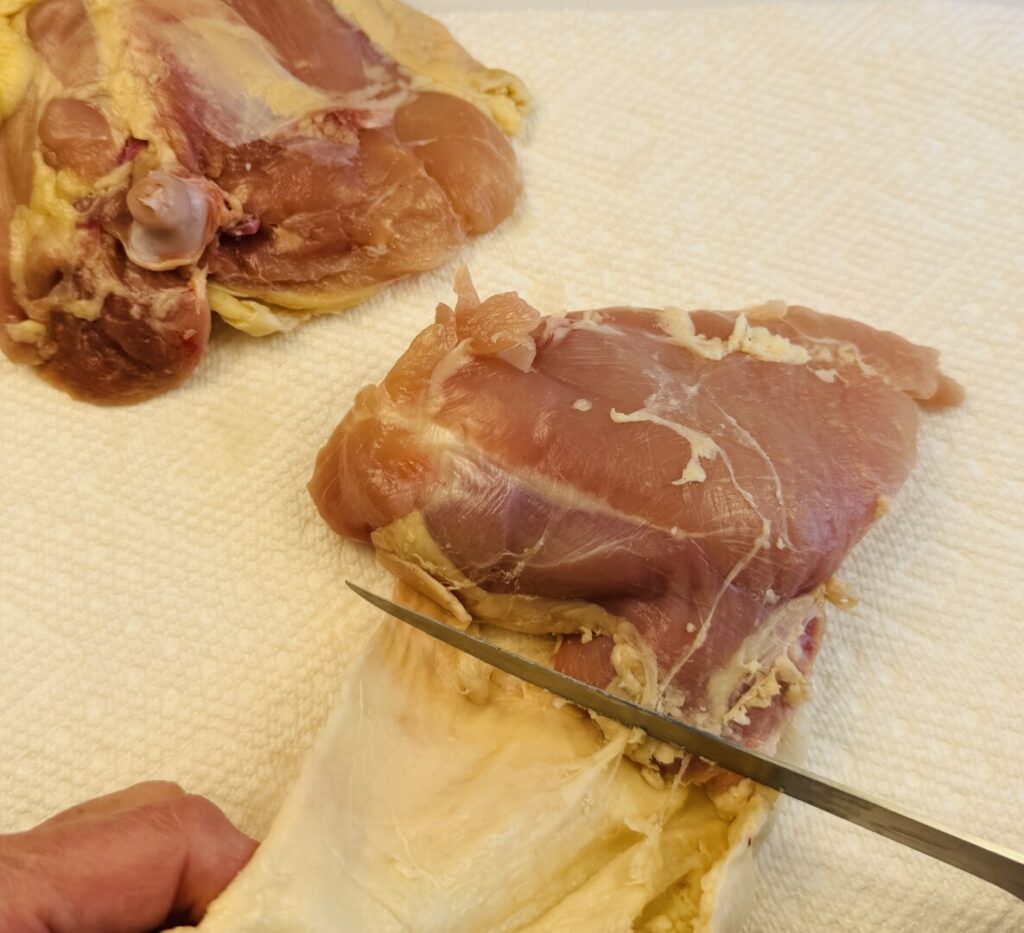
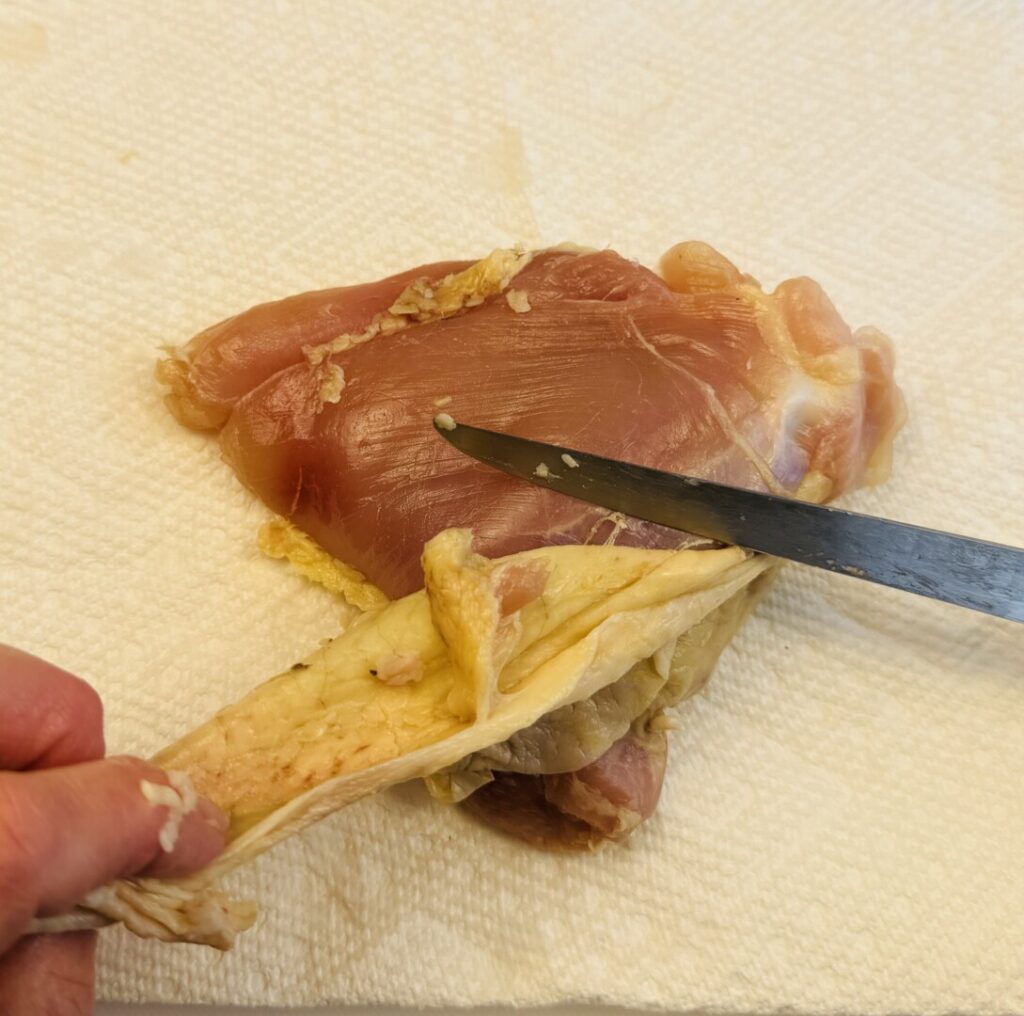
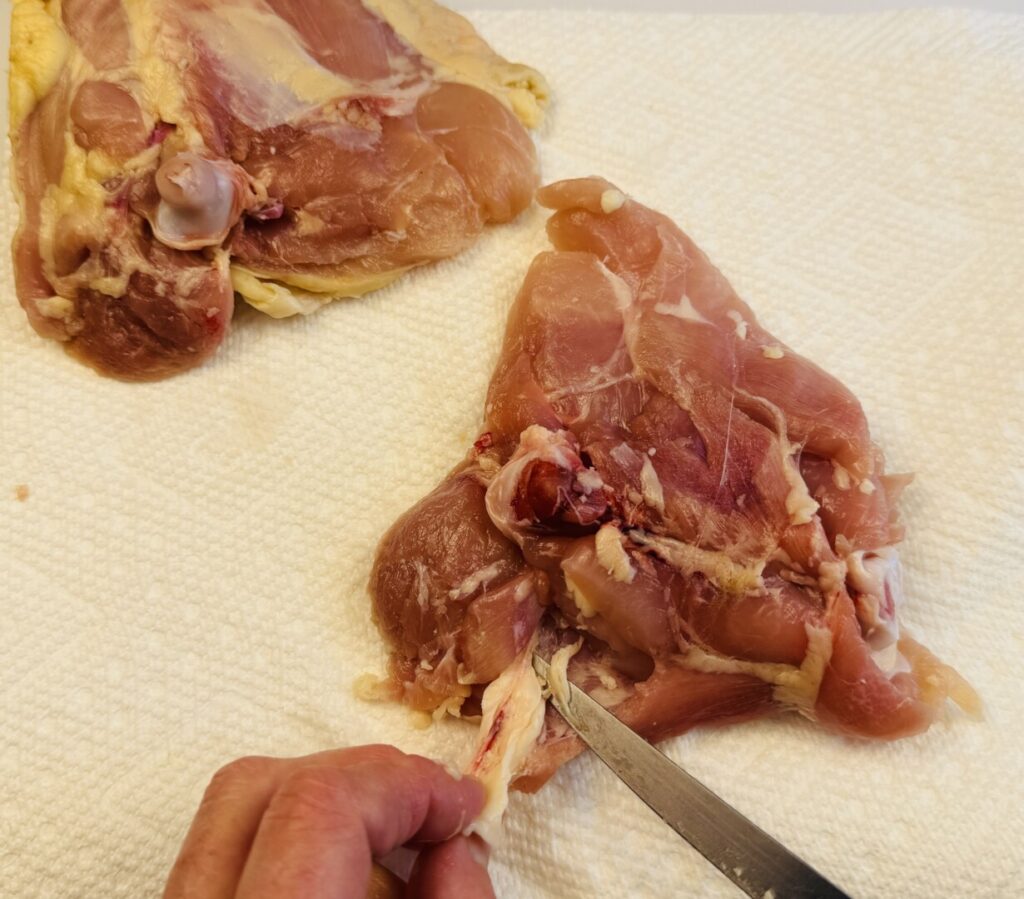
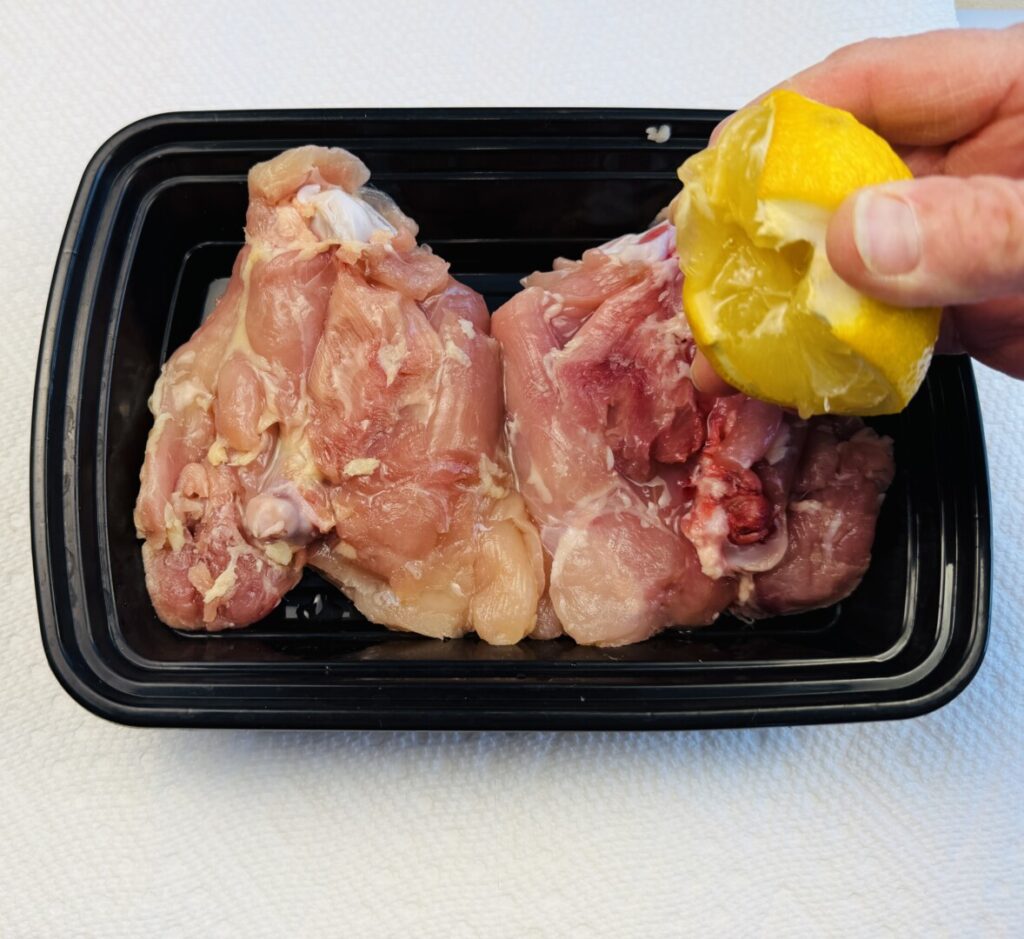
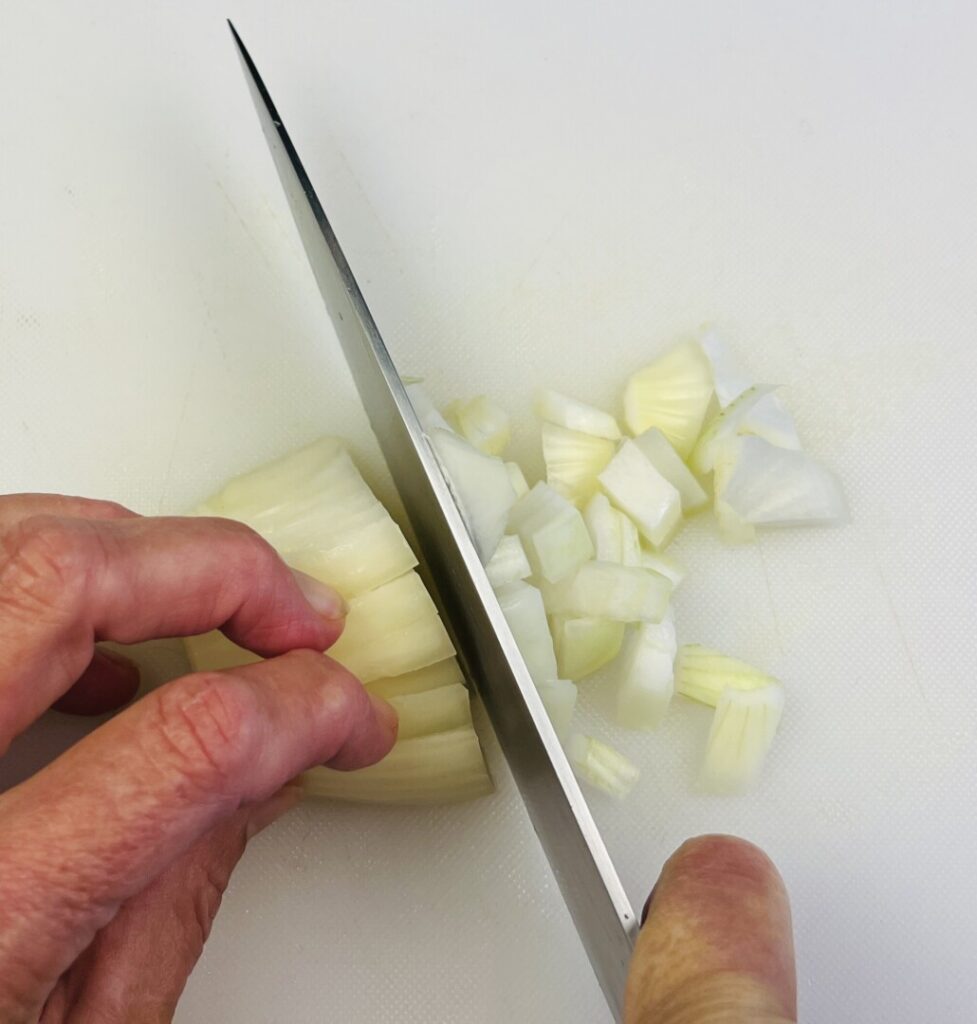
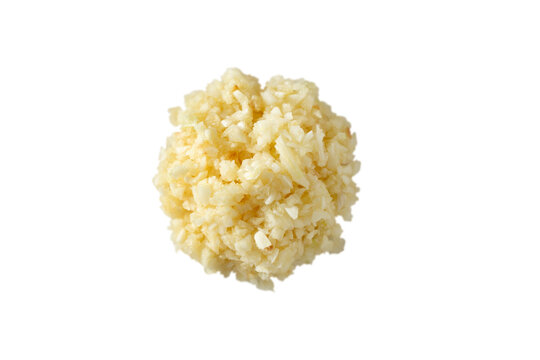
Vegetables play several roles in this recipe. Chopped onion, as well as minced fresh ginger and garlic, form the aromatic base of the peanut sauce.
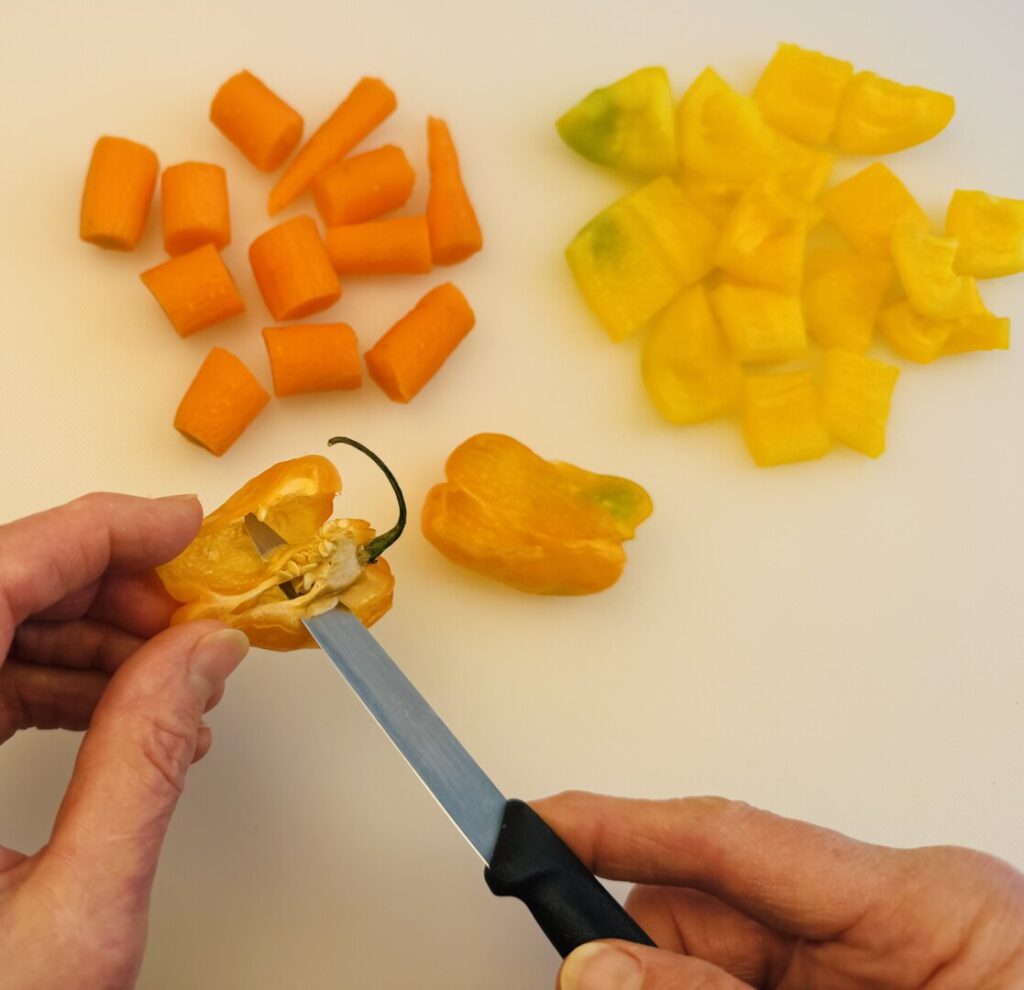
Carrot cylinders and yellow bell pepper squares comprise what chefs call the stew’s “internal garnish:” vegetables added to the sauce to complement the protein with color, texture, flavor, and nutrients.
Chiles add flavor and a spicy-hot kick to this dish. Both Habanero and Scotch bonnet chiles are super hot! Unless you like truly fiery food, the best way to use these chiles is to infuse a little of their flavor into the sauce rather than chopping them up and adding them. Cut the chile in half lengthwise, and then remove the stem, seeds, and veins. If you have sensitive skin, or are unused to working with chiles, wear foodservice gloves for this task. You’ll use the chile halves like bay leaves: allow them to simmer in the sauce, but then remove them before serving. (Heat-loving show-offs may want to nibble on the halves, but make sure that no one eats them by mistake.) If you prefer a milder chile, de-seed and chop a jalapeño, and add it to the sauce.
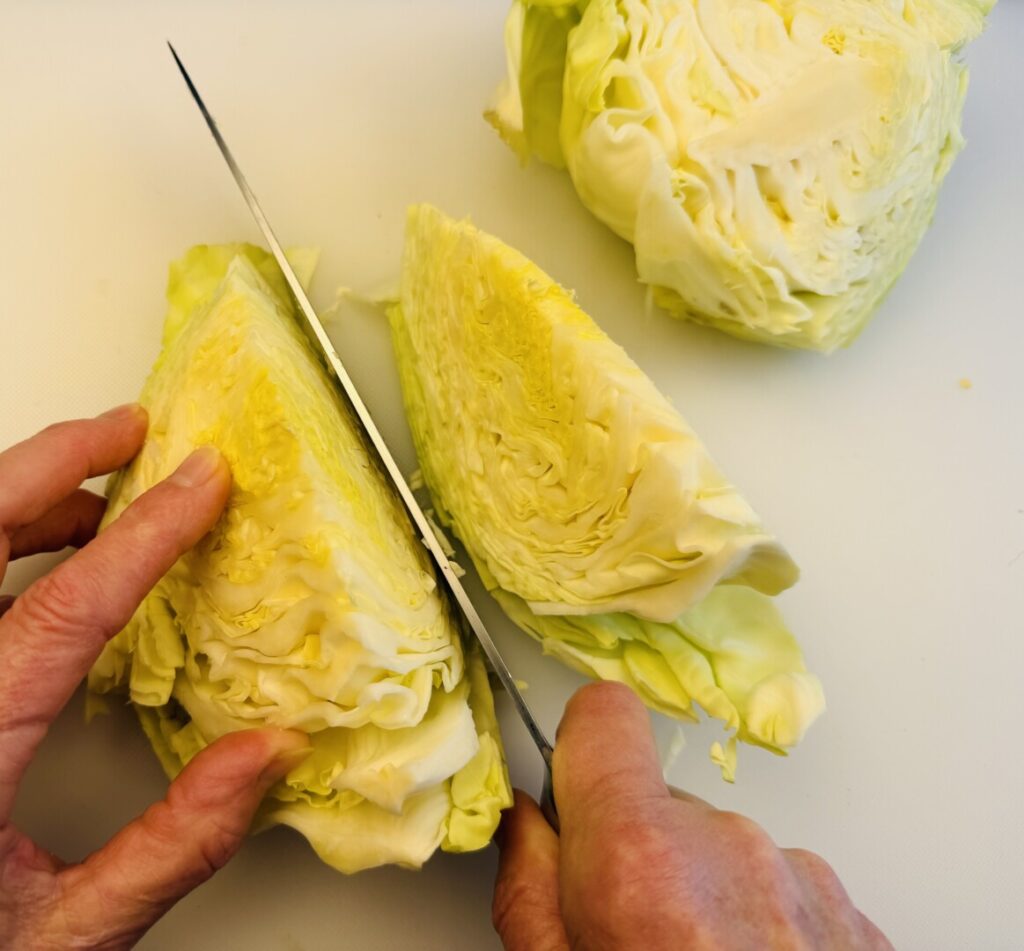
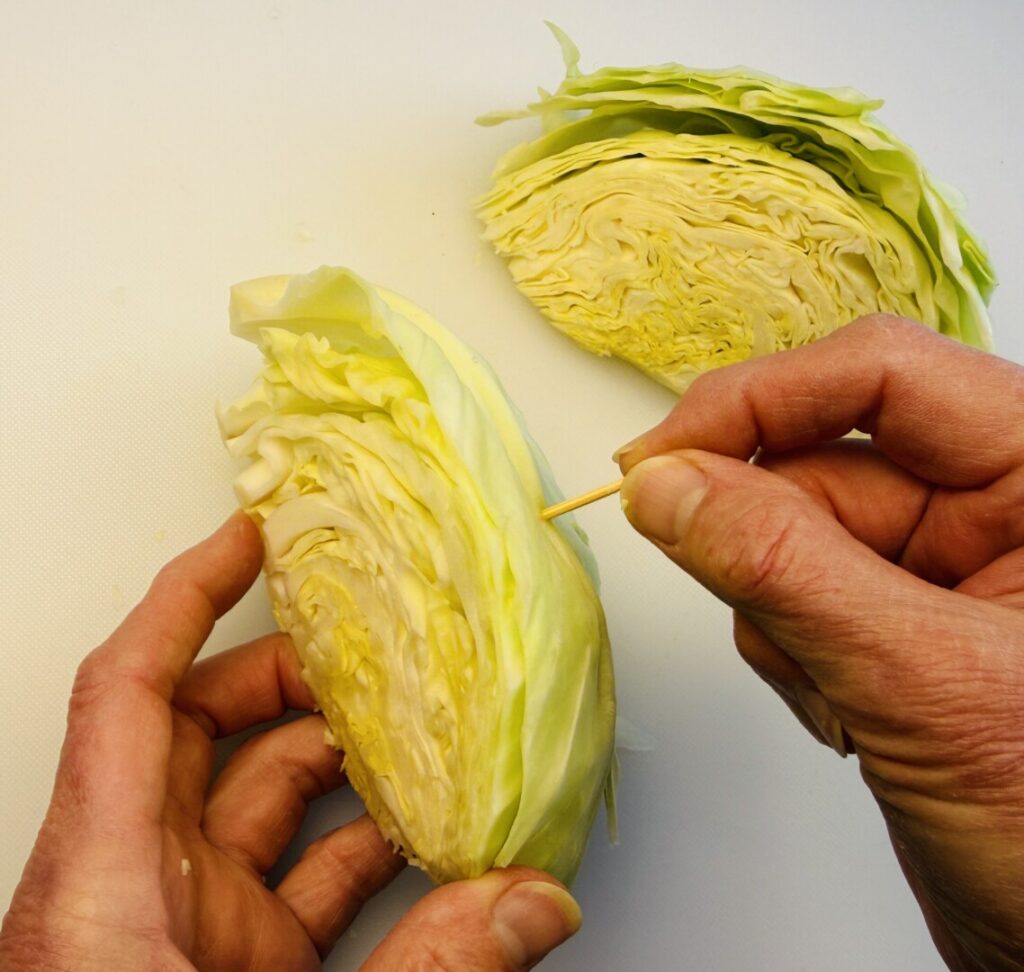
Braised cabbage constitutes your vegetable side dish. Serving cabbage in wedges makes an attractive presentation. To keep their shape, secure the wedges together with food picks—but don’t forget to take them out before serving.
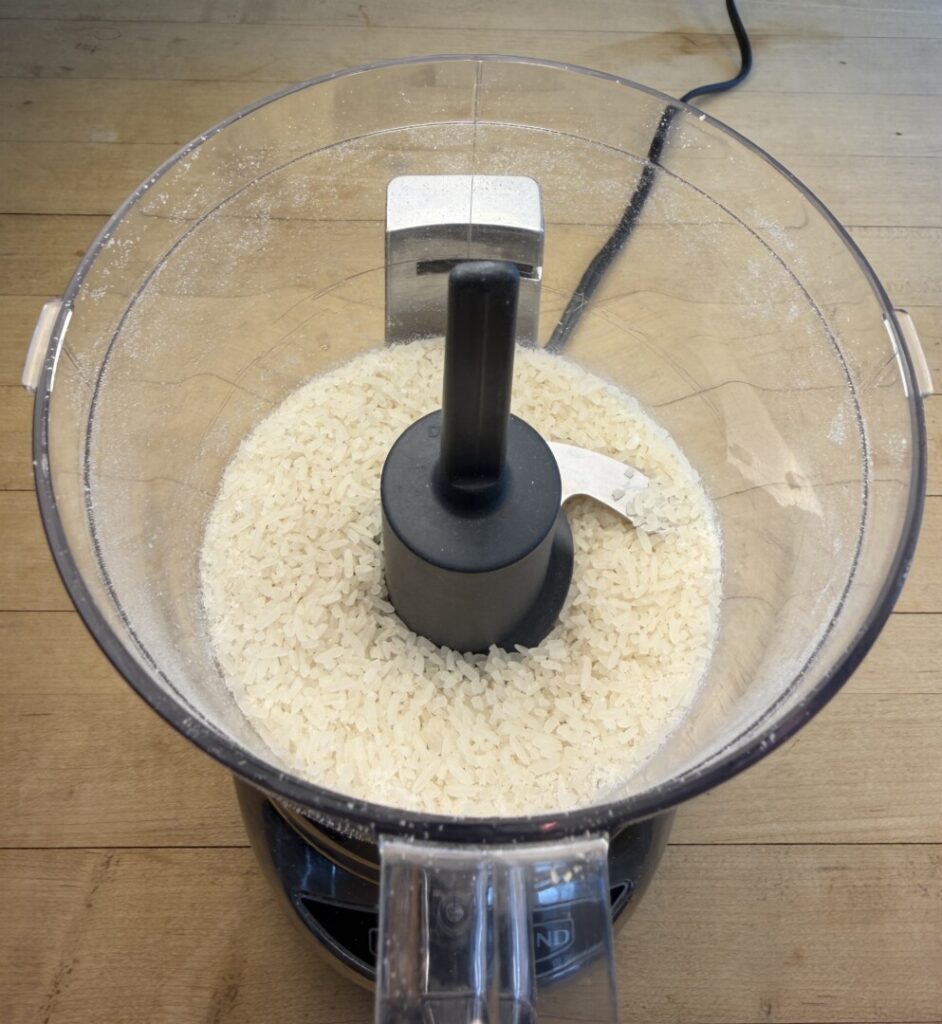
If you’re making your own broken rice, place the dry raw rice in a food processor fitted with the steel blade. Begin processing cautiously; different brands and/or production batches of jasmine rice have varying textures. Start by pulsing on and off. If the rice resists breaking, leave the processor on to grind steadily for a few seconds, then turn off and inspect the rice. Repeat this until most, but not all, of the grains are broken roughly in half. Don’t over-process the rice into a powder.
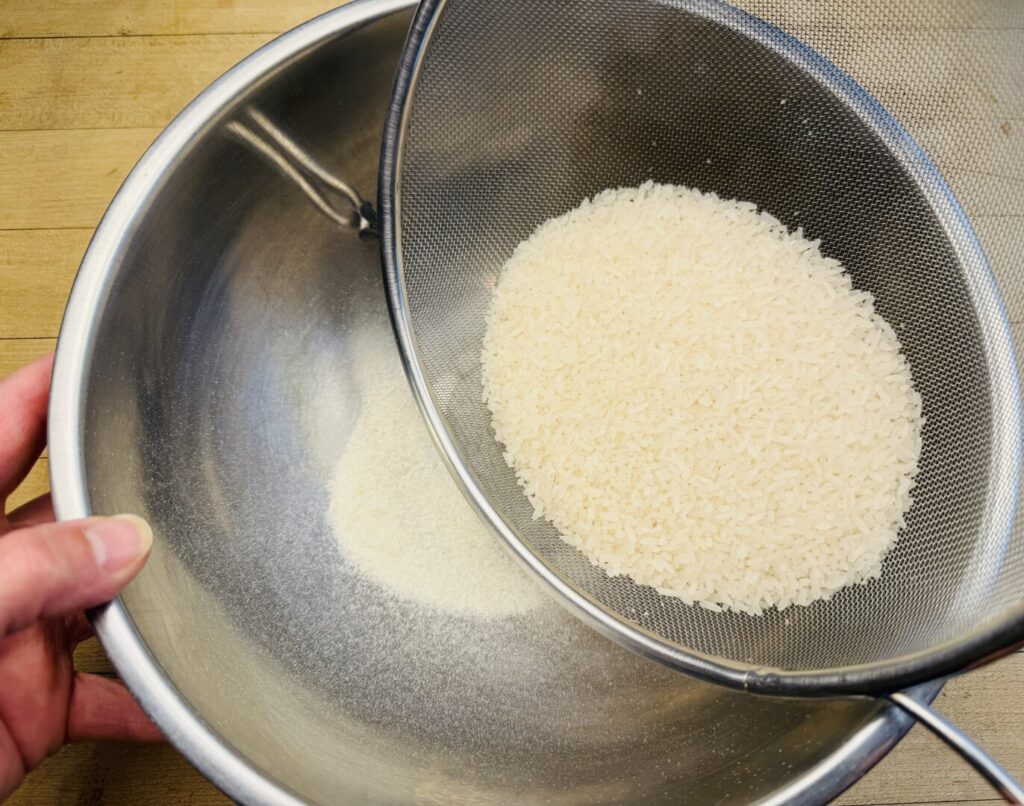
Place the rice in a strainer and shake vigorously to remove the rice “dust” that results from grinding. This is essential to prevent sticky, gluey cooked rice.
Assemble the remaining ingredients, and your prep is complete. Here’s your mise tray:
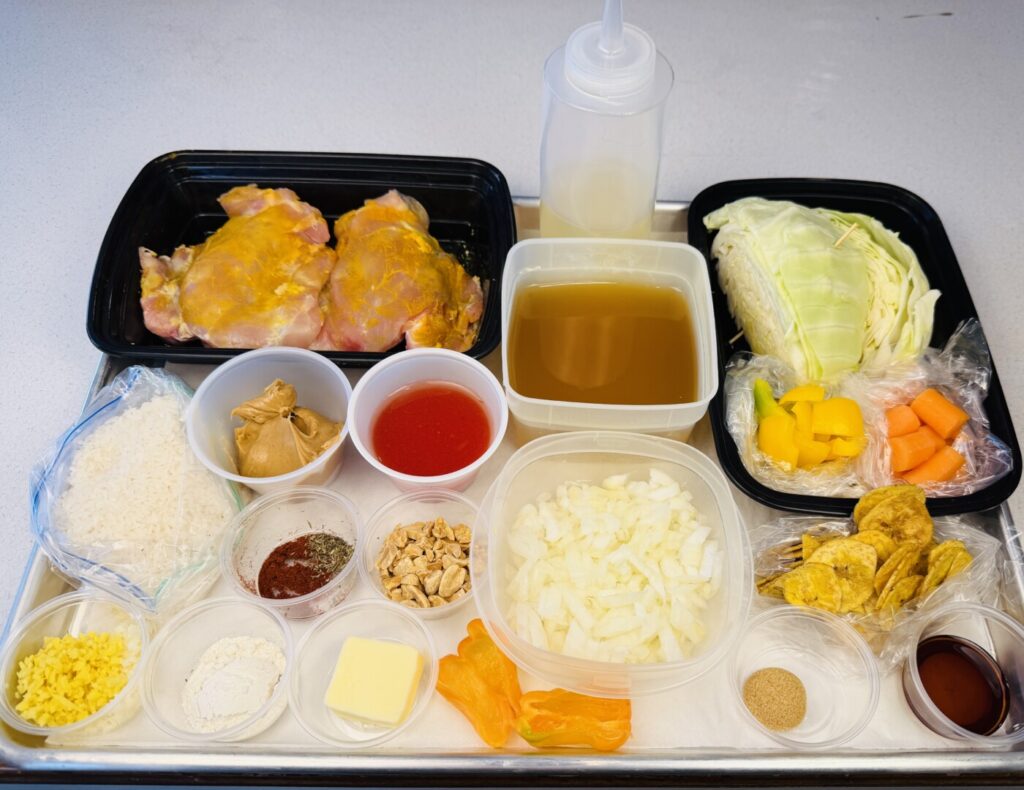
It’s dinnertime—let’s COOK!
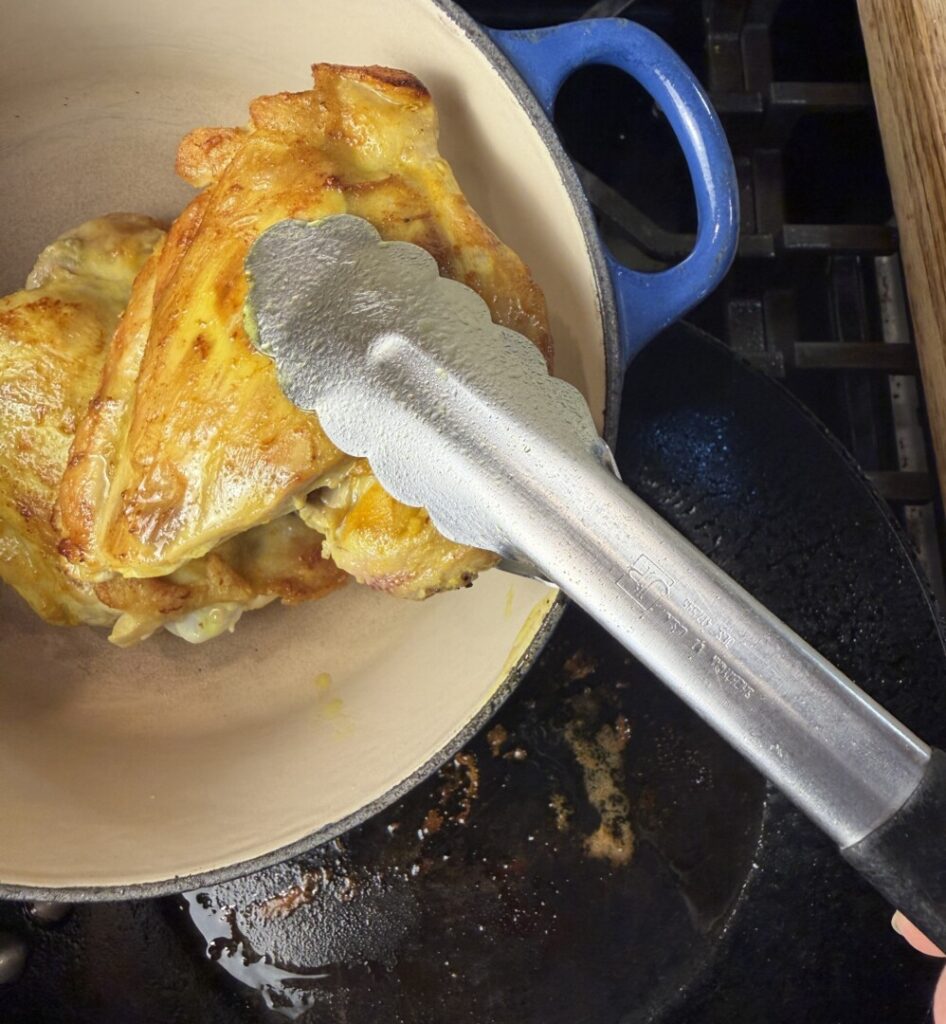
First, brown the chicken. A carbon steel sauté pan works best for achieving a golden-brown crust, but no matter what type pan you use, heat the pan first and then add the oil. Add the chicken with the rounded presentation side down. Sauté undisturbed until a crust forms and the chicken releases from the pan. Turn over, and brown the other side. The chicken will still be raw inside. Transfer it to a Dutch oven or casserole.

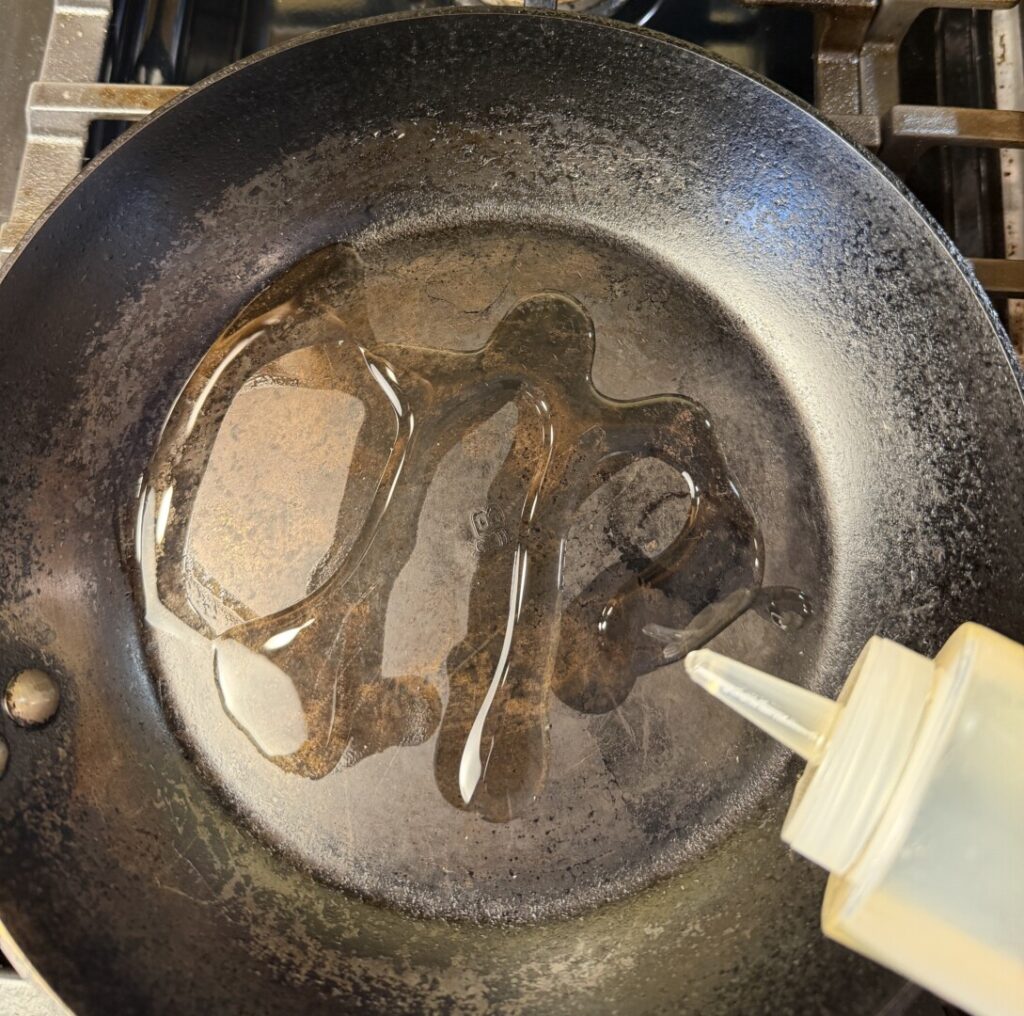
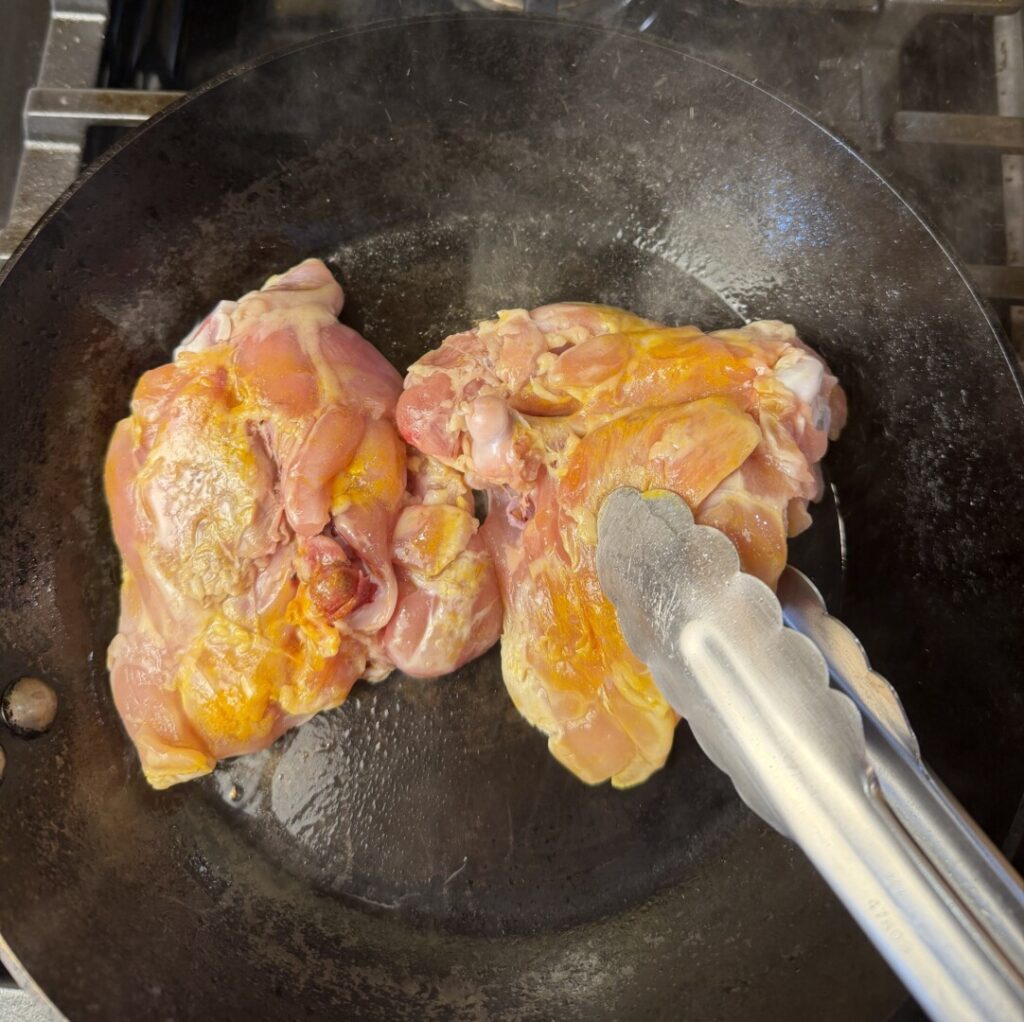
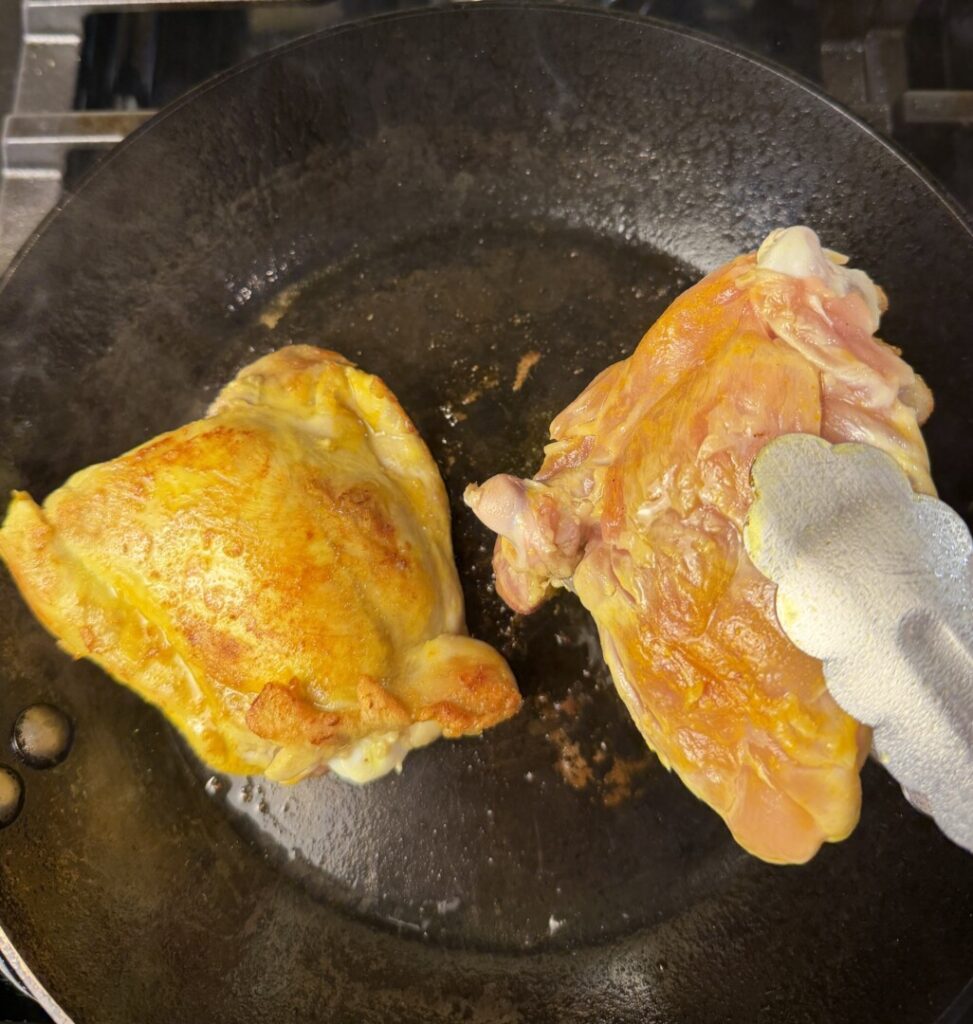
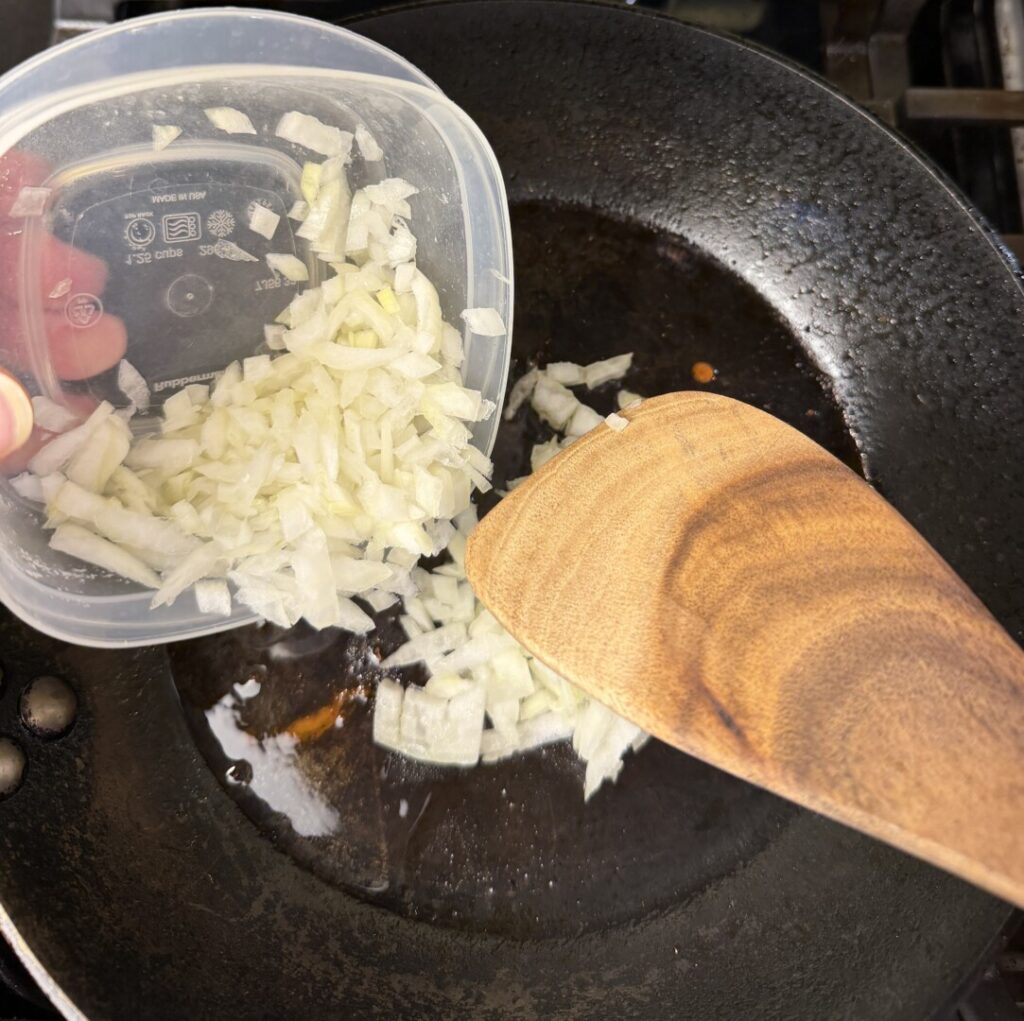
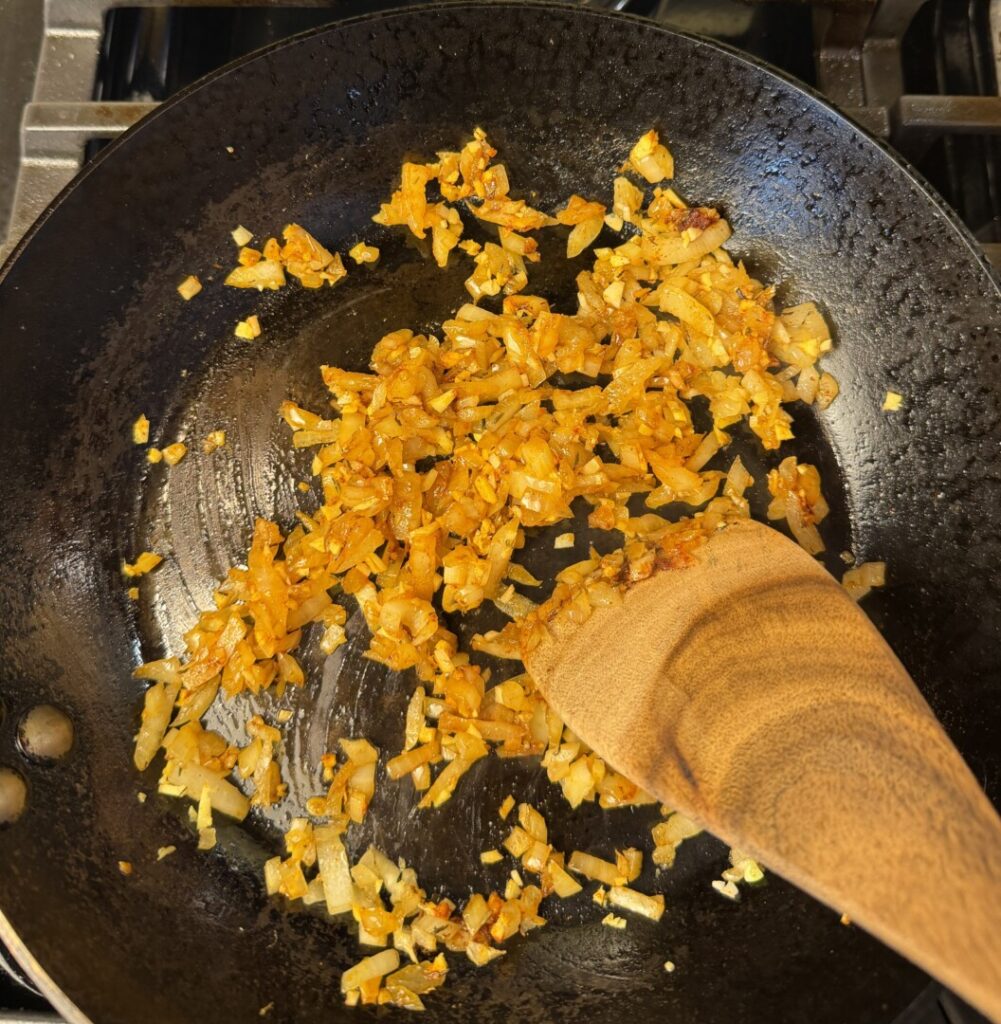
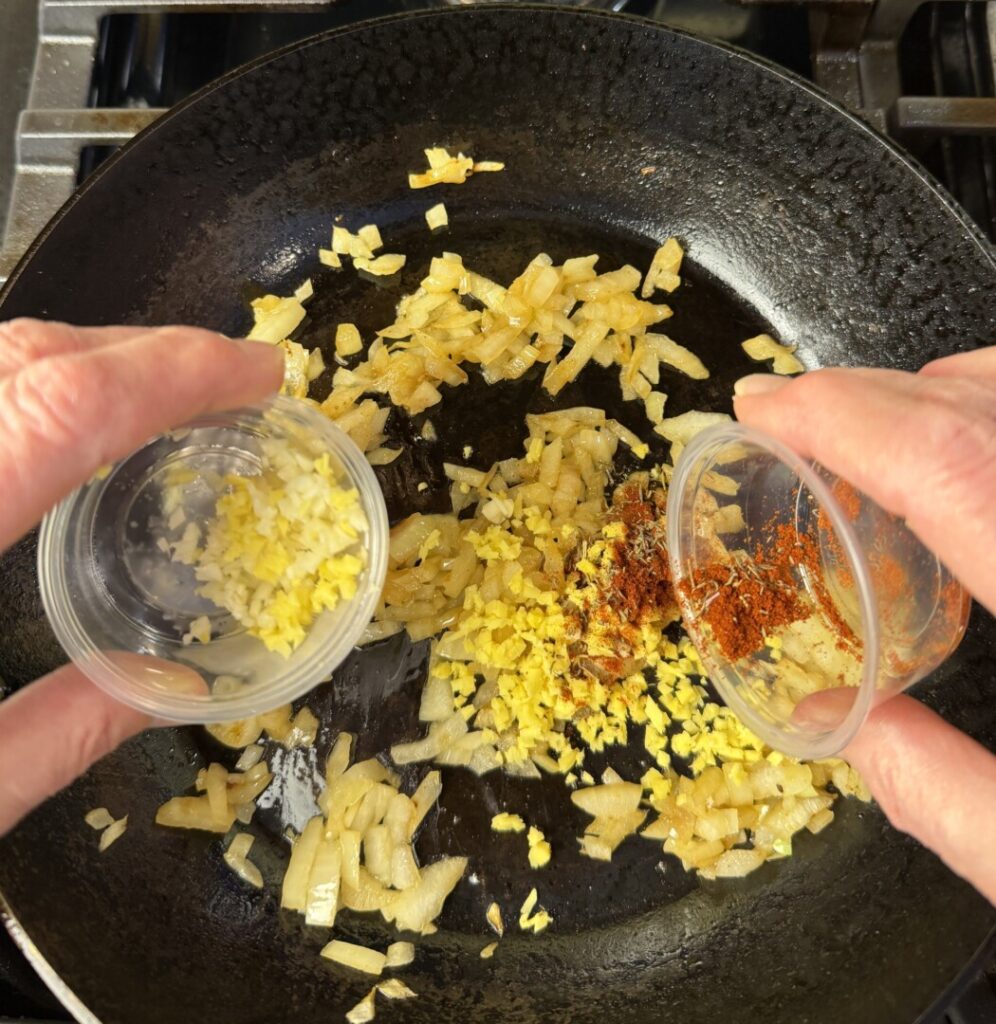
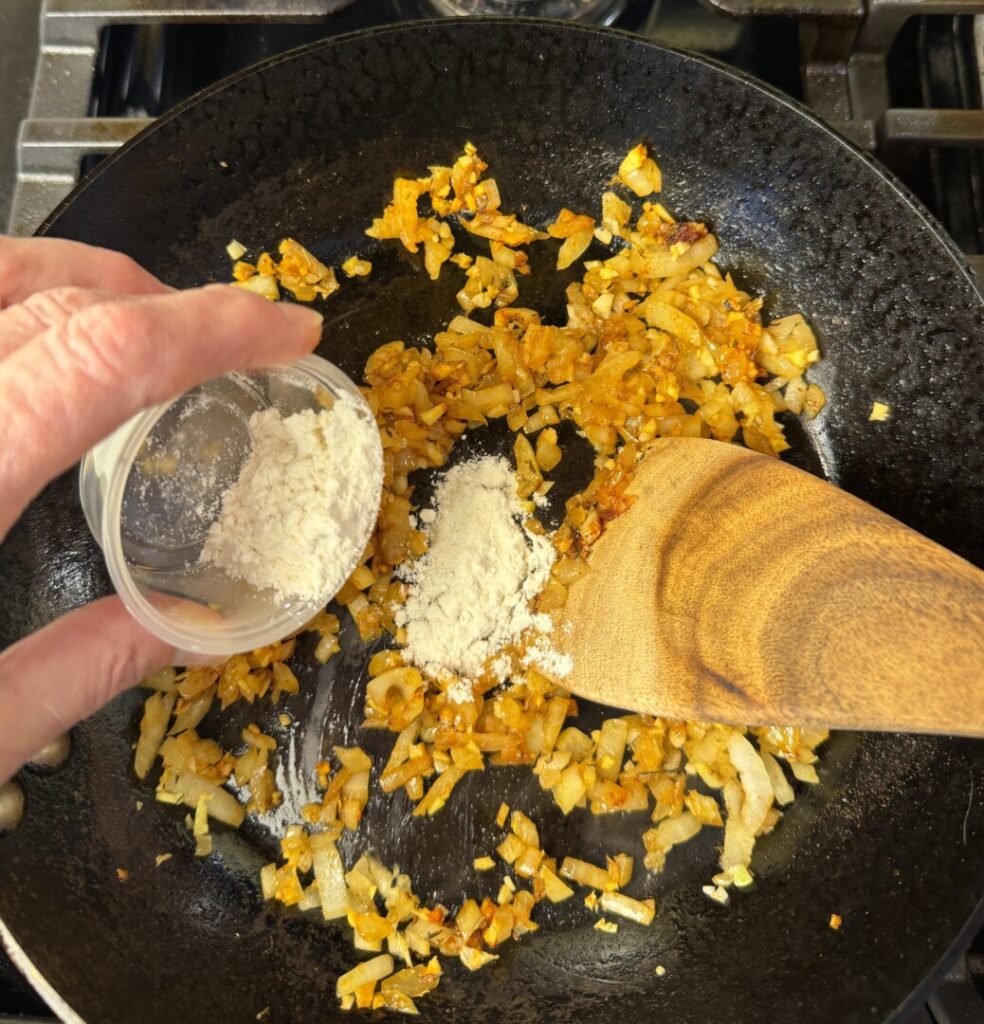
Now, start building the sauce. Squeeze in a little more oil and then add the onions. Sauté golden brown and then add the garlic and seasonings. Stir in the flour and sauté a few seconds longer to create a roux.
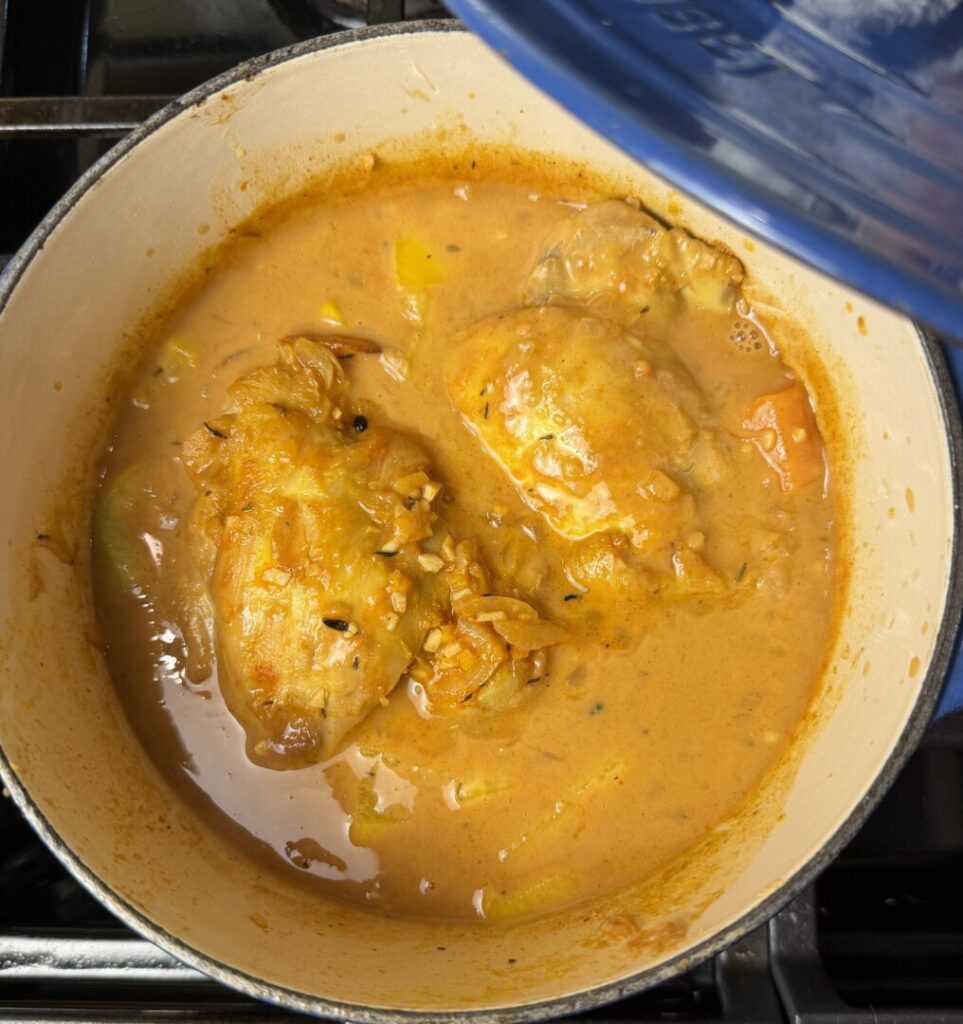
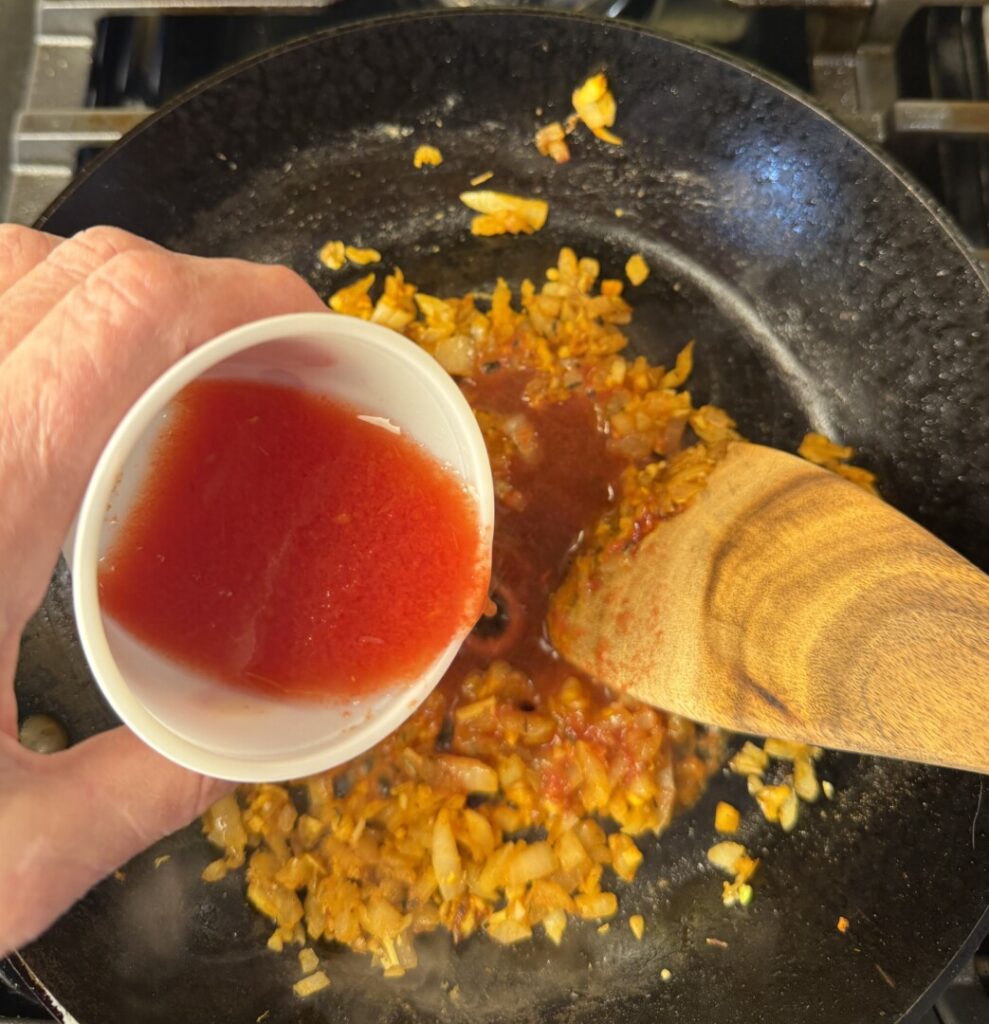
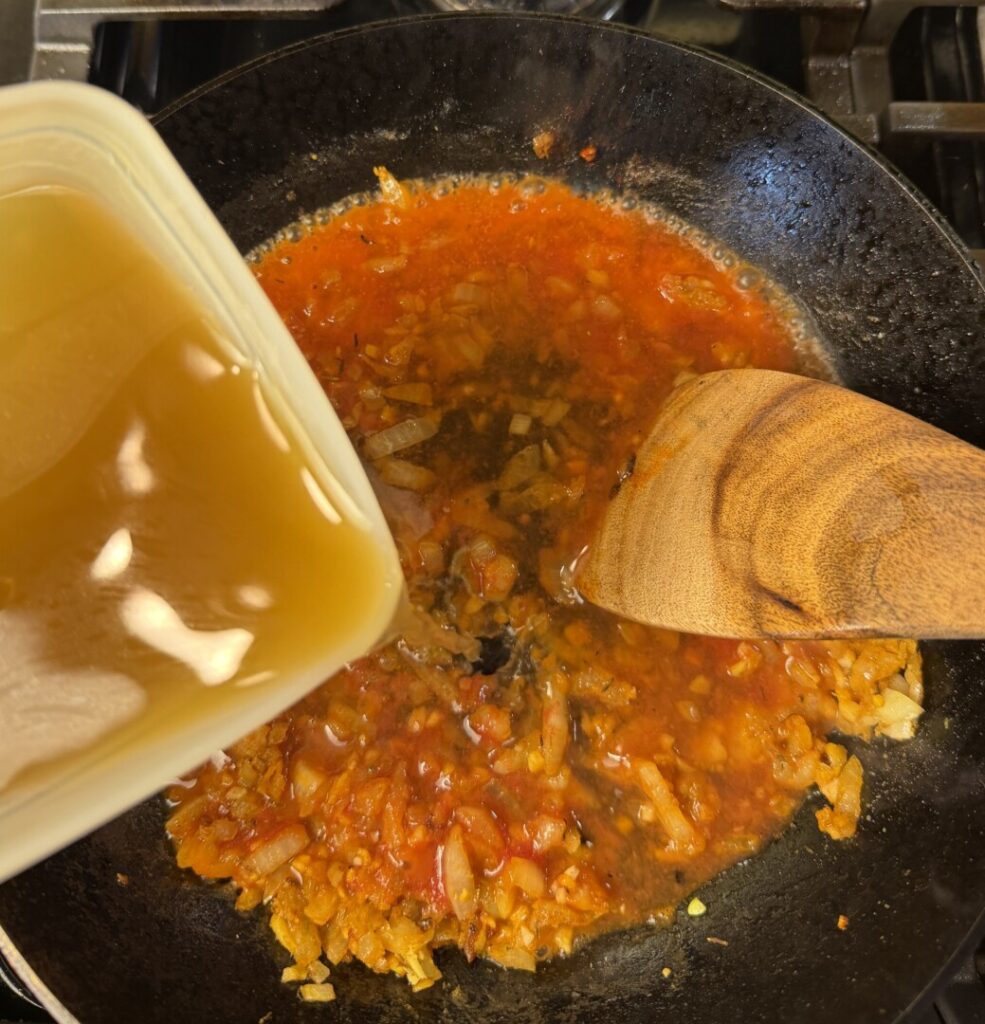
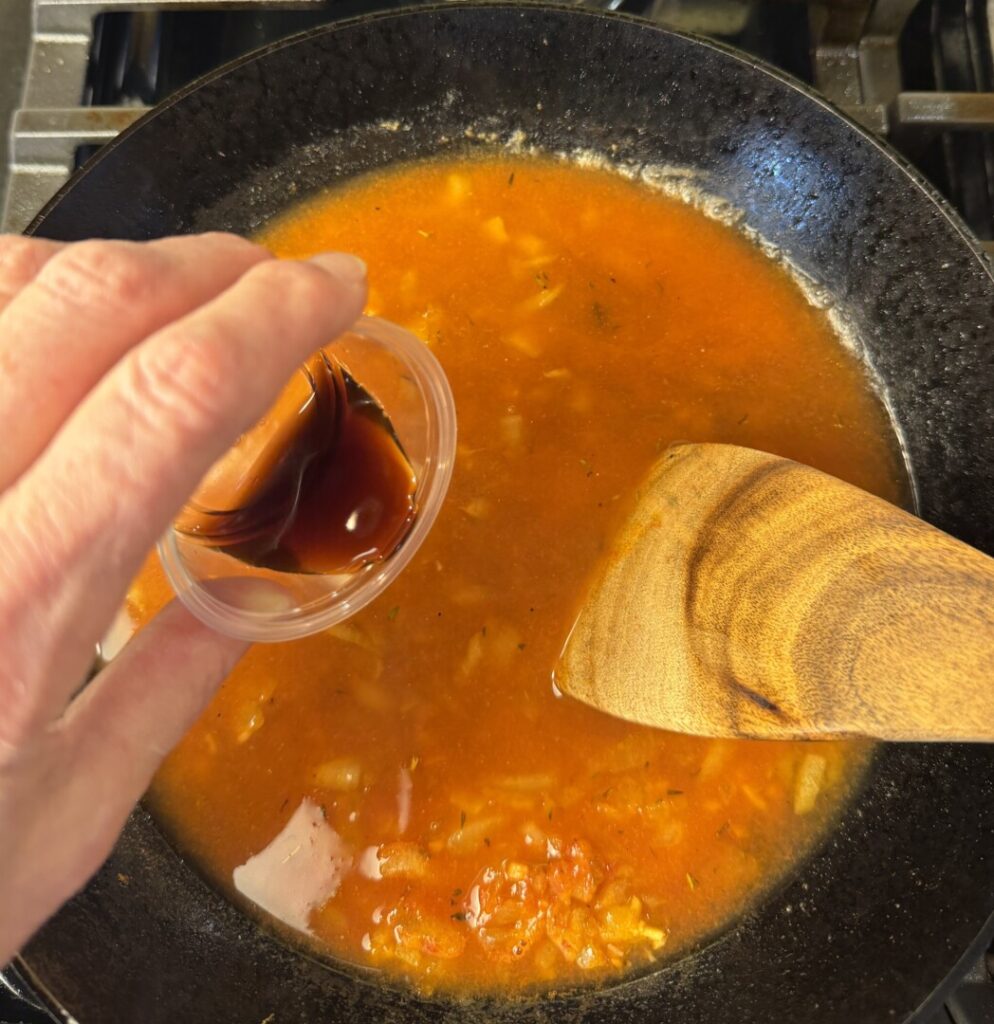
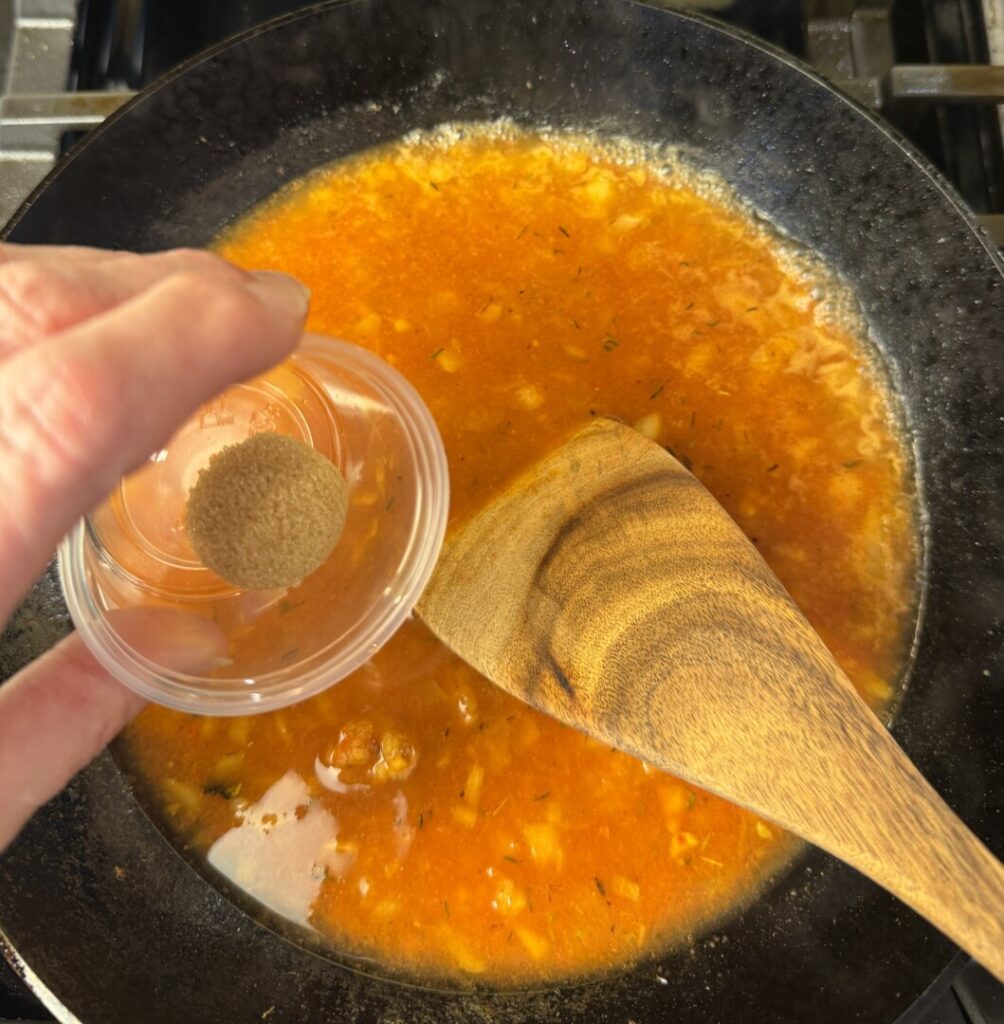
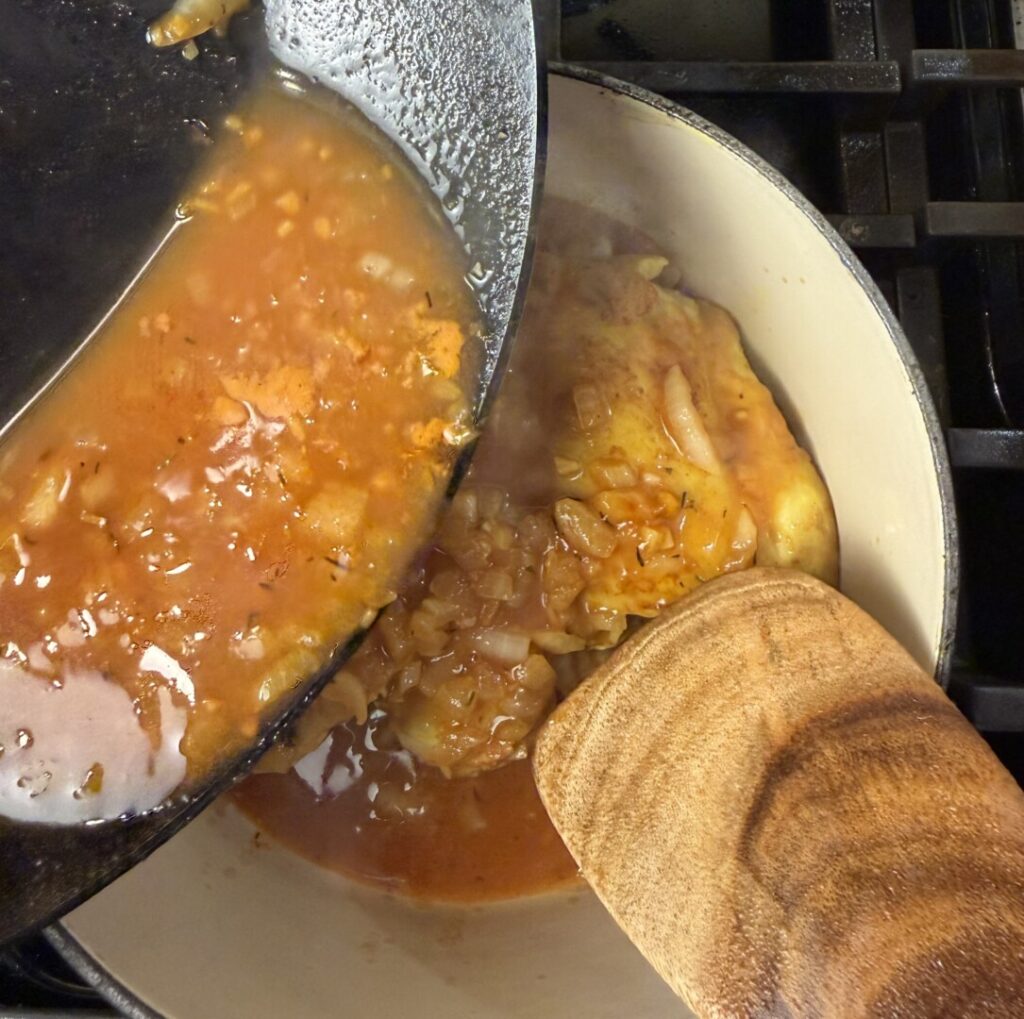
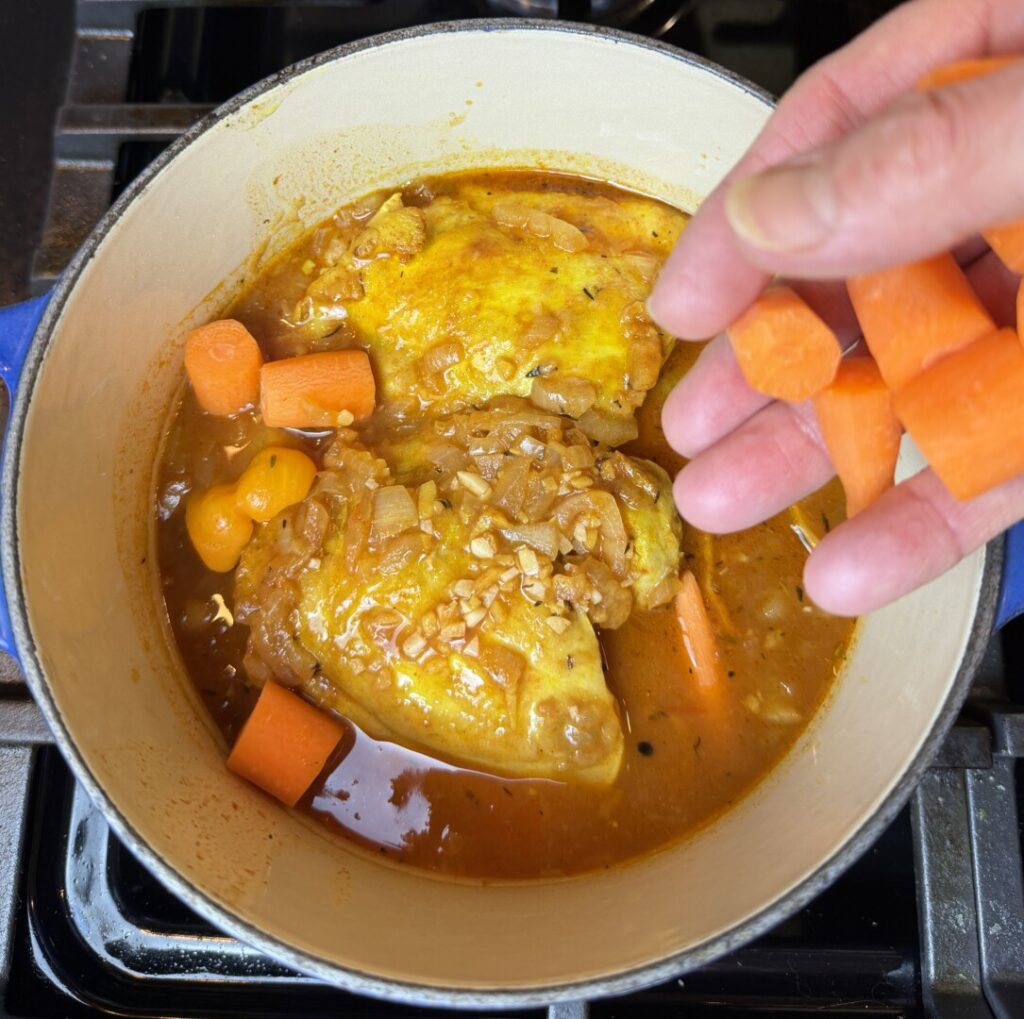
Now add the liquid ingredients. Stir in the tomato purée, stock, soy, Maggi, fish sauce and brown sugar. Bring to the simmer and season with a little salt. (You don’t want to add the peanut butter at this stage of cooking because overheating it will cause it to “break,” releasing the peanut oil out of emulsion and making the sauce oily and grainy.) Pour the sauce over the chicken and then add the chile and carrots. Cover the Dutch oven and transfer it to the preheated oven. Cook for about 20 minutes.
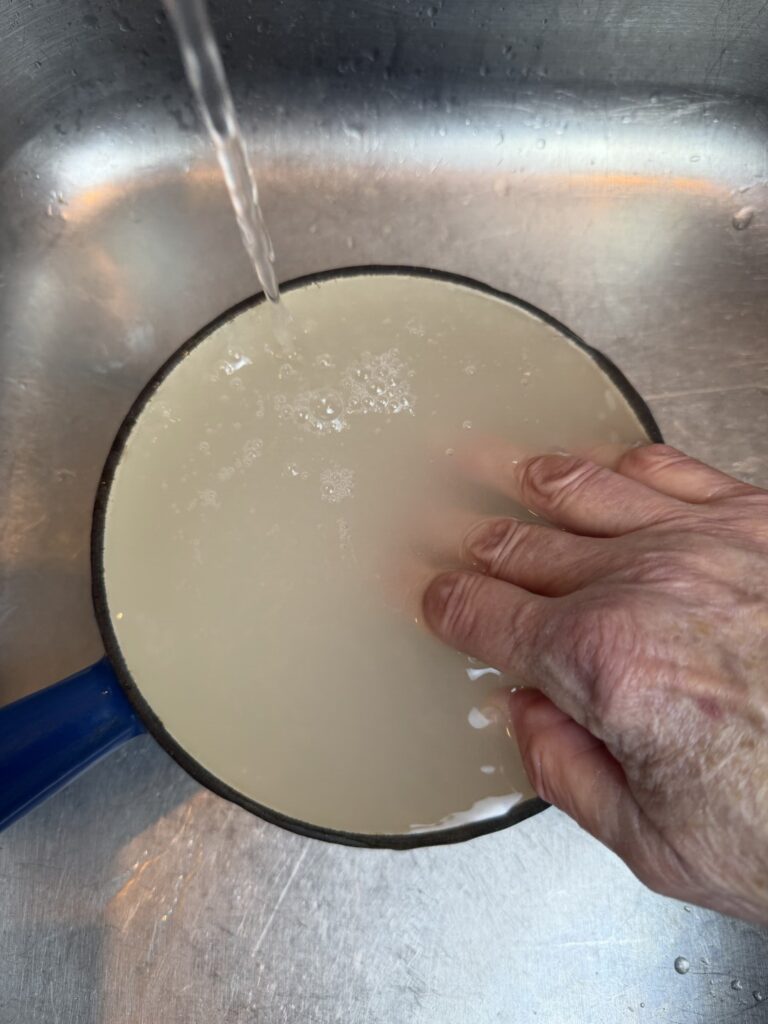
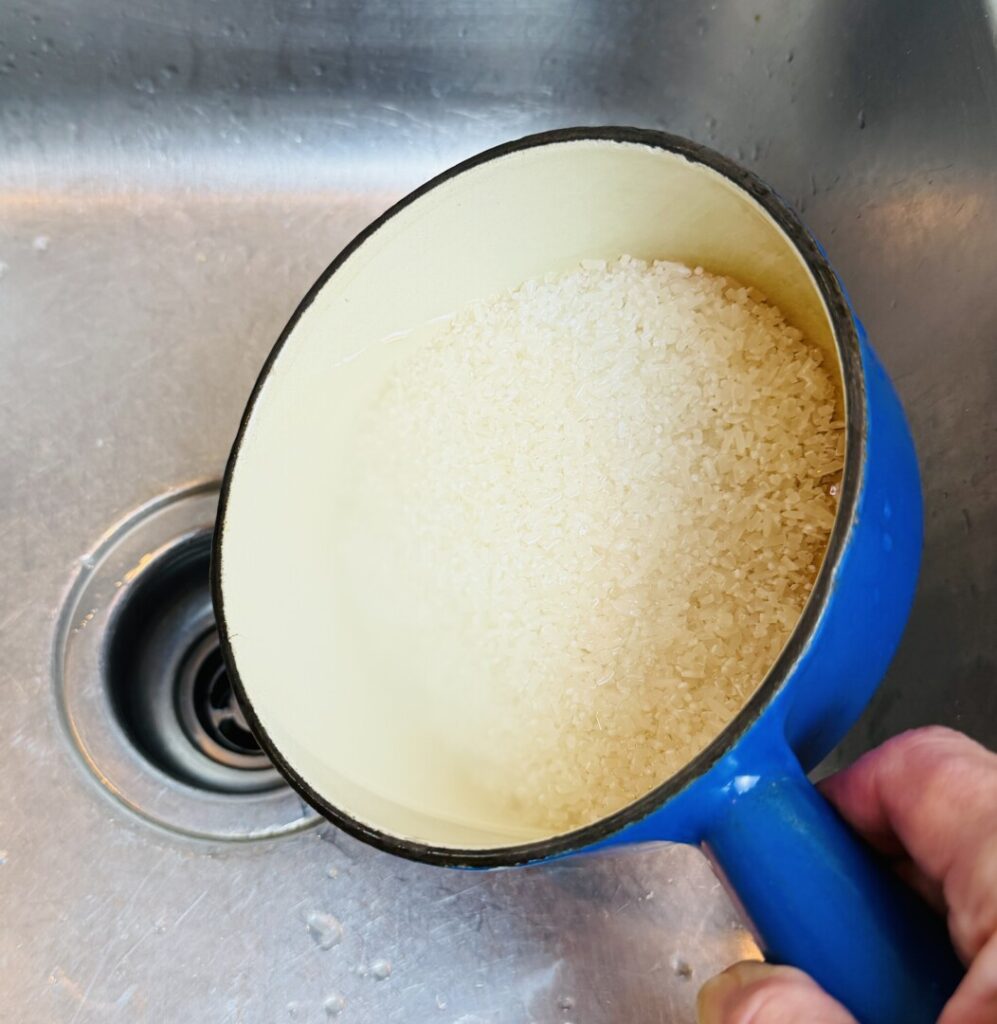
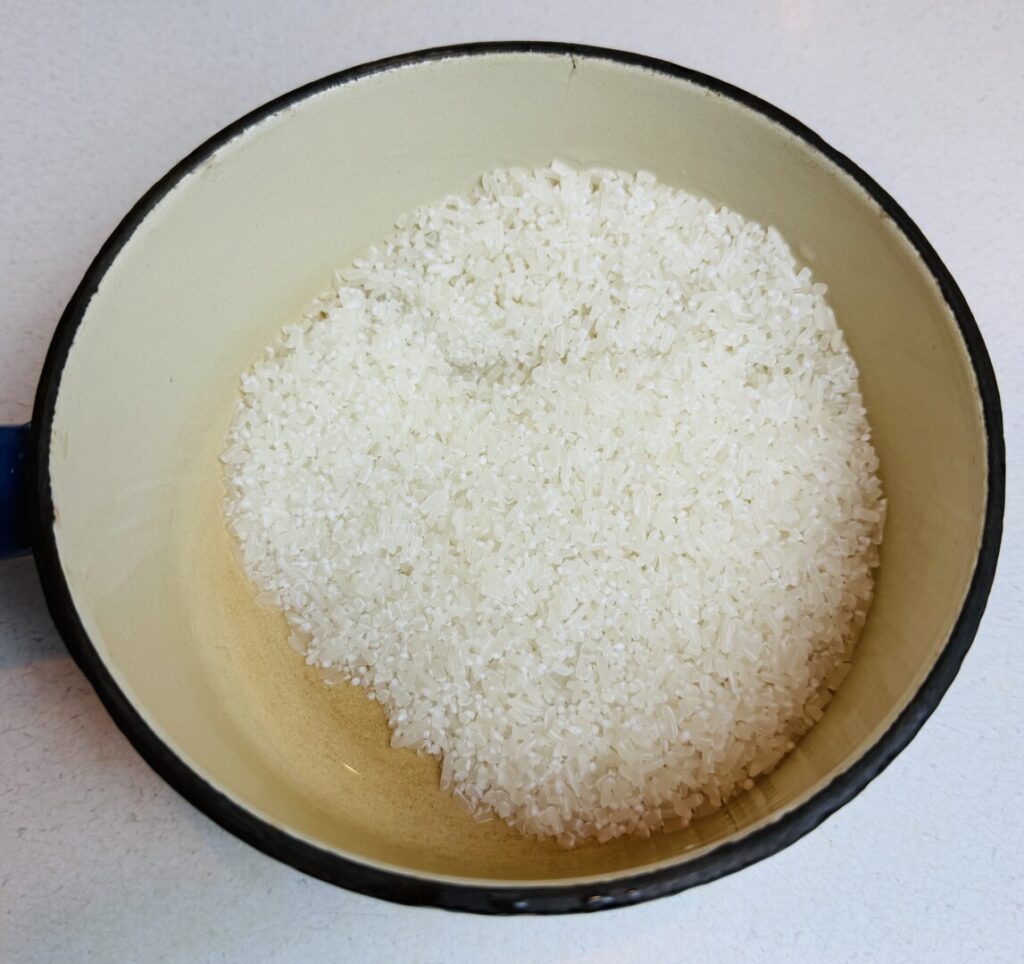
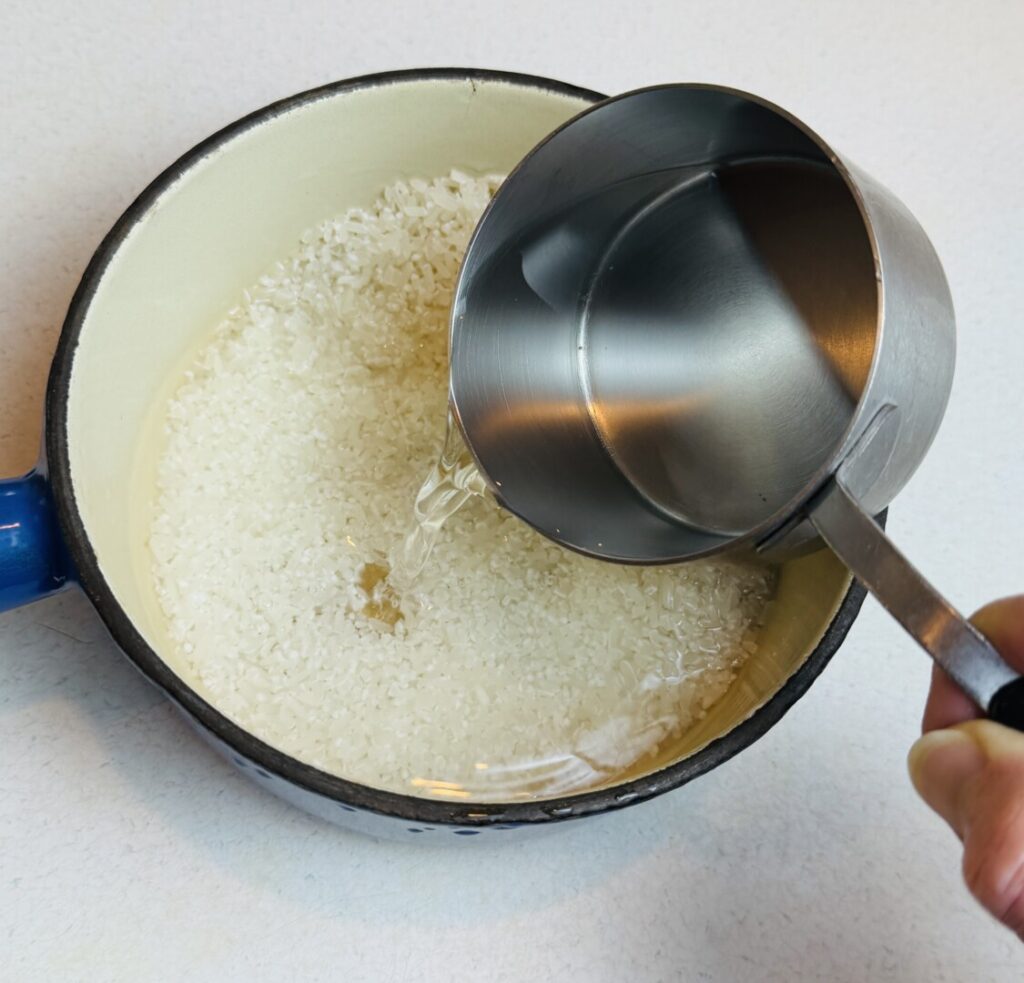
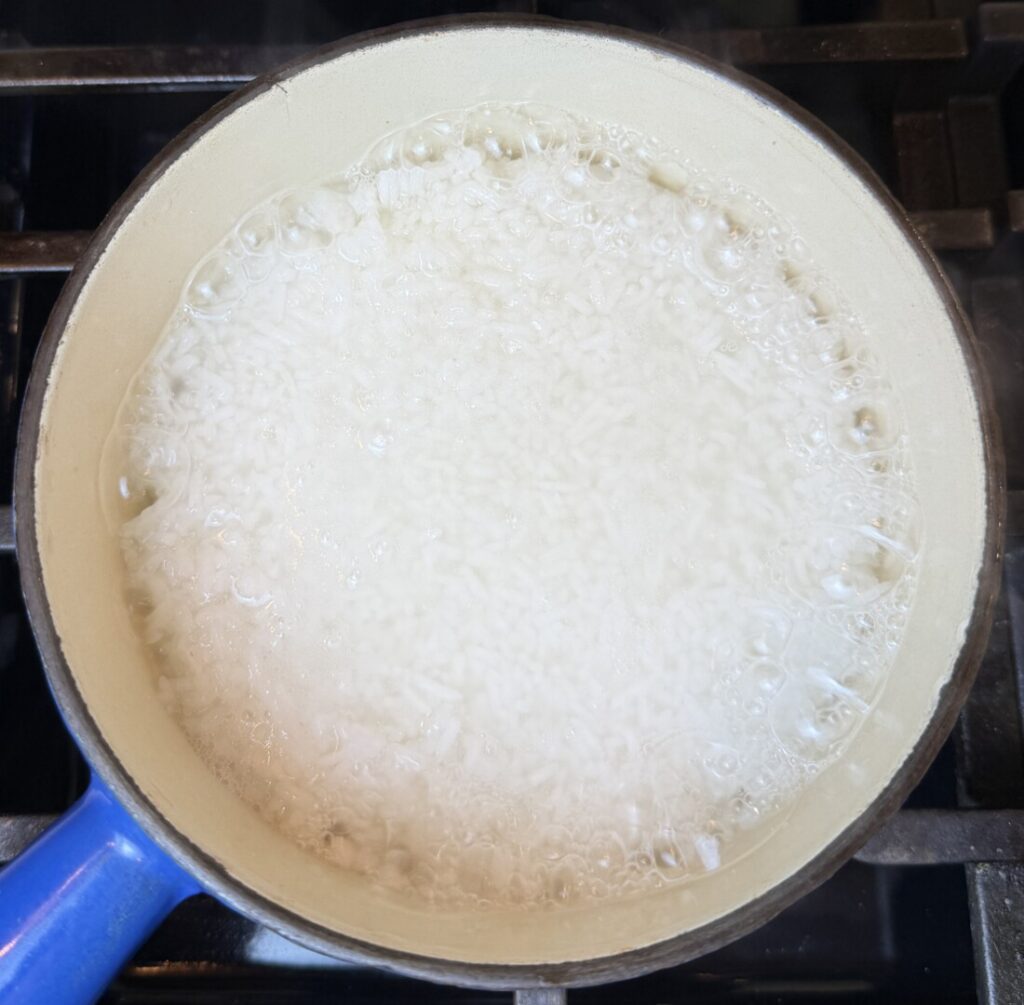
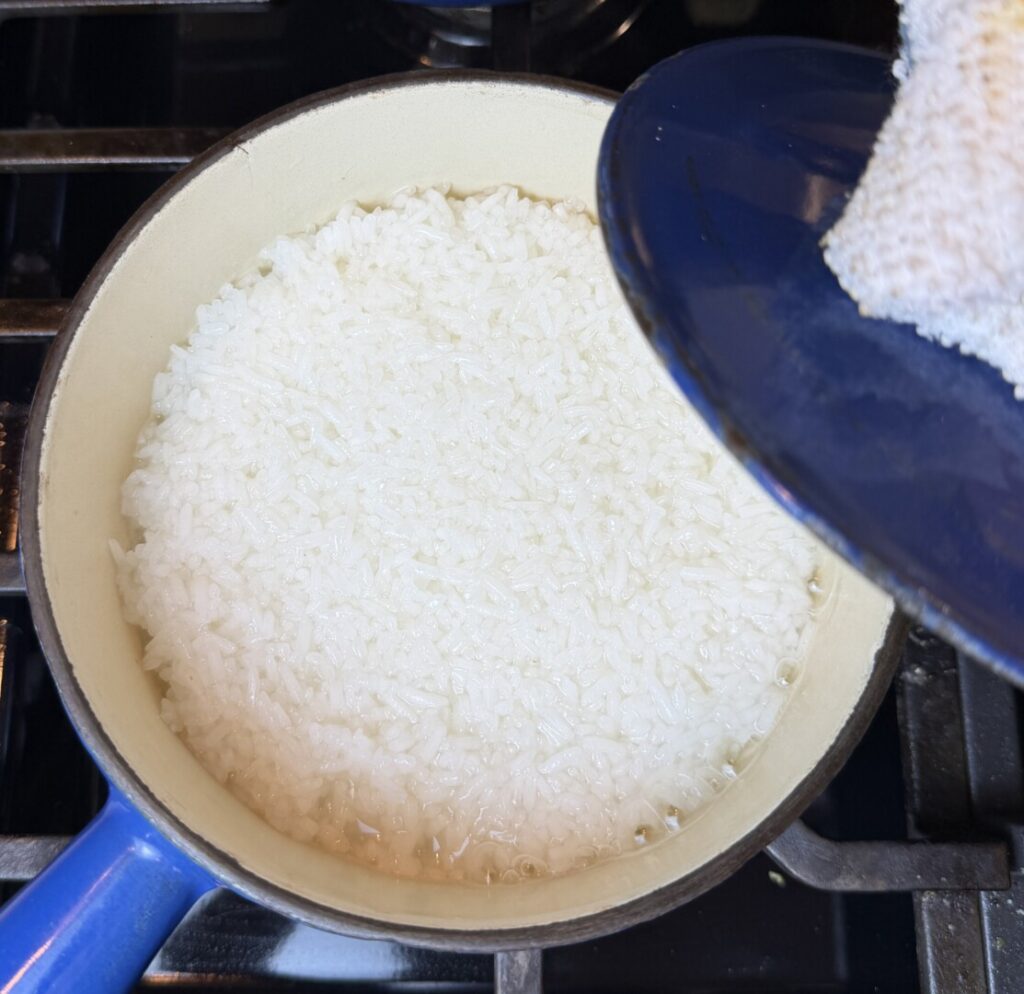
Broken jasmine rice requires no preliminary soaking and cooks quickly. First, even if using a commercially-prepared product, wash away any residual “dust” remaining after grinding and sifting. Place the rice in a heavy saucepan with a capacity of about 4 times the original volume of dry rice you’re starting with. Rinse under cool running water, swishing with your hand, until the water becomes almost clear. Avoid losing rice grains as the water flows over the edge of the pan. Drain most of the wash water off of the rice, and then add the measured water and a little salt. Cover, bring to the boil, and then simmer for about 10 minutes until the water absorbs/evaporates. Finish cooking in a preheated oven for about 10 minutes longer until the rice is moist and fluffy.
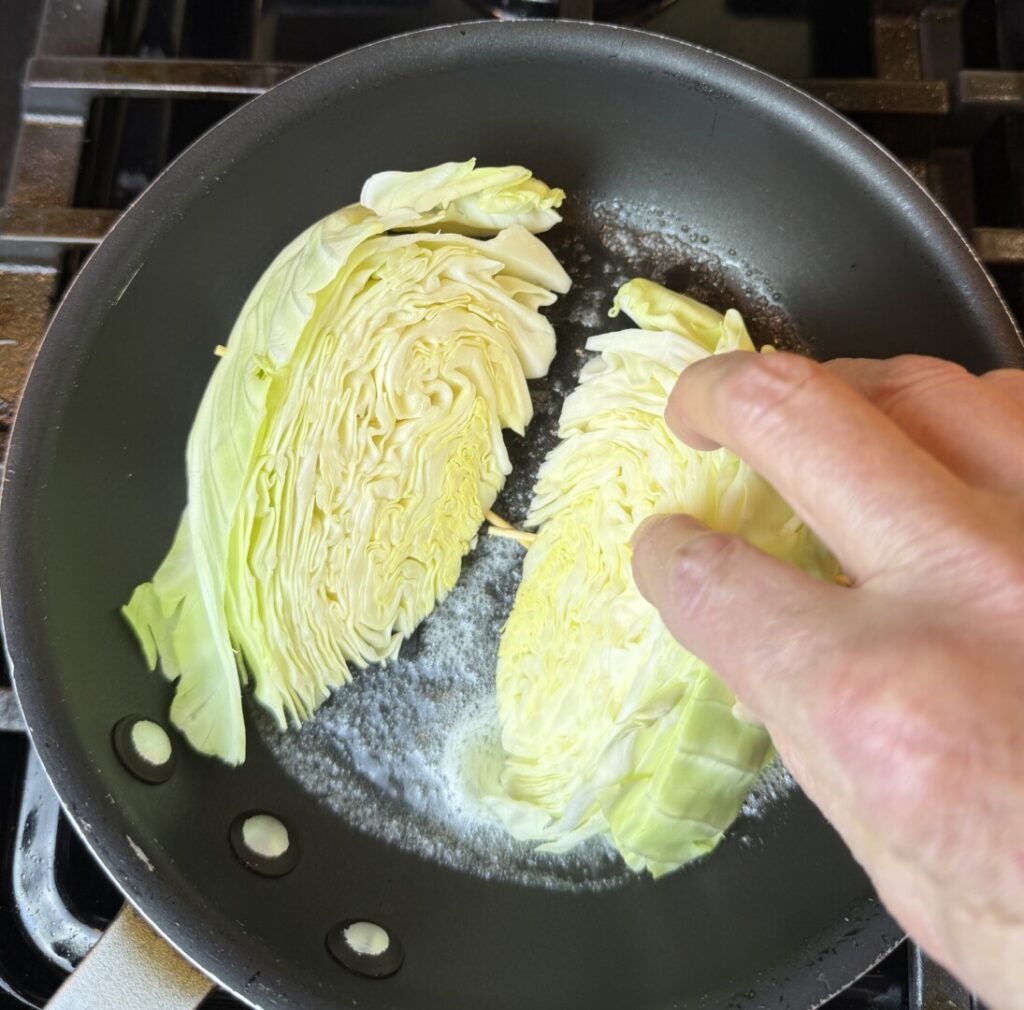
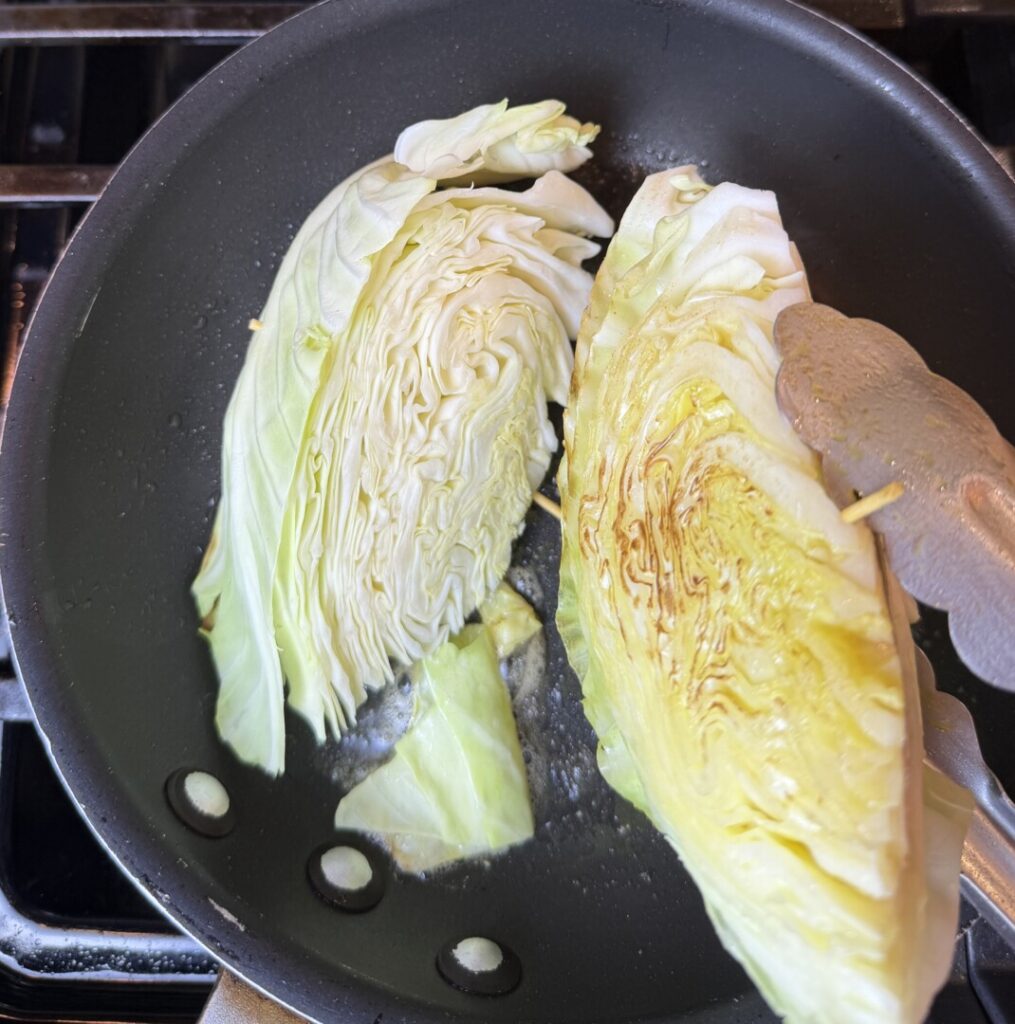
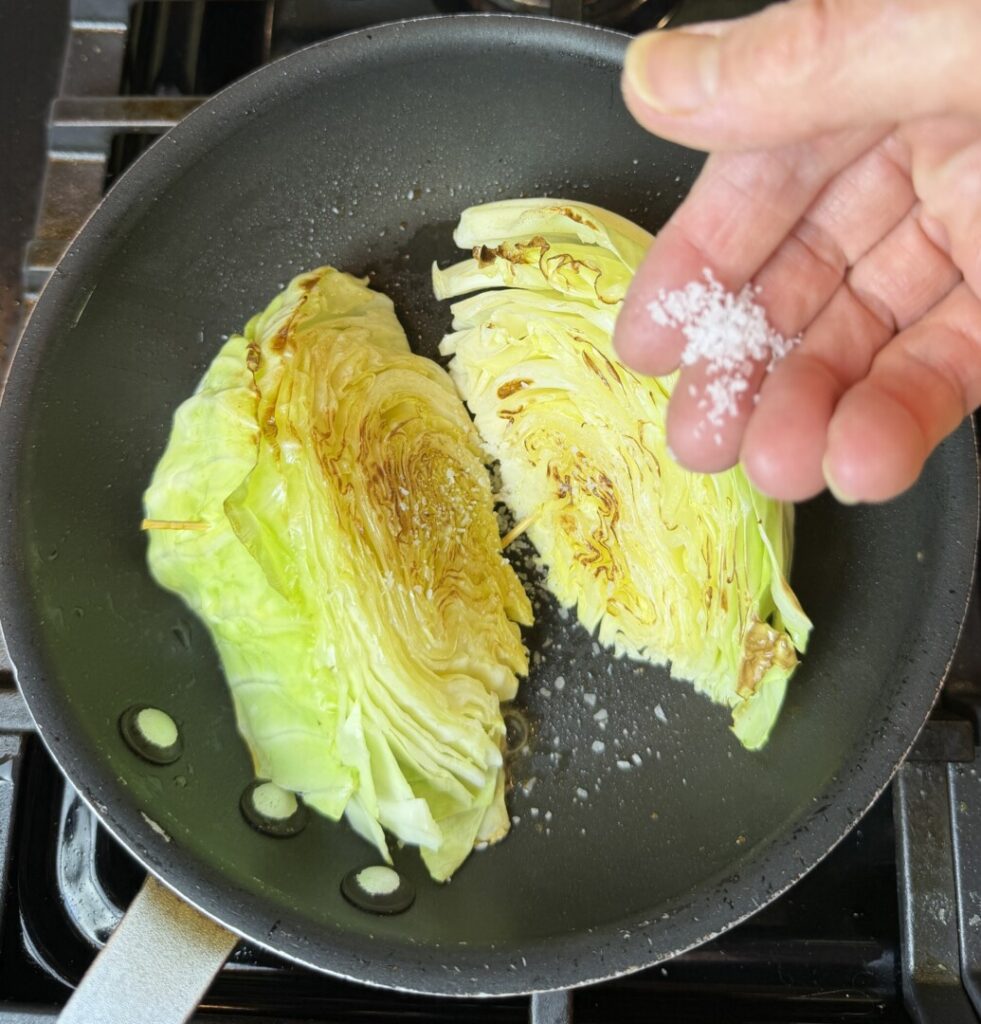
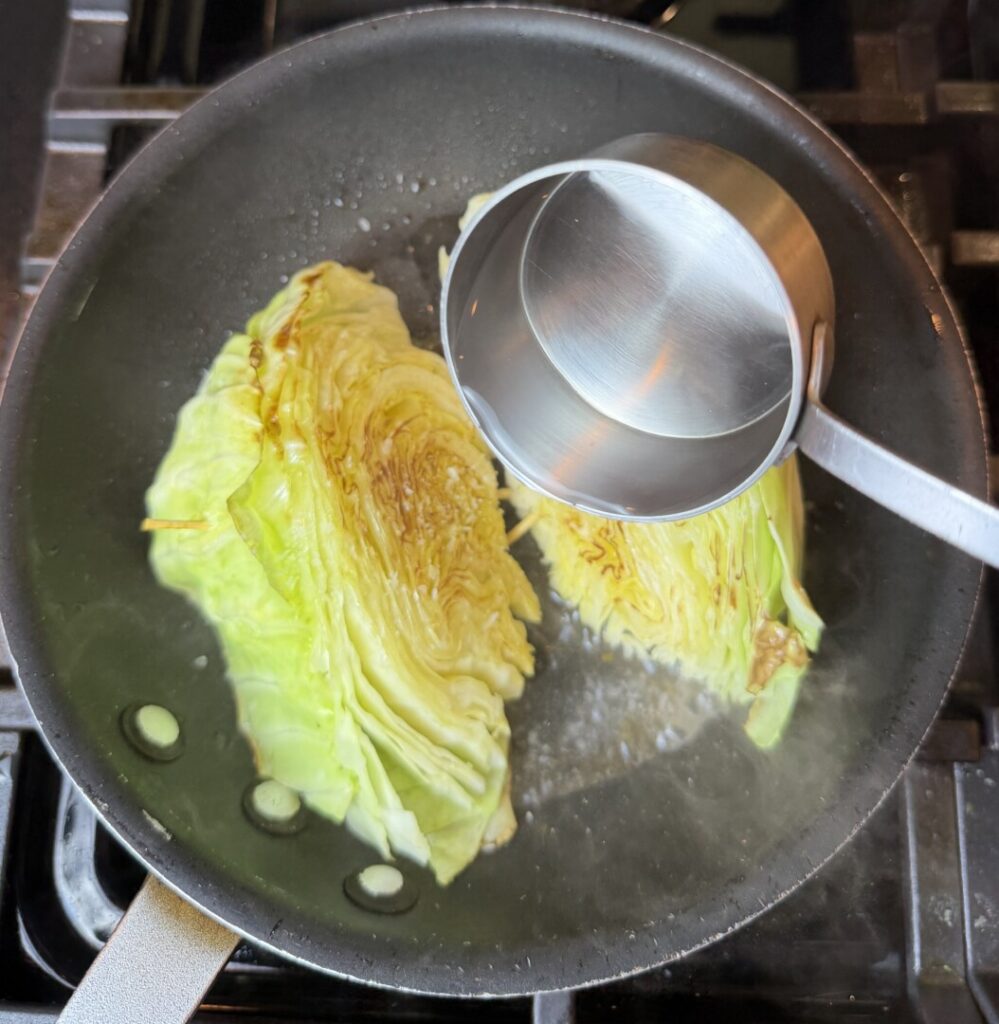
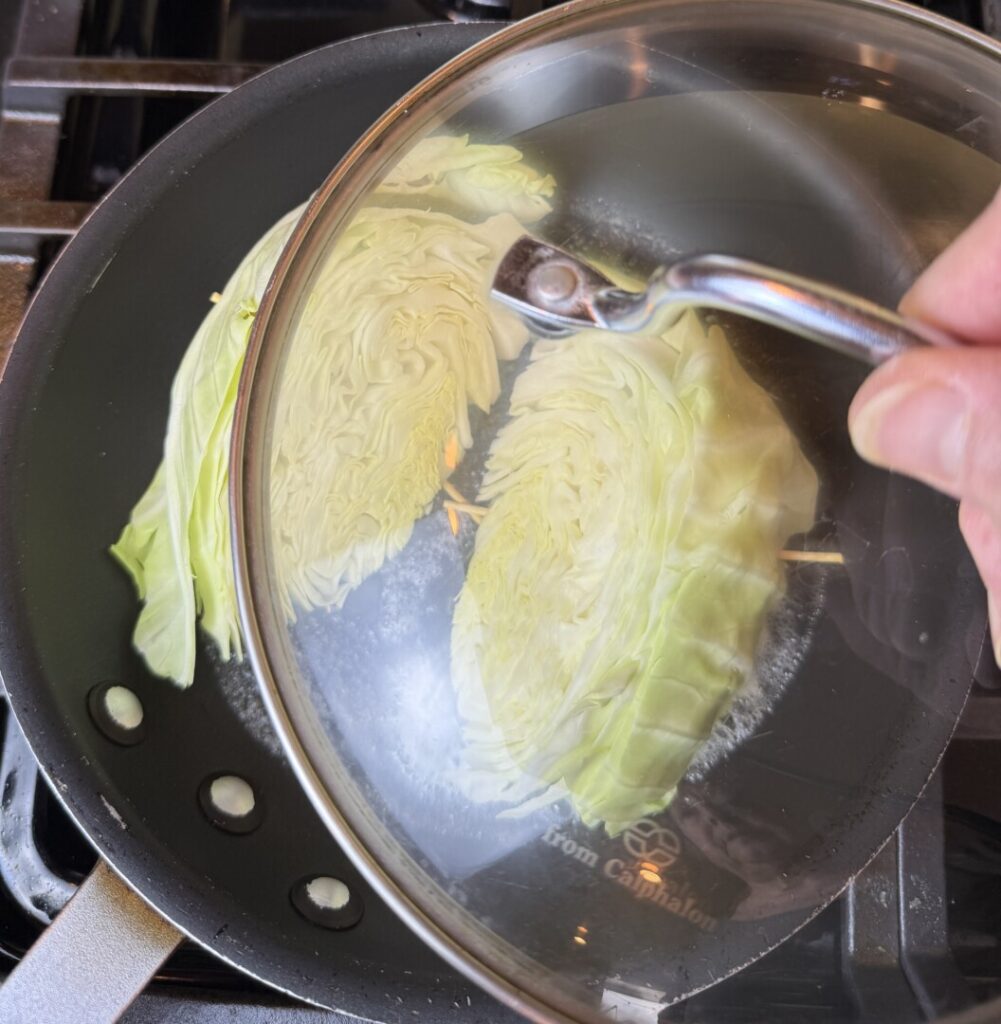
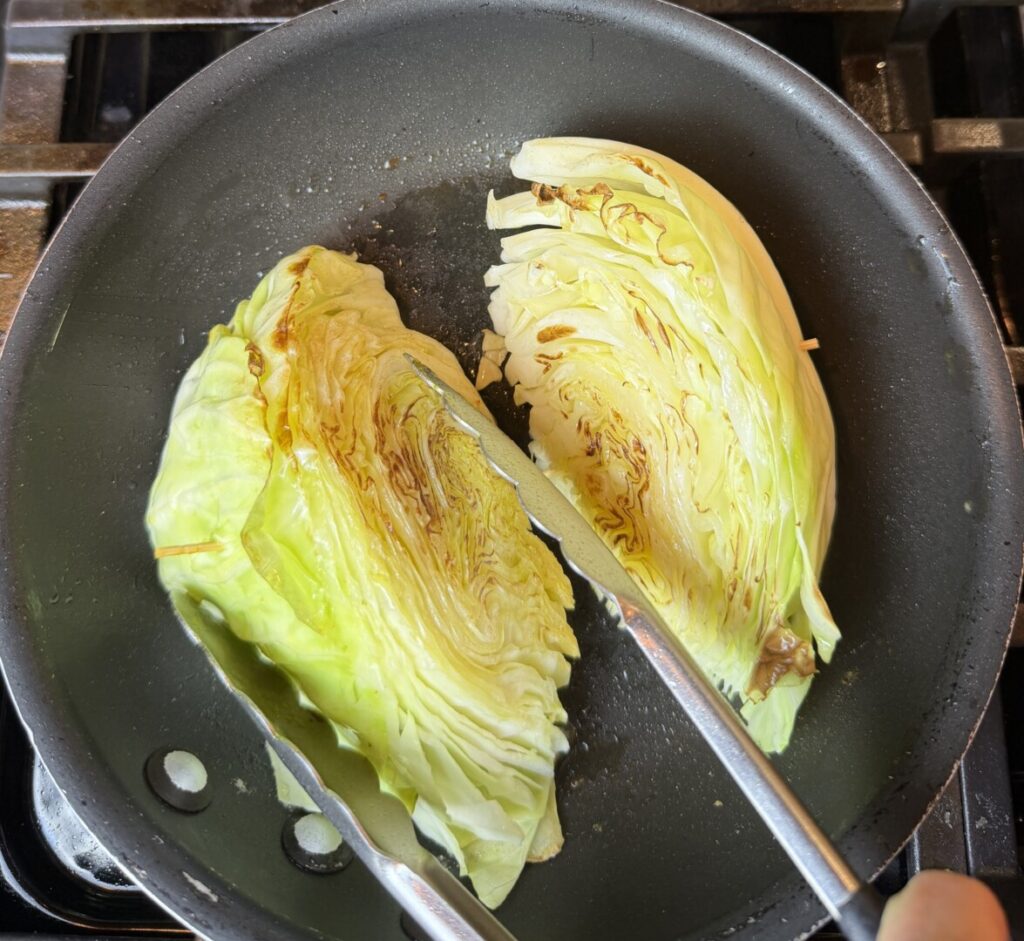
Braising cabbage brings out its inherent sweetness, concentrating its natural flavor and adding depth through surface caramelization. To achieve an attractive presentation, take care to keep the wedges intact. Sauté both sides of the wedges in oil until lightly browned, season with a little salt, add the measured water, and then cover the pan. Cook until the cabbage is just tender and the water has absorbed/evaporated. Hold covered until ready to plate.
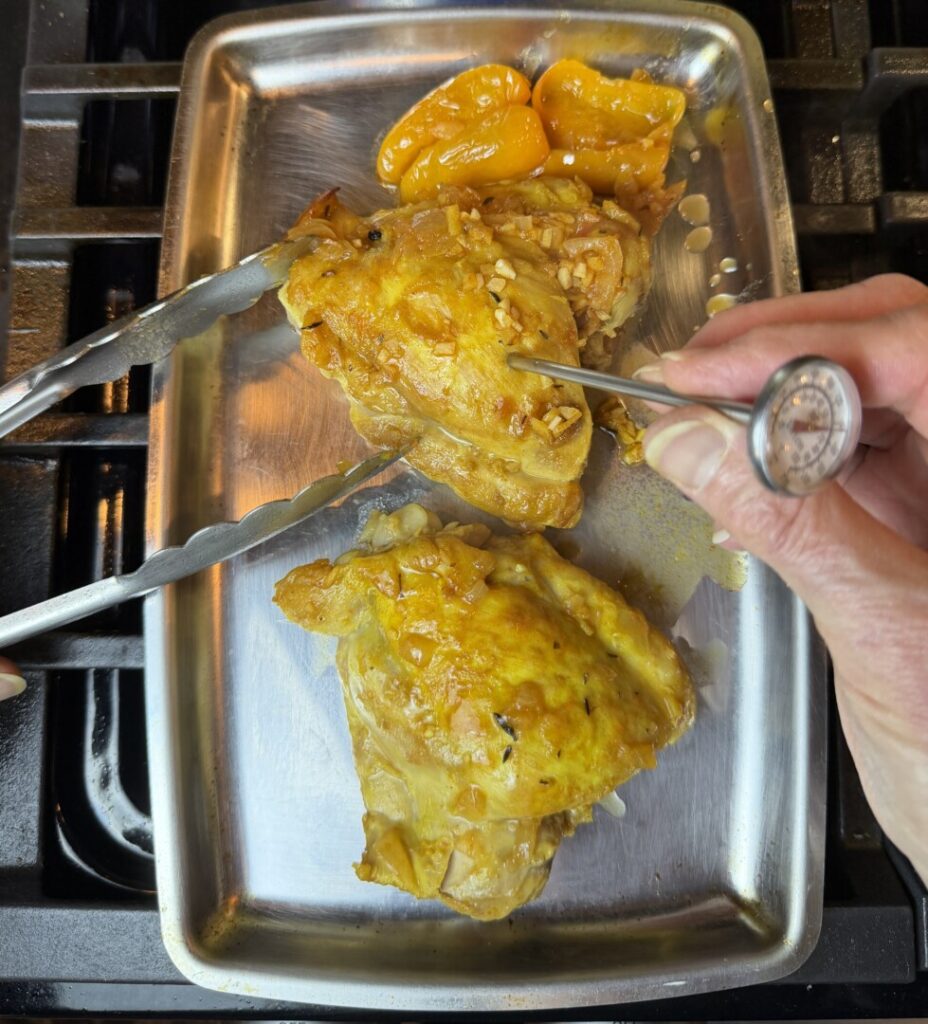
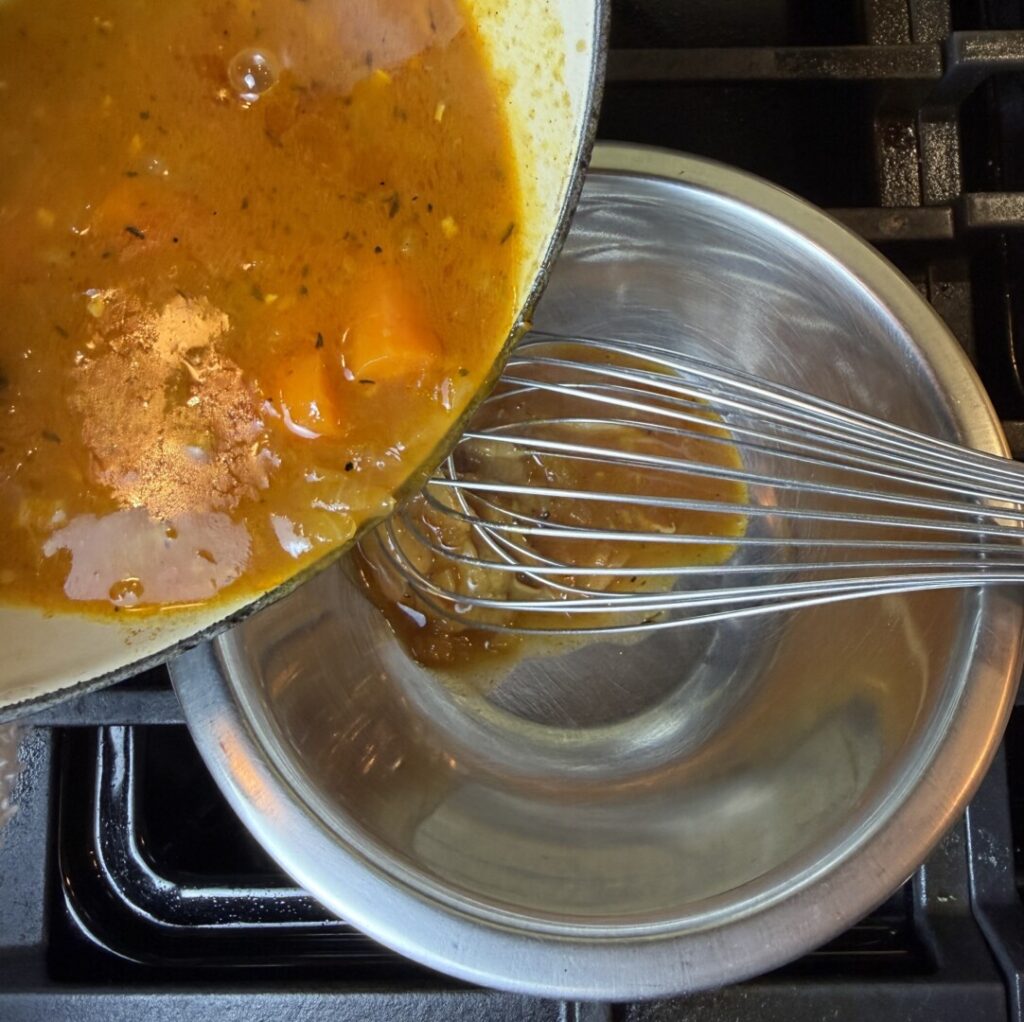
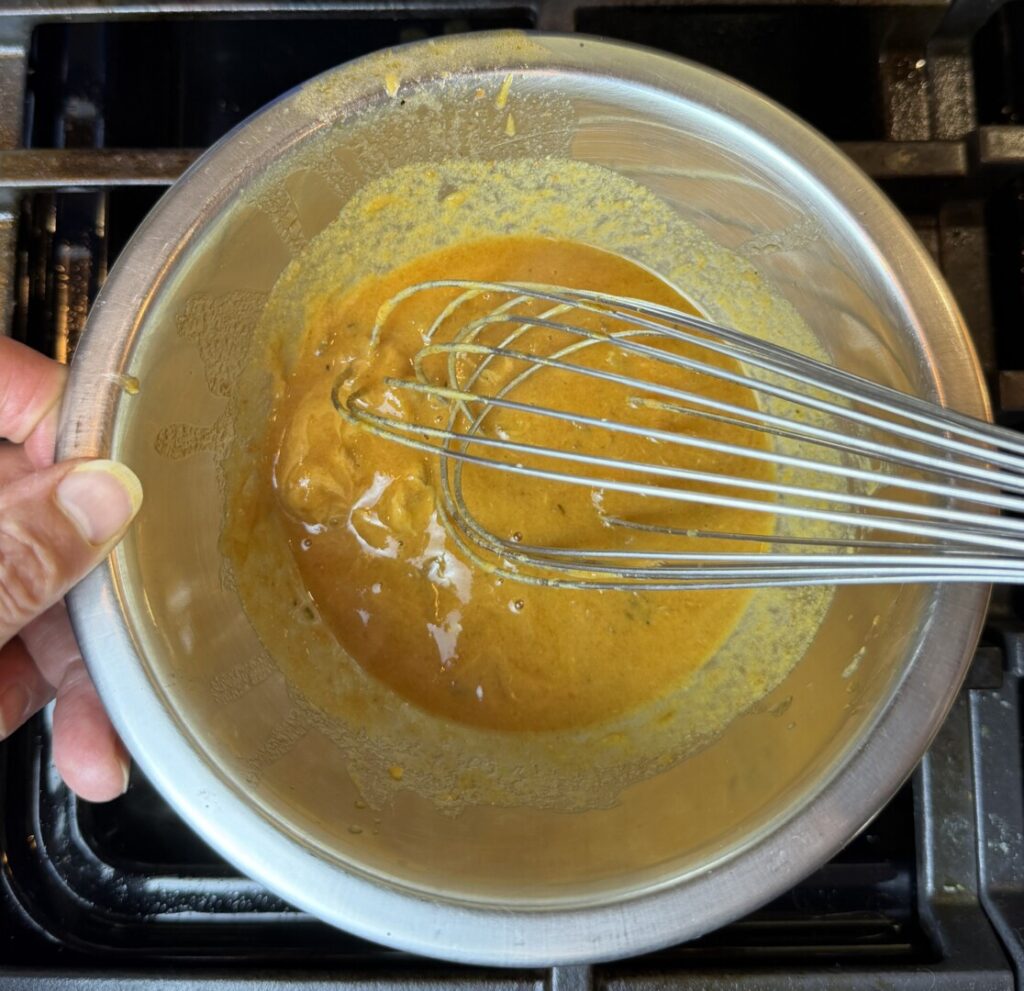
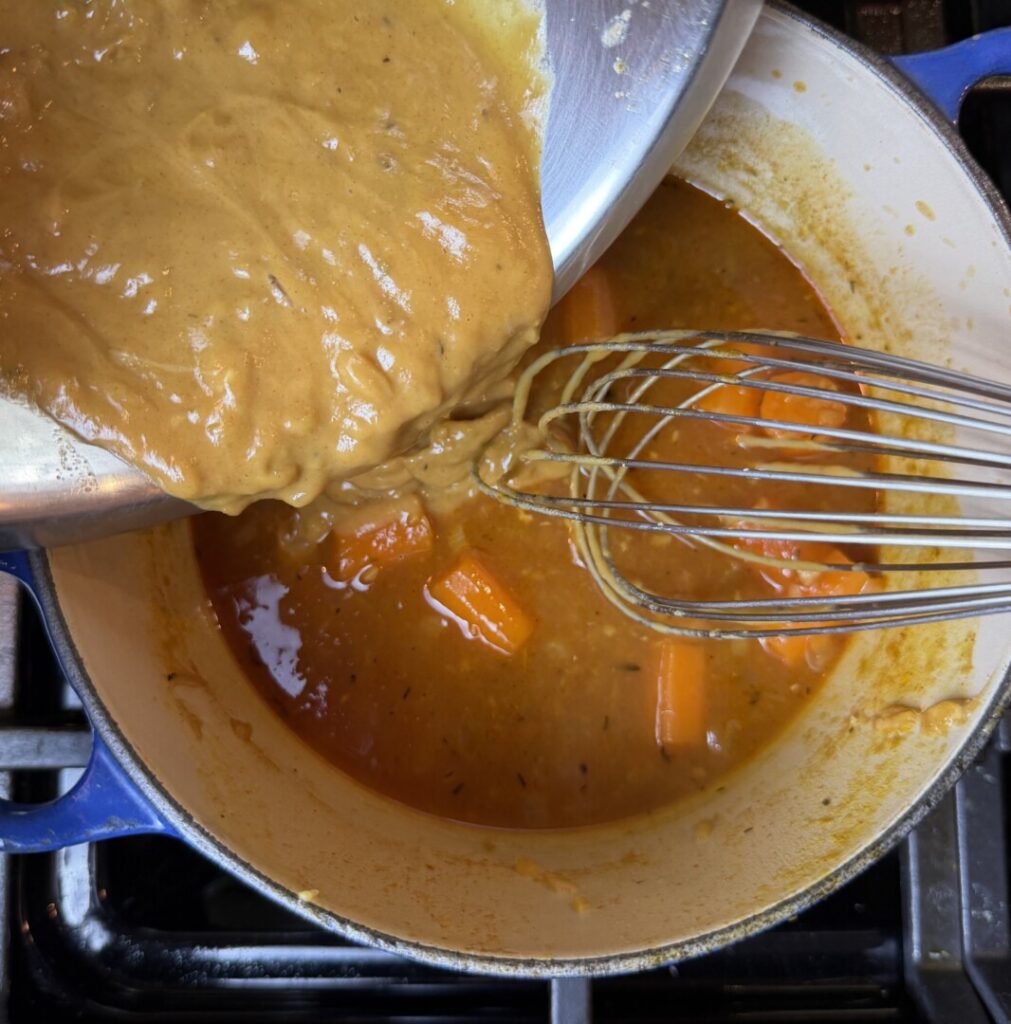
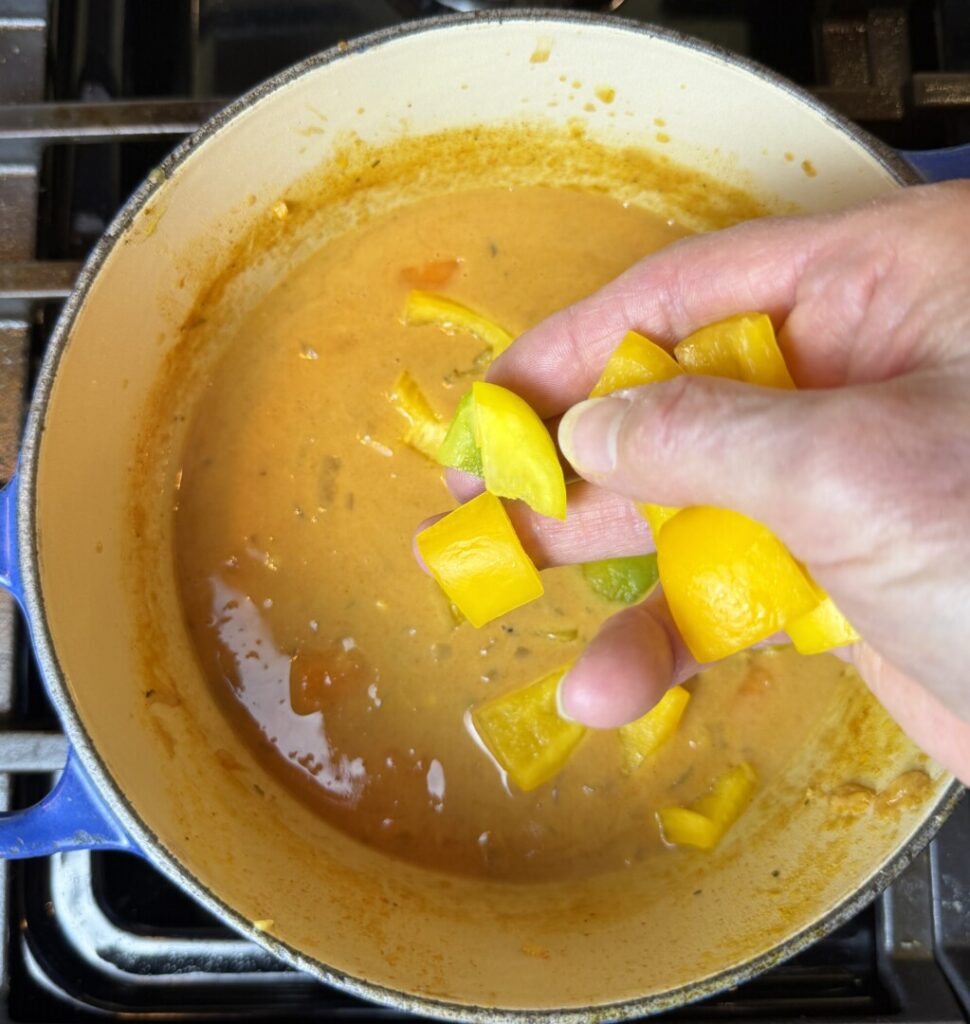
To complete the dish, remove the chicken from its sauce and check its internal temperature. A thermometer inserted near (but not touching) the bone should read 165°F. To finish the sauce, you’ll add the peanut butter using the tempering technique of slowly whisking a hot-temperature sauce into a room-temperature ingredient, as is done with egg yolks and chocolate. While peanut butter is not as volatile as these ingredients, it is an emulsion and it can lump up and/or separate if diluted and heated too quickly. Place the peanut butter in a bowl, and then whisk in some of the hot braising sauce in a thin stream. Then, whisk the peanut mixture back into the remaining sauce. Add the yellow bell peppers, return the chicken to the pan, and then simmer for a minute or two so the flavors meld and the peppers become tender.
Evaluate the sauce consistency. It should be relatively thick, yet pourable. If necessary, thin with a little stock or water. Then check the seasoning and correct the salt if necessary.
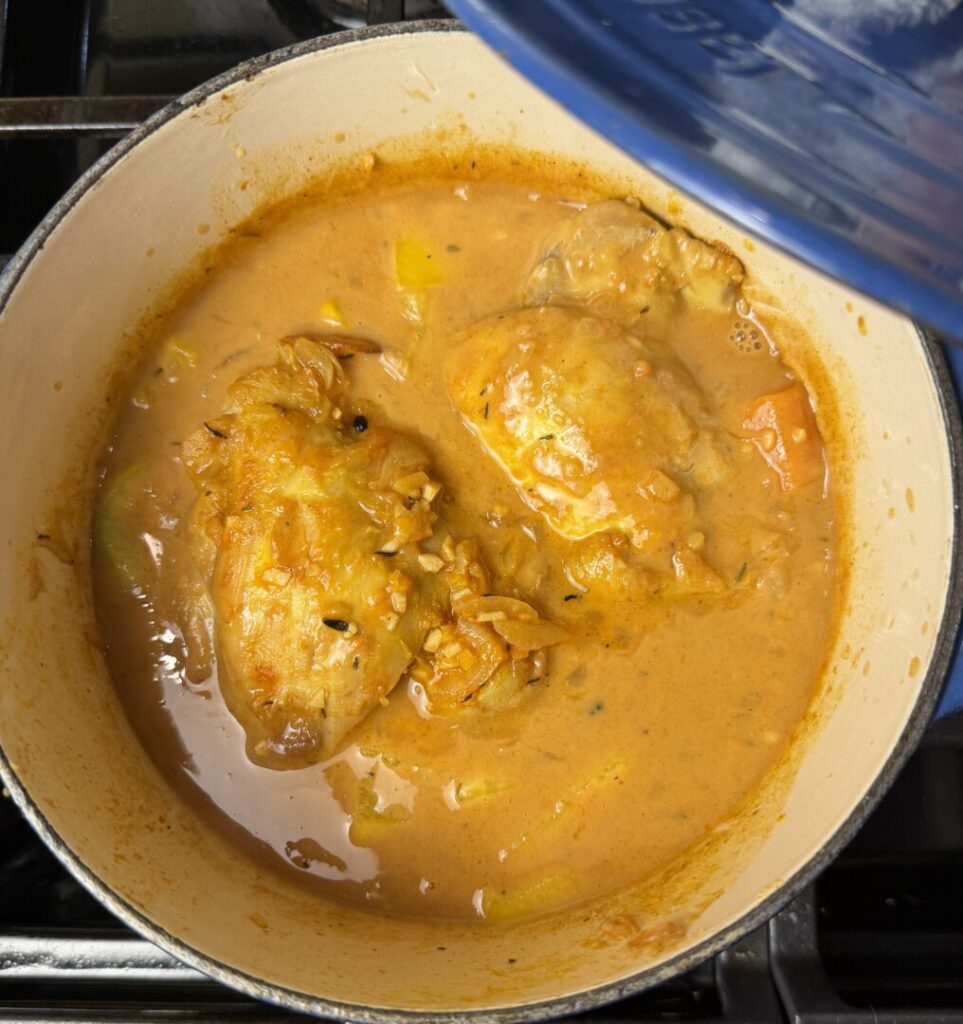
You’re ready to plate.
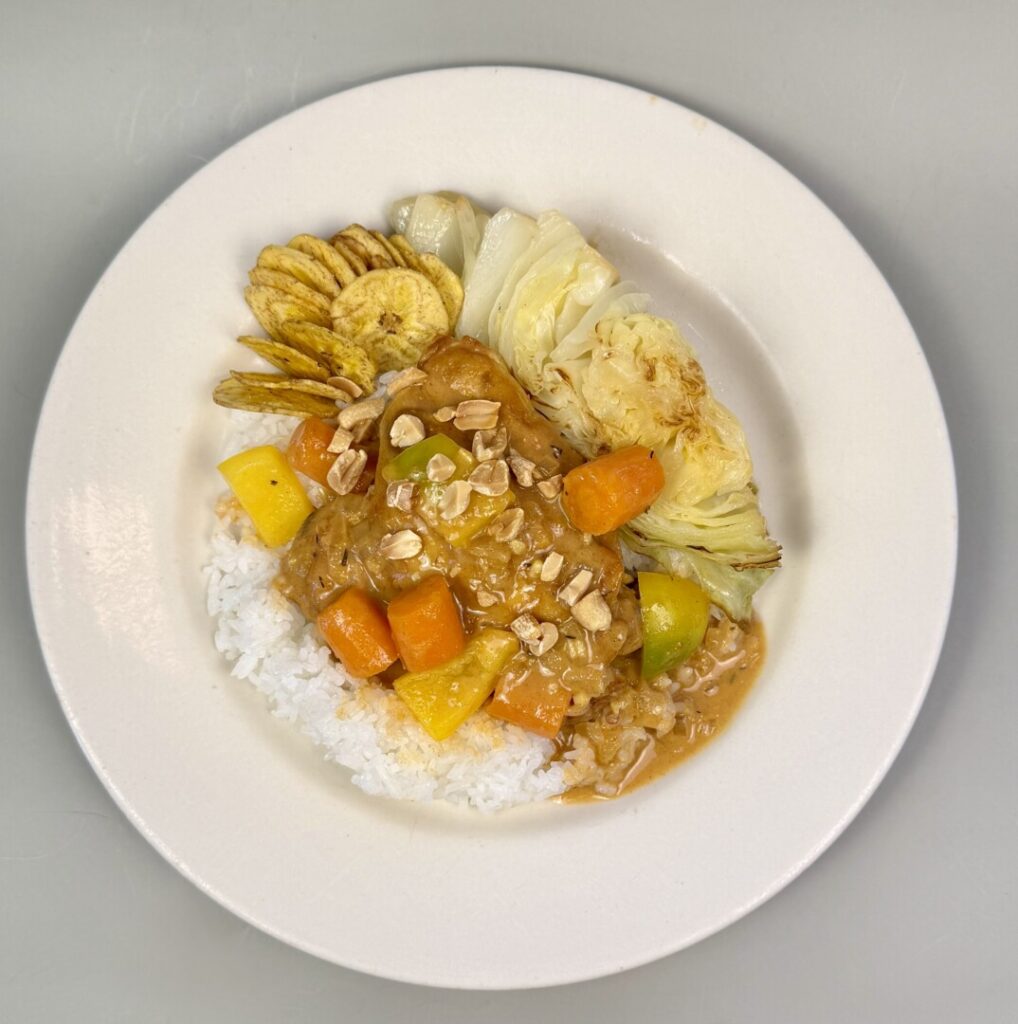
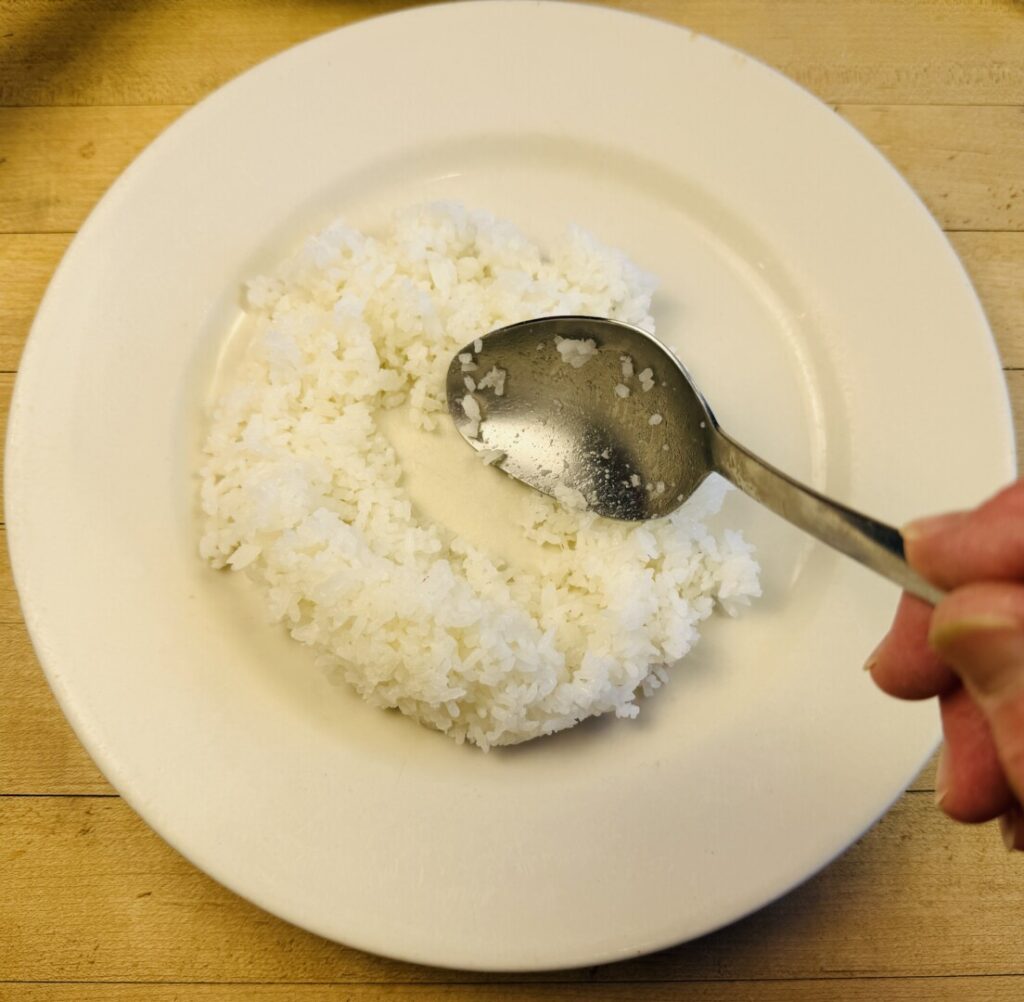
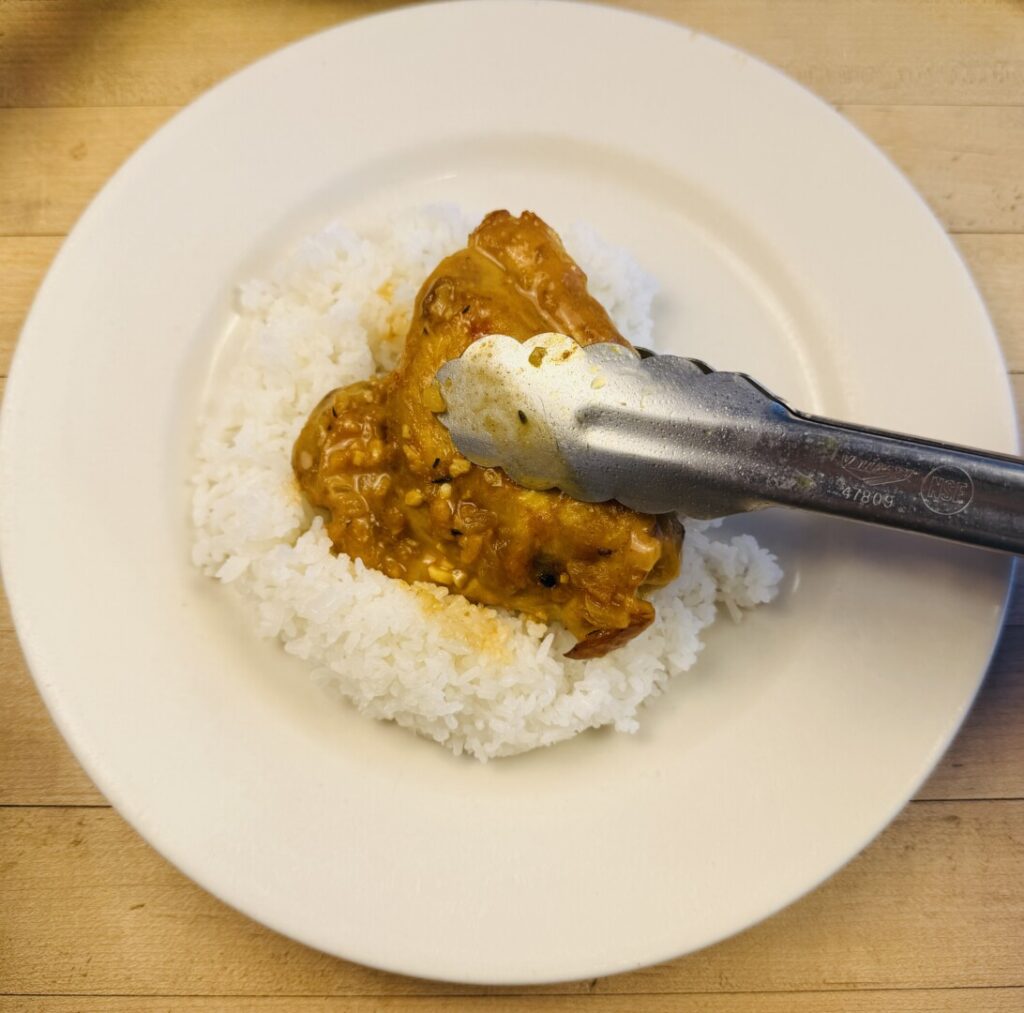
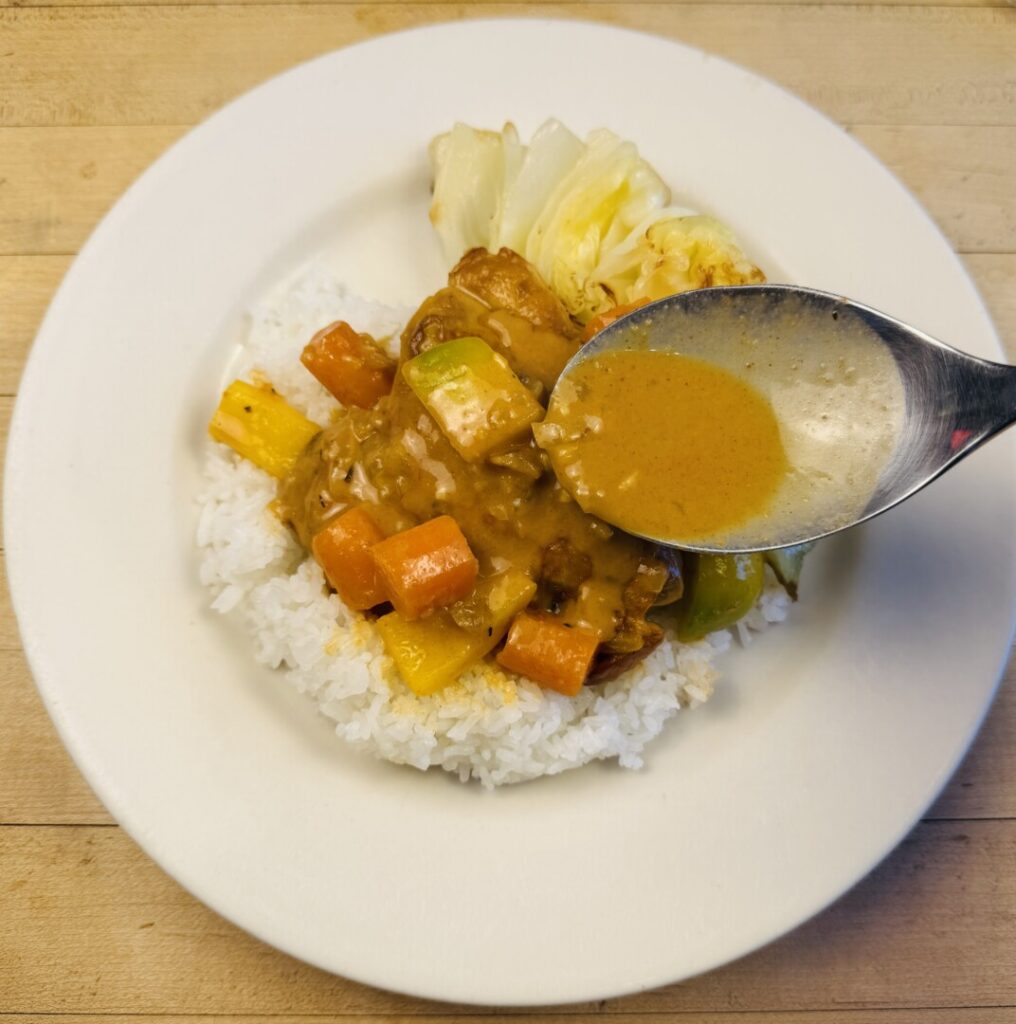
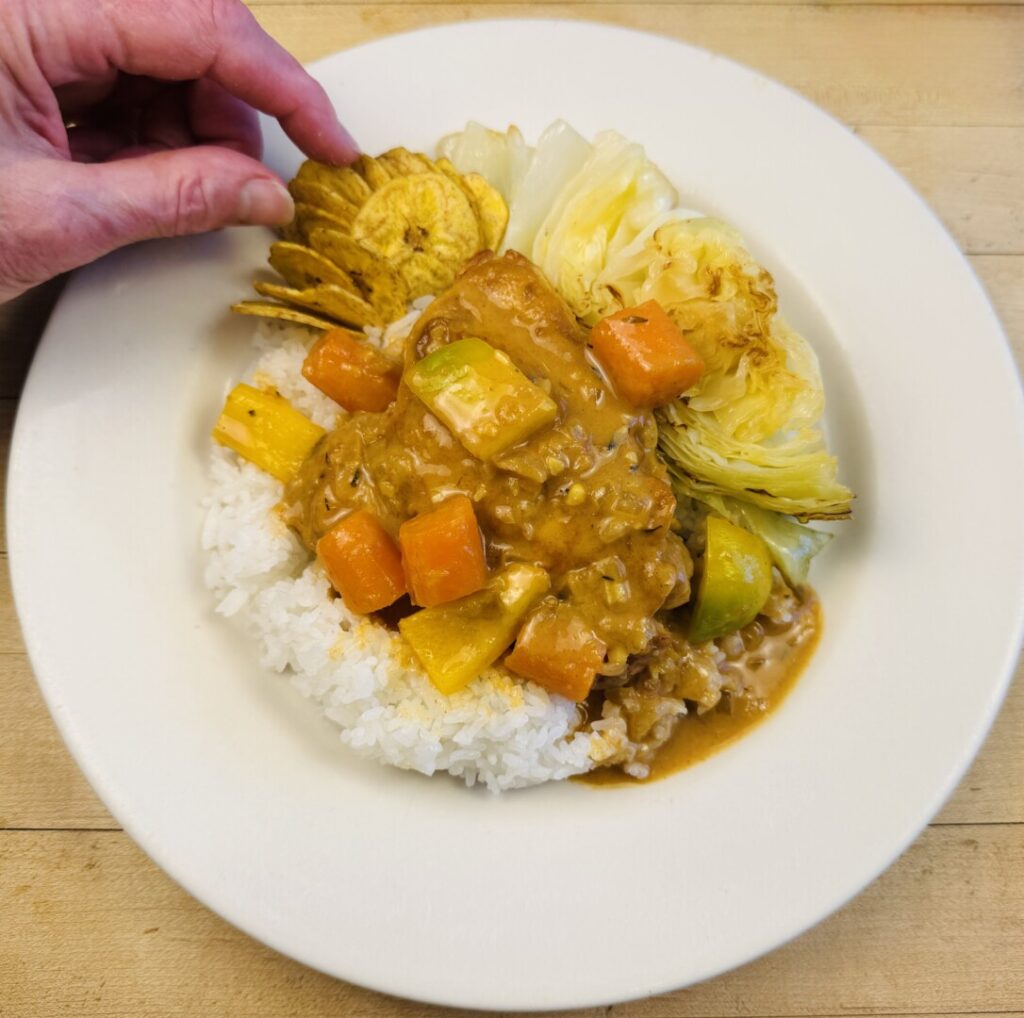
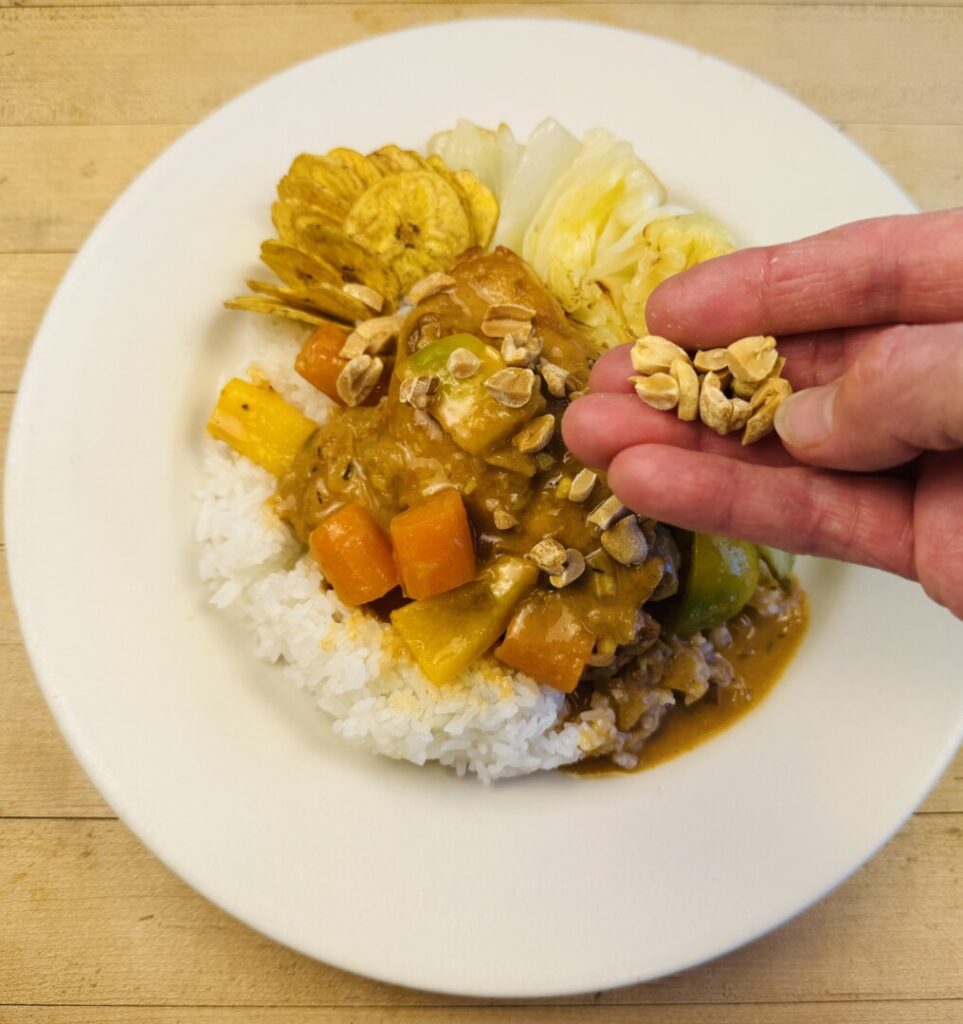
Spoon a portion of rice on the left front of each warmed dinner plate, and make a well in the rice. Place a chicken thigh in the well. Arrange a cabbage wedge on the back right of each plate, and remove the food picks. Spoon a portion of sauce and vegetables over the chicken, ensuring that each serving receives an equal amount of carrots and peppers. Optionally, plant a small handful of plantain chips upright between the chicken and cabbage. Sprinkle a line of peanuts across the top of the chicken.
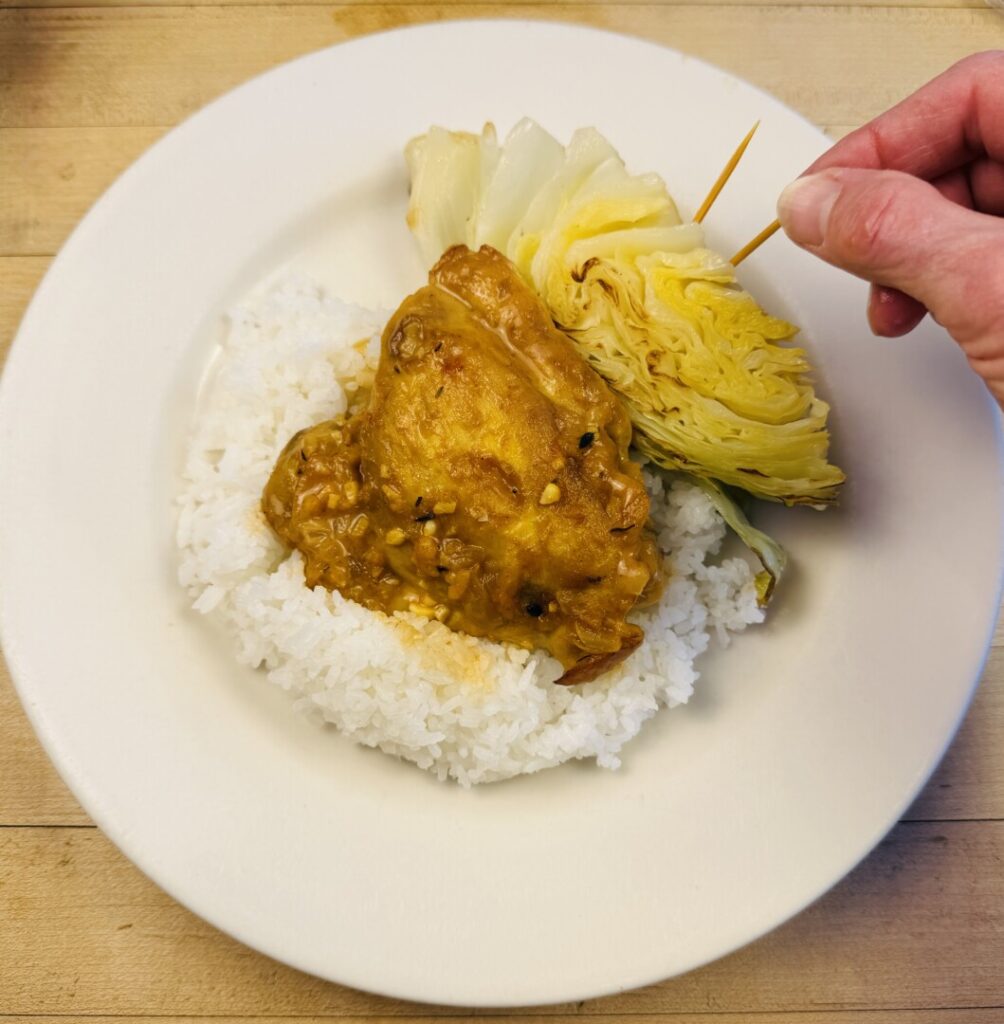
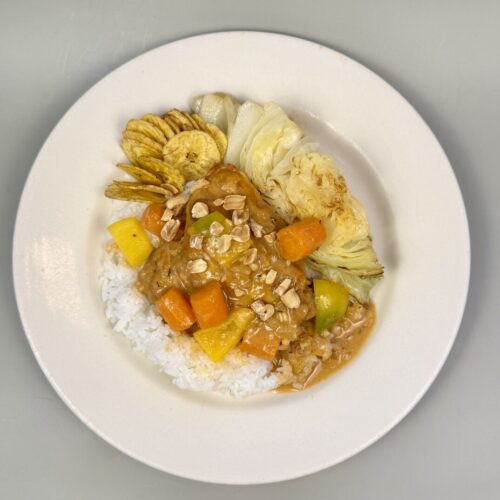
Senegalese Peanut Chicken with Broken Rice, Braised Cabbage, and Plantain Chips
Ingredients
step 1 ingredients
- 1/2 tsp kosher salt
- 1/4 tsp ground turmeric
- 2 (8-oz) bone-in, skin-on chicken thighs
- 1/4 lemon
step 2 ingredients
- 1/2 small yellow onion
- 1 3/4-inch piece ginger
- 1 garlic clove
step 3 ingredients
- 2 small young carrots, preferably with tops
- 1/2 yellow bell pepper
- 1 Habanero or Scotch bonnet chile
step 4 ingredients
- 1/6 small green cabbage
step 5 ingredients
- 1 c broken jasmine rice or jasmine rice
step 7 ingredients
- 2 Tbsp peanut oil or canola oil
- 1/4 tsp smoked paprika or standard paprika
- 1/8 tsp dried thyme
- 1 Tbsp flour
- 1/3 c light-textured tomato purée, preferably passat
- 1 c chicken stock or chicken bone broth
- 1 tsp soy sauce
- 1/2 tsp Maggi seasoning (optional)
- 1 tsp Asian fish sauce
- 1 tsp brown sugar
- to taste kosher salt
step 8 ingredients
- 1 c cold water
- to taste kosher salt
step 9 ingredients
- 1 Tbsp butter
- 1/3 c cold water
- to taste kosher salt
step 10 ingredients
- 1/4 c smooth peanut butter
step 11 ingredients
- 2 Tbsp coarse-chopped roasted peanuts
- 1 oz plantain chips (optional garnish)

Instructions
PREP: Mise the recipe ahead of time.
1. Trim and season the chicken:
- Combine the step 1 salt and turmeric in a small bowl.
- Remove the skin from the chicken thighs and trim off visible vat.
- Place the thighs in a container and squeeze the lemon juice over them. Turn the thighs to coat all surfaces with the juice.
- Sprinkle the salt and turmeric mixture onto all surfaces of the chicken.
- Refrigerate for at least 30 minutes or up to 3 days.
2. Mise the aromatic ingredients for the sauce:
- Fine chop the onion. If prepping ahead, store in a plastic bag.
- Mince the ginger and place it in a container.
- Mince the garlic and add it to the ginger in the container.
3. Prep the stew vegetables:
- Peel the carrots and cut them into ¾-inch lengths.
- Cut the bell pepper into ¾-inch squares.
- Cut the Habanero in half and remove the seeds.
4. Fabricate the cabbage:
- Cut the cabbage into 1 thick wedge per serving.
- Secure each cabbage wedge together with food picks.
5. If working with whole jasmine rice, “break” it to create broken rice:
- Place the rice in a food processor fitted with a steel cutting blade. Pulse the processor on and off, or grind for short periods of time, just long enough to break up most of the grains roughly in half. Don’t grind them to a powder.
- Transfer the rice to a strainer and shake vigorously to sift out the rice “dust” that resulted from grinding.
6. Assemble the remaining ingredients. If prepping ahead, place them in bags and containers.
HOLD: Refrigerate all ingredients (except the rice and plantain chips) up to 3 days.
COOK! Finish and plate your dinner.
7. Cook the chicken and sauce:
- Preheat an oven to 325°F.
- Blot the chicken dry on paper towels.
- Place a sauté pan (preferably carbon steel) over medium heat and wait for it to get hot. Add half of the step 7 oil and swirl the pan to coat the surface. Add the chicken thighs and sauté for about 1 minute on each side until golden brown. Remove the chicken to a Dutch oven or ovenproof casserole.
- Add the remaining oil to the sauté pan, then add the onions. Sauté, stirring constantly, for a minute or two until the onions soften and begin to brown.
- Stir in the ginger, garlic, paprika, the step 7 thyme, and the flour. Sauté for a few seconds longer.
- Stir in the tomato purée, stock, soy sauce, optional Maggi seasoning, fish sauce, and brown sugar. Bring to the simmer.
- Season the sauce lightly with salt, and then pour it over the chicken.
- Place the Habanero chile halves and carrots in the Dutch oven.
- Cover the Dutch oven and place it in the oven. Bake for about 20 minutes.
8. Cook the broken rice:
- Choose a heavy oven-proof saucepan with a tight-fitting lid that is just large enough to accommodate three times the volume of the raw rice you are using.
- Place the rice in the pan, then place the pan under a gentle stream of cool running water. Use your hand to swish the rice around as the water flows, taking care not to lose rice grains over the pan rim. Continue until the starchy dust is removed from the rice, and the water becomes clear.
- Pour off as much water is possible.
- Add the step 8 measured water to the pan along with a pinch of salt.
- Cover the pan and place it on a burner set to high heat. Cook undisturbed for about 5 minutes until you sense the boil (hear the boiling sound, see steam emerging from under the lid).
- Turn the heat to medium and continue cooking about 5 minutes longer.
- Peek under the lid. When the water is almost absorbed, transfer the pan to the oven. Bake for about 10 minutes.
- Remove the pan from the oven and hold warm.
9. Braise the cabbage:
- Place a sauté pan over medium heat, add the butter, and then add the cabbage wedges. Sauté for about 1 minute on each side until the wedges are lightly browned. For best presentation, take care to keep the wedges intact.
- Add the step 9 measured water, season with salt, cover the pan, and braise for about 3 minutes. Carefully turn over the wedges and braise 2 to 3 minutes longer until the cabbage is tender and the water has absorbed/evaporated.
10. Finish the chicken:
- Uncover the Dutch oven and check the chicken for doneness. When tested with a thermometer inserted near the bone, the internal temperature should reach 165°F.
- Remove the Habanero halves from the sauce and discard them. (Or, if you like really hot, spicy food, keep them to eat along with the chicken.)
- Place the peanut butter in a bowl and then whisk in enough of the sauce to make a pourable paste. Stir the peanut butter paste back into the sauce until well incorporated.
- Stir in the bell peppers.
- Cover the pan and simmer over low heat for a minute or two, until the sauce thickens slightly and the peppers are tender.
- Evaluate the flavor and sauce consistency. If necessary, thin the sauce with a little stock or water, and correct the salt.
11. Plate:
- Spoon a portion of rice into the left front of each warmed shallow bowl or plate. Make a well in the center.
- Arrange a chicken thigh in the well in each bowl.
- Spoon a portion of the stew vegetables onto and around the chicken thighs.
- Place a cabbage wedge on the back right side of each bowl, and remove the skewer or picks.
- Spoon a portion of sauce over the chicken in each bowl.
- Garnish each plate with a sprinkling of peanuts.
- Plant a portion of the optional plantain chips upright in the rice between the chicken and cabbage.